

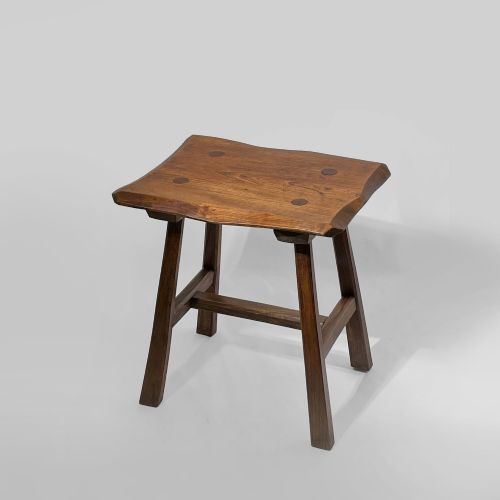
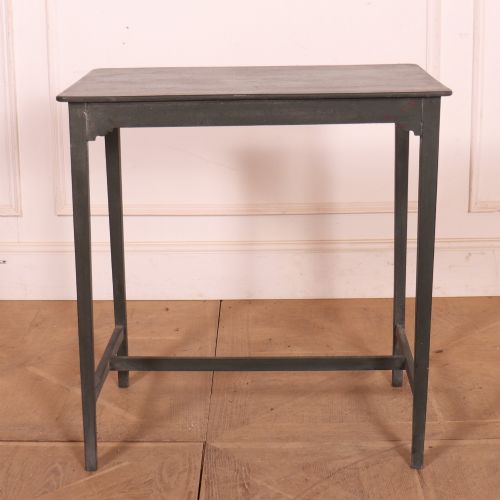
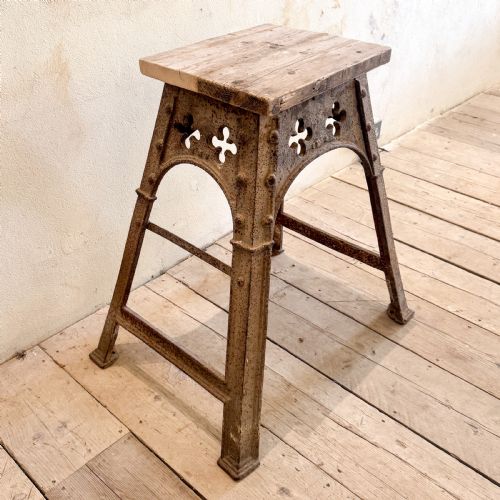
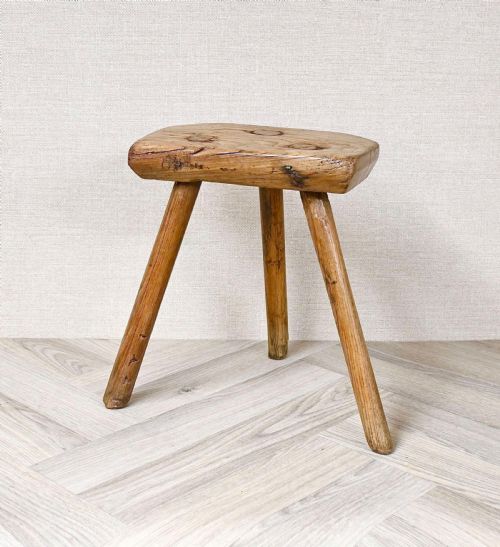


Rustic Wood Plant Stand
A rustic wood plant stand brings the texture of unpolished timber and natural branches straight into your interior, holding greenery with utilitarian charm.
Rustic Wood Plant Stand
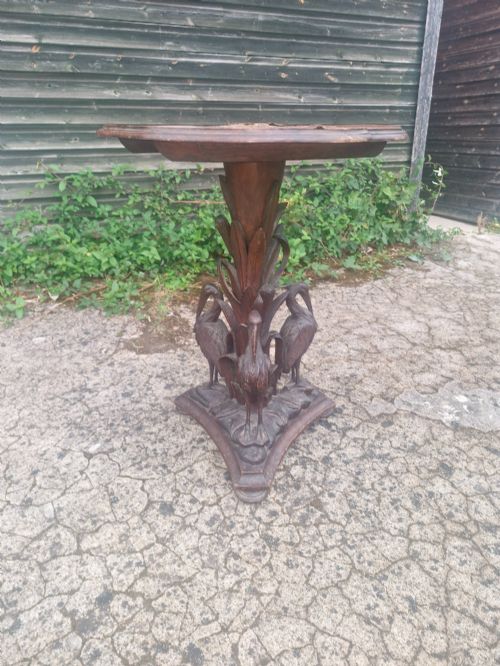
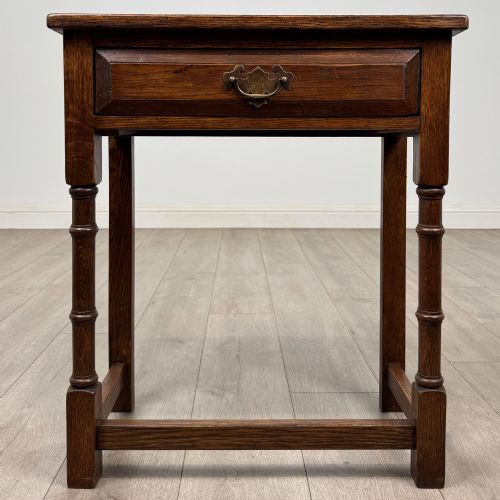
A rustic wood plant stand encompasses low stools, tall pedestals, and tiered side tables designed to elevate flora and objects. You will frequently encounter nineteenth-century oak, elm, and pine examples shaped by vernacular traditions and Arts & Crafts ideals.
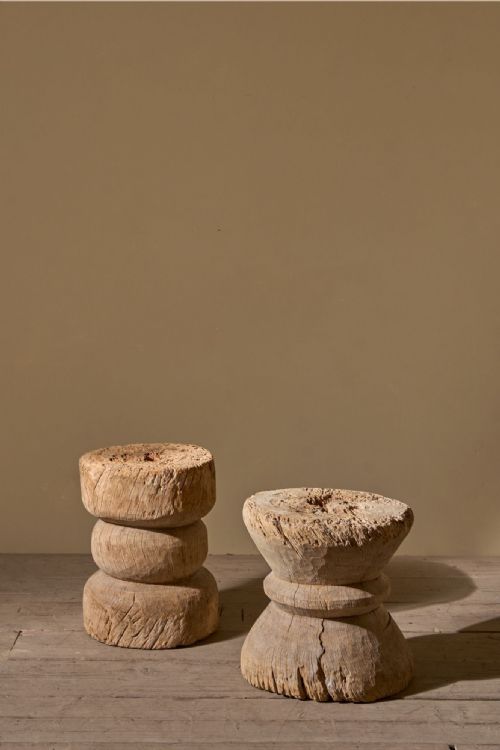
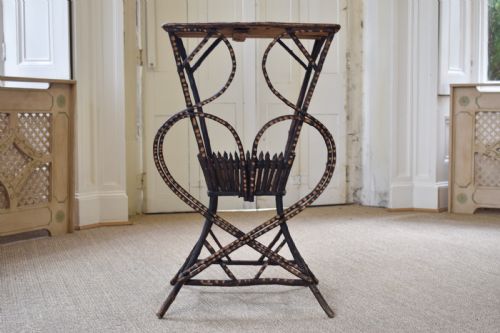
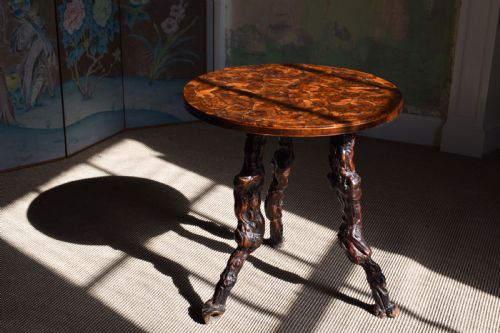
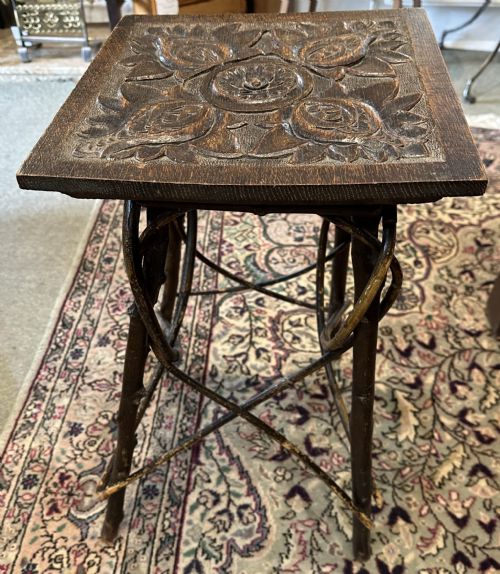
The forms range from primitive milking stools and tree trunk game blocks to twig tables and industrial iron-braced stands. Makers utilised local timber and found branches, resulting in asymmetrical silhouettes and honest, unpretentious structures.
Pieces from this selection bridge the gap between functional furniture and sculptural folk art. Whether you choose an eighteenth-century primitive block or an early twentieth-century woven pine tiered stand, each item bears the distinct marks of hand-tooling and natural wear.
How they were made
Carpenters and rural makers constructed these stands using solid timber such as oak, elm, ash, and pine, frequently leaving live edges and bark intact. Construction relies on traditional joinery, pegged joints, and exposed fixings rather than hidden factory fastenings.
Metal components like cast iron and wrought iron appear alongside timber, creating industrial and rustic farmhouse hybrids. Surfaces show hand-carving, pokerwork decoration, painted finishes, and natural waxing that honours the grain of the wood.
Rustic Wood Plant Stand Retail Price Guide 2026
Typical asking prices for rustic wood plant stand among the pieces listed under this phrase on Sellingantiques today, from the lower quarter to the upper quarter. They describe what is for sale here now, not the wider market.
Arts & Crafts ideals and French country traditions appear through handmade twig tables, tree trunk game blocks, and step ladders.
What varies in quality
Quality rests in the integrity of the raw material and the character of the hand-tooling rather than sleek factory perfection. A superior piece displays honest construction, stable joints, and timber with rich, untouched patina built over decades of use.
The distinction between a standard workshop utility item and a compelling folk art piece lies in sculptural ambition. Imaginative use of natural branches, balanced proportions, and unusual regional forms elevate certain tables and stools above standard utilitarian items.
The Rustic Wood Plant Stand Glossary
- Vernacular
- Everyday utilitarian furniture made by local craftsmen using regional traditions and readily available materials, bypassing high-style academic design.
- Folk art
- Objects created by self-taught or traditional craftsmen, often featuring idiosyncratic carving, natural materials, and an absence of formal academic rules.
- Live edge
- A style of furniture where the natural edge of the tree is incorporated into the design of the board or slab.
- Pokerwork
- The art of decorating wood or other materials by burning designs with a heated metallic point, seen on nineteenth-century decorative stools.
- Primitive
- Early or unrefined furniture made with basic tools, prioritising pure utility and heavy structural solidity over decorative refinement.
Rustic Wood Plant Stand: Frequently Asked Questions
How do I style a rustic plant stand?
Pair your stand with trailing green foliage or heavy ceramic pots to contrast against the rough-hewn timber and natural branches. Let the honest grain and weathered patina take centre stage in a corner or beside seating.
Keep surrounding items simple so the organic shapes of twig tables or primitive stools remain visible. These pieces function equally well holding lamps or books when not supporting plants.
Are these stands sturdy enough for heavy pots?
Solid timber construction and heavy elm or oak slabs provide inherent stability for substantial weight. Many were originally built as butcher blocks, milking stools, or sculptors stands designed to bear heavy loads.
Check the balance of individual tripod or four-legged bases before placing fragile ceramic vessels on top. Uneven antique floors can be easily accommodated with discreet pads.
How do I date a rustic wooden stand?
Examine the tool marks, fixing methods, and timber shrinkage to estimate the age of unpretentious country furniture. Adzed surfaces, hand-cut nails, and pegged mortise and tenon joints point towards nineteenth-century or earlier rural craftsmanship.
Compare the style against documented Arts & Crafts or Victorian vernacular examples in the listings. Patina accumulates naturally over generations, offering clues to the working life of the piece.
What is the difference between a stool and a plant stand?
Many low stools and milking seats double effectively as display surfaces for greenery and decorative objects. Height and top diameter often dictate whether a piece served a utilitarian sitting purpose or an elevated display function.
Tiered stands and dedicated pedestals were explicitly built with height in mind to showcase items within a room. Both categories share the same robust rural materials and vernacular construction methods.