




Rustic Wood Frame Mirror
A rustic wood frame mirror brings warmth and texture to an interior, combining natural timber grains with reflective glass.
Rustic Wood Frame Mirror
A rustic wood frame mirror bridges the gap between functional household object and tactile folk or period sculpture. Buyers seek these pieces to anchor a room with organic materials and historic character.
The selections span nineteenth and early twentieth century workshops, featuring regional European and English designs. Oak, pine, maple and carved timber constructions dominate the available forms.
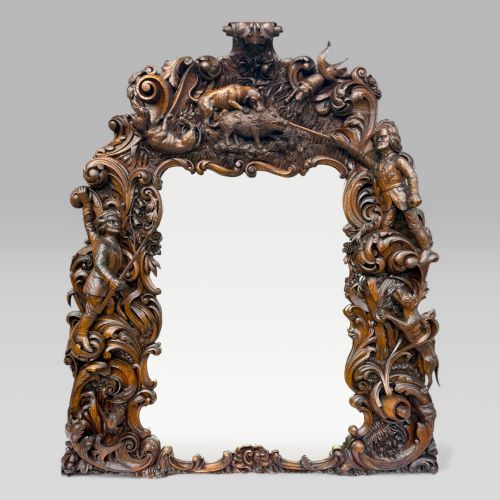
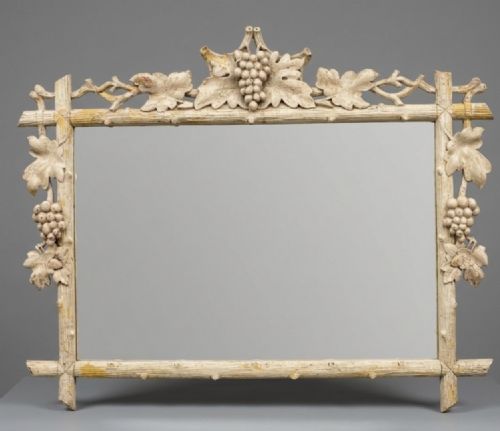
Wall mirrors and larger overmantel proportions appear frequently, ranging from simple fret cut boards to heavily carved hunting lodge styles and trompe l'oeil faux bois treatments.
How they were made
Carpenters and artisans constructed these frames from solid timbers such as oak, pine and maple, frequently utilising hand carving and simple joinery. Surfaces often retain original layers of paint, gesso, or scrubbed natural wood finishes.
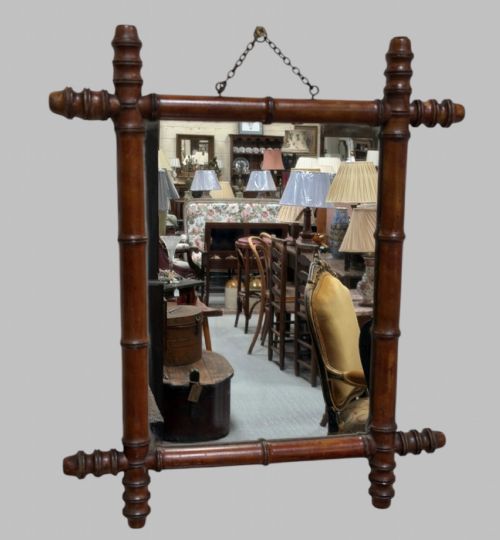
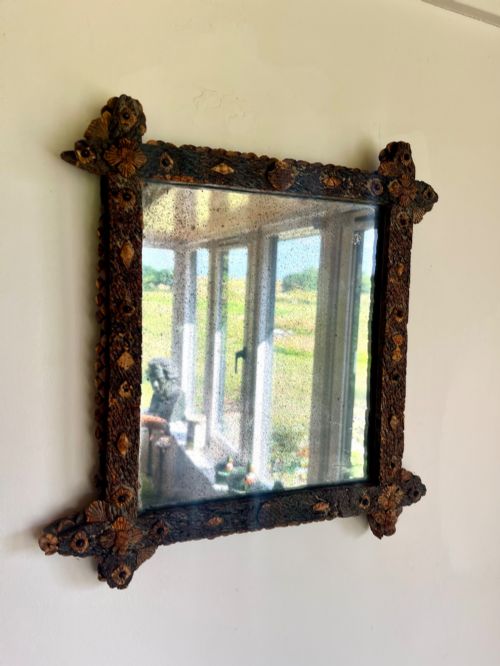
Specialised techniques include tramp art created from notched cork or wood pieces, and faux bamboo turning that mimics exotic plant stems. Mirror glass is set within rebated wooden backs, sometimes retaining historic silvering and minor foxing.
Listings feature items spanning the nineteenth and early twentieth centuries, constructed from oak, pine, maple, gesso and glass.
What varies in quality
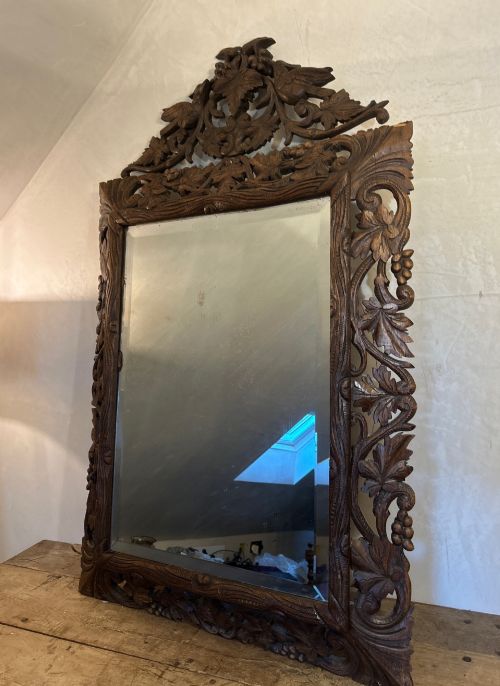
Quality rests in the depth and clarity of the wood carving, the integrity of the original surface treatment, and the harmony of proportions. Heavy oak hunting lodge pieces and detailed Black Forest carvings represent more intensive craftsmanship than simple painted pine boards.
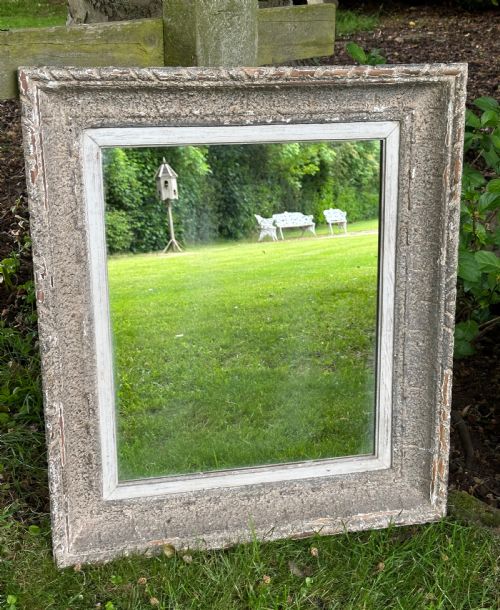
The presence of untouched original paint, gesso or faux bois finishes elevates a piece above later stripped or repainted examples. Structural survival of the original mirror plate also dictates the integrity of the object.
The Rustic Wood Frame Mirror Glossary
- Tramp art
- A folk art style where pieces of scrap wood or cork are notched, chipped, and layered to form textured geometric patterns on frames.
- Faux bois
- A technique where wood is painted or carved to imitate natural wood grain or tree branches, popular in nineteenth-century rustic design.
- Overmantel mirror
- A large horizontal mirror designed specifically to hang on the wall directly above a fireplace mantelpiece.
- Trumeau mirror
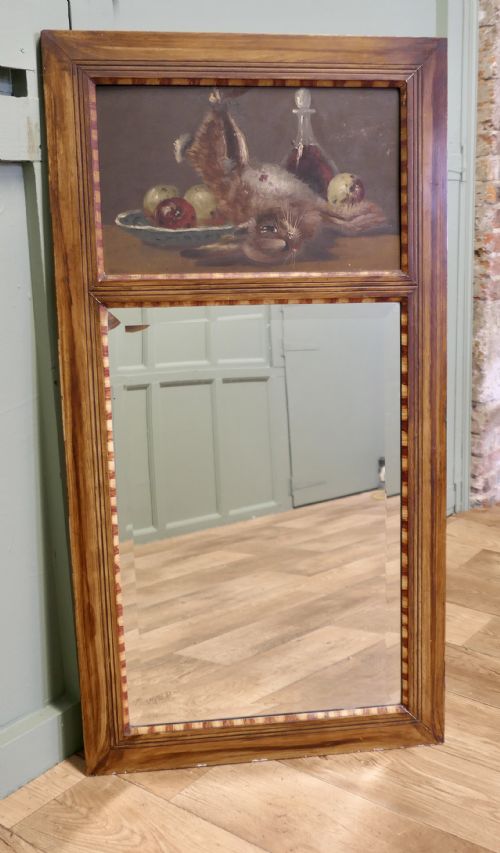
- A tall wall mirror that incorporates a painted panel or carved artwork in the upper section of the wooden frame.
- Gesso
- A plaster-like mixture applied to wooden frames as a smooth base for subsequent paint, gilding, or decorative relief work.
Rustic Wood Frame Mirror: Frequently Asked Questions
Where should I hang a rustic wood frame mirror?
These mirrors function well above mantelpieces, in hallways, or as focal points in living spaces where the textured frame can contrast with plain walls.
Their substantial weight requires secure wall fixings anchored directly into masonry or sturdy studs.
How do I identify a Black Forest mirror?
Black Forest mirrors originate from nineteenth-century European carving traditions, specifically featuring deep, naturalistic motifs like foliage, animals, or branches.
The wood is typically dark carved oak or walnut with high relief work that stands out prominently from the frame.
What is faux bamboo woodwork?
Faux bamboo refers to wooden frames turned and carved by hand to replicate the segmented stems of real bamboo plants.
This style became popular during the nineteenth century under Asian design influences and appears in both painted and natural wood finishes.
Should I clean the original mirror glass?
Historic glass often displays foxing, dark spots, and minor oxidation that confirm its age and authenticity.
Cleaning should involve only a soft, dry cloth to avoid damaging the silvered backing or the surrounding wooden frame.