



Rustic Timber Storage Chest
A rustic timber storage chest brings honest utility to a room, offering robust construction and decades of lived-in character.
Rustic Timber Storage Chest
When you search for a rustic timber storage chest, you encounter utilitarian furniture built to hold household goods, linens and personal belongings across generations. These pieces range from simple domestic boxes to substantial dowry chests created for rural and provincial households.
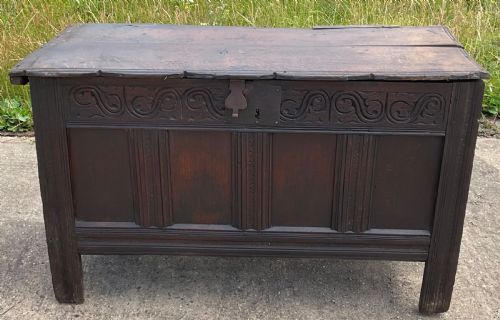
On this page, pine and elm examples from the nineteenth century predominate, alongside oak items reaching back to earlier periods. You will frequently find blanket boxes, dome-topped trunks and six-plank coffers serving the basic need for enclosed storage.
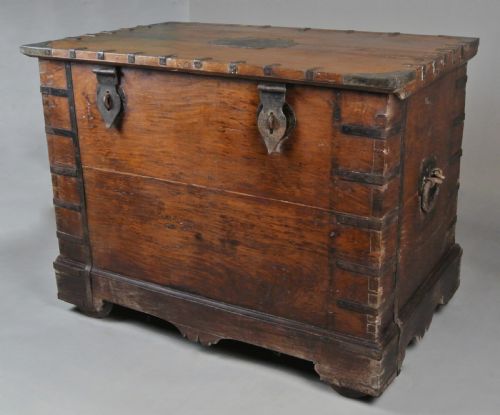
Origins stretch across British, European and Indian workshops, taking in Scandinavian, French provincial and traditional Indian regional styles. Forms vary from unpretentious pine travel boxes to iron-bound teak dowry chests designed for heavy use.
How they were made
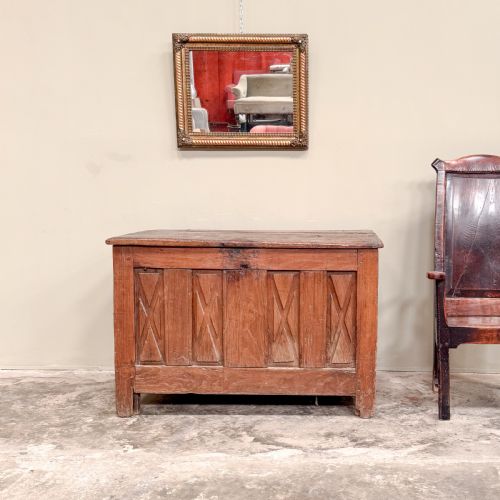
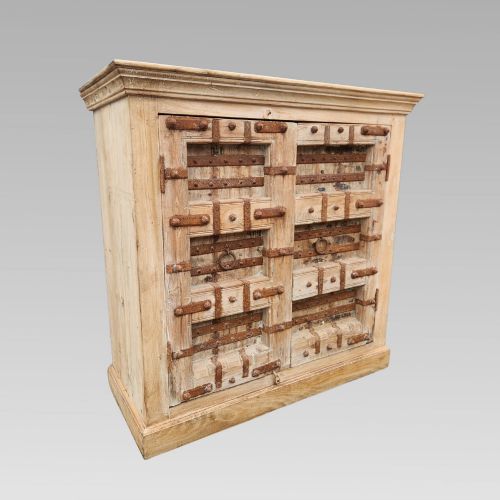
Joinery relies on solid timbers like pine, oak, elm and teak, often held together with robust iron straps, braces and brass fittings. Workshops shaped these native and imported woods using hand tools, frequently employing simple plank construction or traditional panel framing.
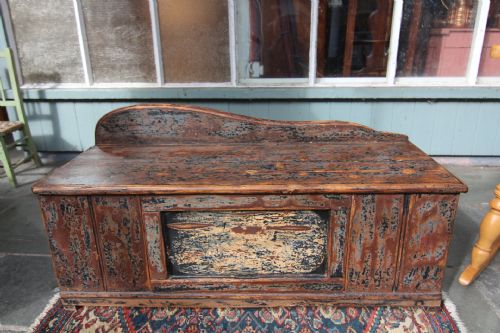
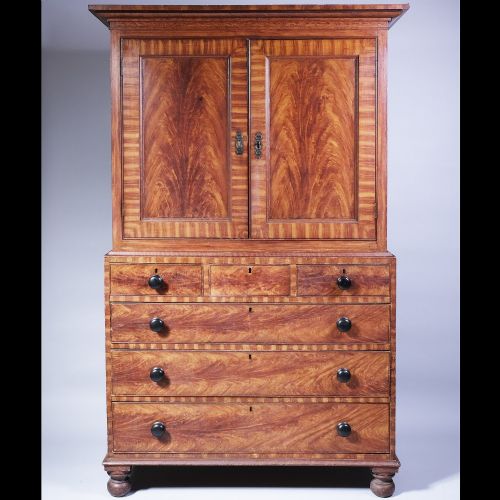
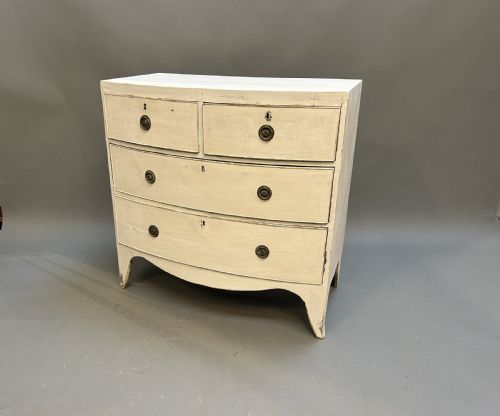
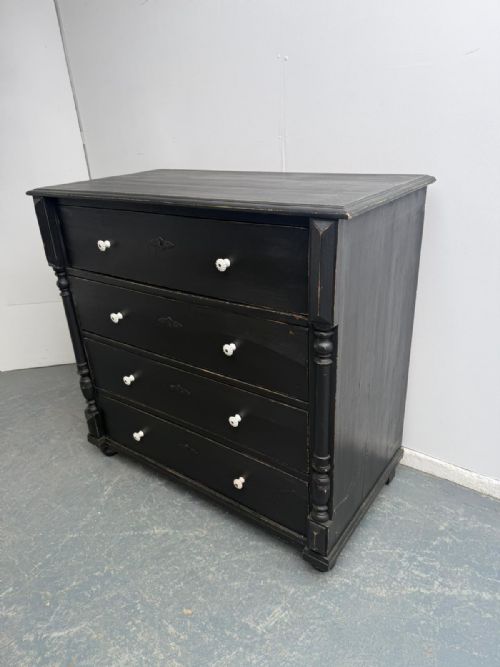
Surfaces frequently show layers of paint, scumble glaze, graining or dark wax finishes applied to protect the timber and alter its appearance over decades of use. Iron hardware, including strap hinges and heavy padlocks, was hand-wrought to secure the contents.
Keep an open mind for dog kennel dressers and dough prooving boxes masquerading as ordinary storage.
What varies in quality
The distinction between ordinary utility items and superior pieces rests on the integrity of the timber and the preservation of original surfaces. Chests retain greater character when they keep their early paintwork, unreplaced ironwork and sound board joints rather than modern restorations.
Proportion and construction scale also set examples apart, separating simple provincial boxes from monumentally large dowry chests or finely carved oak coffers. The survival of original interiors, such as till boxes and working locks, elevates the standing of a piece.
The Rustic Timber Storage Chest Glossary
- Coffer
- A heavy wooden chest traditionally used for storing valuables, plate or documents. Early examples often utilise simple six-plank construction joined at the corners.
- Mule chest
- A traditional storage chest featuring one or more drawers built into the base beneath the main compartment. They bridge the design gap between simple blanket boxes and chests of drawers.
- Dowry chest
- A large storage trunk created to hold the linen, household goods and wealth of a bride before marriage. These pieces frequently feature robust iron binding and regional decorative elements.
- Scumble paint
- A decorative surface finish applied by dragging or mottling a translucent glaze over a paler base coat. It creates a patterned texture intended to imitate the grain of finer woods.
- Six-plank coffer
- A primitive chest constructed from six individual boards pinned or dovetailed together at the edges. This method represents one of the oldest forms of domestic storage furniture.
Rustic Timber Storage Chest: Frequently Asked Questions
What were rustic storage chests originally used for?
These chests served everyday domestic functions, holding bulky woolen blankets, household linens, winter clothing and family valuables in homes with minimal built-in wardrobe space.
Larger versions functioned as travel trunks or dowry chests, designed to transport and safeguard a household's most important possessions across regions or generations.
How do I care for antique timber furniture?
Protect the wood by placing the chest away from direct heat sources and strong sunlight, which can dry out ancient timbers and cause surface cracking.
Maintain the finish by applying a light, neutral beeswax occasionally, buffing gently with a soft cloth to preserve the natural patina without sealing the pores.
How can I tell an older chest from a newer reproduction?
Examine the construction methods closely, looking for hand-cut joinery, pegged tenons, irregular hand-forged iron nails and timber movement consistent with age.
Old surfaces display natural wear patterns, oxidation and cumulative layers of wax or old paint that modern manufacturing techniques cannot easily replicate.
Are painted finishes on these chests original?
Many chests retain early or original layers of paint, scumble glaze or folk art decoration applied to protect the softwood or enhance its appearance.
Inspecting the edges and undersides often reveals older paint layers beneath surface wear, helping distinguish period decorative schemes from later repaintings.