

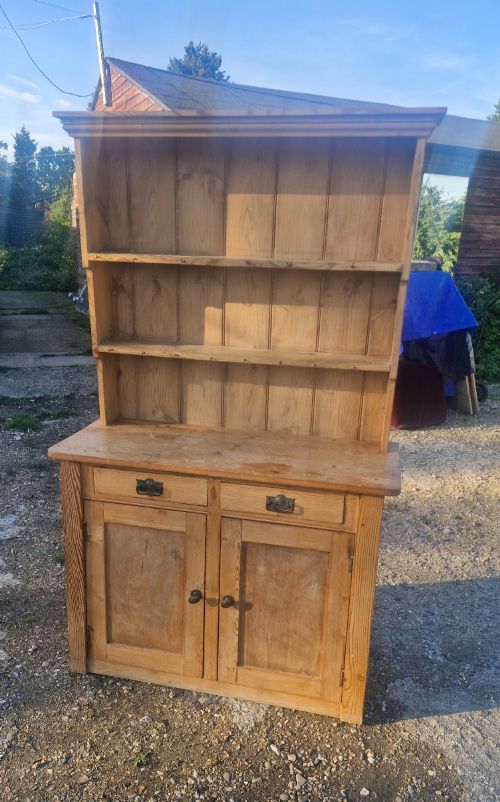
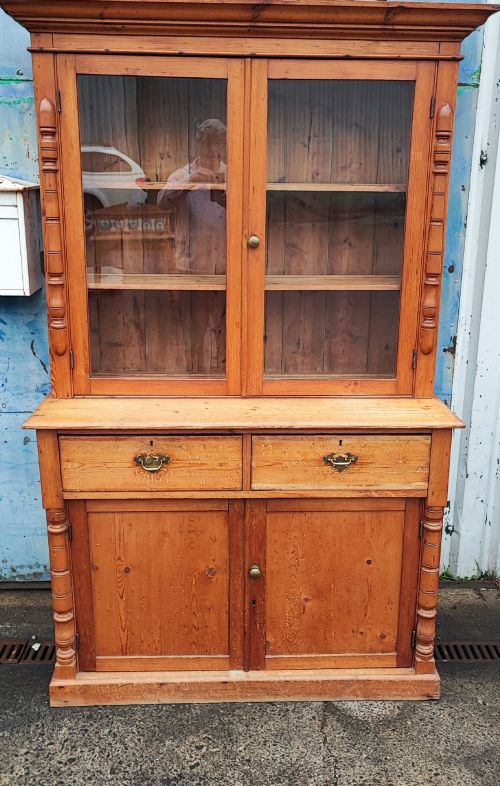

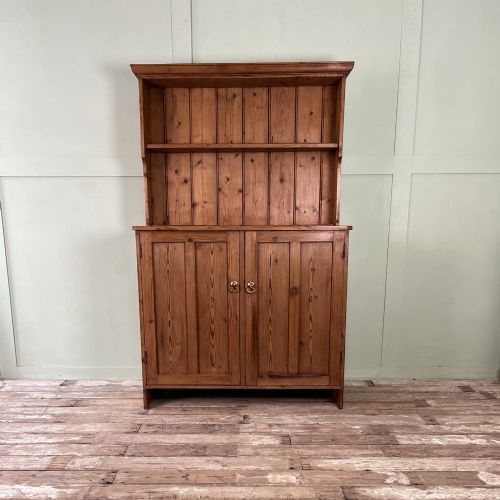
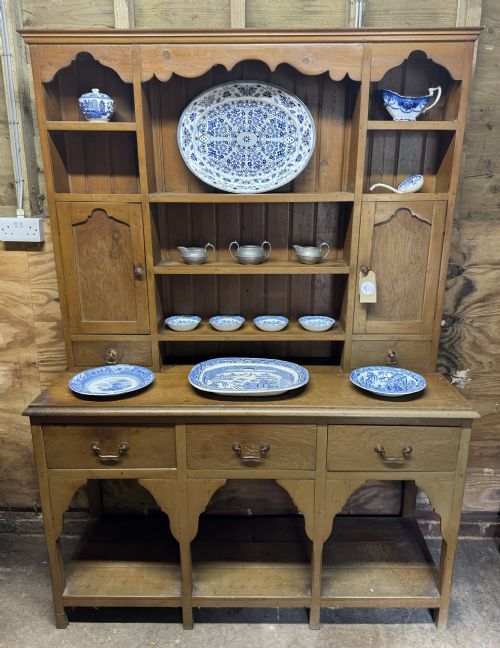



Rustic Pine Display Hutch
These rustic pine display hutch pieces are sturdy country furniture crafted for practical storage, offering honest timber surfaces and straightforward utility for traditional farmhouse interiors.
Rustic Pine Display Hutch
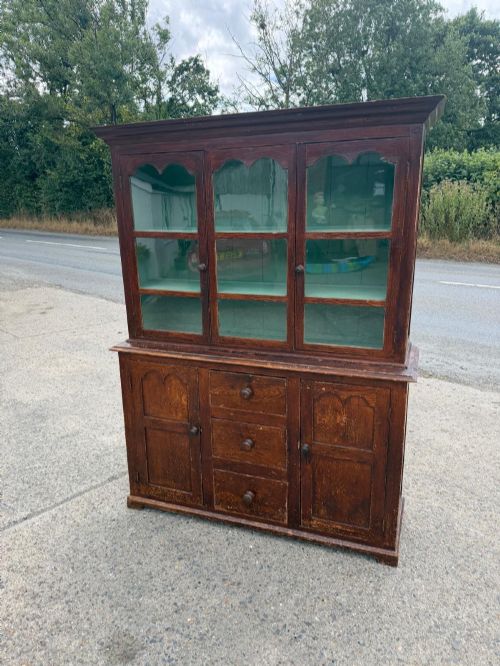
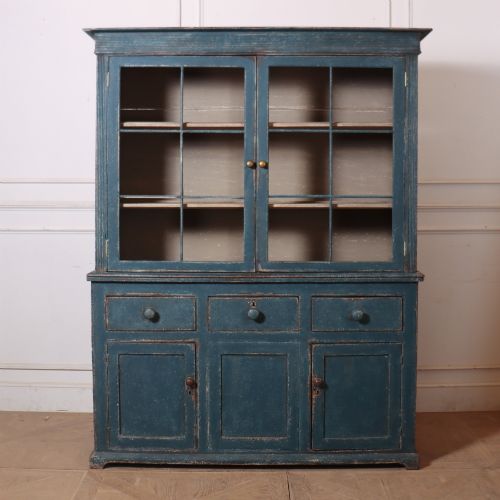
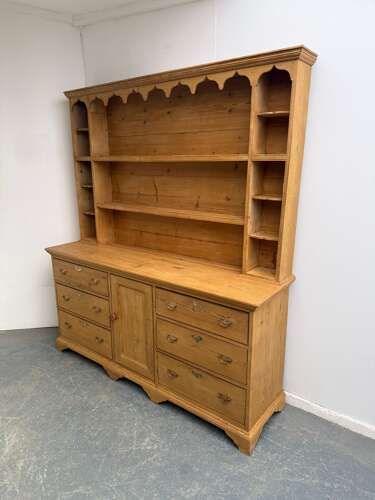
A rustic pine display hutch combines utilitarian storage with open shelving or glazed cabinets designed for domestic use. The pieces appearing here span Georgian, Victorian, and early twentieth-century periods, alongside styles such as English Country, Welsh Vernacular, and European Country.
Most examples function as kitchen dressers or two-section storage cabinets built from solid timber. Buyers encounter regional variations including West Country and Welsh forms, featuring either open plate racks or glass-fronted upper sections.
The construction typically separates into a base cabinet with drawers and cupboards beneath an upper display tier. These items originate from British and European rural traditions where durable pine served everyday domestic needs.
How they were made
Makers utilised solid pine alongside secondary hardwoods like oak and mahogany for structural elements. Iron, brass, and metal hardware such as hinges and drawer pulls secure the two-section carcasses.
Surfaces exhibit traditional finishes including wax coatings, original paint schemes, and stripped timber treatments. Joinery relies on traditional hand-cut joints suited to heavy domestic storage furniture.
Rustic Pine Display Hutch Retail Price Guide 2026
Typical asking prices for rustic pine display hutch among the pieces listed under this phrase on Sellingantiques today, from the lower quarter to the upper quarter. They describe what is for sale here now, not the wider market.
Design styles recorded across the inventory include English Country, Welsh Vernacular, and European Country variations.
What varies in quality
Quality separates through the integrity of the original timber surfaces and the preservation of authentic patina. Pieces retaining their early paint finishes or original waxed pine surfaces stand apart from heavily restored examples.
Structural refinement distinguishes finer vernacular pieces, visible in the proportions of the cornice, the neatness of drawer construction, and the survival of original brass or iron fittings.
The Rustic Pine Display Hutch Glossary
- Welsh Dresser
- A traditional kitchen storage unit featuring base cupboards and drawers surmounted by open plate racks. These regional forms often display distinctive proportions and local timber choices.
- Cornish Dresser
- A specific regional variation of the kitchen dresser associated with West Country cabinet making. They frequently incorporate glazed upper doors or specialised display shelving.
- Patina
- The surface appearance developed through age, wear, and repeated polishing of timber or paint. Original patination indicates a surface largely undisturbed by modern stripping or refinishing.
- Breakfront
- A cabinet design where the central section projects forward from the flanking outer sections. This architectural arrangement adds depth and visual rhythm to larger storage furniture.
- Glazed Top
- An upper cabinet section fitted with glass paned doors to protect displayed ceramics or glassware. These glazed compartments distinguish display hutches from open-shelf dressers.
Rustic Pine Display Hutch: Frequently Asked Questions
What is a rustic pine display hutch?
A rustic pine display hutch is a traditional kitchen dresser or cabinet featuring lower storage cupboards paired with upper display shelving or glazed doors. These pieces derive from country workshops and serve as practical storage.
They reflect regional styles spanning the Georgian, Victorian, and early twentieth-century eras. The construction relies primarily on solid pine with fitted hardware.
How do I date a pine dresser?
Dating relies on examining construction methods, timber characteristics, and hardware types used throughout the carcass. Georgian and Victorian examples show distinct joinery practices compared to early twentieth-century pieces.
Surface treatments such as original wax or early painted layers also provide chronological indicators. Regional variations help place items within specific British or European traditions.
Where were these hutches made?
These pieces originate from rural workshops across Britain and Europe, with specific regional types noted from the West Country and Wales. Local vernacular traditions shaped their proportions and functional design.
Country cabinet makers built them for farmhouse kitchens and rural homes using accessible local timber.
How do I care for waxed pine furniture?
Waxed pine surfaces require gentle cleaning with a soft cloth and occasional applications of appropriate beeswax to maintain the timber. Avoid placing these items near direct heat sources or moisture.
Preserving the original finish protects the underlying timber and maintains the historical character of the piece.