
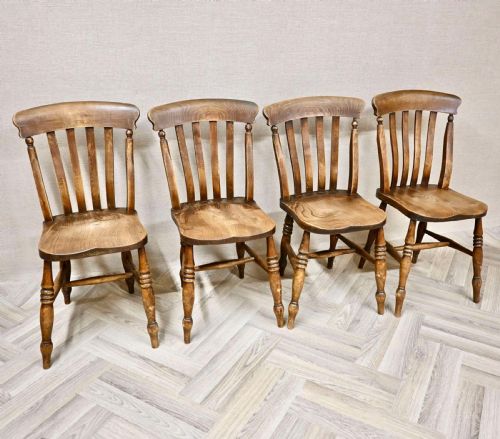
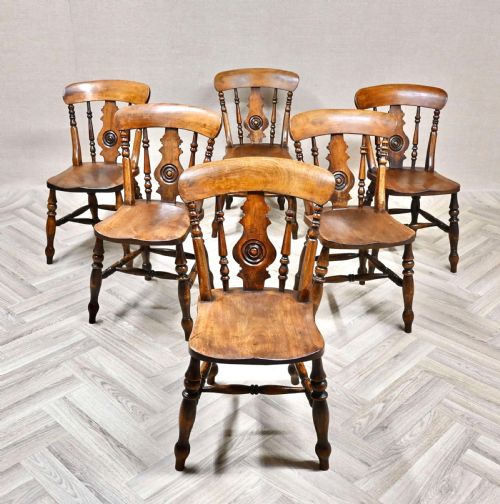
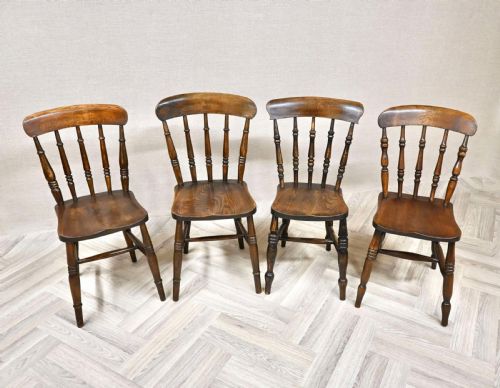
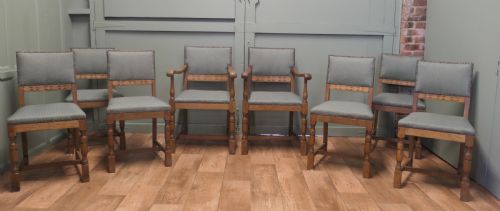

Rustic Oak Side Chairs
These rustic oak side chairs bring honest country character to a dining room, combining sturdy vernacular frames with practical everyday seating.
Rustic Oak Side Chairs
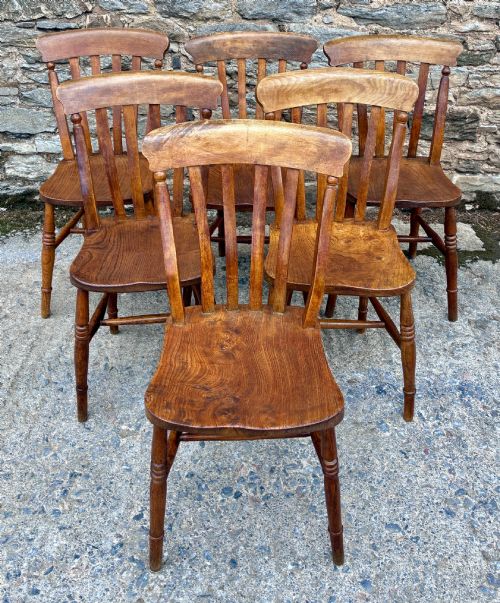
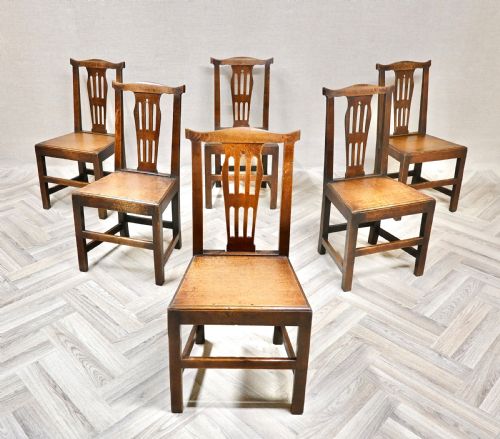
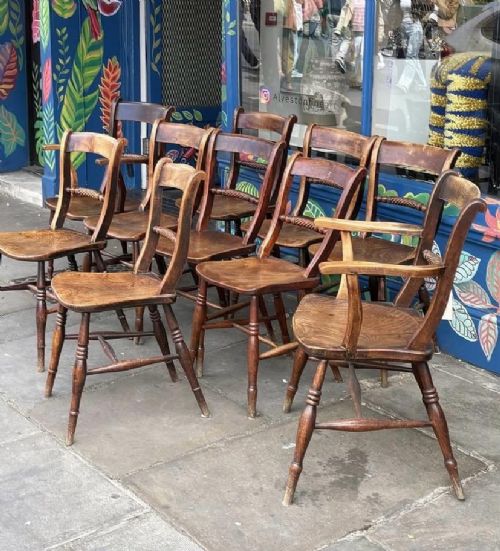
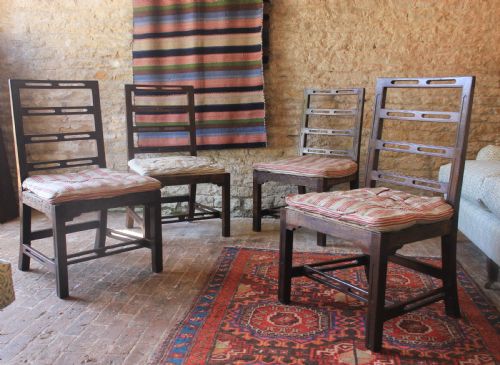
When you search for rustic oak side chairs, you encounter robust seating built for heavy domestic use in farmhouses and country kitchens rather than formal reception rooms. These examples span several centuries, with the nineteenth century heavily represented alongside earlier Georgian and later Arts and Crafts periods.
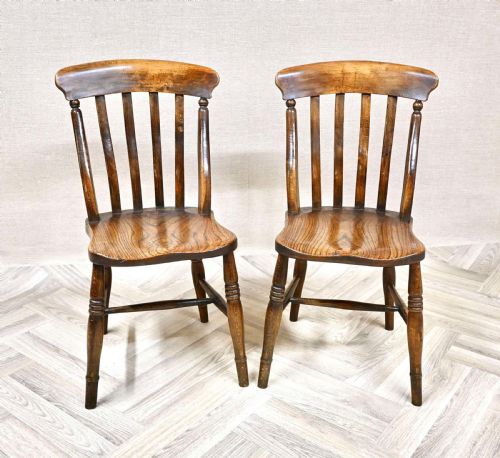
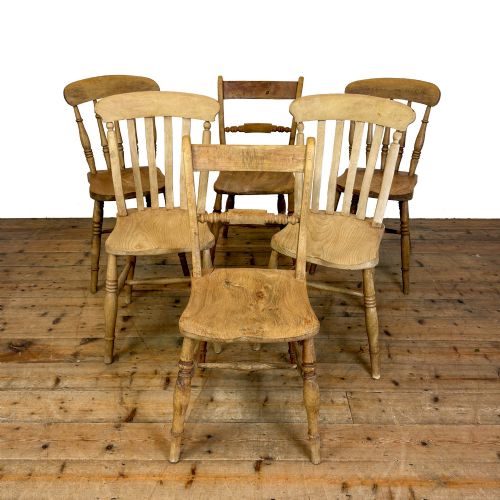
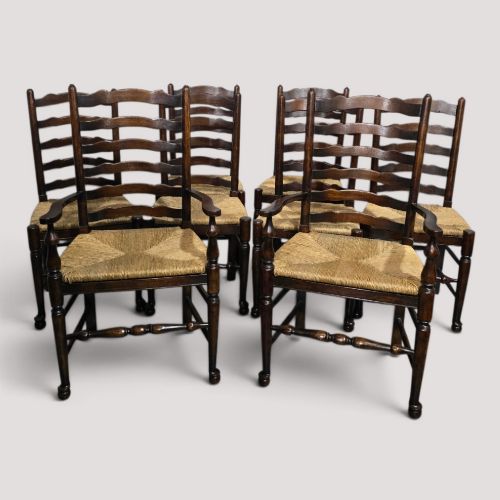
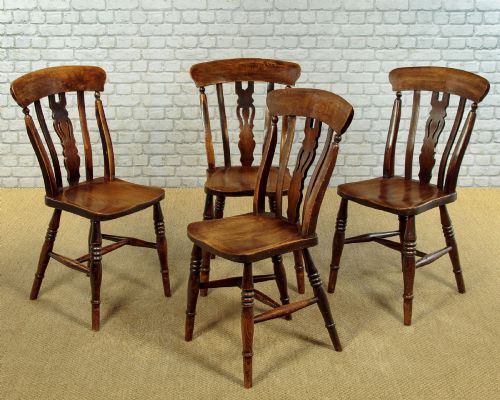
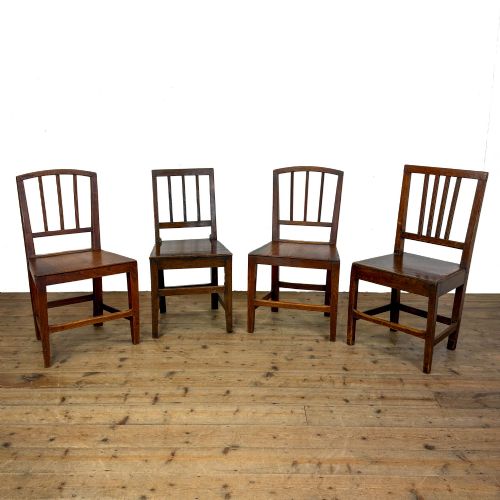
The forms vary from simple ladder backs and lathe backs to Windsor patterns featuring distinct comb or stick construction. Buyers frequently find sets or pairs alongside individual country side chairs suited for everyday dining.
Originating predominantly from English country traditions, these pieces emphasise function and local materials over courtly ornamentation. They remain practical additions to modern interiors seeking a traditional vernacular aesthetic.
Materials and construction
Makers utilised native hardwoods, combining oak for principal frames with elm, beech, ash and pine for seats, spindles and stretchers. This mixed-wood construction provided structural resilience where different components required specific bending or load-bearing properties.
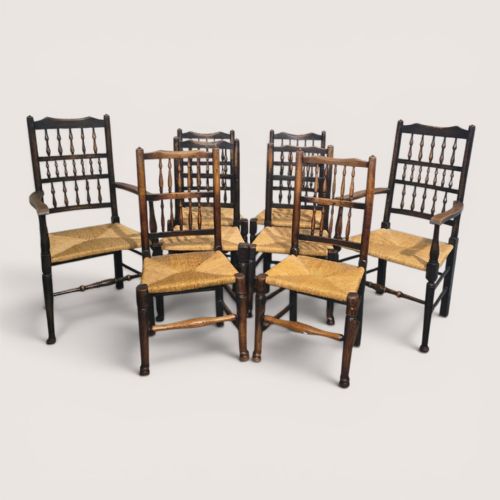
Joinery methods rely on traditional pegged mortise and tenon joints, turned spindles, and solid timber seats shaped with adzes or scorps. Rush seating also appears, offering a woven surface supported by sturdy stretcher frames.
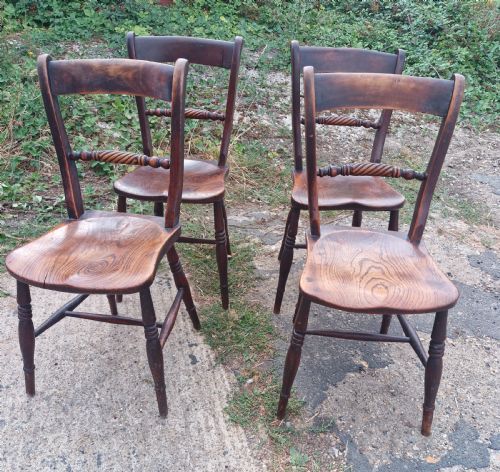
Turned elements such as bobbin details and shaped splats demonstrate local joinery techniques passed down through generations. Surfaces often retain natural grain patination accumulated through decades of domestic service.
Rustic Oak Side Chairs Retail Price Guide 2026
Typical asking prices for rustic oak side chairs among the pieces listed under this phrase on Sellingantiques today, from the lower quarter to the upper quarter. They describe what is for sale here now, not the wider market.
Materials span native hardwoods including ash, beech and pine, alongside traditional woven rush.
Assessing quality and proportion
Quality rests upon timber selection and the integrity of the original construction, where well-chosen oak and elm frames maintain rigidity over centuries of use. Superior examples preserve their matching sets and original surface patination without excessive timber replacement.
Proportion and comfort distinguish finer country chairs from utilitarian workaday seating, particularly in the rake of the back and the shaping of the comb or crest rail. Harlequin sets show subtle variations in height and turning that reflect individual workshop origins.
The clarity of turned details, such as bobbin legs or spindle profiles, separates competent rural joinery from simpler regional work. Original rush seats or well-sculpted solid timber saddle seats further elevate the standing of a piece.
The Rustic Oak Side Chairs Glossary
- Windsor chair
- A chair built with a solid wooden seat into which the legs and back spindles are separately bored and wedged. This technique creates a resilient frame without relying on a central upholstered core.
- Ladder back
- A chair back constructed from horizontal wooden slats or rails set between two vertical uprights. These rails are often curved to fit the contours of the sitter.
- Bobbin turning
- A form of decorative woodwork featuring a series of rounded spheres or discs carved along the length of a stretcher or leg. This technique mimics the appearance of stacked bobbins used in textile spinning.
- Rush seat
- A seating surface woven from dried marsh rushes twisted into cords and laced tightly across the seat rails. It provides a flexible and durable platform for daily dining.
- Lathe back
- A chair featuring flat wooden slats arranged vertically within the back frame rather than turned spindles. These slats offer sturdy support while maintaining a simple country aesthetic.
Rustic Oak Side Chairs: Frequently Asked Questions
How do I care for antique oak chairs?
Keep wooden surfaces nourished by applying a traditional beeswax polish sparingly to maintain the natural grain and protect against drying out in heated rooms. Avoid placing chairs near direct heat sources or in fluctuating humidity.
Inspect joints periodically to ensure pegs remain secure and stable under normal seating loads. Gentle dusting with a soft cloth preserves the historic patination accumulated over generations.
Can I mix different country chairs together?
Harlequin sets of dining chairs have a long tradition in country houses, where families gathered mismatched seating around large farmhouse tables. Combining pieces of similar era and timber creates an authentic interior.
Ensure seat heights align reasonably well for dining comfort while allowing variations in back design to introduce visual texture to the room.
What is a penny seat?
A penny seat refers to a solid wooden saddle seat shaped with a shallow circular depression resembling a large coin. This traditional carpentry technique improves sitting comfort.
Makers carved these contours by hand using specialised adzes to hollow out the elm or pine timber block.
How do I date a rustic chair?
Dating relies on examining construction marks, tool traces, timber shrinkage, and traditional turning styles characteristic of specific periods like the Georgian era or Victorian times. Hand-cut peg holes and adzed seat bottoms indicate earlier vernacular methods.
Comparing spindle profiles and joinery details against documented regional furniture types helps establish a reliable timeline.