
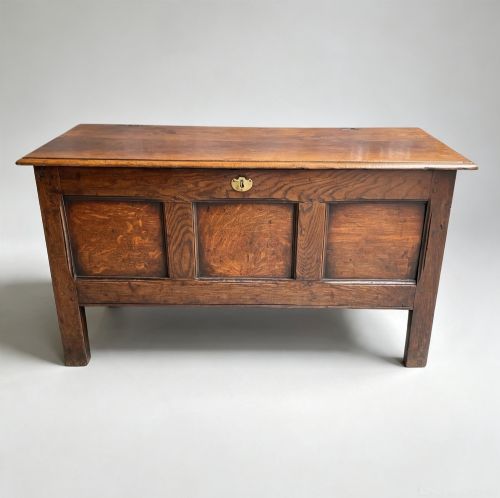
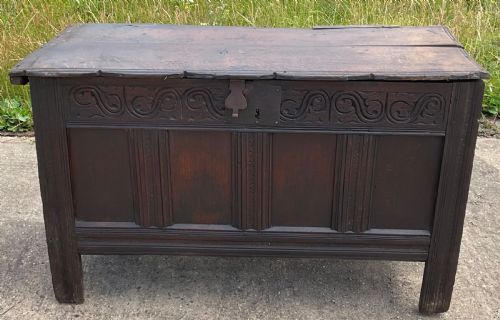
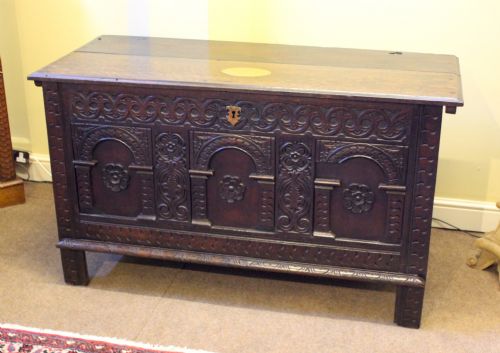
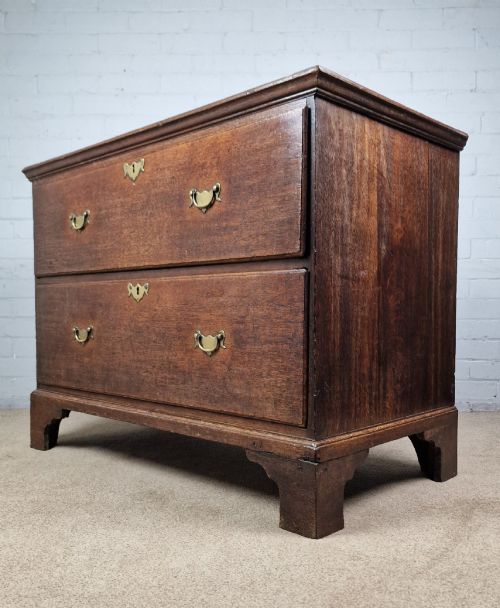
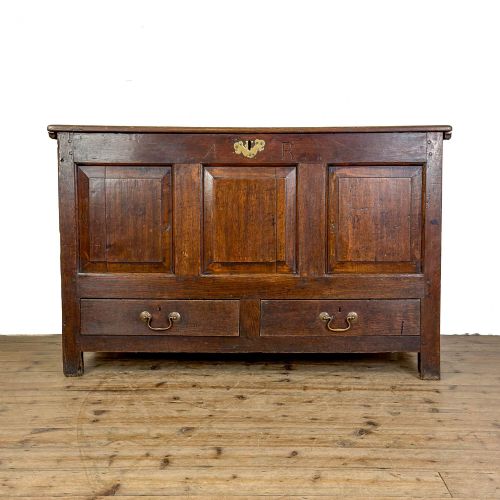


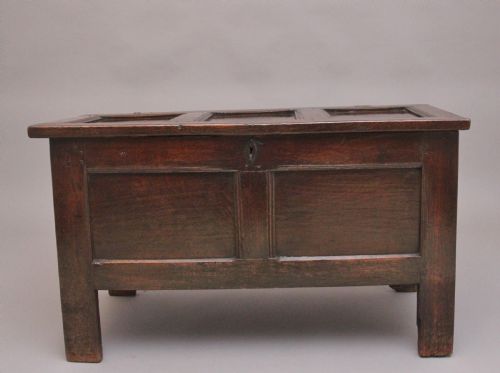

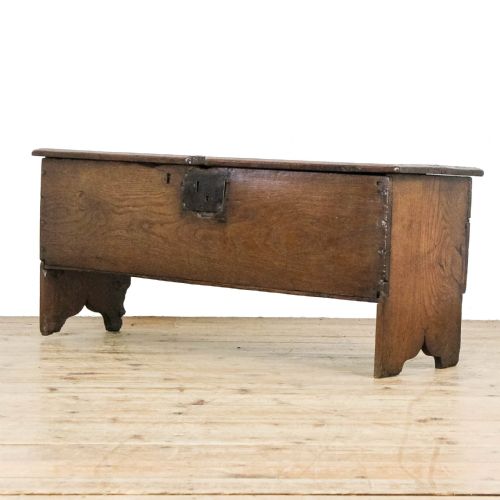


Rustic Oak Mule Chest
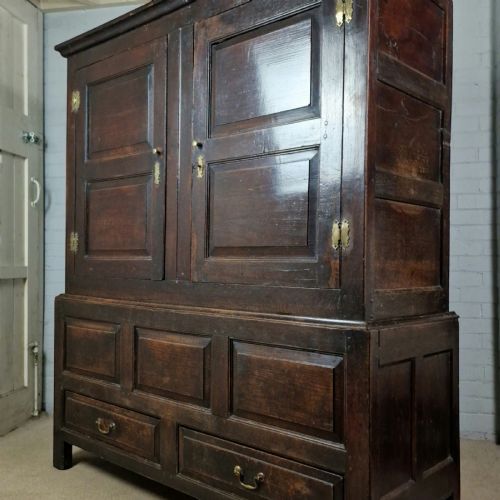
A rustic oak mule chest combines deep blanket storage with base drawers, bringing rugged character to any interior.
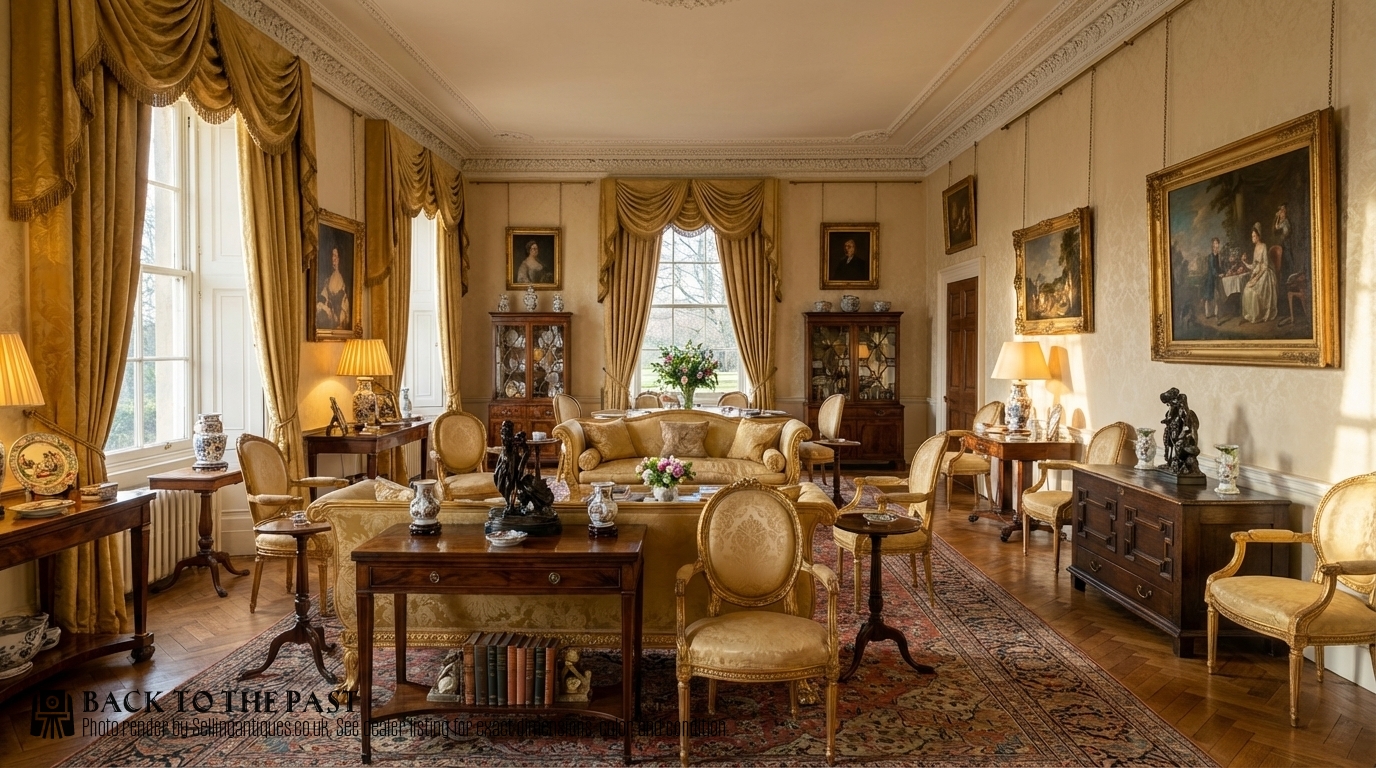
Rustic Oak Mule Chest
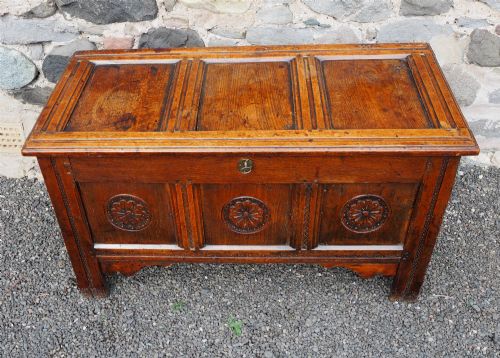
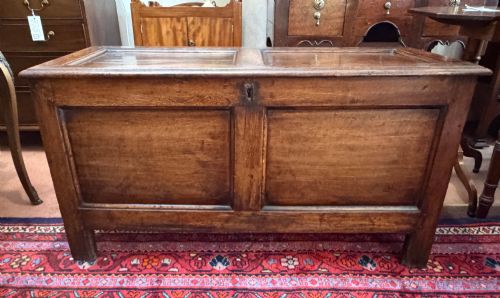
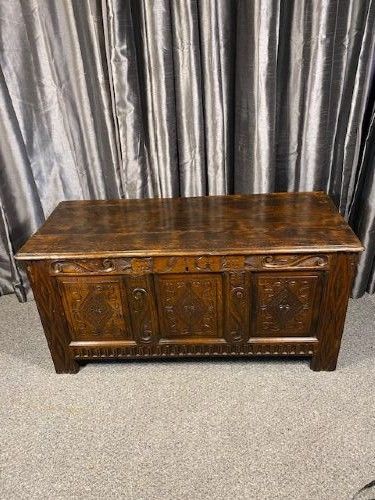
A rustic oak mule chest forms part of a wider tradition of boarded and panelled storage furniture appearing across the seventeenth, eighteenth and nineteenth centuries. Buyers searching for a rustic oak mule chest will encounter robust vernacular forms that evolved from simple coffers by adding one or more drawers beneath the main storage compartment.
The pieces on this page span several stylistic designations including Georgian, Jacobean, and Welsh Country origins. Most examples date from the eighteenth century, showing heavy panel construction and straightforward utility suited for domestic linens and garments.
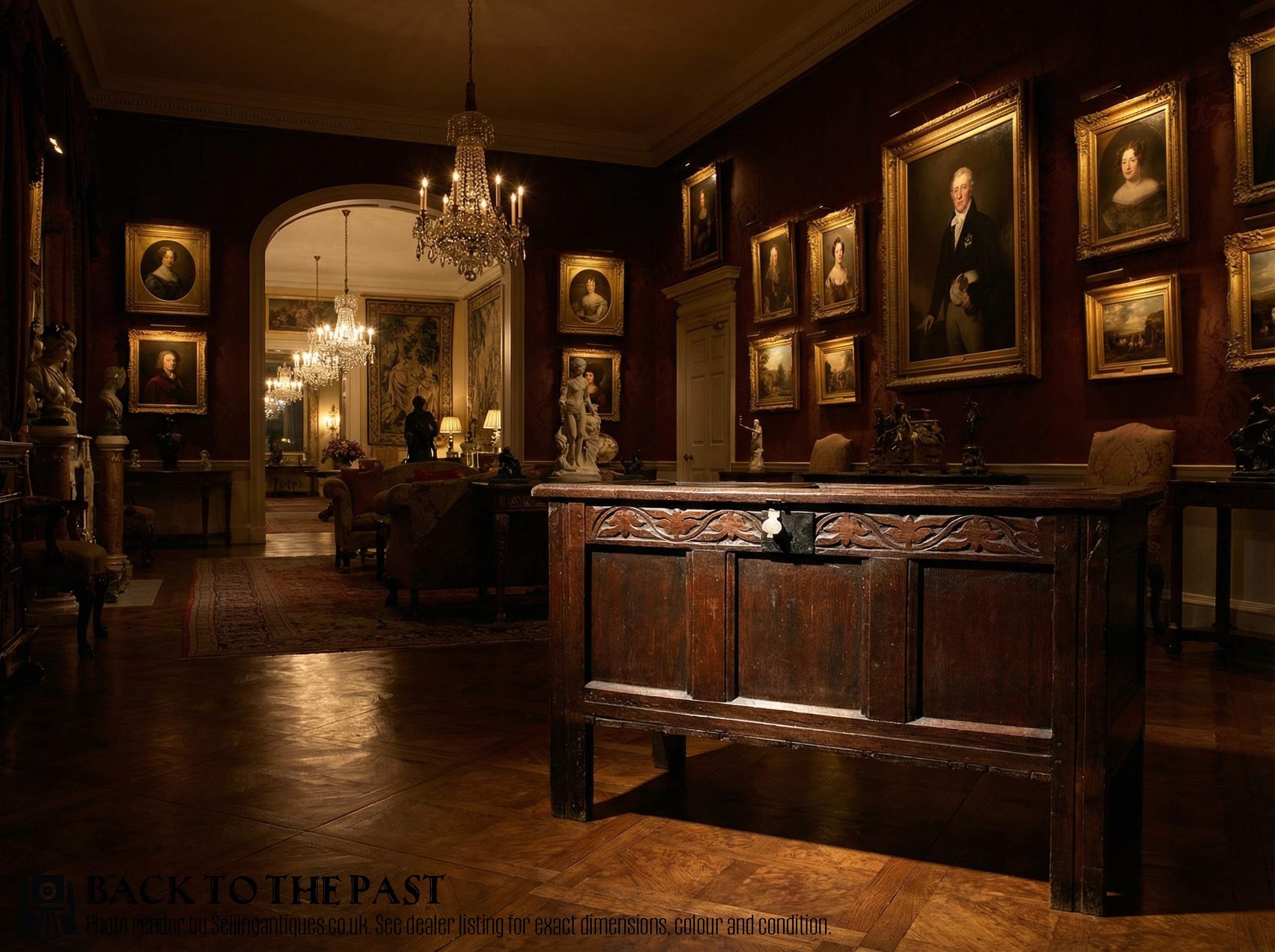
What varies in quality
Quality in these chests rests on the integrity of the timber selection and the retention of original structural elements. Superior examples display dense, well-figured oak boards with minimal replacement to the baseboards, feet, and internal candle boxes.
The refinement of the joinery and carving distinguishes workshop tiers, moving from plain boarded boxes to sophisticated joined frames with moulded cornices and panelled drawer fronts. Alterations to hinges, locks, or the height of the base alter the historical balance of the piece.
Current listings feature pieces spanning the seventeenth, eighteenth, and nineteenth centuries, constructed predominantly in solid oak with brass and iron hardware.
The Rustic Oak Mule Chest Glossary
- Mule chest
- A storage chest fitted with one or more drawers at the base beneath the main lift-lid compartment. This form bridges the traditional coffer and the chest of drawers.
- Coffer
- A heavy wooden chest traditionally used for storing valuables, documents, or textiles. Early examples feature boarded construction before panelled frames became standard.
- Joined oak
- Furniture constructed using mortise and tenon joints secured with wooden pegs rather than simple nails. This technique provides superior structural stability for heavy hardwood pieces.
- Candle box
- A small internal compartment fixed inside a chest to store small items away from main linens. It often lifts out or sits quietly in the corner under the lid.
Rustic Oak Mule Chest: Frequently Asked Questions
How do I date an oak chest?
Dating relies on observing construction methods, joinery types, and hardware styles across the piece. Seventeenth-century examples often feature boarded construction or heavy geometric panels, while eighteenth-century pieces show refined frames and fielded panels.
Tool marks, timber shrinkage, and the type of hinges provide further clues to the period of manufacture.
Where were these chests made?
These chests were produced by local joiners and country workshops across Britain and parts of Europe. Regional styles often reflect available timber resources and local aesthetic preferences, such as Welsh Country or Georgian vernacular designs.
Craftsmen utilised native hardwoods like oak and occasional burr elm to build sturdy furniture for everyday household storage.
How do I care for antique oak?
Antique oak benefits from stable indoor humidity and protection from direct sunlight and heat sources. Applying traditional beeswax occasionally helps nourish the timber and maintain a soft, natural lustre without sealing the grain.
Avoid modern liquid polishes containing silicones, which can penetrate porous historic surfaces and alter the finish permanently.