

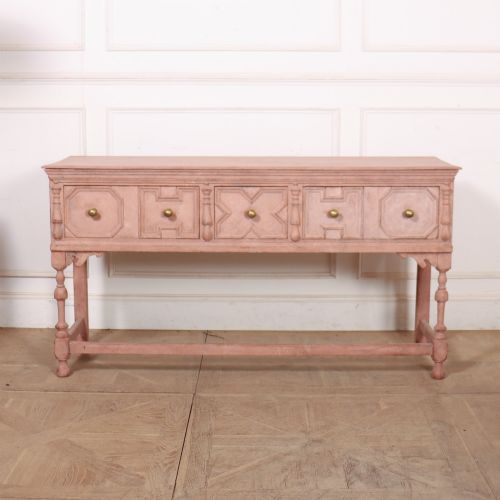
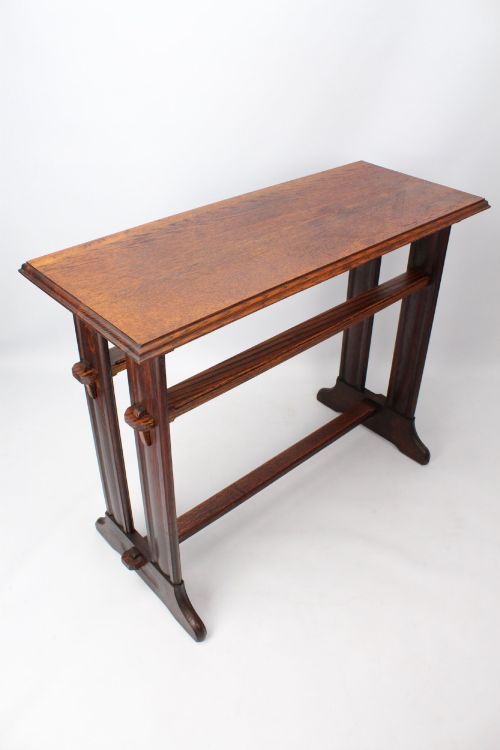
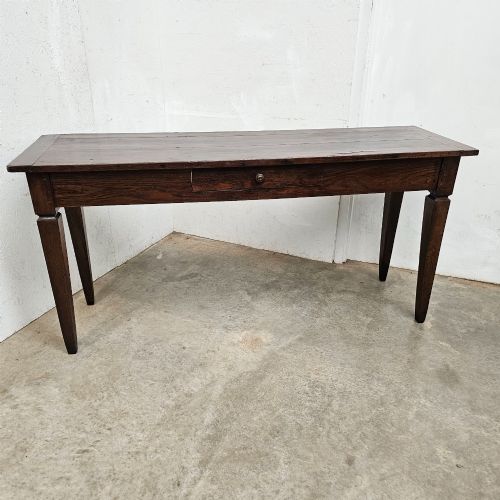
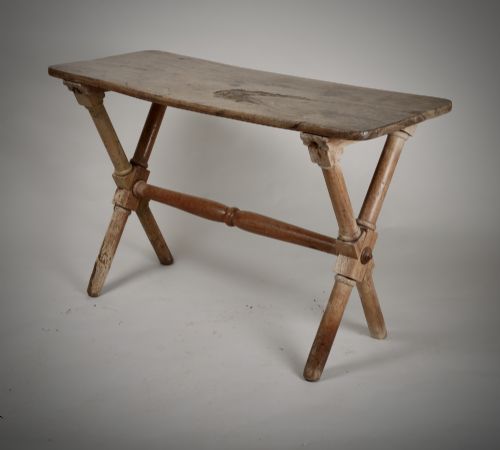
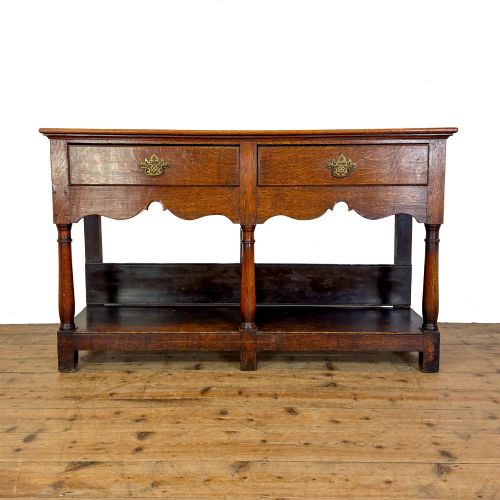


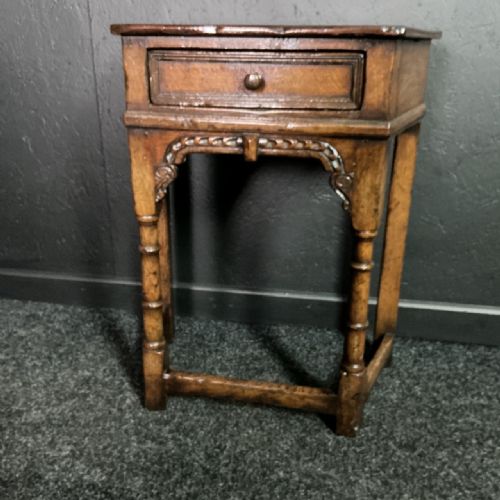
Rustic Oak Hall Table
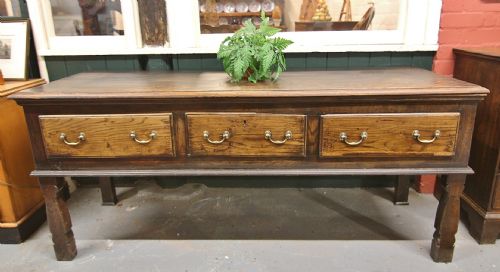
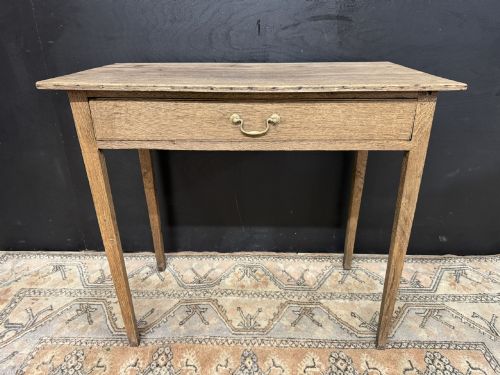
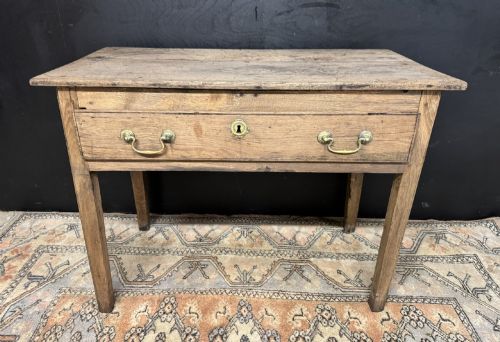
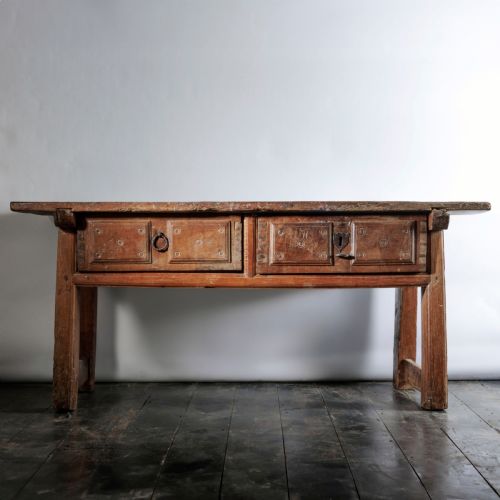
A rustic oak hall table brings sturdy utility and rich grain to an entrance, grounding the space with centuries of domestic history.
Rustic Oak Hall Table
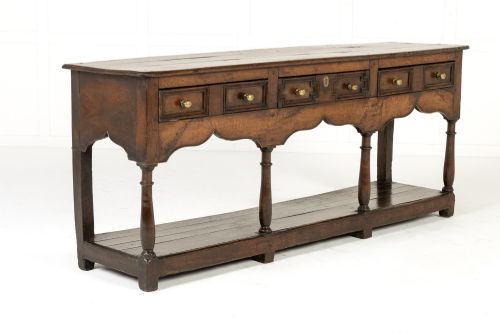
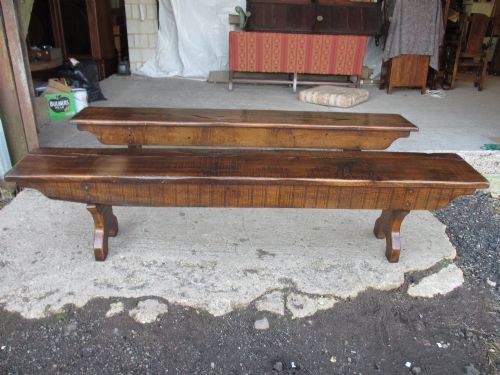
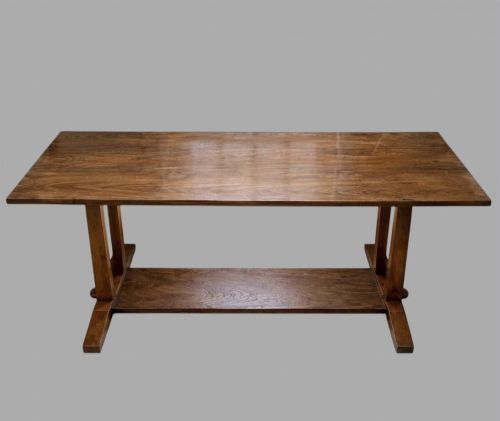
A rustic oak hall table is essentially a durable surface designed for narrow thoroughfares, drawing on traditional forms like side tables, console tables, and dresser bases. When searching this phrase, buyers encounter pieces spanning from the seventeenth century through the Edwardian era and the 1920s.
The most frequent examples on this page are eighteenth-century side tables and nineteenth-century dresser bases adapted for modern corridors. These items combine straightforward rectangular proportions with the robust character inherent in country furniture traditions.
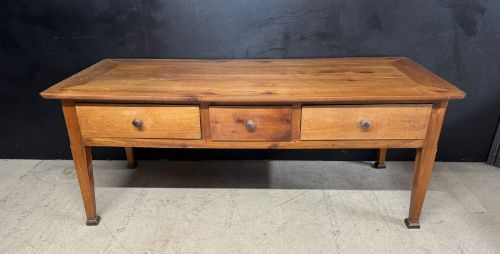
Origins stretch across English, Welsh, French, and Spanish workshops, reflecting diverse regional interpretations of rural craftsmanship. Such tables range from simple plank-top boards to variants fitted with single drawers and lower potboards.
Assessing Quality and Character
Quality rests in the integrity of the timber selection and the honesty of the construction. Tables retaining their original plank tops and uncompromised structural framing command greater respect than heavily altered examples.
Subtle markers include the depth of the oak's patination and the harmony of regional proportions. The transition from simple utility to refined country style differentiates standard utilitarian work from exceptional vernacular pieces.
Rustic Oak Hall Table Retail Price Guide 2026
Typical asking prices for rustic oak hall table among the pieces listed under this phrase on Sellingantiques today, from the lower quarter to the upper quarter. They describe what is for sale here now, not the wider market.
Several tables retain generations of ink stains from ledger writing in old provincial taverns.
The Rustic Oak Hall Table Glossary
- Potboard
- An open lower shelf fitted beneath a dresser base or serving table. It was traditionally used for storing pots and heavy domestic utensils.
- Plank top
- A table surface constructed from broad, solid boards of timber joined edge to edge. This method provides a robust and stable work area.
- Dresser base
- A low sideboard or table fitted with drawers along the upper section. These pieces originate from farmhouse kitchens and dining halls.
- Tavern table
- A sturdy, heavy-legged table historically found in public houses. They typically feature utilitarian wooden frames built for heavy communal use.
- Bleached oak
- Timber that has been lightened in tone through natural ageing or chemical treatment. This finish highlights the natural grain pattern of the wood.
Rustic Oak Hall Table: Frequently Asked Questions
Where should I place a rustic oak hall table?
These tables suit narrow entranceways, corridors, and reception rooms where a shallow footprint is required. Their sturdy construction handles daily placement of keys, post, and decorative items.
Ensure you measure the available walkway space carefully before choosing, as depth varies significantly between simple side tables and deeper dresser bases.
How do I clean and maintain antique oak?
Dust the surface regularly with a soft, dry cloth to prevent dirt accumulation in the grain. Avoid modern silicone sprays and harsh chemical polishes.
Feed the timber occasionally with traditional beeswax to preserve the patination and protect the dry oak surface from moisture damage.
How can I tell an eighteenth-century table from a later reproduction?
Examine the underside and drawer construction for hand-cut joints, irregular tool marks, and timber shrinkage consistent with age. Eighteenth-century examples display natural wear patterns earned through generations of domestic use.
Later revivals from the Edwardian period or the 1920s often utilise machine-sawn components and show more uniform surface characteristics.
What is the difference between a side table and a console table?
Side tables are traditionally freestanding pieces designed to sit against any wall within a room. Console tables historically relied on wall fixings or brackets for stability, though many antique variants now stand independently.
In modern usage, both terms frequently describe narrow rectangular tables placed in hallways.