
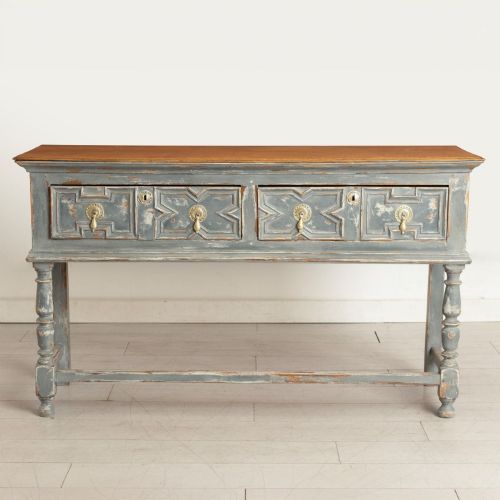
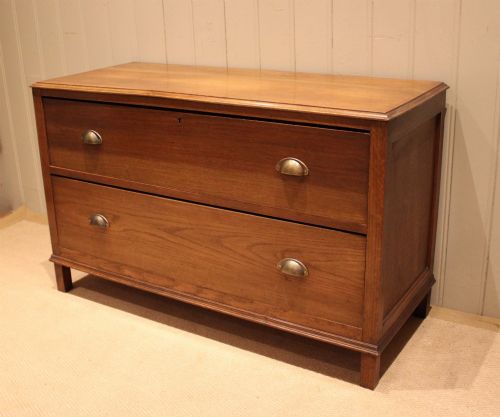
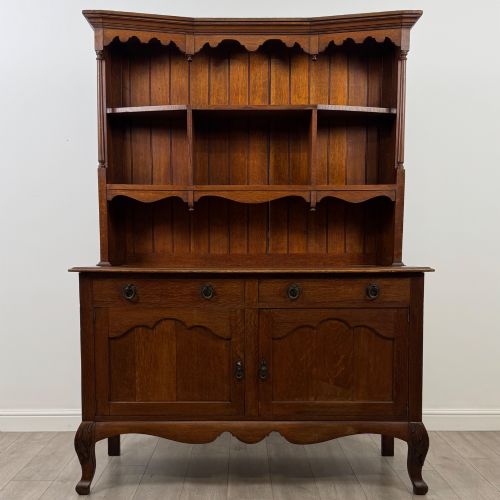
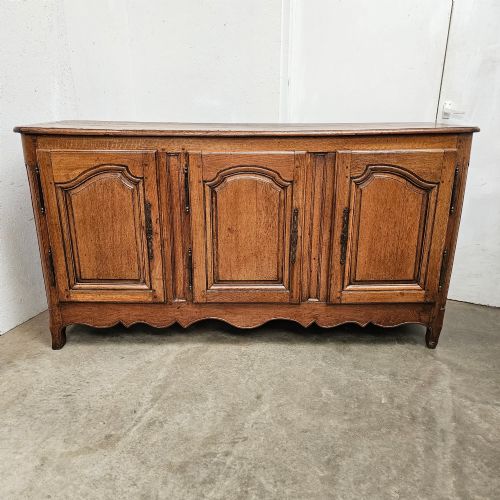
Rustic Oak Dresser
A rustic oak dresser brings honest grain, enduring timber and practical storage into a room.
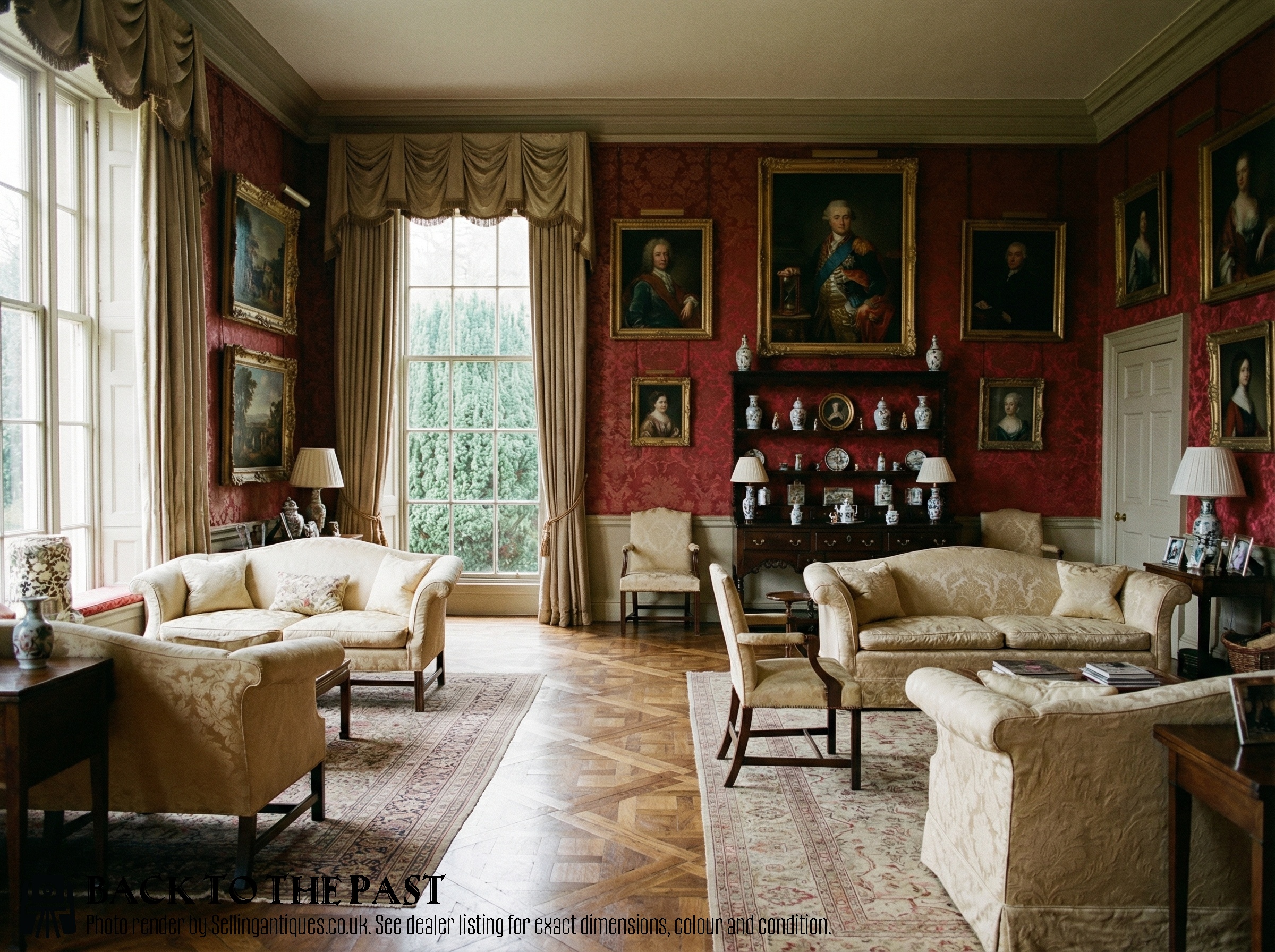
Rustic Oak Dresser
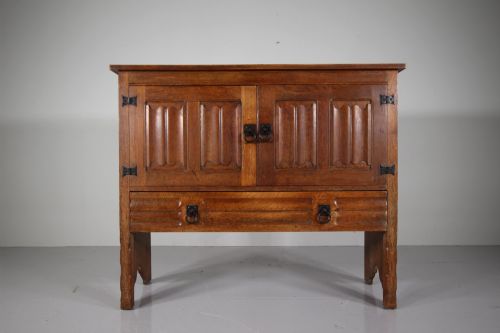
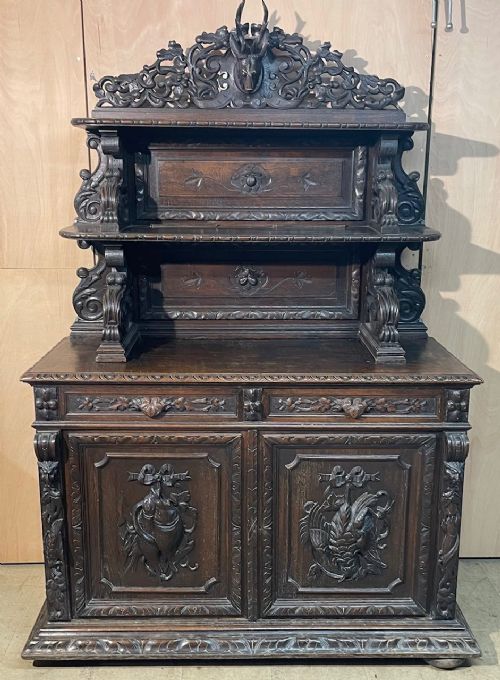
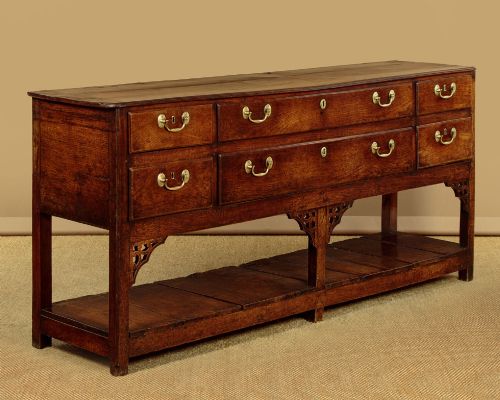
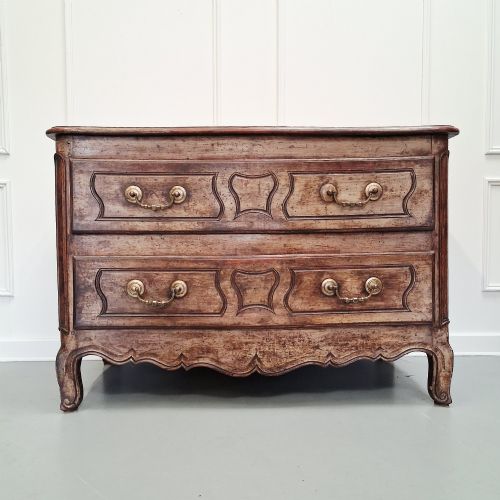
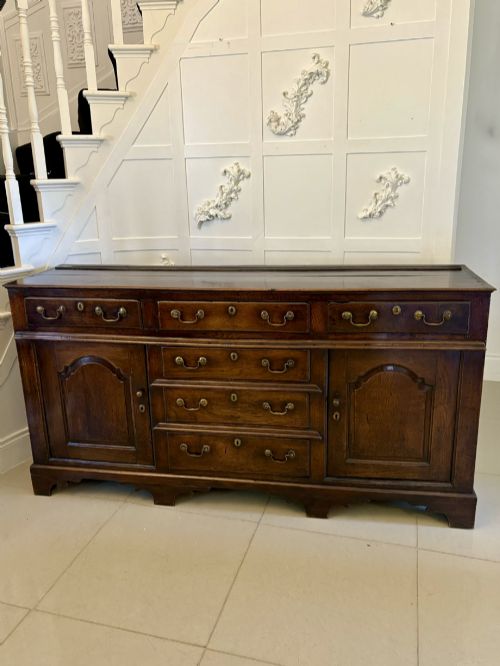
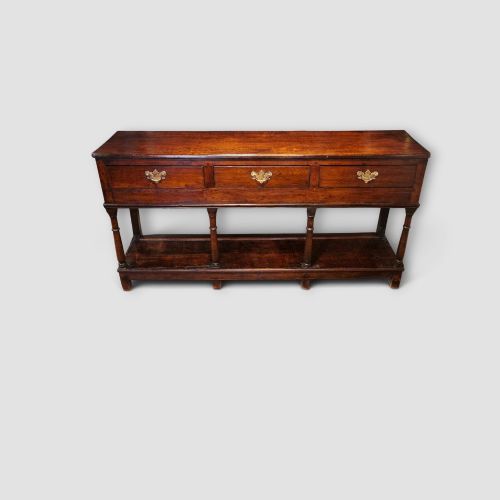
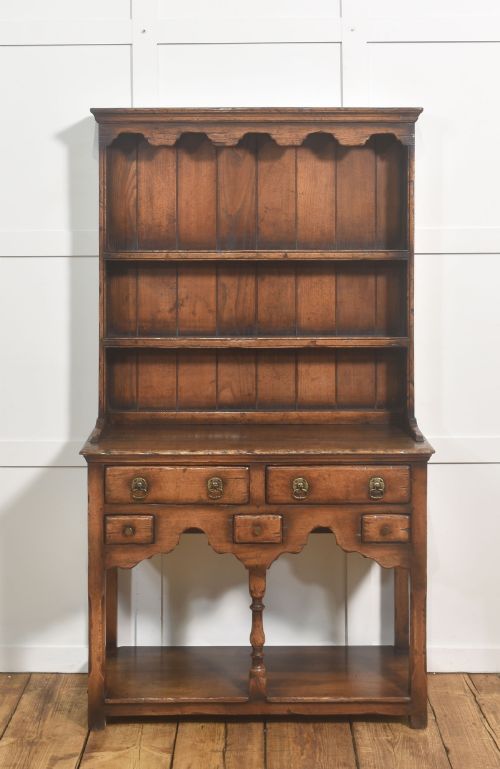
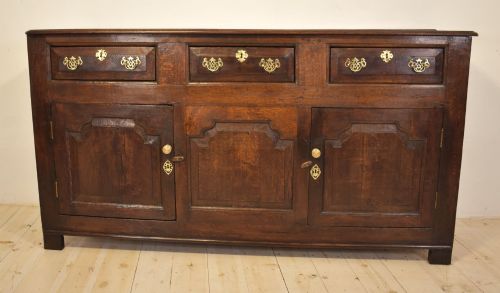
A rustic oak dresser is a substantial storage piece built primarily from solid oak, combining lower drawers or cupboards with upper plate racks in many traditional examples. Buyers searching for a rustic oak dresser typically encounter forms ranging from eighteenth-century Welsh and English farmhouse bases to nineteenth-century provincial designs.
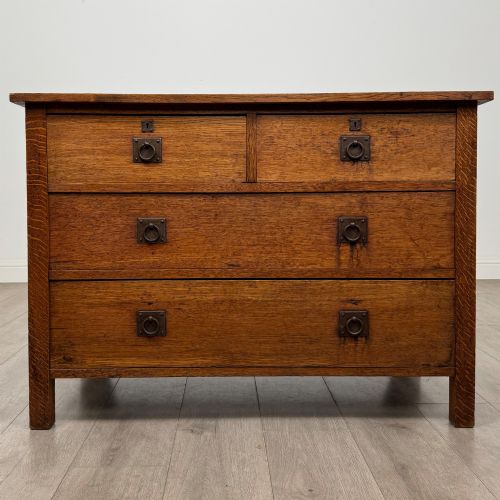
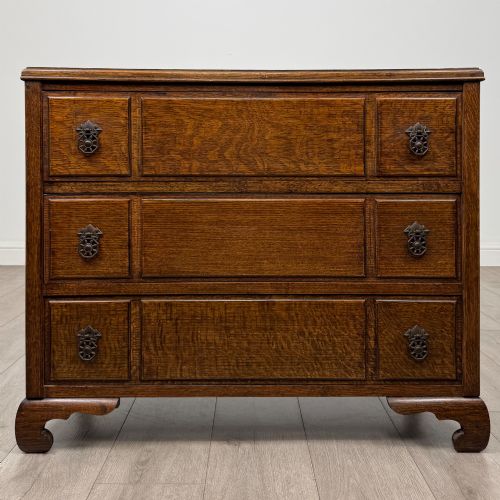
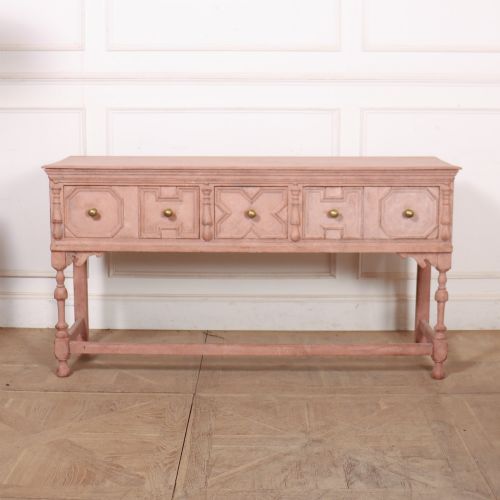
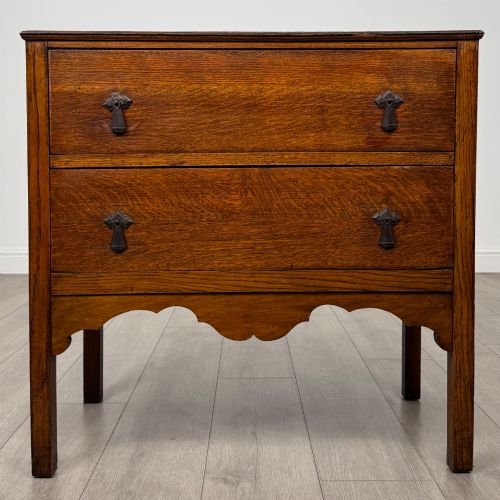
The pieces appearing on this page span the eighteenth and nineteenth centuries, alongside Edwardian revivals and early twentieth-century interpretations. English country and French provincial styles dominate, offering deep patination and honest construction developed through decades of daily use.
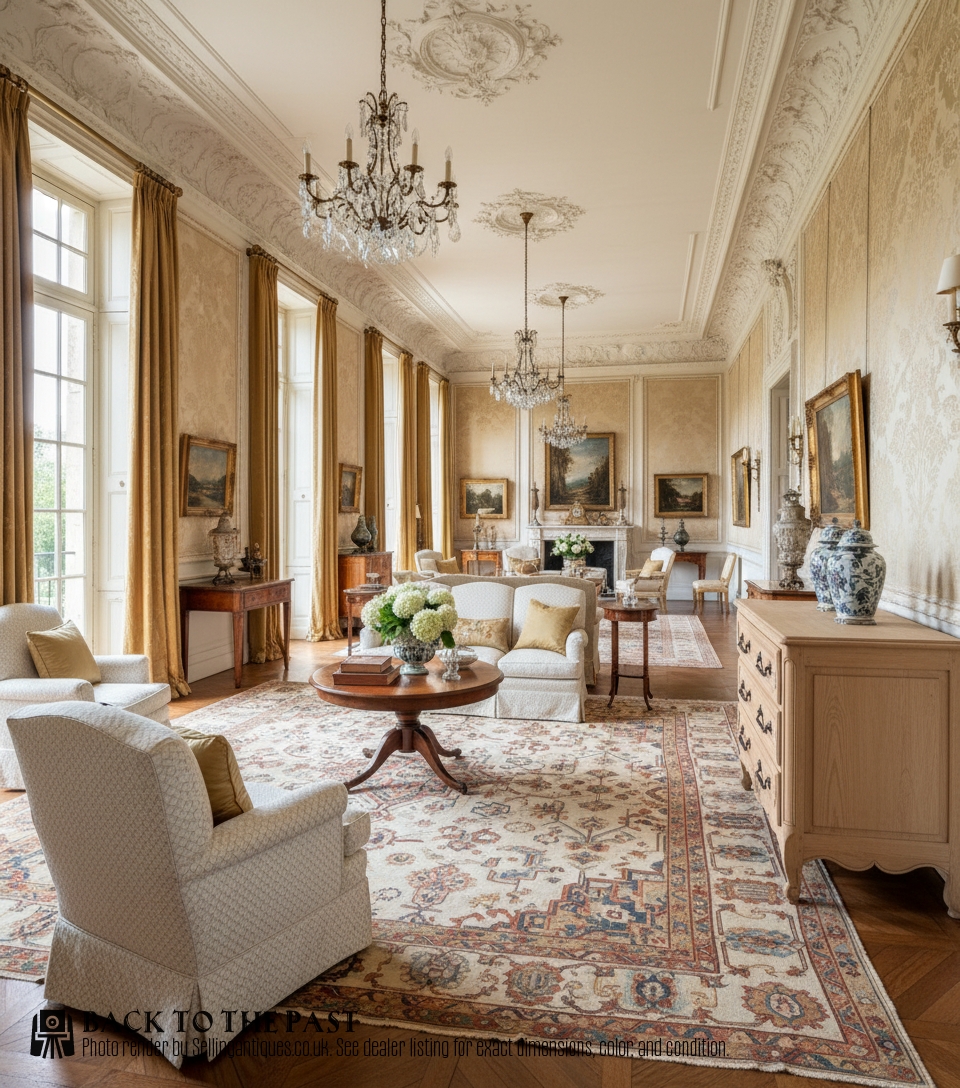
How they were made
Cabinet makers utilised solid timber, framing heavy oak boards with traditional pegged mortise and tenon joints to withstand decades of domestic work. Secondary timbers such as pine occasionally appear in internal drawer linings or backing boards.
Hardware typically consists of forged iron or cast brass drop handles and hinges, complementing the heavy timber construction. Surface finishes rely on natural wax and centuries of handling rather than modern synthetic varnishes.
Rustic Oak Dresser Retail Price Guide 2026
Typical asking prices for rustic oak dresser among the pieces listed under this phrase on Sellingantiques today, from the lower quarter to the upper quarter. They describe what is for sale here now, not the wider market.
Many old oak boards still bear the faint parallel ridges left by pit saws before mechanical mills took over.
What varies in quality
Quality rests in the integrity of the timber selection and the restraint of subsequent restoration. Pieces retaining their original boarded backs, unblemished potboards and honest patination stand apart from examples stripped harshly or rebuilt with replacement timber.
Proportion and scale dictate the visual success of the piece, with smaller country cupboards and well-balanced Welsh dressers commanding greater appreciation than later, heavy-handed revivals.
The Rustic Oak Dresser Glossary
- Dresser base
- A low cabinet featuring drawers and cupboards without the upper plate rack. This form served as a primary food preparation and storage surface in farmhouse kitchens.
- Potboard
- An open slatted lower shelf incorporated into dresser bases. Makers designed this space to hold heavy earthenware pots and utensils.
- Delft rack
- The tiered wooden shelving unit mounted above a dresser base to display ceramic plates and platters. These racks formed an integral part of formal and country dining arrangements.
- Enfilade
- A long sideboard or cabinet featuring multiple doors in a continuous line. French provincial examples often utilise this layout for dining room storage.
- Patina
- The deep, lustrous surface sheen developed on oak timber through decades of cleaning, waxing and human touch. This quality cannot be replicated by artificial ageing.
Rustic Oak Dresser: Frequently Asked Questions
How do I date an oak dresser?
Examine the construction methods visible within the drawer linings and backboards, noting hand-cut dovetails and pegged joints. Tool marks and timber shrinkage patterns often point toward eighteenth or nineteenth-century origins.
Style shifts also offer clues, as Georgian pieces favour clean architectural lines while later Edwardian revivals incorporate decorative carvings influenced by the Arts and Crafts movement.
What is a potboard base?
A potboard base is an open lower shelf built directly above the floorboards beneath the main drawer section. It provided stable storage for heavy pots and kitchen utensils in traditional country houses.
This open staging area differentiates many earlier eighteenth-century Welsh and English dressers from later enclosed sideboards.
Can I separate the plate rack?
Many traditional dressers comprise two separate sections where the upper plate rack simply rests upon the lower dresser base. However, some provincial examples feature integrated framing that binds the top and bottom permanently.
Check the point where the rack meets the base to determine if the units were built as a single carcass or paired together later.
How do I care for rustic oak?
Maintain the timber by applying natural beeswax sparingly and buffing with a soft cloth to nourish the dry grain. Avoid placing the piece near direct heat sources or strong sunlight, which causes oak boards to split.
Regular dusting prevents grime accumulation in the deep crevices of carved panels and moulded edges.