



Rustic Oak Desk Chair
A rustic oak desk chair brings genuine vernacular character to a workspace, offering sturdy timbers and traditional joinery.
Rustic Oak Desk Chair
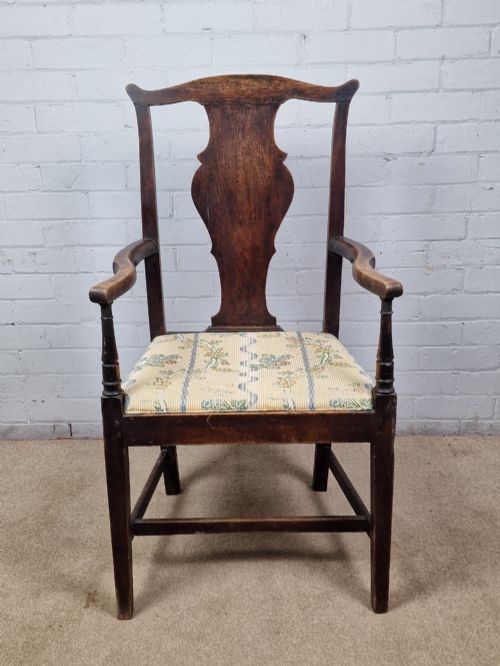
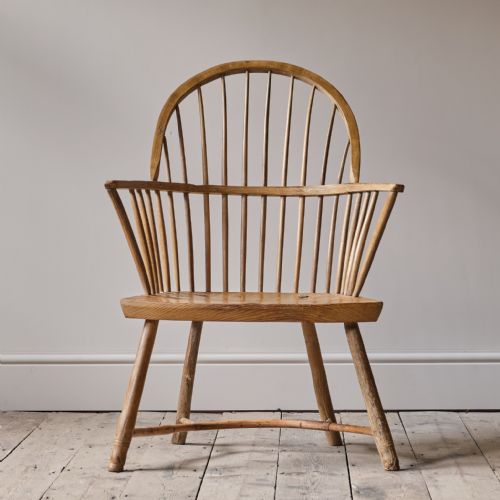
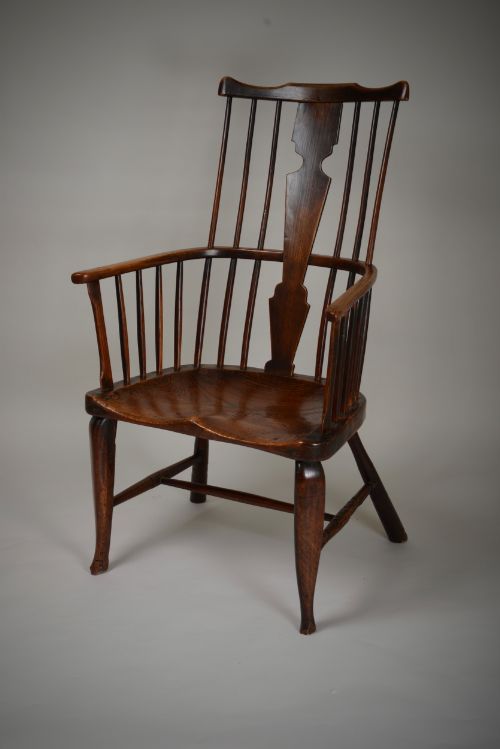
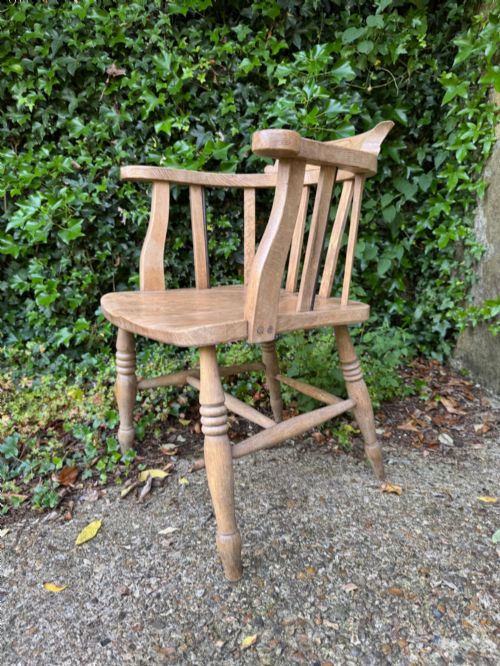
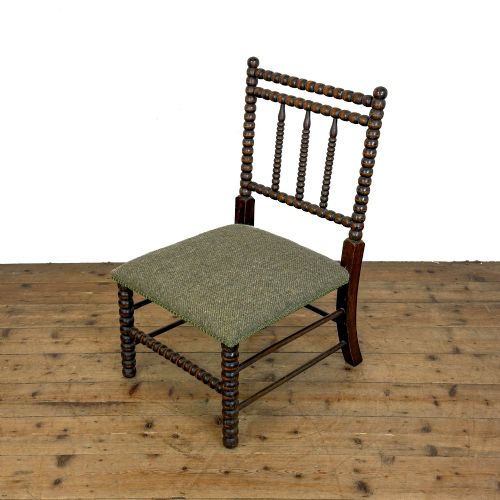
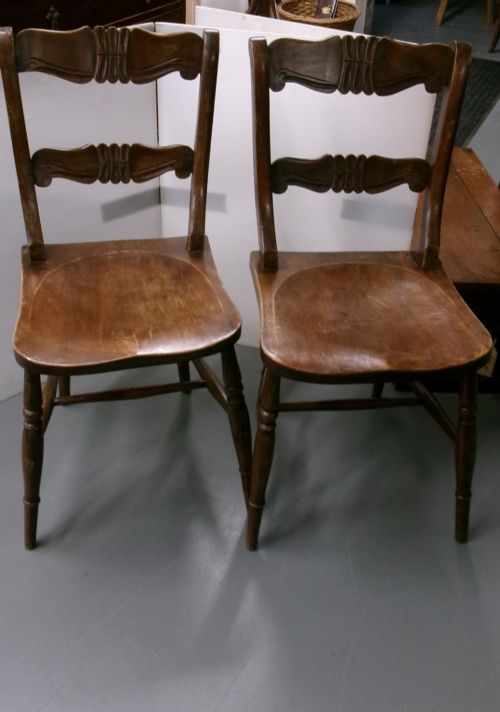
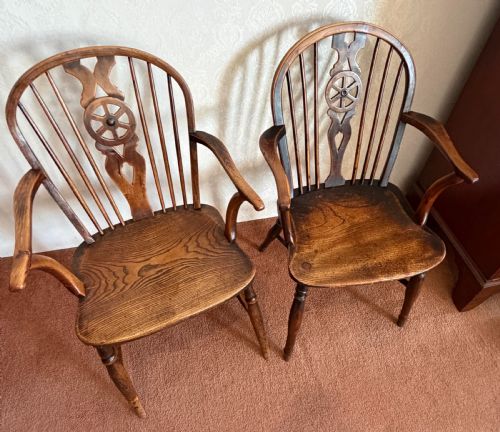
When you search for a rustic oak desk chair, you are looking at sturdy wooden seating rooted in country vernacular traditions. The pieces available span the eighteenth and nineteenth centuries, taking forms such as Windsor armchairs, Captain's chairs, and splat lathe back fireside chairs.
You are most likely to meet elm, ash, and oak seating featuring turned spindles, comb backs, or wheel backs. These utilitarian forms served practical purposes in farmhouses and country houses before finding a place at modern desks.
Originating from English country workshops, Welsh vernacular traditions, and Georgian periods, these chairs combine robust construction with functional workspace suitability. The selection includes corner chairs, smokers bows, and elbow chairs adapted for daily use.
What varies in quality
The distinction between standard utility seating and finer workshop production lies in timber selection and structural harmony. Superior examples display carefully matched grain patterns in the seat plank and well-proportioned turned legs.
The integrity of the original joints and the crispness of the spindle turnings determine the overall standard. Pieces retaining their initial surface patination and uncompromised timber thickness stand above those with excessive replacement parts.
Listings feature eighteenth-century George III pieces alongside nineteenth-century Victorian vernacular items, constructed from oak, elm, ash, and beech.
The Rustic Oak Desk Chair Glossary
- Windsor chair
- A chair built with a heavy solid wooden seat into which the legs and back spindles are direct-tenoned. This vernacular form developed numerous regional variations across England and Wales.
- Smoker's bow
- A low-backed Windsor derivative with a continuous curved armrail supported by turned spindles. These sturdy elbow chairs often served in domestic smoking rooms or offices.
- Vernacular
- Objects designed by regional makers following local traditions rather than academic architectural styles. These practical pieces prioritise function and local material availability.
- Comb back
- A Windsor chair variation where the top rail resembles the spine of a comb, holding vertical spindles rising through the headrest. This regional layout provides robust back support.
- Lathe back
- A chair construction method utilising turned wooden spindles or vertical splats secured between a solid seat and a top rail.
Rustic Oak Desk Chair: Frequently Asked Questions
Can I use an antique country chair at a modern desk?
Many of these wooden armchairs and smokers bows fit comfortably beneath standard modern desk heights. Their sturdy proportions provide reliable support for daily tasks.
Check the seat height and arm clearance of the specific chair to ensure it pairs correctly with your workspace surface.
How do I care for an old elm or oak seat?
Maintain the timber by applying traditional beeswax periodically to nourish the dry wood and preserve the surface finish. Avoid placing the chair near direct heat sources that cause timber shrinkage.
Keep the room humidity stable to protect ancient glue joints and prevent the solid wood from splitting.
What is the difference between a Windsor and a captain's chair?
Windsor chairs feature distinct construction where individual legs and back spindles insert directly into a thick sculpted plank seat. Captain's chairs typically present a low, continuous curved rail supported by numerous small spindles.
Both forms served utilitarian roles in country houses and offices during the eighteenth and nineteenth centuries.
How can I tell an eighteenth-century chair from a Victorian one?
Eighteenth-century examples often display regional vernacular quirks, slender hand-turned spindles, and deeply sculpted elm seat saddles shaped by local adze work. Victorian pieces tend to be heavier in proportion with machine-milled components.
Examining the tool marks beneath the seat and the wear patterns on the foot ring helps clarify the period.