




Rustic Oak Cricket Table
A rustic oak cricket table is a sturdy, three-legged piece born from rural utility, offering instant character and portable charm to any room.
Rustic Oak Cricket Table
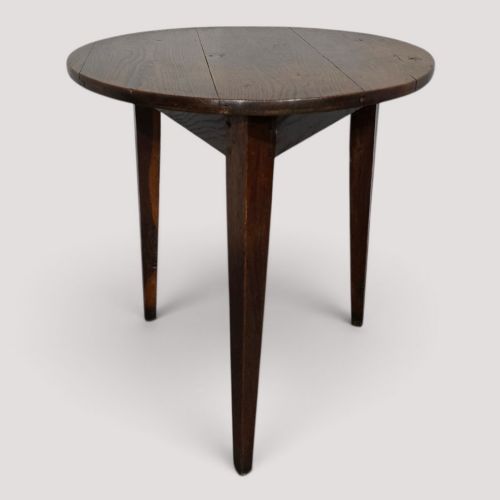
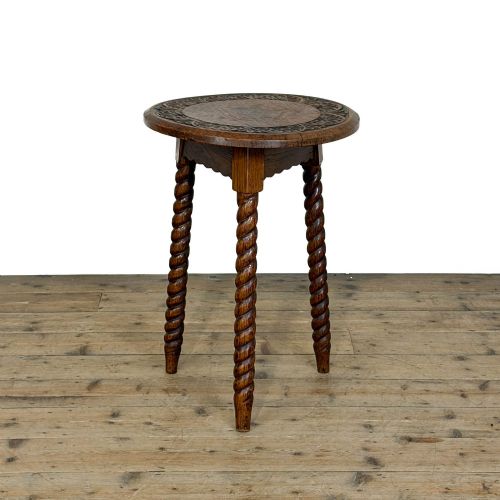
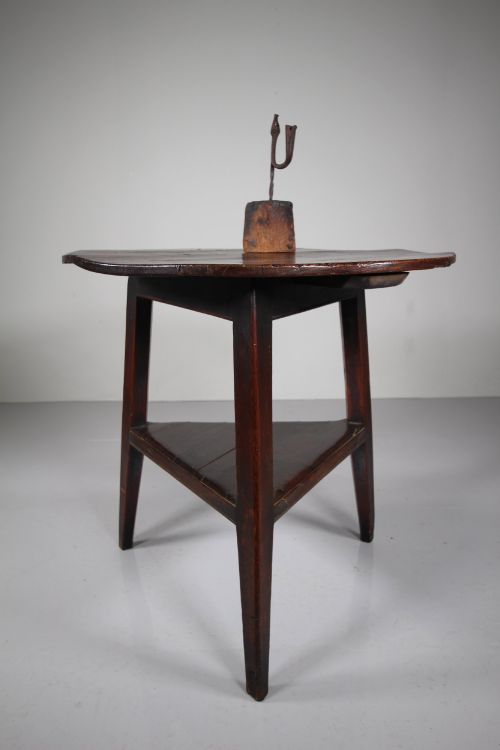
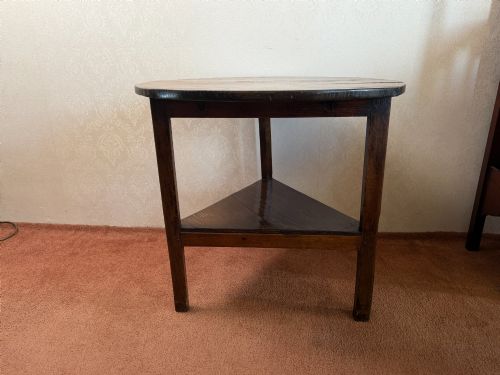
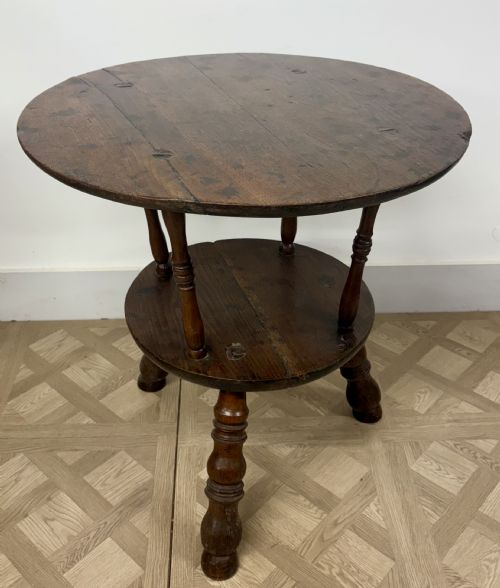
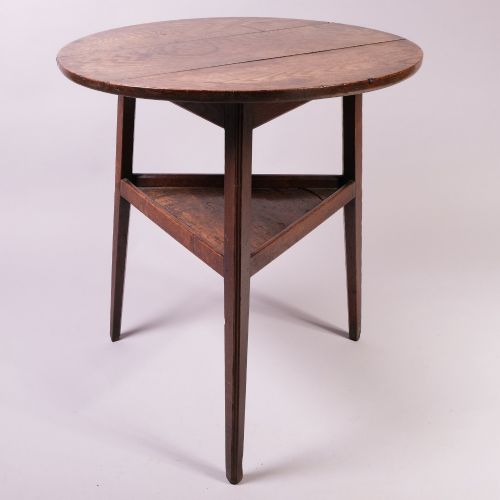
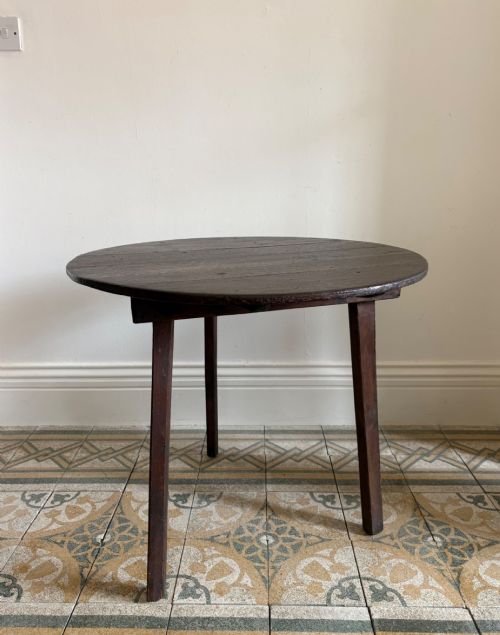
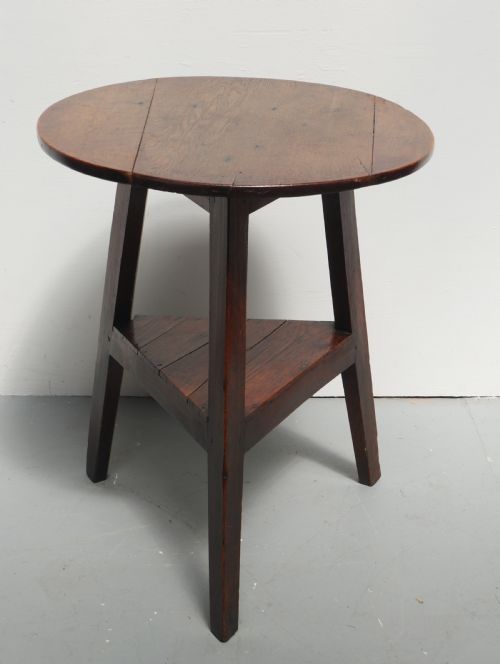
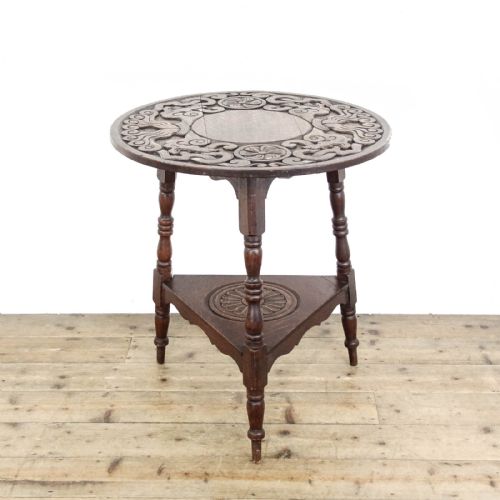
A rustic oak cricket table is a traditional three-legged occasional table designed to stand firm on uneven flagstone floors without wobbling. These pieces emerge predominantly from the eighteenth and nineteenth centuries, carrying the weight of English and Welsh country vernacular styles.
Makers utilised native timbers beyond oak, incorporating elm, ash, pine, and solid walnut into the construction of these tripod tables. Regional variations appear frequently, particularly from Welsh workshops where primitive styles and painted finishes developed distinct local characters.
Construction and materials
Joiners built these tables using solid native timbers, selecting oak for durable tops alongside elm, ash, and pine for bases and secondary woods. Plank tops frequently consist of single boards or pegged joints, secured directly to the frame with wooden dowels rather than modern hardware.
The characteristic three-legged tripod design relies on splayed tenon joints driven straight through the underside of the tabletop. This simple structural arrangement kept the table level on uneven cottage floors while providing robust support for heavy daily use.
With three legs, these tables refuse to rock, proving that geometry solved the wobbly floor problem centuries before the invention of the beer mat.
Assessing quality in country tables
Quality rests upon the integrity of the original timber and the honesty of the surface patination built through centuries of use. Tables retaining their early pegging and untouched boarded tops hold greater integrity than those rebuilt with replacement stretchers.
The Rustic Oak Cricket Table Glossary
- Cricket table
- A traditional small three-legged round table originating in vernacular English and Welsh interiors. The tripod design ensures the piece remains steady on uneven floors.
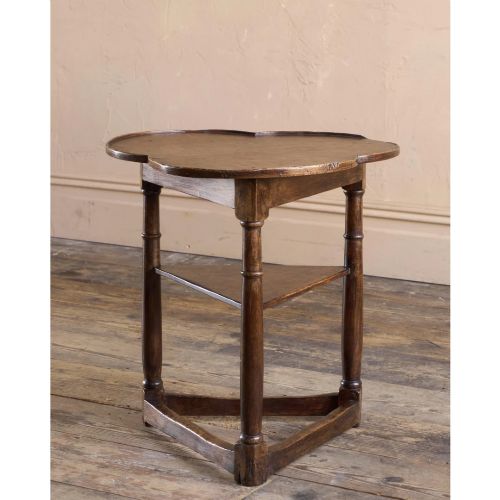
- Trefoil top
- A tabletop shaped with three lobes or rounded points, occasionally found on early examples. This uncommon geometric form mirrors the triangular footprint of the base.
- Vernacular style
- Furniture made by local country joiners using regional traditions rather than urban pattern books. These pieces reflect the specific domestic needs of rural households.
- Plank top
- A solid wooden top constructed from boards joined edge to edge. These surfaces often display significant grain movement and historic wear over the timber.
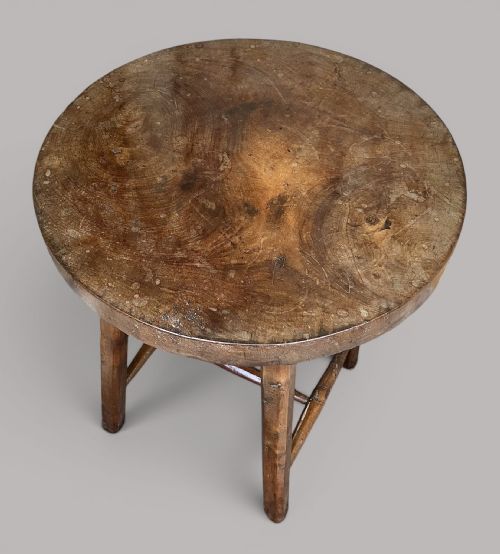
- Pollard oak
- Timber taken from trees that were regularly pruned back to the trunk, producing highly decorative grain patterns. This dense wood appears on select table surfaces.
- Stretcher
- A horizontal wooden brace connecting the legs of a table for added rigidity. On these pieces, stretchers frequently double as a low triangular shelf.
Rustic Oak Cricket Table: Frequently Asked Questions
What is a cricket table?
A cricket table is a small, three-legged occasional table with a circular top, traditionally used in English and Welsh country homes.
The three-legged design solved the practical problem of wobbling on uneven stone floors, making it a versatile piece for rural dwellings.
How old are these tables?
The pieces available span from the seventeenth century through the Georgian era and into the nineteenth and early twentieth centuries.
Most examples date from the eighteenth and nineteenth centuries, reflecting traditional country craftsmanship across various English and Welsh regions.
How do I use one at home?
These compact tripod tables function well as bedside tables, plant stands, or occasional surfaces beside a living room armchair.
Their small footprint allows them to fit easily into tight corners or awkward spaces where four-legged tables might struggle.
Are all these tables made of oak?
While oak remains the primary timber associated with these pieces, makers frequently incorporated other native woods such as elm, ash, pine, and solid walnut.
Secondary woods often appear in the bases and stretchers, while select examples feature decorative pollard oak or painted pine finishes.