


Rustic Oak Buffet
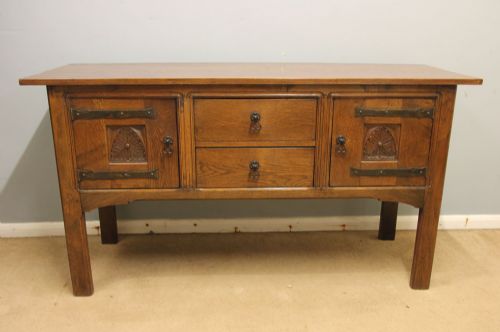
A rustic oak buffet brings solid timber presence and enduring utility to a room.
Rustic Oak Buffet
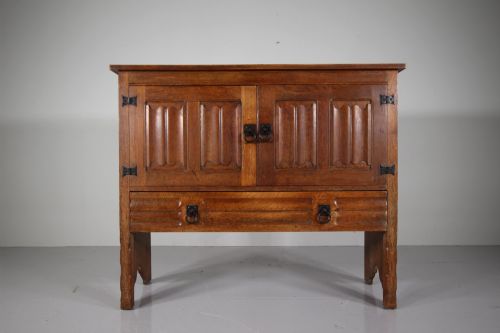
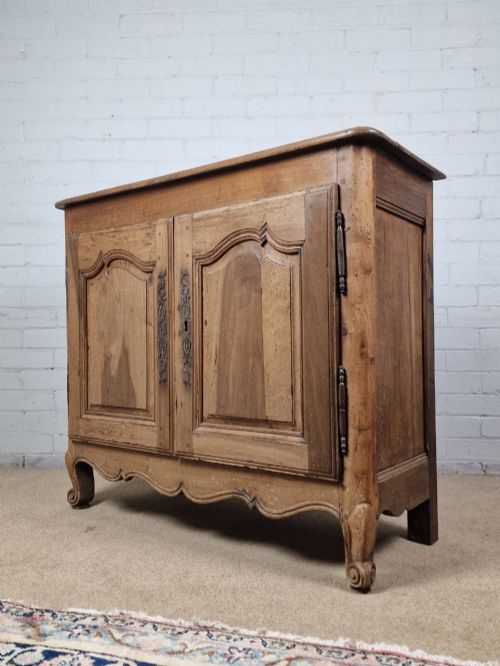
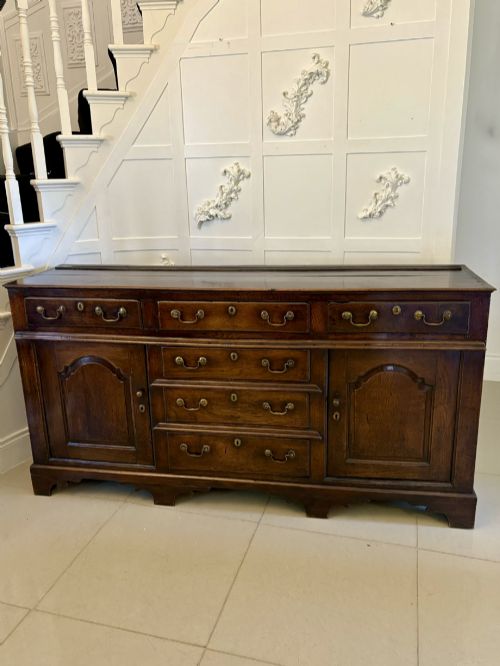
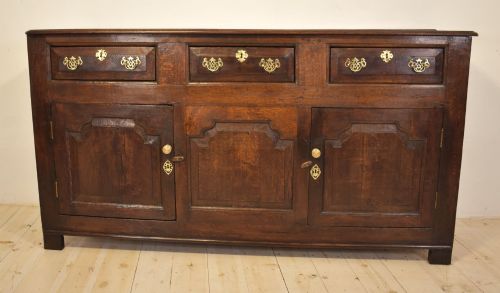
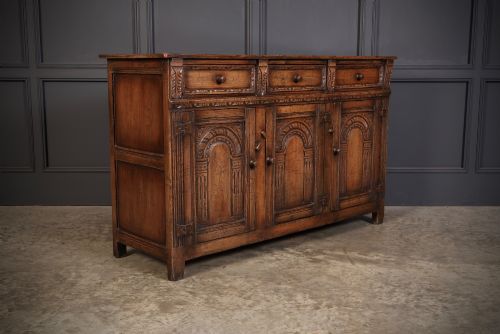
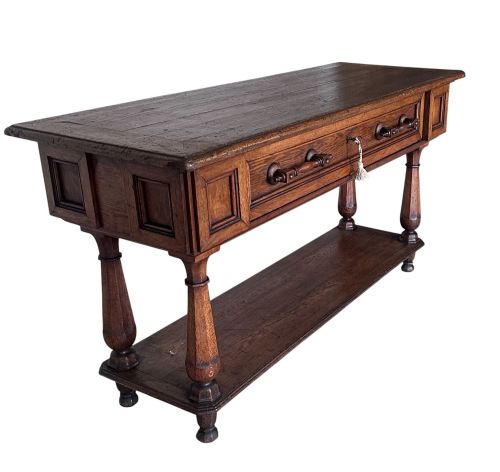
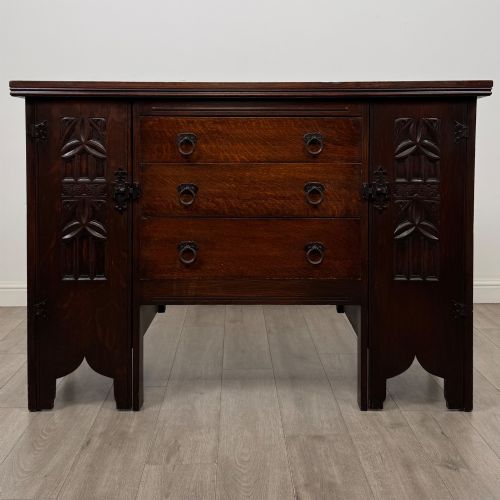
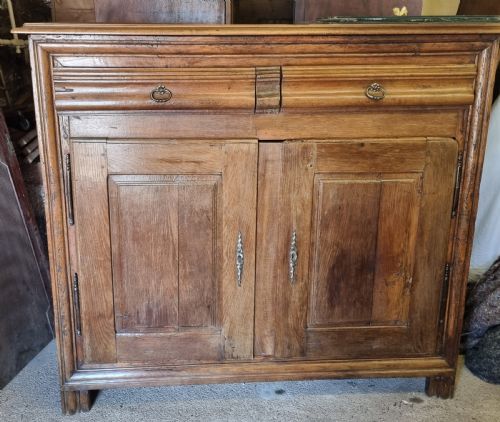
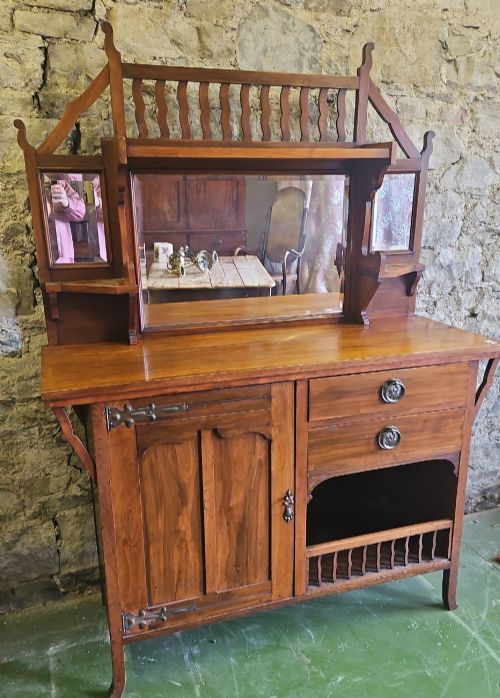
A rustic oak buffet serves as a substantial storage piece, encompassing heavy dresser bases, low sideboards, and enclosed potboards originating from various European and English traditions. Buyers seeking a rustic oak buffet typically find solid timber constructions dating from the eighteenth and nineteenth centuries, alongside regional variants from Wales and rural France.
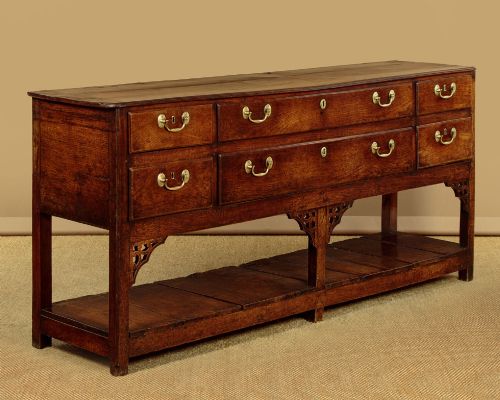
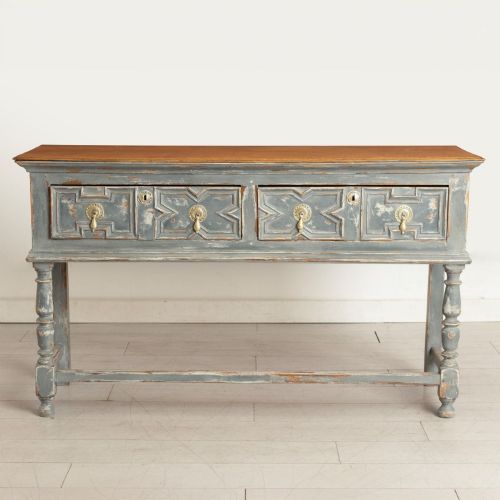
The forms span from open-shelf potboard bases with drawers to enclosed cupboards and enfilades, designed originally for kitchens, dining rooms, and hallways. These utilitarian items offer deep surface tops and robust lower storage, well suited to contemporary living spaces requiring heavy timber character.
How they were made
Cabinet makers relied primarily on solid oak, frequently supplemented with fruitwood, walnut, or pine for secondary framing and interior elements. Structural integrity came from heavy pegged joints and thick planks rather than modern adhesives.
Hardware combined functional iron, wrought iron, and brass for hinges, drawer pulls, and escutcheons. Surfaces often received hand-carved detailing or bleaching, while some provincial examples show traces of early paint finishes.
Listings feature oak alongside fruitwood, walnut, pine, brass, and wrought iron.
What varies in quality
Construction depth and timber selection define the upper tier of pieces, where dense, mature oak boards show minimal replacement and retain their original patination. Superior examples display crisp hand-carving and well-balanced proportions across drawers and doors.
Lesser pieces often exhibit heavy timber shrinkage, extensive later repairs to the potboard or feet, and replacement hardware that disrupts the period integrity of the carcass.
The Rustic Oak Buffet Glossary
- Potboard
- A low lower shelf built into a dresser base or sideboard, traditionally used for storing pots and heavy kitchen equipment. This open lower platform distinguishes many English and Welsh country pieces.
- Enfilade
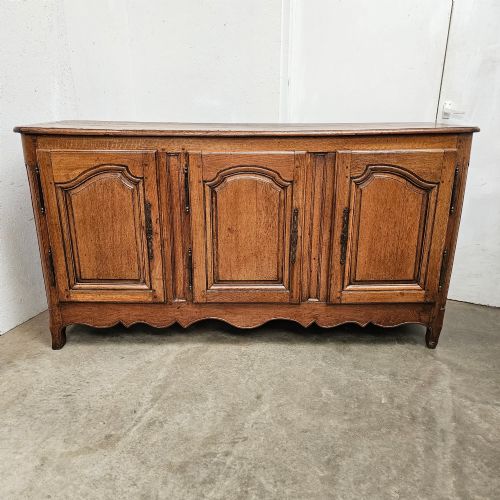
- A long sideboard or low cabinet featuring a sequence of doors, common in French provincial dining rooms and hallways. This form provides extensive linear surface space and deep interior storage.
- Dresser base
- The lower section of a kitchen dresser, constructed with heavy drawers and cupboards beneath a thick wooden top. These standalone units functioned as sturdy work surfaces before evolving into dedicated display and storage furniture.
- Court cupboard
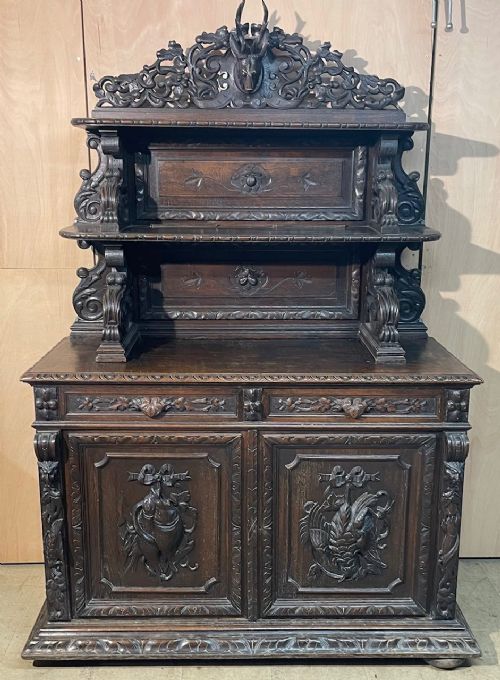
- An enclosed antique cabinet featuring recessed upper sections supported by carved columns or pillars. These heavy timber pieces originated in domestic halls to store food and plate.
Rustic Oak Buffet: Frequently Asked Questions
Where should I place a buffet?
These heavy timber pieces suit dining rooms, large hallways, and open kitchen spaces where their deep surface tops and substantial storage prove practical. Positioning them away from direct heat sources helps protect the dry antique oak from unnecessary timber movement.
Ensure the floor space accommodates the generous depth of dresser bases and sideboard doors, allowing drawers to extend fully without obstruction.
How do I care for antique oak?
Maintain the timber by applying natural beeswax sparingly to nourish the dry grain and preserve the historic surface sheen. Avoid modern silicone polishes that build up sticky residues and dull the authentic patina developed over centuries.
Keep indoor humidity stable to prevent the thick oak planks from splitting or warping during seasonal temperature shifts.
How do French and English pieces differ?
English and Welsh examples frequently incorporate open potboards and multiple rows of deep drawers designed for farmhouse utility. French provincial pieces often favour enclosed enfilades, fruitwood accents, and carved game motifs suited to dining spaces.
Both traditions rely on heavy oak construction, but regional design preferences shape the arrangement of doors and panel carving.