


Bleached Wood Sideboard
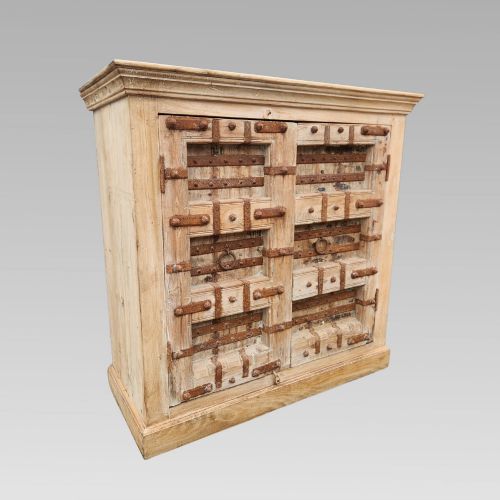
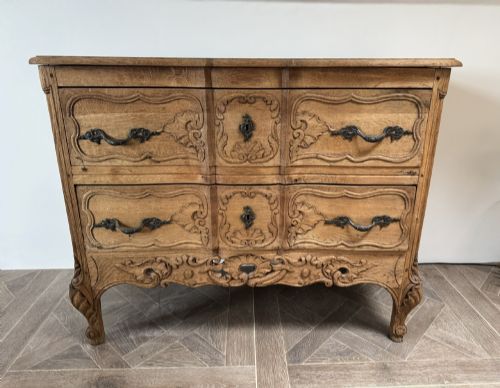
A bleached wood sideboard brings understated character and a lighter tone to a room, using stripped or naturally pale surfaces to show the grain.
Bleached Wood Sideboard
When you search for a bleached wood sideboard, you encounter low storage furniture and serving surfaces finished in pale, neutral timber tones. These pieces range from Georgian and Queen Anne forms to later provincial designs.
The selections on this page rely heavily on oak, walnut, and teak, shaped into commodes, dresser bases, servers, and storage cupboards. French and English country styles appear frequently alongside Spanish and Italian examples.
Buyers meet nineteenth-century commodes and eighteenth-century dresser bases that have undergone surface lightening to highlight the natural figure of the wood. Console tables and drapers tables also populate this category, offering surface utility alongside storage.
Materials and construction
Cabinetmakers utilised sturdy hardwoods like oak, walnut, and teak to build these carcases, often pairing them with brass or iron hardware for hinges and pulls. Timber selection determined how well the material took a pale, bleached finish while retaining structural integrity.
Surface treatments involved stripping darker historic finishes or applying lightening processes to expose the grain of the oak and walnut. Joinery techniques varied from traditional pegged joints in country pieces to finer cabinet work in formal eighteenth-century servers.
Drapers tables once measured cloth rolls in drapery shops before finding new retirement careers holding dinner party platters.
Assessing quality
Quality rests in the balance of the proportions and the crispness of the original carving, particularly on pieces with raised panels or shaped aprons. Superior examples maintain structural honesty without heavy modern intervention in the timber.
The treatment of the wood itself distinguishes finer items, where the bleaching process respects the depth and texture of the grain rather than flattening the surface appearance. Hardware authenticity and drawer construction similarly separate standard utility pieces from finer cabinetwork.
The Bleached Wood Sideboard Glossary
- Commode
- A low cabinet or chest of drawers, often featuring decorative hardware and short legs. French versions frequently present substantial depth and refined proportions.
- Dresser base
- The lower section of a traditional kitchen or dining room dresser, equipped with cupboards or drawers for storage. These low tables provide a flat top surface useful for serving.
- Potboard dresser
- A traditional storage unit featuring an open lower shelf near the floor, originally designed for storing pots and pans. The upper surface serves as a display or work area.
- Drapers table
- A long, utilitarian table traditionally used in fabric shops for measuring cloth, characterised by a generous rectangular top and sturdy legs. These tables now function as serving stations or console surfaces.
Bleached Wood Sideboard: Frequently Asked Questions
What is a bleached wood sideboard?
A bleached wood sideboard is a storage piece or serving surface finished in a pale timber tone, often oak, walnut, or teak. These items span various centuries and regional styles, from French commodes to English serving tables.
The pale finish lightens heavy historic furniture, making it adaptable to modern interiors while preserving antique construction methods and materials.
How do I style a bleached wood sideboard?
These sideboards work well in dining rooms, hallways, or living spaces as storage units and display surfaces. Their neutral tones pair easily with diverse colour palettes and materials like marble or metal.
Keep the top surface uncluttered with a few balanced decorative objects to let the grain and texture of the bleached timber remain the visual focus.
How do I date an antique sideboard?
Dating relies on examining the construction methods, such as dovetails, drawer linings, and the type of timber utilised. Regional styles and hardware choices also offer clues to the period of origin.
Comparing the structural joinery against known stylistic periods helps narrow down whether a piece originates from the eighteenth or nineteenth century.
Are these sideboards made of solid wood?
The pieces in this category utilise solid hardwoods like oak, walnut, and teak for their primary structures and surfaces. Timber quality directly influences the weight and durability of each cabinet or table.
Secondary woods may appear in concealed areas like drawer interiors, consistent with traditional cabinetmaking practices of the eighteenth and nineteenth centuries.