
Rustic Low Stool
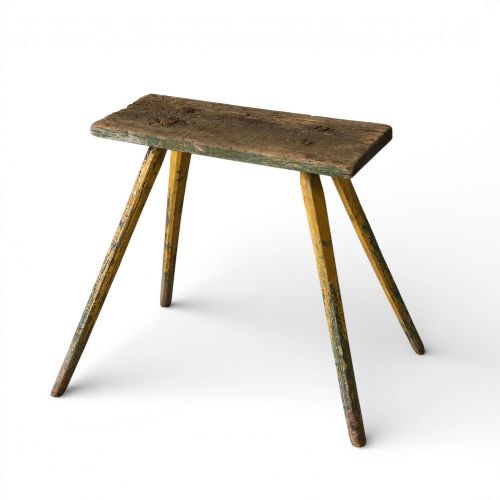
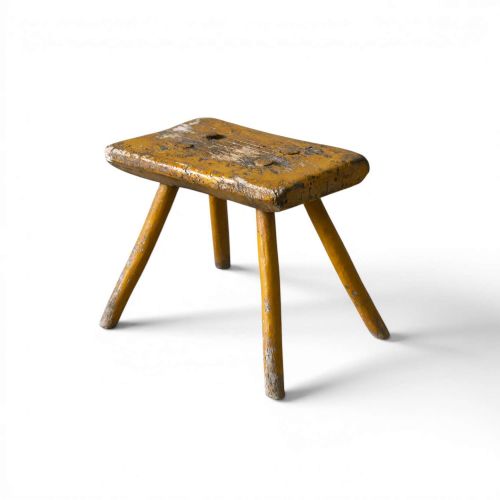
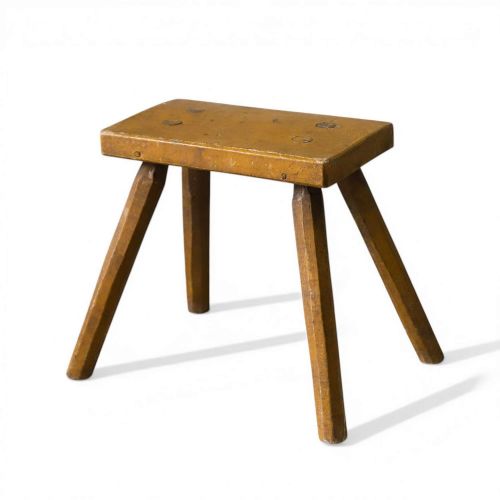
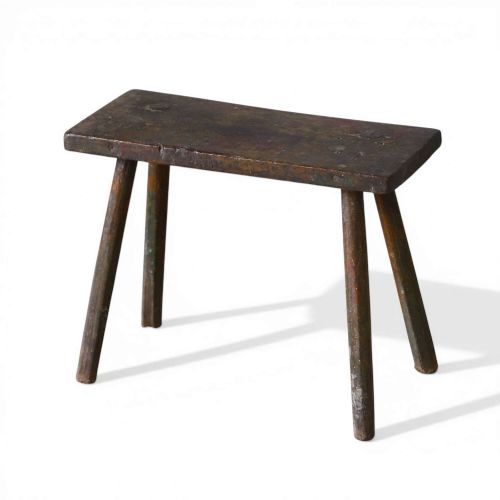
A rustic low stool brings honest utility and straightforward timber character into a room.
Rustic Low Stool
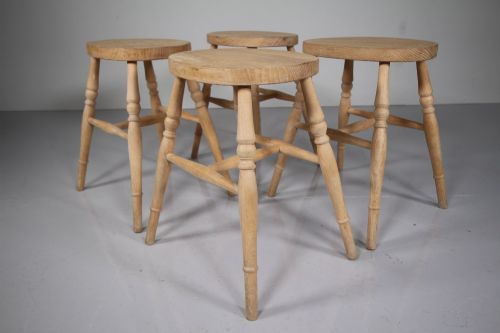
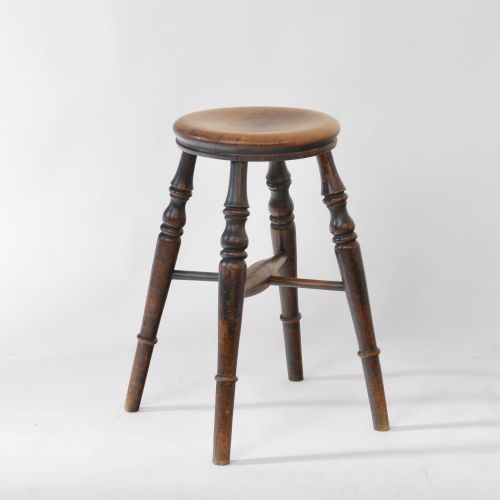
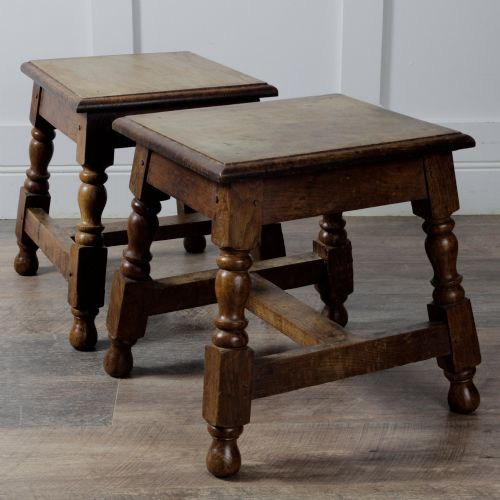
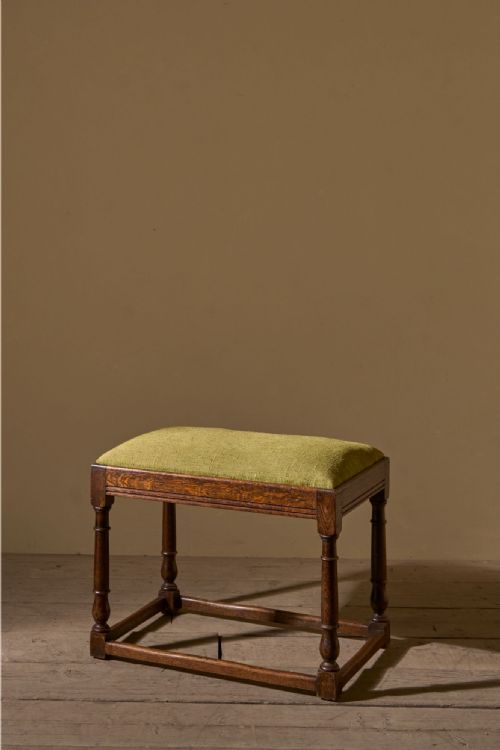
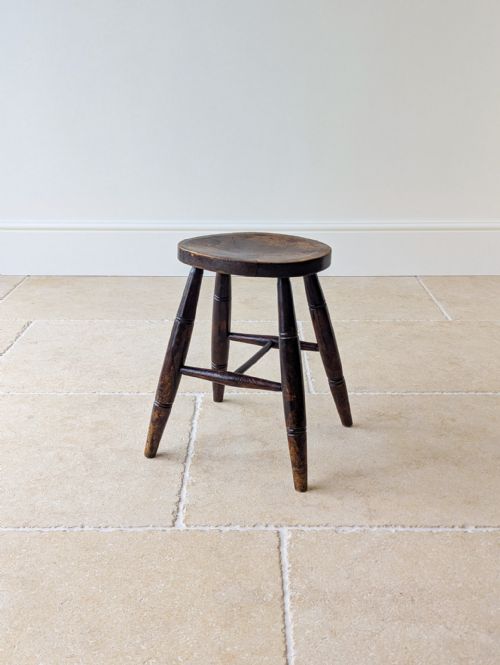
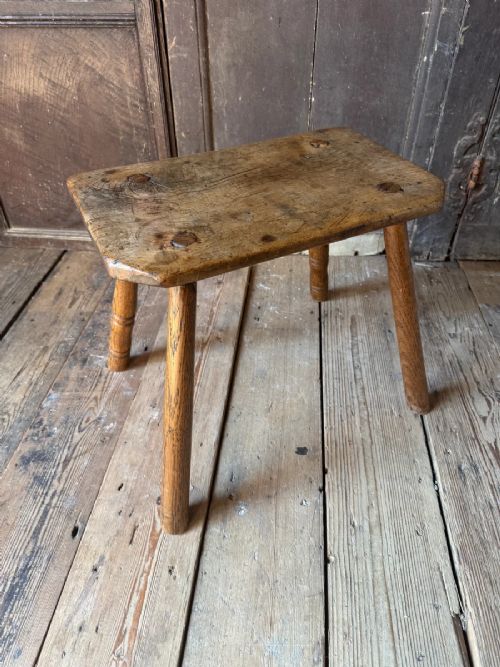
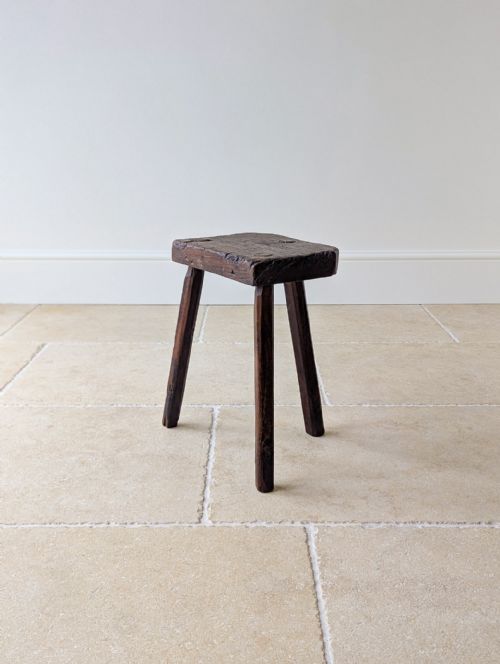
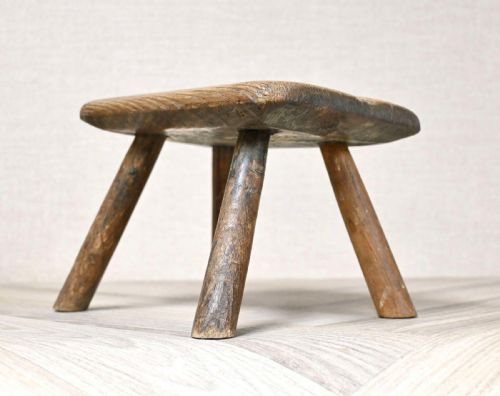
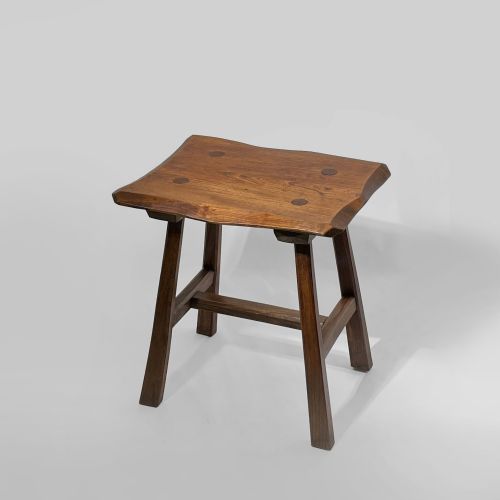
The version most likely to meet a buyer on this page is a nineteenth-century example fashioned from native hardwoods like oak, elm, or ash. Such pieces range from three-legged vernacular designs to sturdy jointed forms with simple wooden seats.
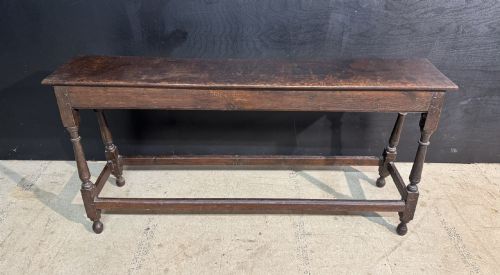
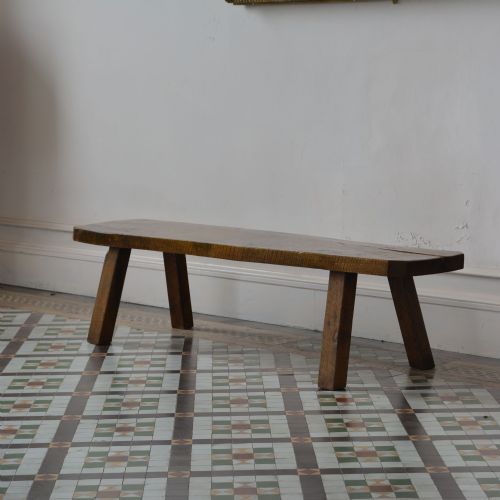
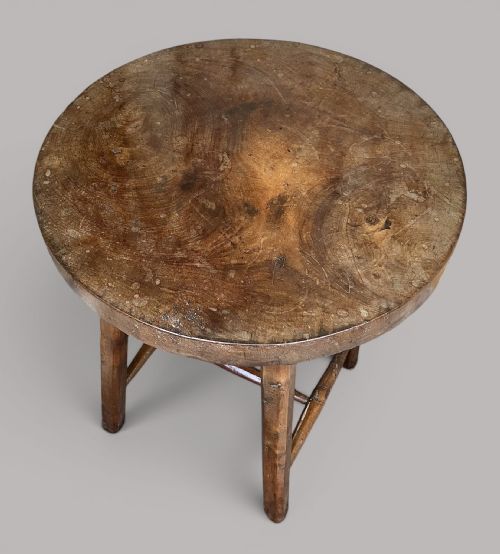
Beyond standard seating, the category extends to low tables, pig benches, and footstools that share the same unpretentious construction. These items bridge the gap between practical household implements and collectible country furniture.
Construction and Materials
Maker construction relies heavily on native British and European timbers, predominantly solid oak, elm, ash, and sycamore. Carpenters selected these resilient hardwoods for their load-bearing strength and resistance to heavy daily wear.
Joinery methods typically involve pegged mortise and tenon joints or legs wedged directly into bored seats. Surface treatments range from bare scrubbed wood to remnants of original ochre, green, yellow, or white paint.
One remarkably honest piece offers a curious single leg for balance on uneven dairy floors.
Judging Quality
Quality rests upon the integrity of the original construction and the preservation of surface patination. Pieces retaining their honest wear, untouched tool marks, and original painted finishes command greater appreciation than heavily restored examples.
Proportion and balance separate mundane utility pieces from more successful sculptural forms. The stability of the leg placement and the harmonious relationship between the seat and underframe define the better specimens in this genre.
Jack Grimble
The Rustic Low Stool Glossary
- Joint stool
- A sturdy wooden stool constructed with mortise and tenon joints pegged together. These pieces date predominantly from the seventeenth and eighteenth centuries, serving multiple household duties.
- Milking stool
- A small, usually three-legged seat designed for use during agricultural chores. Their tripod construction ensures stability on uneven earthen floors.
- Vernacular furniture
- Objects made by local craftsmen using regional materials and traditional methods without formal academic design. These pieces reflect local needs and available resources.
- Hearth stool
- A low seat positioned near the fireplace for warmth. They often feature robust wooden construction to withstand intense heat and frequent use.
- Patina
- The surface sheen and colour acquired by wood and paint through age and handling. A rich patina signals decades of continuous use and polishing.
Rustic Low Stool: Frequently Asked Questions
What were rustic low stools used for originally?
These low seats served practical domestic and agricultural purposes around the home, dairy, and farmyard. People utilised them for milking livestock, sitting by the hearth, or reaching low shelves.
Over time, their sturdy build allowed them to double as small side tables, footrests, or stands for household objects. Their portability made them indispensable items in modest rural dwellings.
How do I care for a wooden country stool?
Maintain the timber by keeping the piece away from direct heat sources and extreme humidity fluctuations, which cause wood to split. Apply a microcrystalline wax occasionally to nourish the surface without building up excessive residue.
Avoid harsh chemical cleaners, especially on pieces retaining traces of original paint. A soft, dry cloth is sufficient for routine dusting.
How do I distinguish an eighteenth-century joint stool from a later reproduction?
Examine the tool marks, timber shrinkage, and peg construction closely. Genuine older pieces display hand-cut joinery, irregular peg sizing, and natural wear patterns consistent with heavy past use.
Inspect the undersides and joints for signs of age-appropriate oxidation and structural settling. Machine-cut elements or overly uniform wear suggest a later date of manufacture.
Can I use an antique milking stool as daily seating?
Many of these pieces remain structurally sound and capable of supporting normal weight. However, buyers should check the leg joints and wedged tenons for stability before placing them into heavy daily service.
Lighter examples or those with delicate one-leg designs function better as decorative display stands or occasional side tables to preserve their historical integrity.