
Rustic Kitchen Sideboard
A rustic kitchen sideboard brings working history into daily life through honest timber and generous storage.
Rustic Kitchen Sideboard
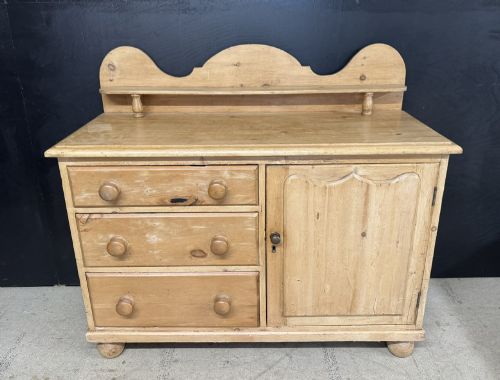
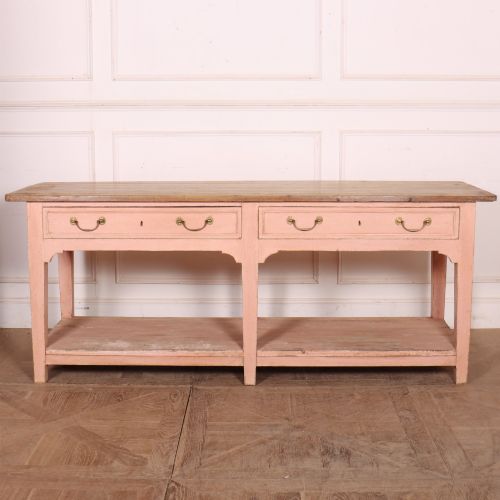
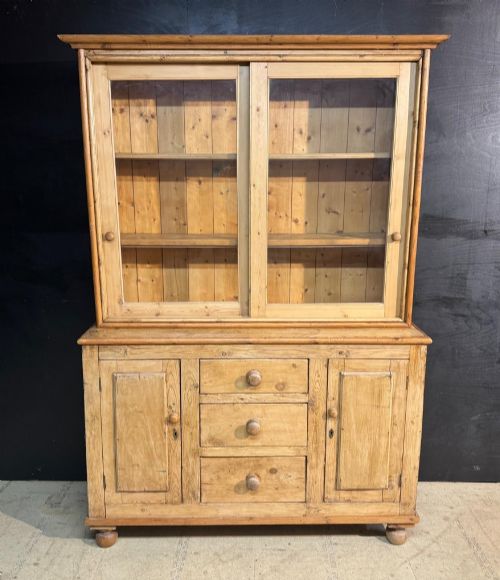
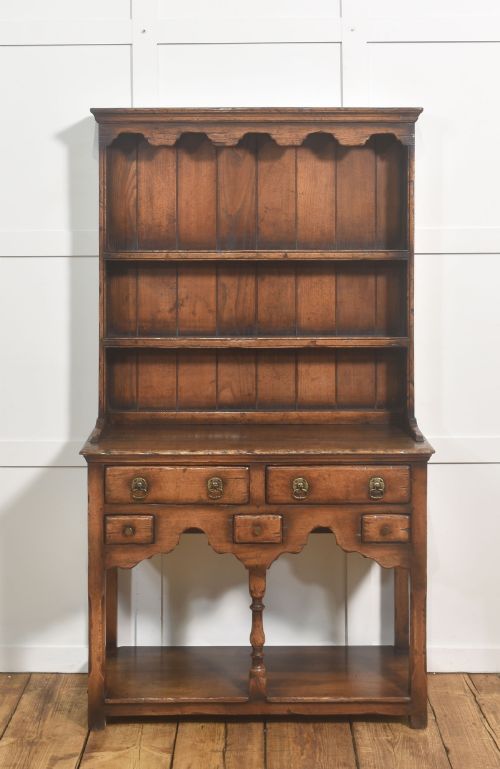
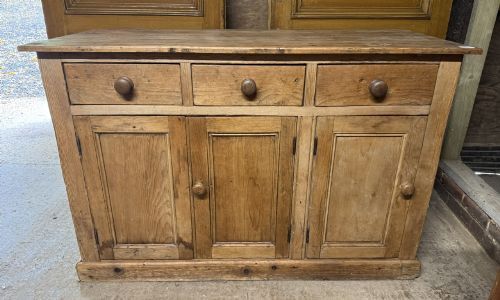
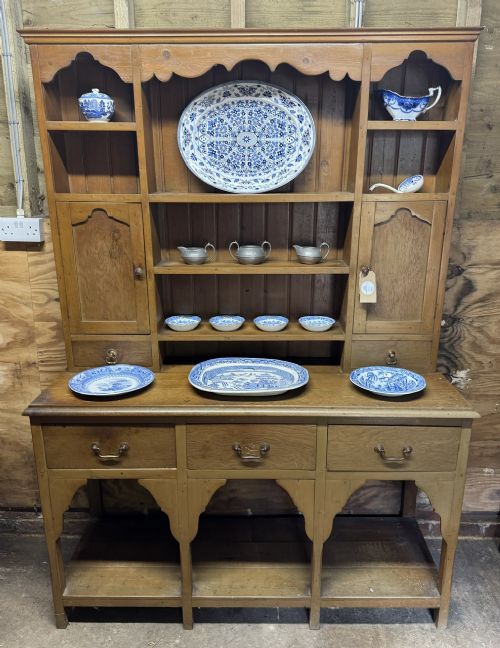
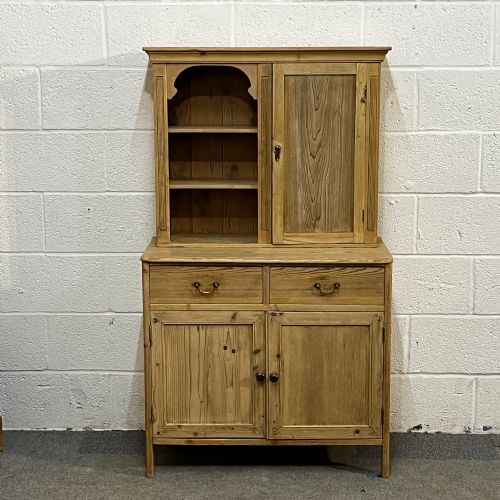
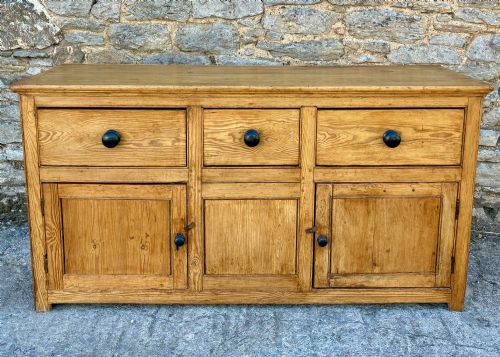
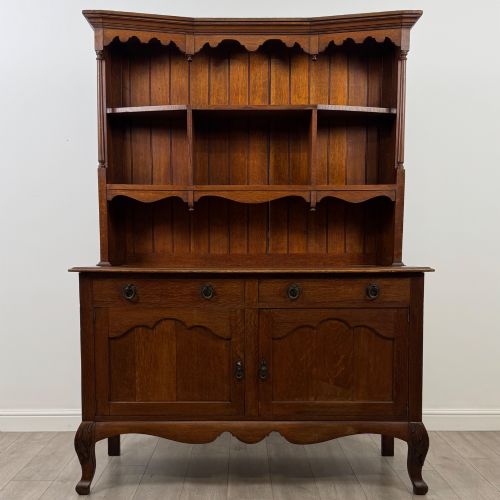
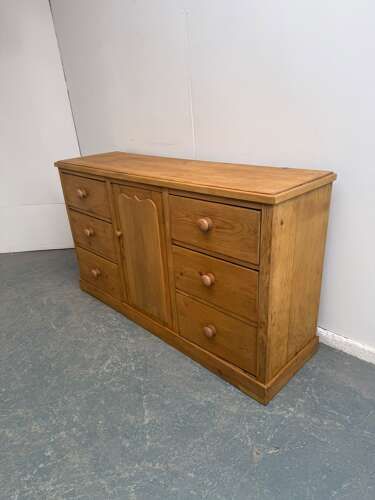
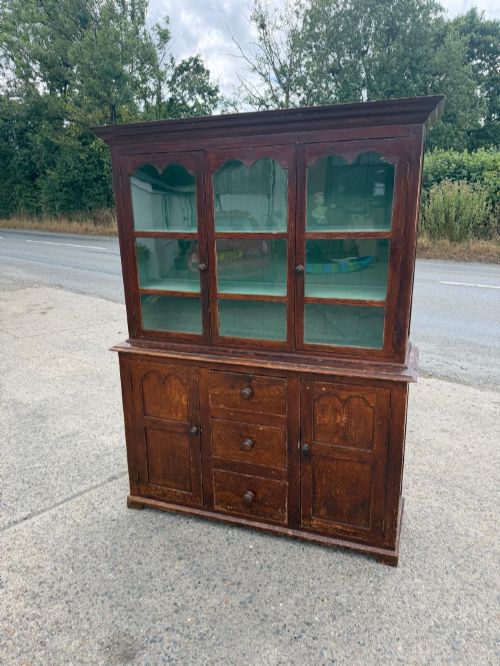
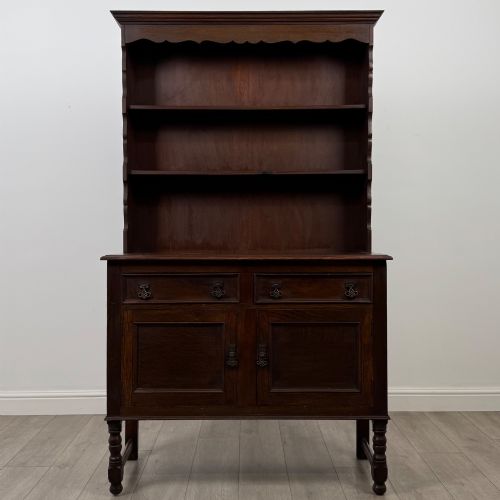
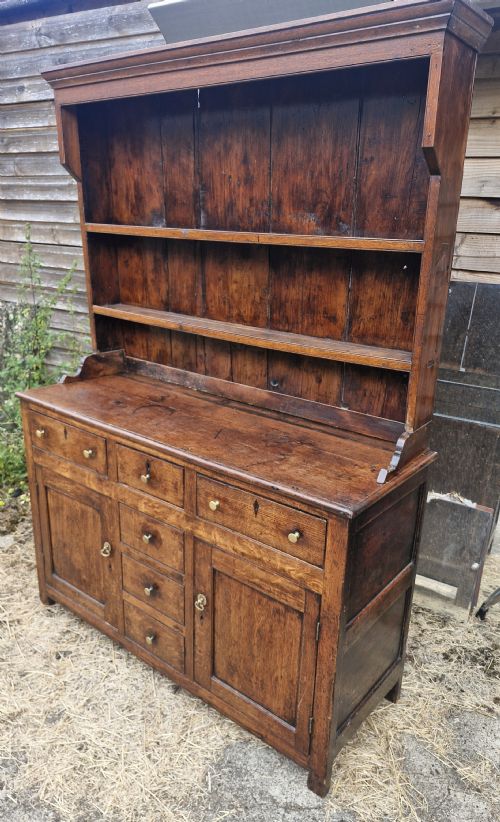
A rustic kitchen sideboard serves as a sturdy foundation for food preparation and storage in busy domestic spaces. These utilitarian pieces range from open potboard dresser bases to glazed top dressers, jam cupboards, and serving tables.
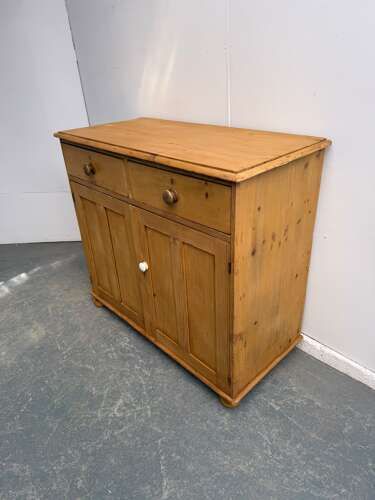
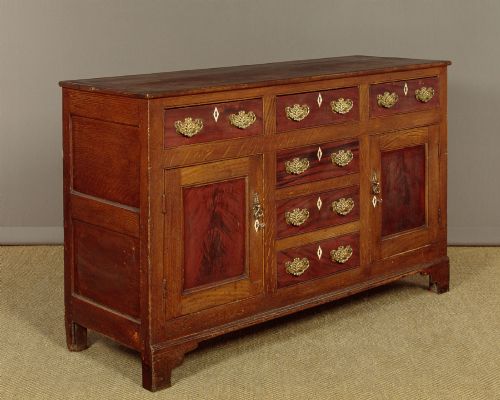
The selections gathered here span the eighteenth, nineteenth, and early twentieth centuries, drawing upon English, Welsh, French, and Danish traditions. Buyers searching for a rustic kitchen sideboard frequently encounter pine, oak, and fruitwood examples shaped by country workshops.
Materials and construction
Makers relied primarily on native timbers such as solid oak, pine, and sycamore, often combining woods within a single piece like a pine and sycamore prep table. Brass handles, iron hinges, and glass door panels appear across various regional styles.
Surfaces finished with original paint, wax, or exposed natural grain reveal centuries of practical use. Joinery techniques prioritize stability and durability, accommodating the heavy demands of domestic kitchens and bakeries.
Some French confituriers spent centuries guarding sweet fruit preserves before retiring to modern kitchens as side tables.
Assessing quality and character
Quality rests in the integrity of the original timber and the survival of early finishes like historical paint or deep waxed patinas. Pieces retaining their initial proportions without heavy timber replacement hold greater authority.
Proportion and regional vernacular detailing separate standard utility furniture from finer country workshop production. The balance between practical storage capacity and refined drawer configuration dictates the standing of each individual example.
The Rustic Kitchen Sideboard Glossary
- Potboard dresser base
- A low sideboard featuring a slatted or solid lower shelf traditionally used for storing pots and pans. This open lower tier distinguishes it from enclosed cupboards.
- Confiturier
- A French jam cupboard designed to store preserves and provisions securely. These compact pieces typically feature single doors and modest proportions.
- Patina
- The surface sheen and colour developed by wood and paint over decades of handling and cleaning. A genuine patina reflects the age and history of the piece.
- Welsh dresser
- A traditional form combining a lower sideboard base with an upper plate rack for displaying ceramics. Welsh examples frequently utilise native oak or pine.
- Bakers prep table
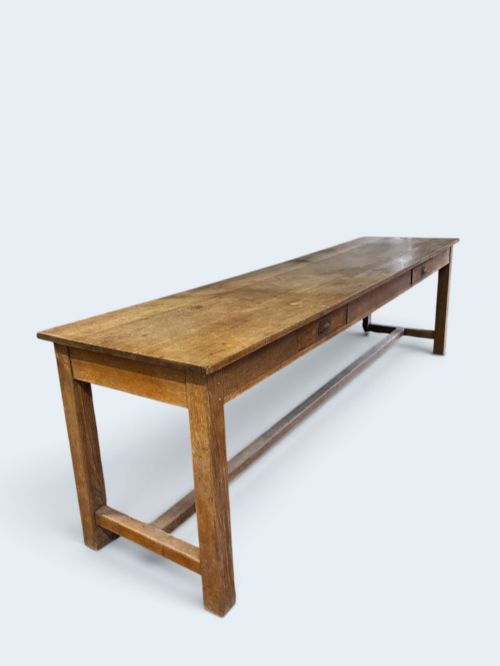
- A heavy-working table constructed with a robust wooden top for kneading dough and preparing ingredients. These utilitarian surfaces often show deep marks of daily work.
Rustic Kitchen Sideboard: Frequently Asked Questions
How do I date a wooden sideboard?
Dating relies on observing construction methods, timber selection, and hardware style. Eighteenth-century examples often feature hand-planed boards and pegged joinery, while nineteenth-century pieces incorporate factory-made iron fittings.
Surface treatments also provide clues, as original paint layers and early wax patinas accumulate characteristic wear patterns over generations. Comparing regional forms helps narrow the decade of production.
Are these sideboards suitable for daily use?
These sideboards were originally built for heavy domestic labour, making them durable additions to modern homes. Solid timber construction handles everyday items and food preparation tasks with ease.
Many buyers utilise them as kitchen islands, serving stations, or general storage cupboards. Proper maintenance involves gentle cleaning and regular waxing to protect the historic timber.
What is the difference between oak and pine sideboards?
Oak sideboards generally offer denser grain patterns and greater structural weight, often associated with earlier centuries and formal country workshops. Pine sideboards tend to show softer surfaces and were widely used for painted or waxed kitchen furniture.
Both timbers provide distinct visual textures depending on their regional origin. Oak pieces often feature darker natural tones, whereas pine frequently displays lighter honey hues or historical paint layers.