

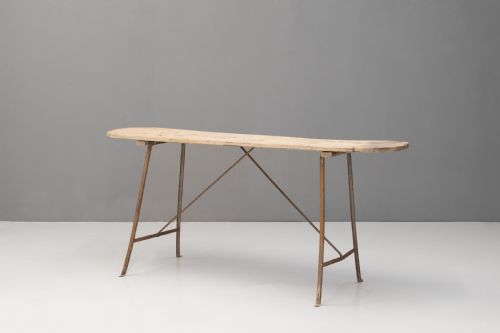
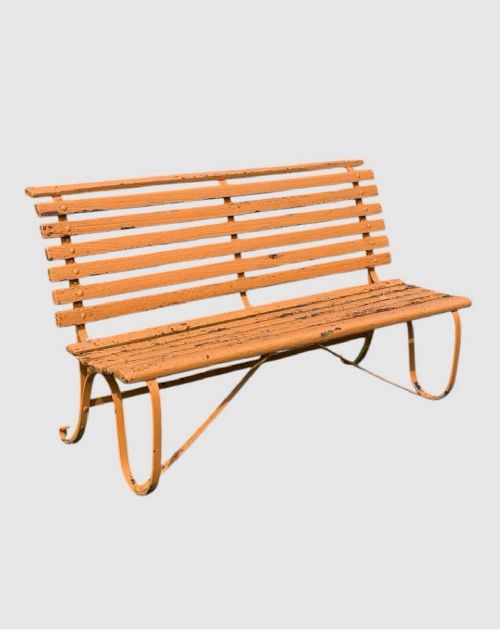
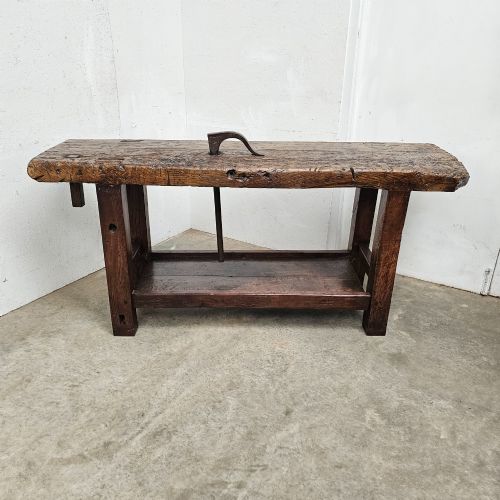
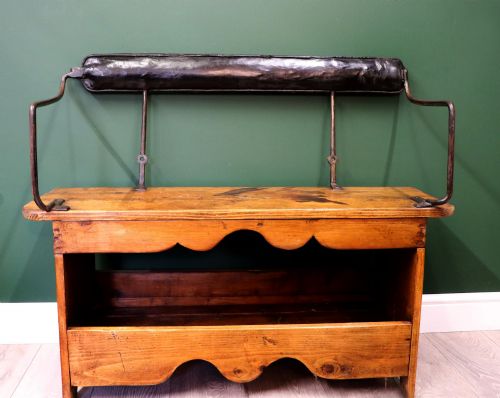
Rustic Iron Bench
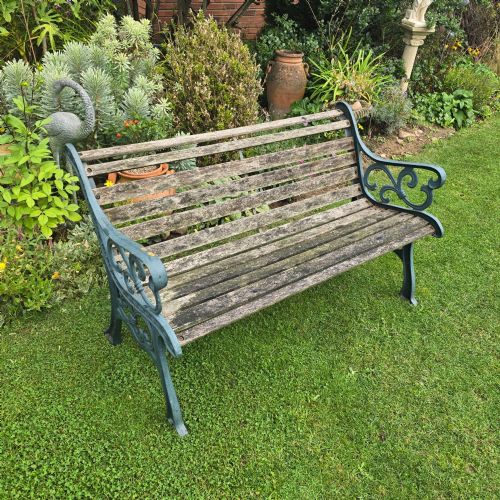
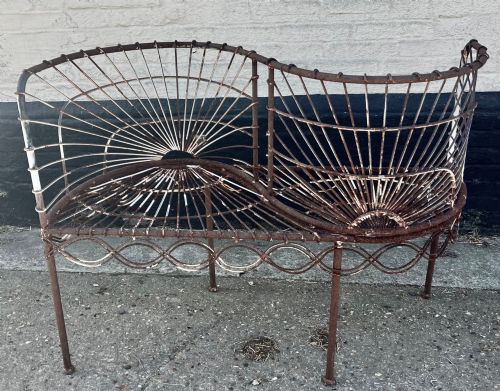
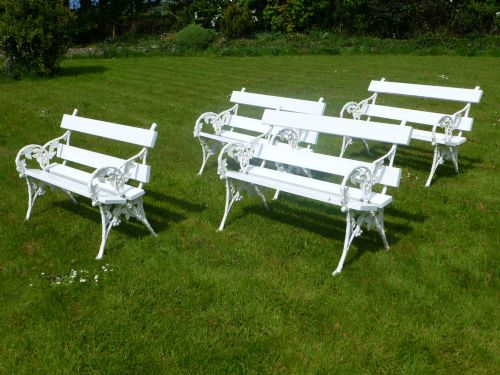
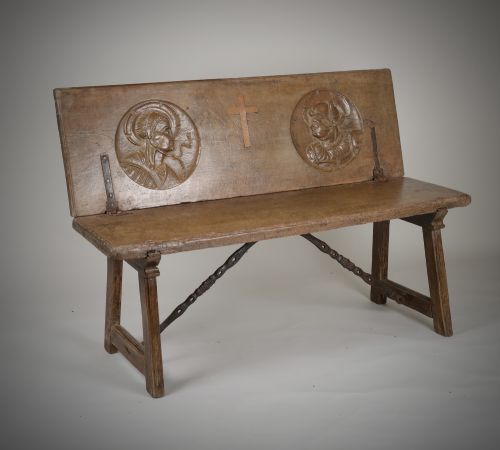
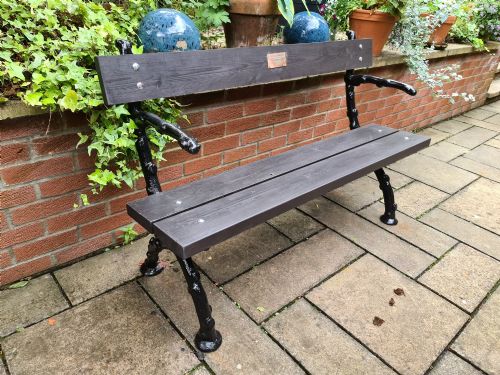
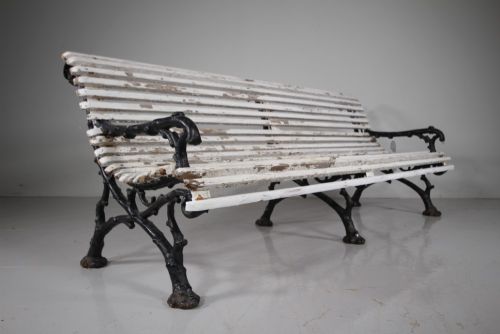
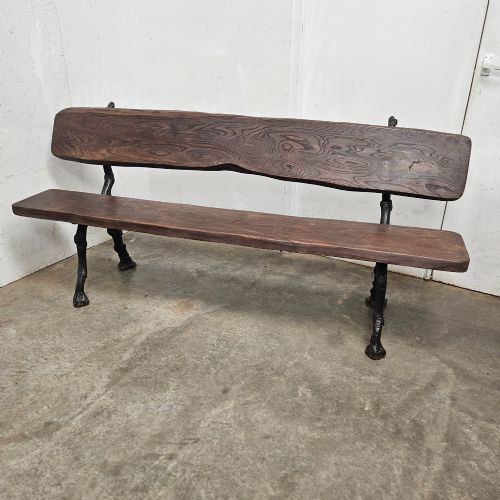
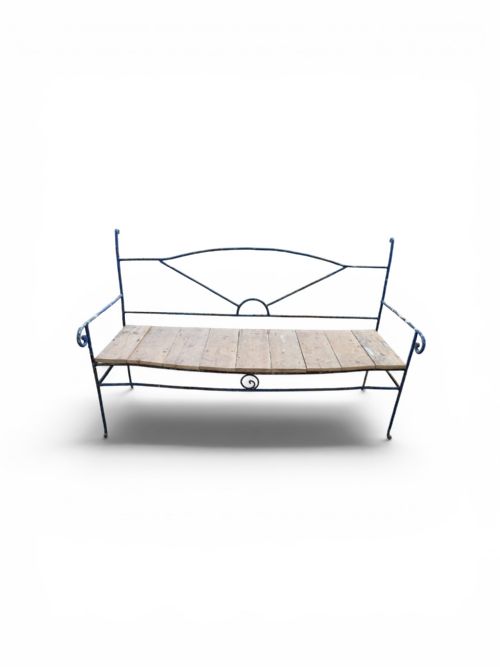
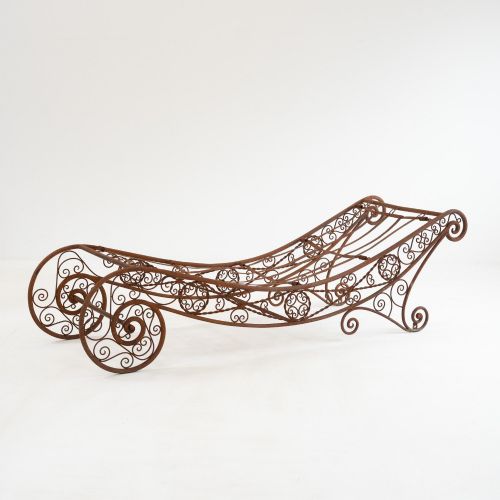
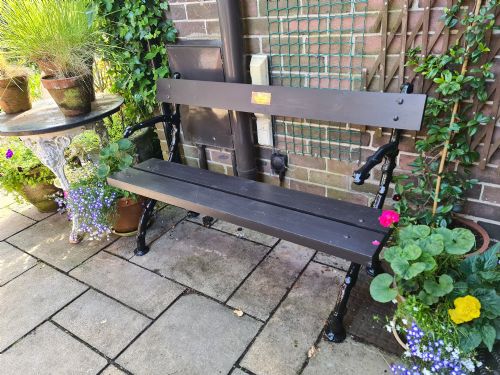
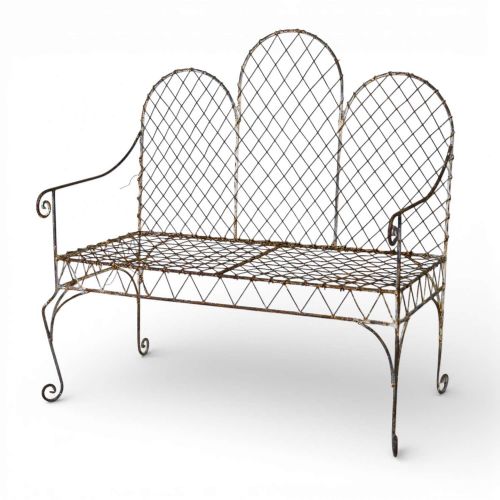
These heavy, patinated pieces are a rustic iron bench, offering robust outdoor seating shaped by Victorian and early 20th-century hands.
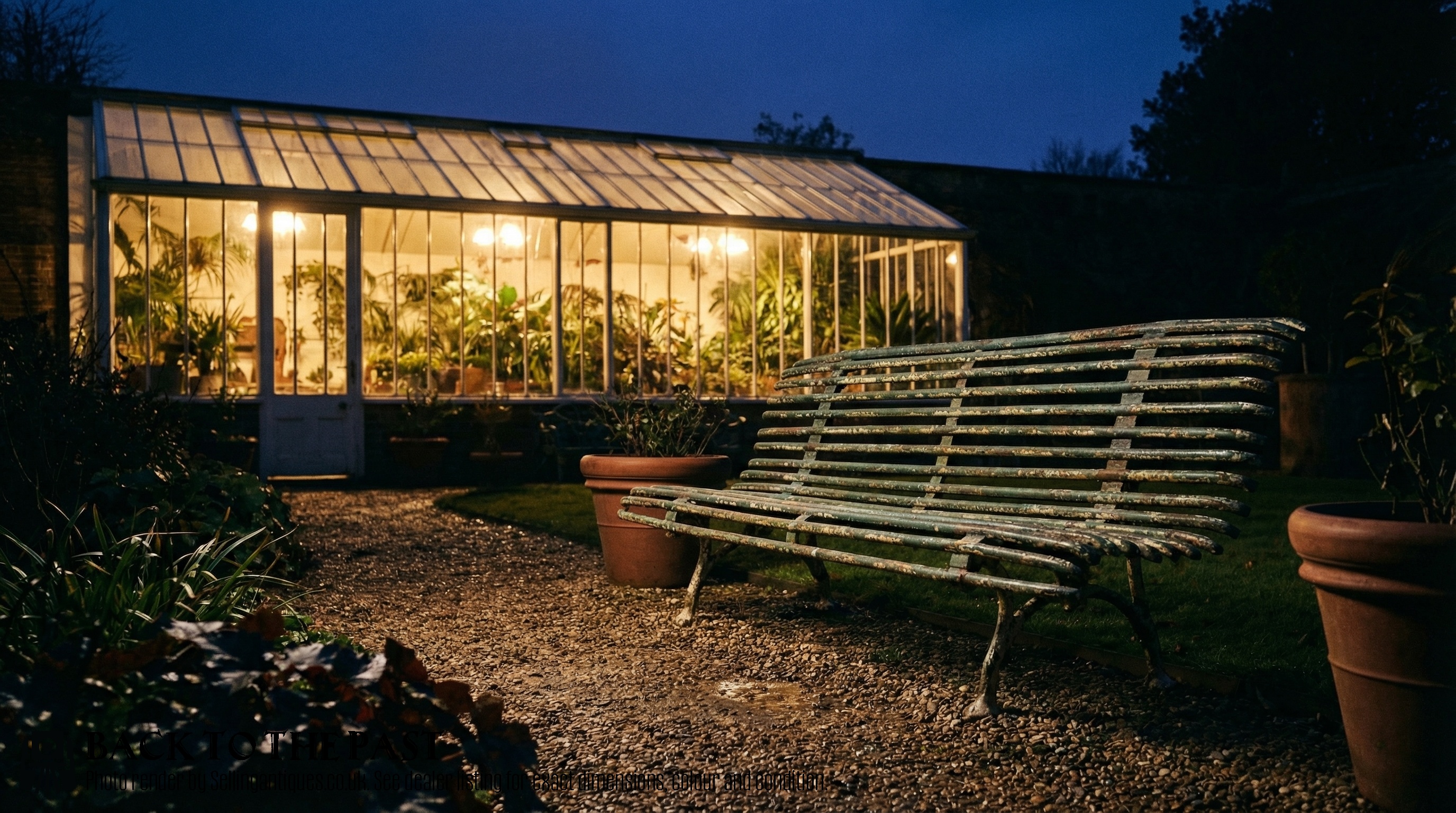
Rustic Iron Bench
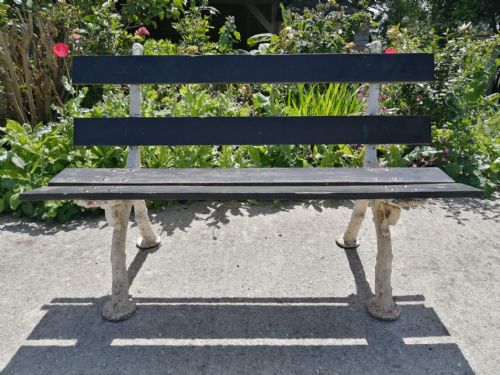
A rustic iron bench combines rigid metal framing with timber slats or intricate cast and wrought patterns, designed for gardens, parks, and utilitarian workspaces. You will most frequently encounter Victorian examples featuring organic motifs like blackberry, leaf, and faux bois designs.
The form stretches from dedicated garden seating and daybeds to industrial workbenches and settles from the sixteenth to the twentieth centuries. These pieces bridge domestic comfort and heavy-duty utility, utilising metalwork to anchor outdoor spaces.
French and English origins dominate the selection, bringing variations in foundry work, from classical foundry pieces to rustic farmhouse interpretations. The enduring appeal lies in the weathered paint layers and oxidation that mark decades of exposure.
How they were made
Foundries cast molten metal into detailed moulds for bench ends and backs, producing intricate botanical patterns such as branches and leaves. Wrought iron components were shaped by hand at the forge, yielding strong structural frames with scrolled details.
Wooden elements like oak, pine, elm, and general timber form the seats and tops, fastened to heavy metal bases with bolts or rivets. Layers of oil paint were frequently applied to protect the iron and wood from the elements, wearing down over time into rich, flaky patinas.
Rustic Iron Bench Retail Price Guide 2026
Typical asking prices for rustic iron bench among the pieces listed under this phrase on Sellingantiques today, from the lower quarter to the upper quarter. They describe what is for sale here now, not the wider market.
Materials across these listings span cast iron, wrought iron, oak, pine, and elm, reflecting both industrial foundry work and rural carpentry.
What varies in quality
The distinction between ordinary utility items and exceptional finds lies in the crispness of the foundry casting and the attribution to known makers. Finer examples display deep, sharp relief in naturalistic motifs rather than soft, worn-down casting lines.
Originality of surface finish and structural integrity dictate the standing of a piece, with undisturbed layers of historic paint holding greater character. The integration of high-grade timber slats with robust, uncompromised metal frames separates masterwork production from standard commercial output.
Falkirk foundry·Coalbrookdale·Phoenix Foundry
The Rustic Iron Bench Glossary
- Cast iron
- Molten iron poured into a mould to create rigid, highly detailed structural and decorative components. It offers immense compressive strength but can fracture under sharp impacts.
- Wrought iron
- Iron heated and hammered into shape by a blacksmith, characterised by fibrous slag inclusions. This material bends rather than breaks under stress, making it ideal for scrolls and structural braces.
- Faux bois
- An artistic imitation of wood grain rendered in concrete, metal, or plaster. In garden furniture, iron is cast or forged to mimic natural gnarled branches and bark.
- Settle
- A wooden or mixed-material bench with a high back, solid arms, and often a enclosed base to block drafts. They served as principal seating in halls and large rooms.
- Foundry
- A factory where metal is melted and poured into moulds to produce specific objects. Famous foundries often marked their castings with registry numbers or foundry names.
Rustic Iron Bench: Frequently Asked Questions
How do I protect my bench outdoors?
Keep the metal treated with suitable protective coatings and store the bench under cover during harsh winter months. Regular checks on wooden slats prevent moisture retention where timber meets iron.
Allowing natural weathering is fine, but active rust spots benefit from gentle treatment and sealing to preserve the structural metal.
Are these benches comfortable to sit on?
Most garden designs rely on ergonomic casting curves in the backrest and seat slats to provide support without cushions. Adding loose cushions softens the rigid iron and timber construction for extended seating.
Heavier industrial variants prioritize utility over comfort, functioning more as display or workspace furniture.
How do I date an iron bench?
Examine the casting style, fastening types, and any registry marks or foundry stamps left in the metal. Victorian pieces often use naturalistic faux bois or botanical motifs with bolted constructions.
Earlier examples show simpler wrought iron work, while twentieth-century versions introduce lighter tubular steel and simpler folding mechanisms.
Can I leave original paint on iron?
Original paint layers provide crucial evidence of age and contribute significantly to the aesthetic character of the piece. Stabilising flaking areas is preferred over stripping the entire surface down to bare metal.
Historic patinas command greater interest from collectors who value the untouched journey of the object.