

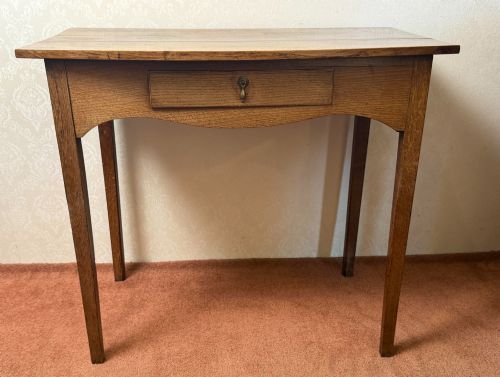
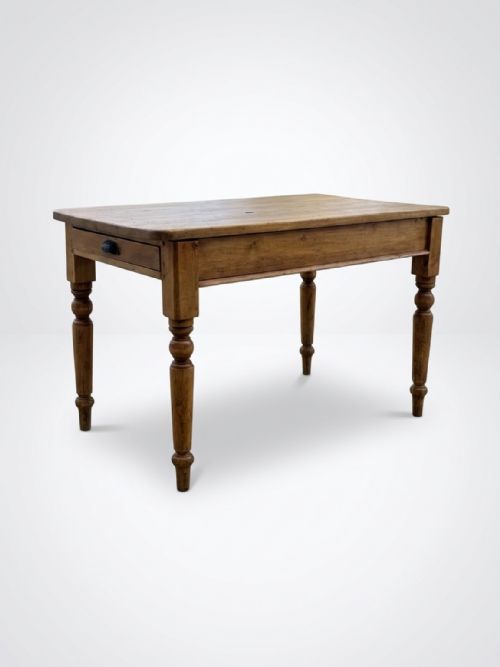
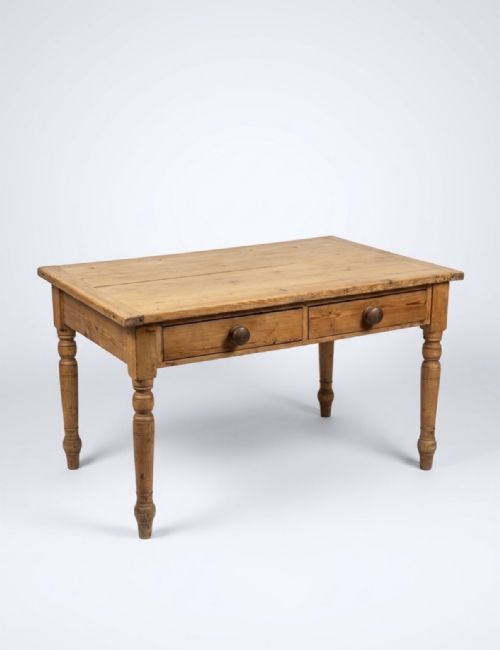
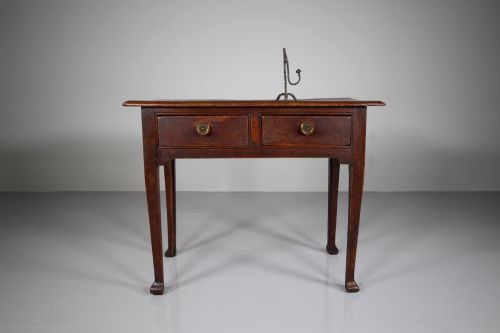
Rustic Hall Table
A rustic hall table grounds an entrance with honest timber and utility, offering sturdy surface space for everyday clutter.
Rustic Hall Table
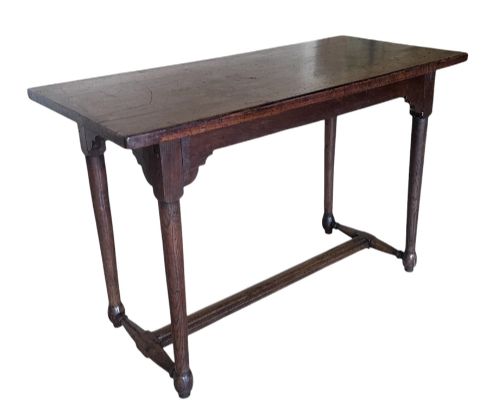
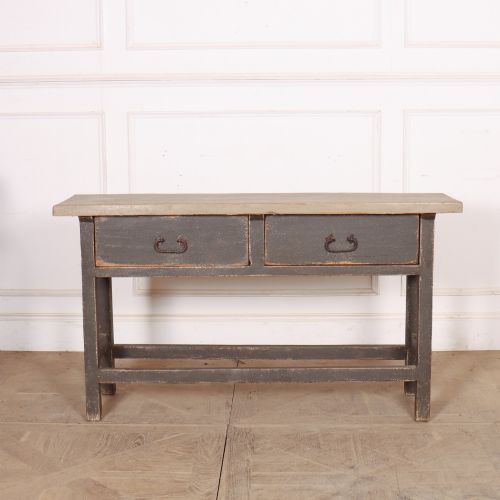
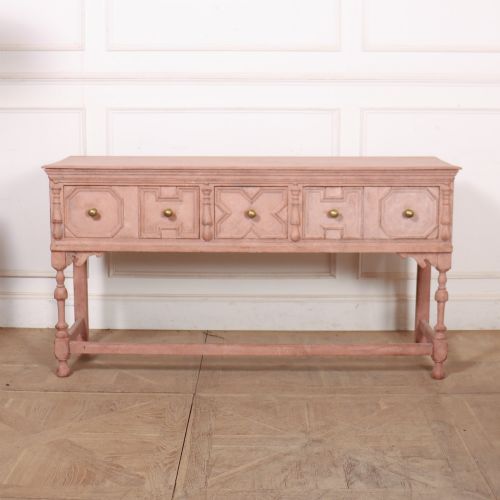
A rustic hall table encompasses practical side tables, console tables, and narrow servers designed for narrow spaces and heavy daily use. These forms emerge from domestic traditions across the eighteenth, nineteenth, and early twentieth centuries.
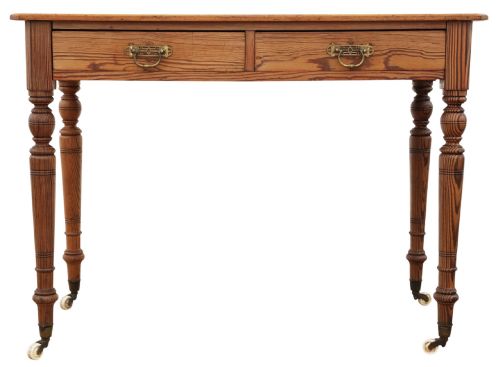
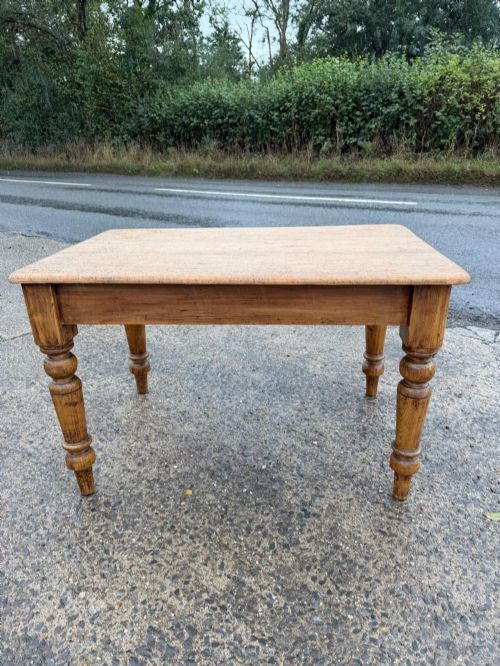
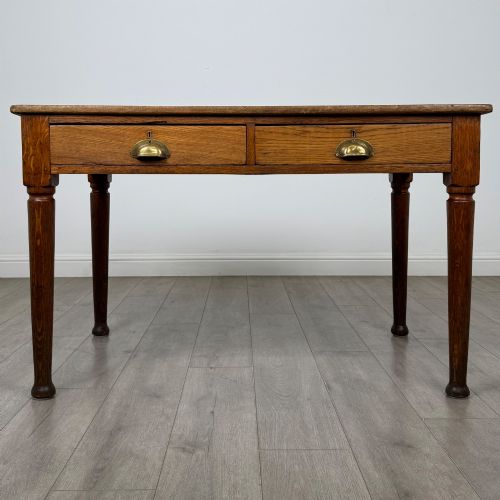
The version most frequently met on this page is constructed from solid oak or pine, often displaying the honest proportions of English country or Victorian utility pieces. Plain plank tops, single drawer friezes, and simple stretchers define their straightforward architecture.
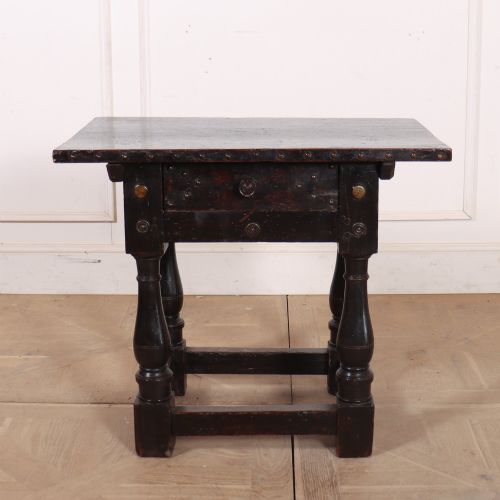
Makers drew on varied regional vernaculars, producing examples in elm, fruitwood, and painted surfaces that suit narrow corridors and reception rooms. Their modest depth ensures they fit easily against walls where deeper furniture fails to clear a passageway.
How they were made
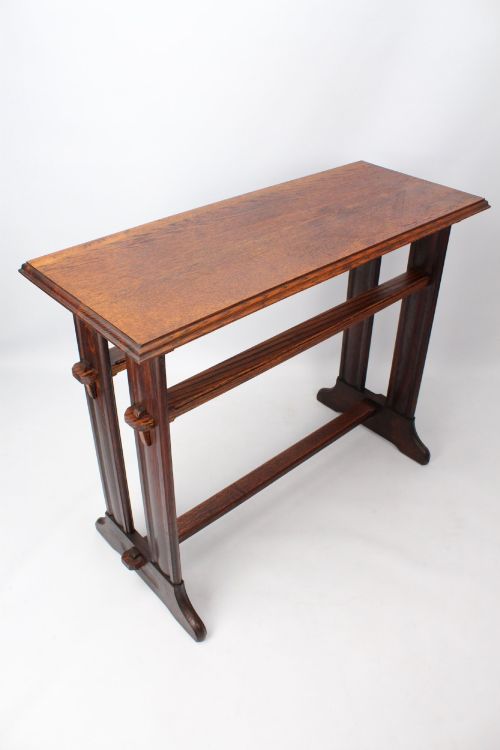
Joinery relies on sturdy pegged mortise and tenon construction, allowing heavy timber frames to bear weight without excessive metal bracing. Planks are selected for durability, showing natural grain patterns and knots that reflect domestic craftsmanship.
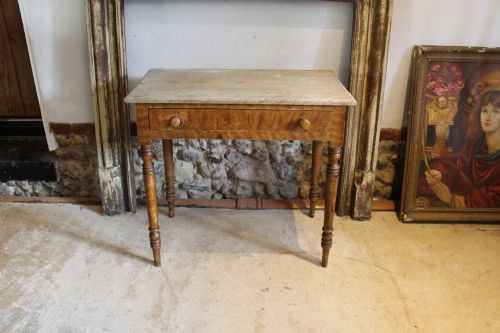
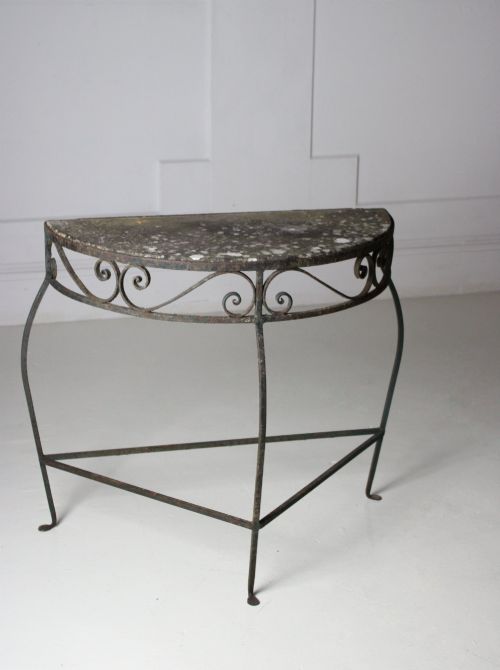
Secondary materials introduce contrasting textures, such as wrought iron supports, marble slabs, and original painted or scumbled finishes applied to pine and fruitwood. These surfaces endure through generations of service while maintaining their regional character.
Listings feature oak, pine, elm, and fruitwood alongside marble and wrought iron across eighteenth, nineteenth, and early twentieth-century examples.
What varies in quality
Proportion and timber selection dictate the standing of individual pieces, separating utilitarian workshop items from refined vernacular examples. Closely matched grain, well-proportioned frieze drawers, and untouched patination elevate the status of a plain wooden surface.
The integrity of original structural elements, such as unreplaced stretchers, undisturbed surface finishes, and period hardware, marks the distinction between heavily altered utility items and preserved historical furniture.
The Rustic Hall Table Glossary
- Frieze
- The horizontal band running beneath the top edge of a table frame. This area frequently houses a single fitted drawer.
- Scumble
- A decorative paint technique used to imitate wood grain or create mottled patterns on pine furniture. It protected cheaper timber while providing visual interest.
- Trestle
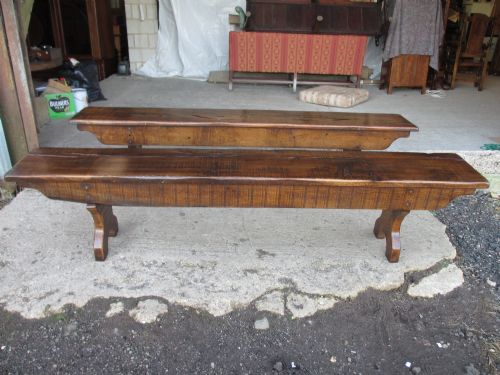
- A support structure consisting of a horizontal beam balanced on two sloped legs. It provides stable footing for long benches and heavy tables.
- Potboard
- A lower slatted shelf incorporated into dresser bases and heavy tables. It historically stored pots and heavy kitchen utensils off damp floors.
Rustic Hall Table: Frequently Asked Questions
Where should I place a rustic hall table?
These narrow tables suit entranceways, narrow corridors, and landings where floor space is limited. Their shallow depth allows them to sit flush against walls without obstructing doorways.
They also function effectively behind sofas or as serving surfaces in dining areas, providing display space for lamps and everyday items.
How do I care for antique timber surfaces?
Maintain unpolished and waxed wood surfaces by dusting gently with a dry cloth and applying natural beeswax sparingly to nourish the grain. Avoid placing timber furniture near direct heat sources to prevent splitting.
Keep marble and painted surfaces clean with mild, non-abrasive cloths to preserve original patination and prevent moisture damage.
Are these tables suitable for daily use?
Solid oak, pine, and fruitwood tables were built for rigorous domestic service and handle everyday tasks easily. Their robust joinery and durable tops withstand regular placement of keys, post, and decorative objects.
Using coasters and mats helps protect aged wooden surfaces from liquid rings and scratches while retaining their historical character.
How can I tell an older table from a later reproduction?
Examine the construction marks, timber shrinkage, and tool signatures hidden beneath or inside the frame. Hand-cut joinery, pegged joints, and uneven board widths indicate traditional workshop methods.
Original surfaces show consistent wear patterns and mellow patination accumulated over centuries rather than artificial distress marks.