
Rustic Hall Seat
A rustic hall seat provides immediate utility and character in an entryway, combining historic woodwork with practical seating.
Rustic Hall Seat
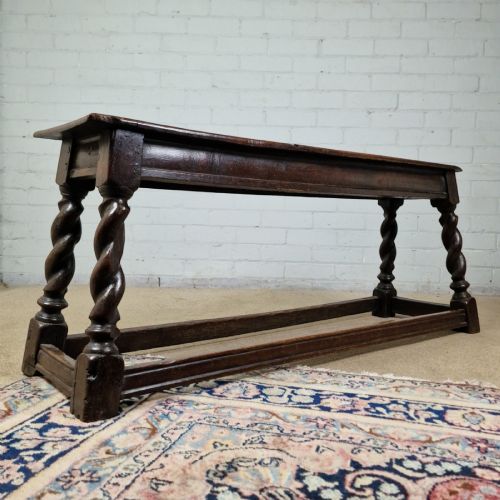
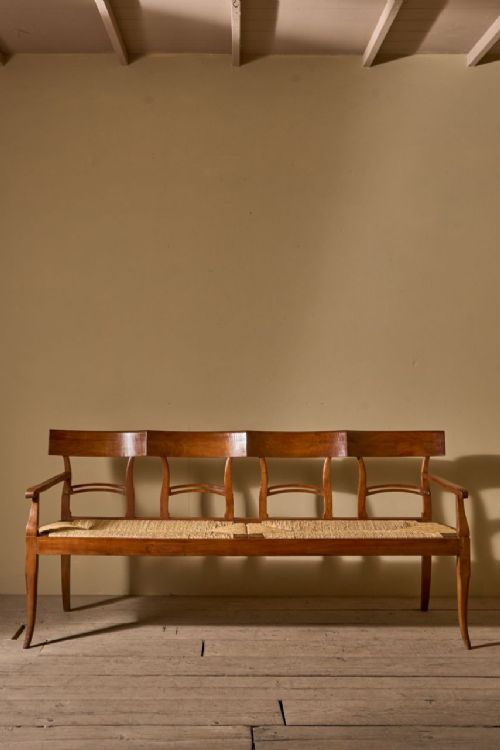
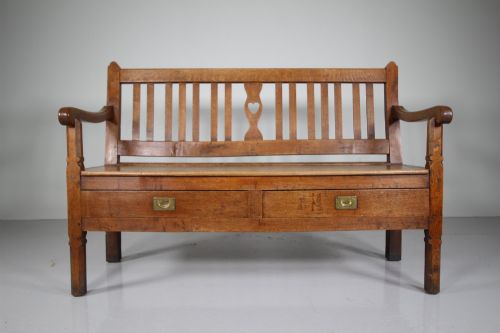
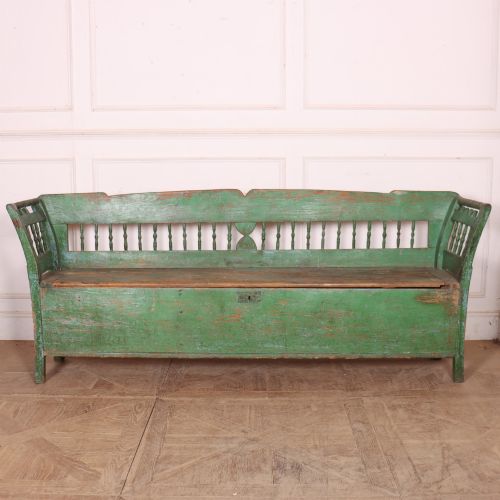
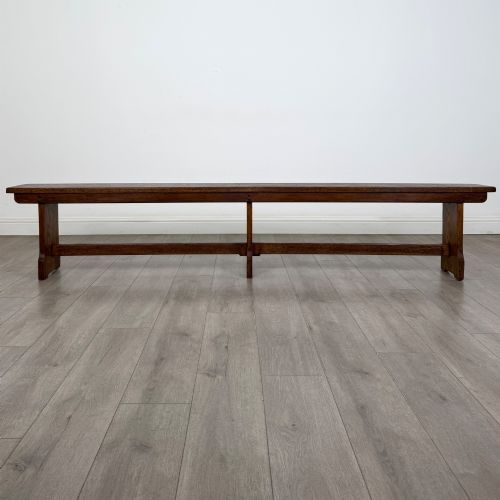
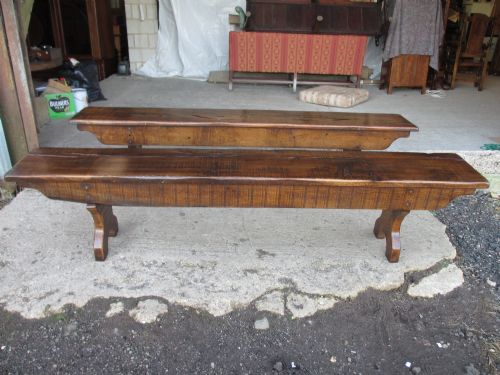
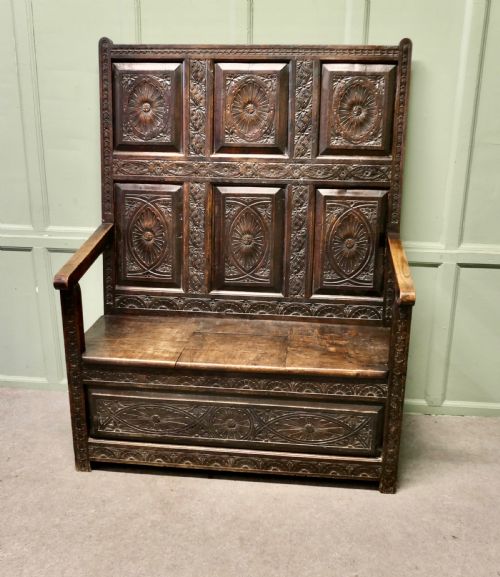
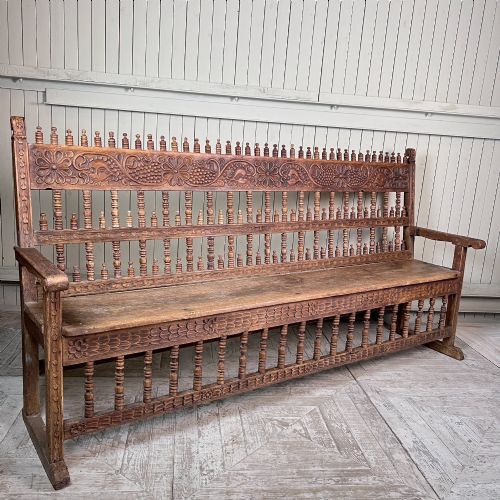
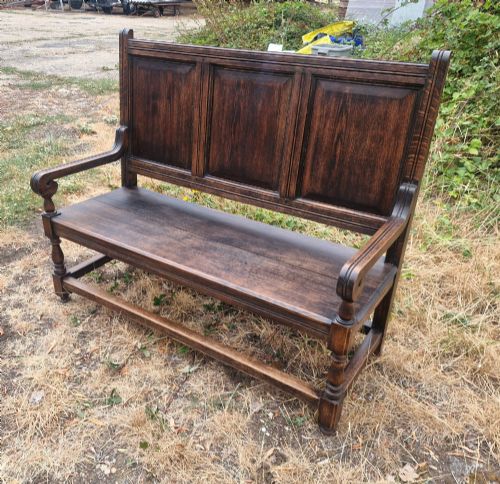
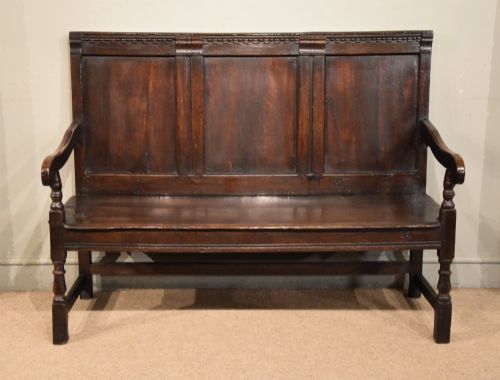
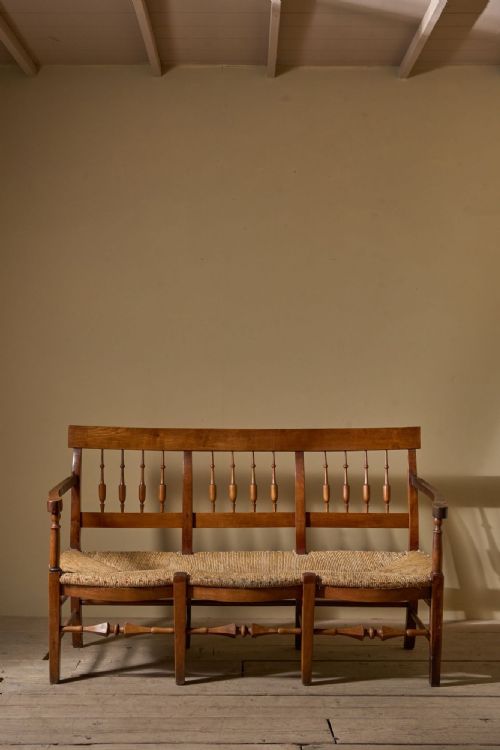
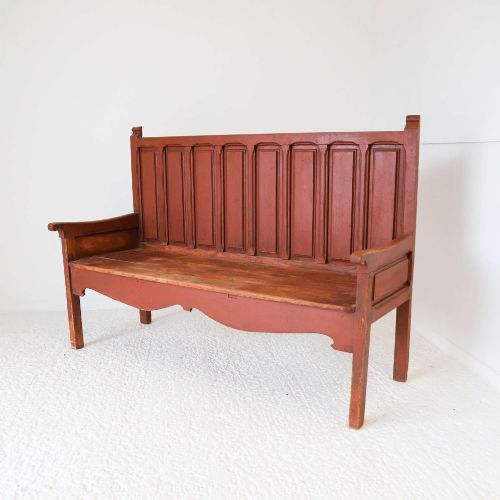
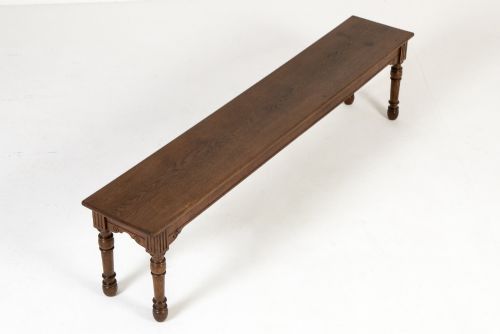
A rustic hall seat is a utilitarian bench designed for hallways, corridors, and boot rooms, incorporating traditional country styles like English Country, French Provincial, and Hungarian Folk Art. These pieces appear across several periods, most commonly the nineteenth century and the eighteenth century, taking forms such as settles, long benches, and box seats.
The most frequent finds on this page are pine and oak benches, alongside painted and waxed finishes from various European traditions. Surviving examples often display the robust construction typical of farmhouse furniture, serving practical storage or seating needs in domestic interiors.
Materials and construction methods
Makers relied on solid regional timbers such as oak, pine, cherrywood, and elm, often joining structural elements with pegged mortise and tenon joints to withstand heavy daily use. Surfaces were finished simply through waxing or painting, sometimes utilising vernacular pigments like cream, green, grey, or black.
Seating areas incorporate solid wood planks, woven rush, or lidded box compartments designed for storage, reflecting the domestic requirements of country workshops.
Listings feature timbers including pine, oak, cherrywood, and elm, spanning periods from the eighteenth century through the Edwardian era.
Evaluating the craftsmanship
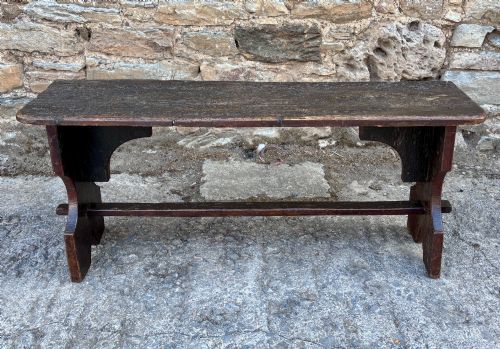
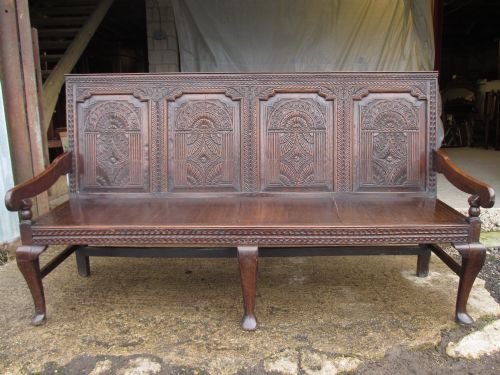
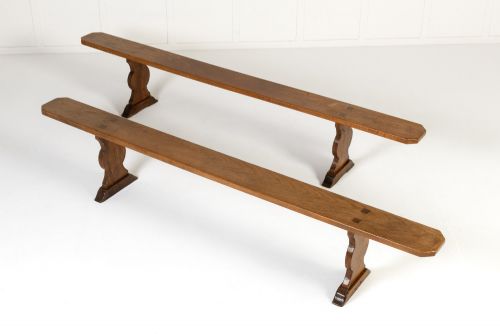
Quality rests in the integrity of the timber and the preservation of original surfaces, whether a deep historic wax or untouched early paint. Superior pieces retain their original structural components, such as shaped trestle ends, high paneled backs, or integrated box seats, without heavy timber replacement.
Simpler vernacular items display straightforward utility, while finer examples show careful carving, paneling, or distinct regional proportions that elevate a basic functional object into a piece of folk art.
The Rustic Hall Seat Glossary
- Settle
- A wooden bench with a high back, solid arms, and frequently a box seat beneath for storage. This form kept drafts away from occupants in older hallways and farmhouses.
- Box settle
- A specific type of settle featuring a hinged seat lifting to reveal a storage compartment. These units were standard in period domestic spaces for stowing garments and blankets.
- Trestle ends
- Support structures at either end of a bench, consisting of vertical feet connected to a central upright or board. This design provides robust floor support for long seating planks.
- Rush seating
- Woven marsh plant material forming the seat pad of a chair or bench. This traditional technique appears on various nineteenth-century country seating.
Rustic Hall Seat: Frequently Asked Questions
Where should I place a rustic hall seat?
These benches suit narrow entryways, corridors, and boot rooms where practical seating and storage are required.
Their substantial backs and narrow profiles allow them to sit flush against walls without obstructing pathways.
How do I care for waxed or painted pine furniture?
Maintain waxed pine surfaces by applying a traditional beeswax polish occasionally to nourish the timber and preserve the sheen.
Protect painted finishes by avoiding excessive moisture and cleaning gently with a dry or slightly damp cloth.
How can I tell an eighteenth-century settle from a nineteenth-century copy?
Examine the construction joints, timber patination, and tool marks visible on the underside and interior surfaces of the wood.
Older pieces display hand-cut joinery and natural wear patterns accumulated through generations of domestic use.