


Rustic French Kitchen Island
A rustic french kitchen island brings honest working history and warmth into the heart of the home.
Rustic French Kitchen Island
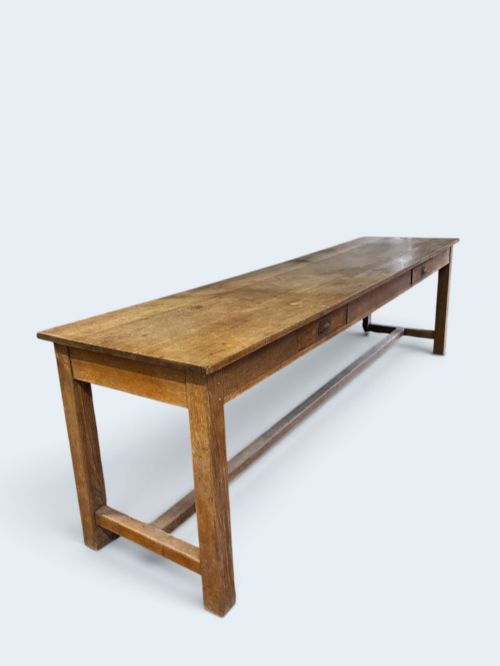
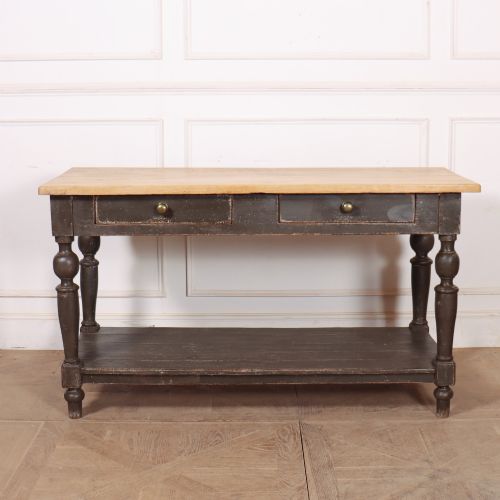
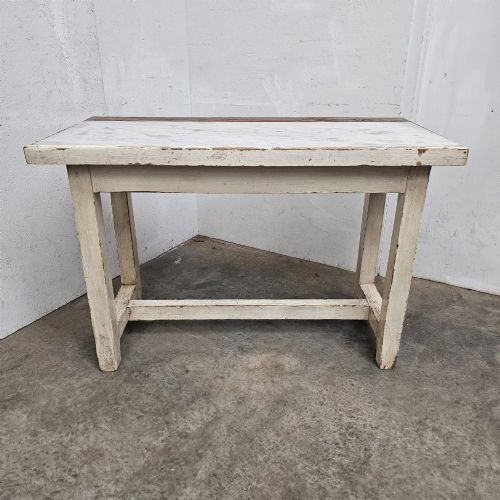
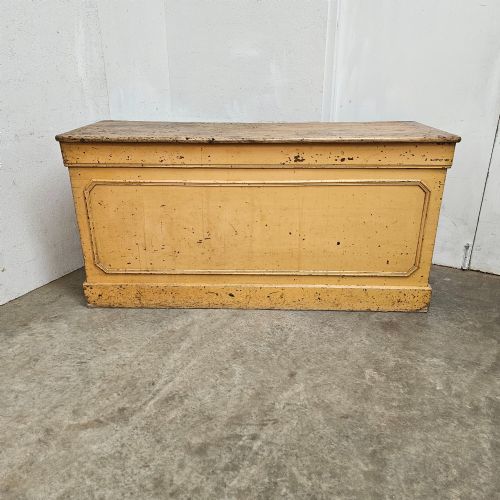
A rustic french kitchen island covers hard-working antique tables and preparation surfaces originating from France, spanning the eighteenth, nineteenth, and early twentieth centuries. Buyers seeking this type of furniture will find utility pieces designed originally for trade, domestic preparation, or rural labour rather than formal dining.
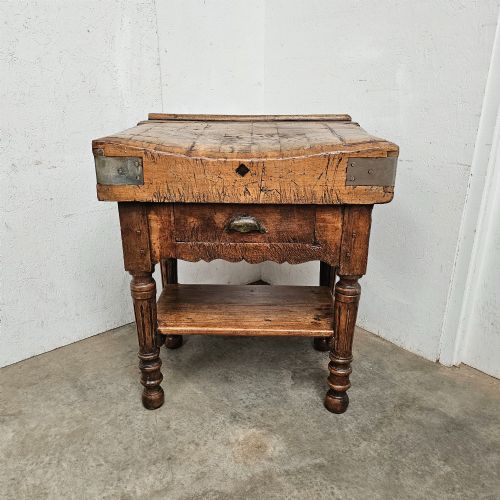
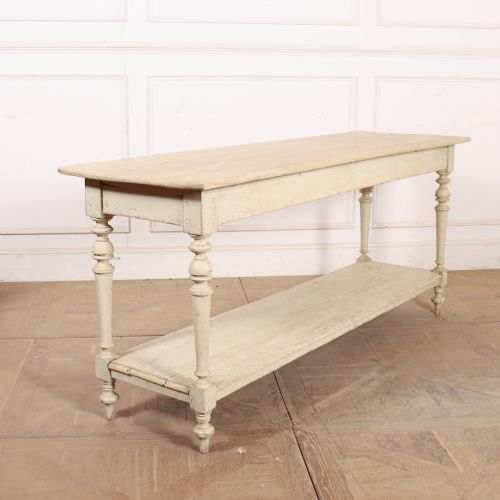
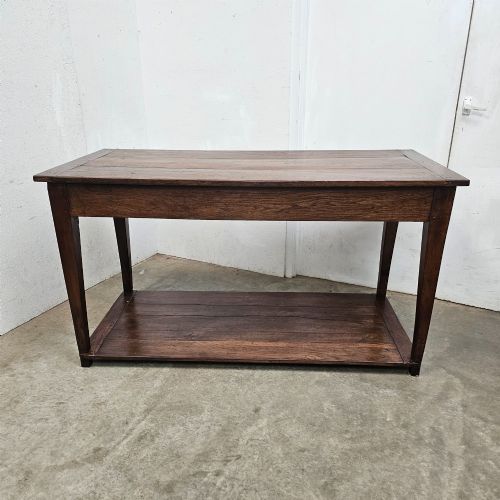
The selection on this page relies heavily on nineteenth-century examples alongside a few eighteenth-century and early twentieth-century pieces. Forms range from drapers tables and shop counters to artisans workbenches, butchers blocks, and serving tables.
Oak, pine, and beech dominate the construction, often paired with functional additions like drawers, pot-shelves, or vices. These pieces bring substantial weight and practical surface area to contemporary kitchens.
How they were made
Makers constructed these working pieces from robust timbers like oak, pine, beech, and walnut, selecting materials for sheer durability under heavy daily use. Two-board tops and solid panelled frames demonstrate traditional joinery designed to withstand continuous chopping, kneading, and retail trade.
Surfaces frequently show the honest evolution of material, from bleached oak and natural grain to layers of original paint. Iron and brass hardware, including vices and drawer pulls, provide the mechanical strength required for artisans and shopkeepers.
Several heavy workbenches retain their original wooden vices, ready to clamp down on an errant baguette.
What varies in quality
Quality in a rustic french kitchen island rests upon the integrity of the original timber and the honesty of its working life. Pieces retaining their original paint, integrated vices, or untrimmed proportions command attention for their historical survival.
Proportion and scale also dictate distinction, from monumental lengths of oak to compact chopping blocks on decorative bases. The depth of patination on a scrubbed pine or bleached oak top marks the difference between a routine utility table and a superior example of regional craft.
Trussant and Cie
The Rustic French Kitchen Island Glossary
- Drapers table
- A long, narrow utility table historically used in textile shops for measuring and folding cloth, now prized for domestic kitchen prep.
- Butchers block
- A thick, solid wooden block designed for heavy meat preparation, usually set upon a sturdy wooden stand or base.
- Work bench
- A heavy carpenter or artisan table equipped with functional additions such as wooden vices and tool wells.
- Pot-shelf
- An open lower shelf fitted beneath a table or serving surface, historically utilised for storing pots, pans, and heavy kitchen wares.
- Patina
- The deep surface sheen and character acquired by wood and metal through decades of handling, cleaning, and exposure.
Rustic French Kitchen Island: Frequently Asked Questions
What is a drapers table?
A drapers table is a long, narrow wooden table originally built for measuring and folding textiles in nineteenth-century French shops. Their slender proportions and generous length make them exceptionally useful as freestanding kitchen islands.
Most examples feature lower pot-shelves or drawers that provide practical storage beneath the primary work surface.
How do I maintain an antique wooden top?
Maintain antique wooden surfaces by cleaning them with a damp cloth and nourishing the timber periodically with natural oils or waxes. Avoid excessive moisture and harsh chemical cleaners to preserve the historic patina.
Regular care protects the grain of oak, pine, and beech without erasing the marks of previous working life.
How do I date a nineteenth-century piece?
Dating relies on observing construction methods, timber selection, and the presence of original paint or hardware. Eighteenth-century and nineteenth-century examples often display hand-cut joinery and heavy board tops shaped by manual tools.
Makers marks and regional French provincial styles further help narrow the era of production.