
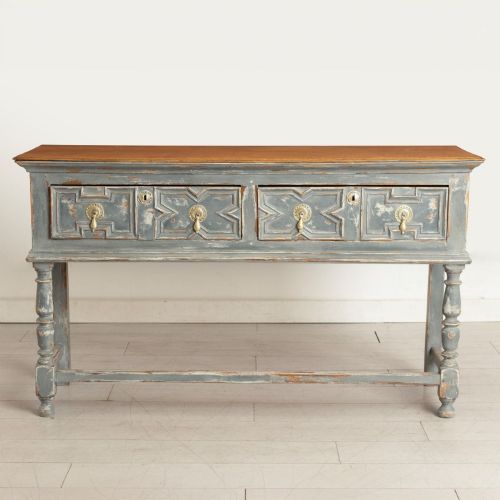
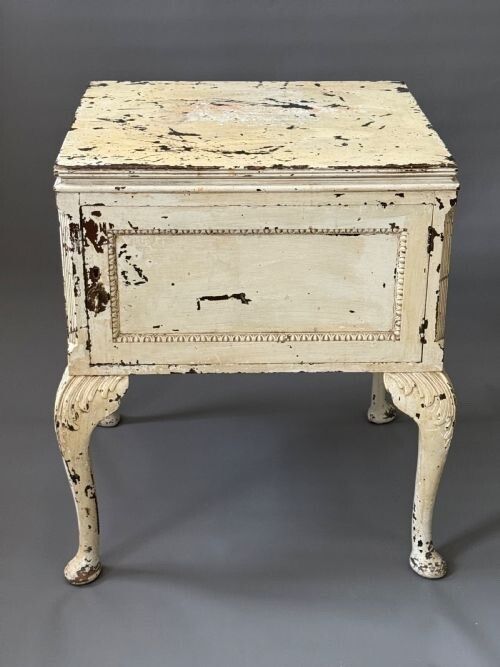
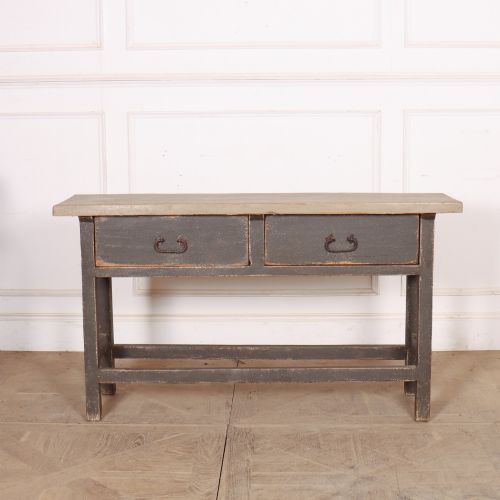
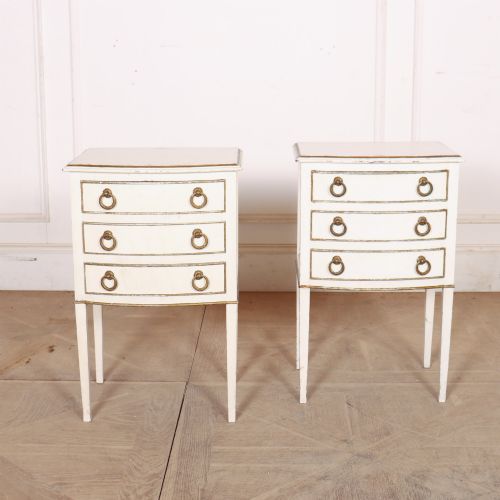
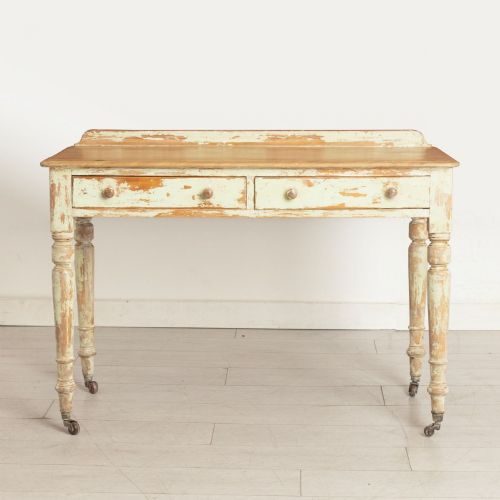
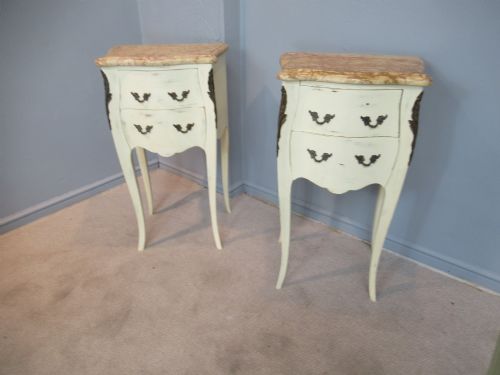
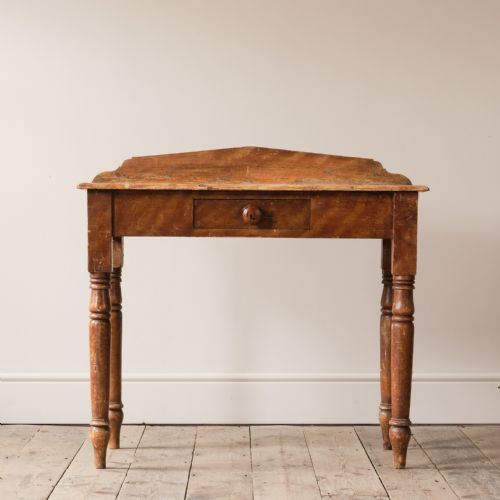
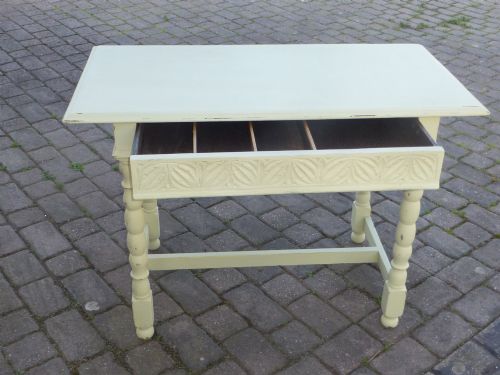
Painted Side Table with Drawers
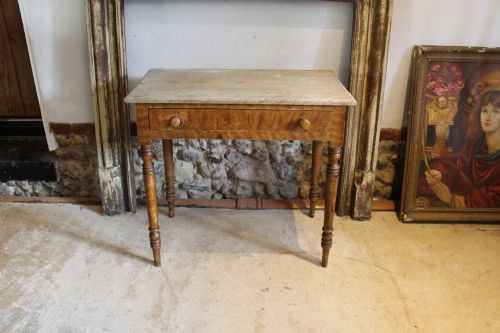
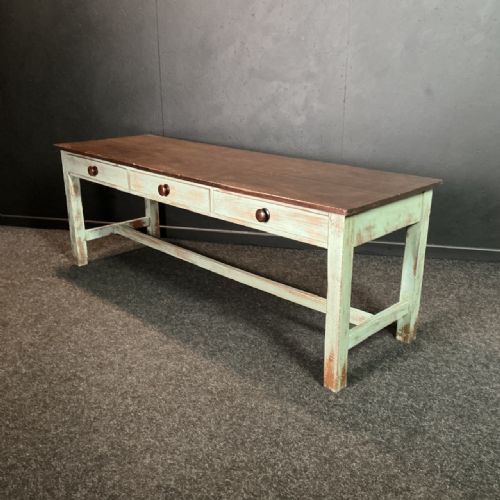
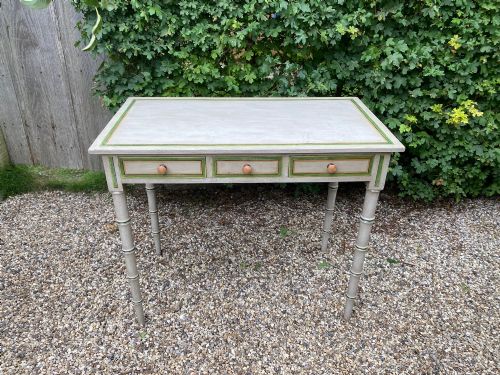
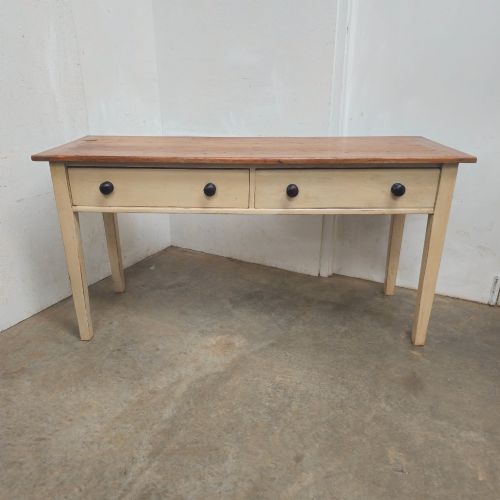
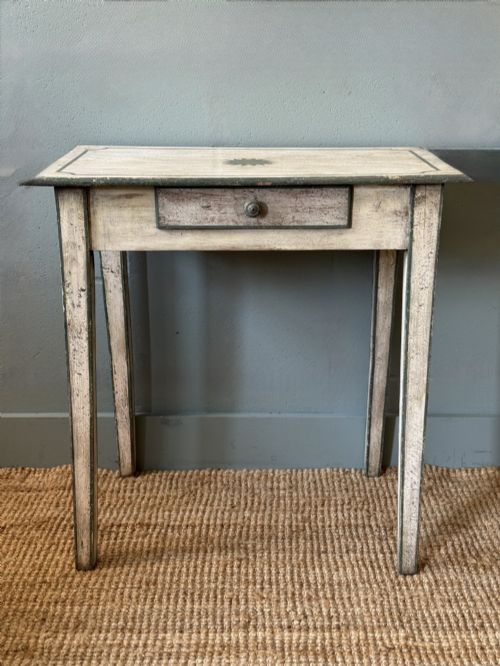
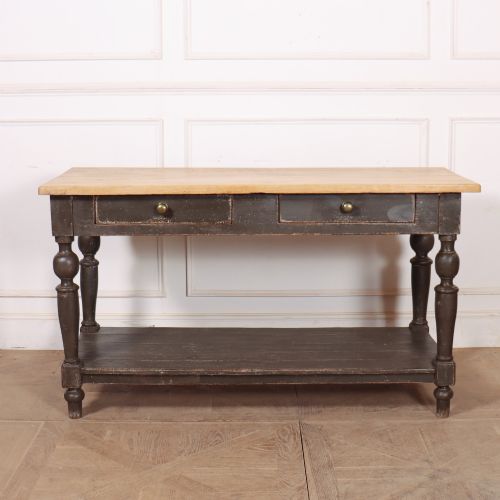
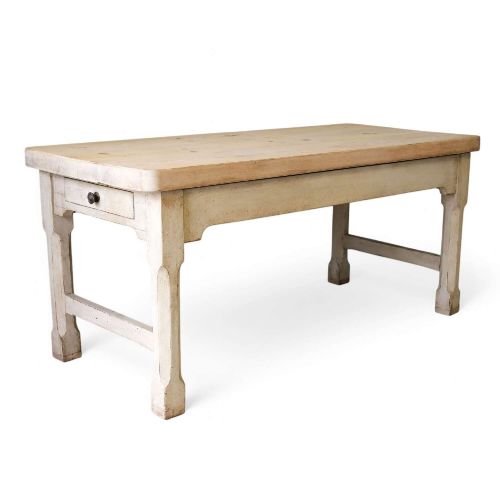
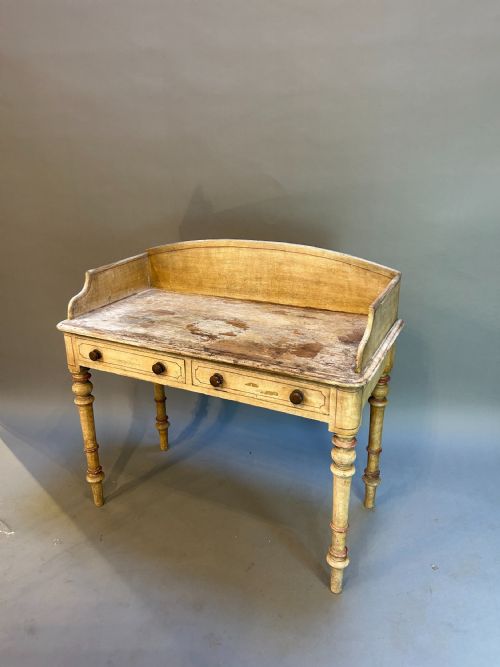
These painted side tables with drawers combine functional storage with decorative surface colour, offering practical character for any room.
Painted Side Table with Drawers
A painted side table with drawers brings together compact storage and surface utility, frequently appearing as pine or mahogany pieces from the nineteenth century and Victorian periods. Buyers seeking these items will find examples ranging from French Country and Scandinavian Country styles to Late Georgian and Victorian Country forms.
The selection here includes specific variants such as bedside cabinets, console tables, writing desks, and serving tables equipped with drawers. Many retain original paint finishes on pine or timber structures, spanning kitchen tables, washstands, and work tables.
How they were made
Construction relies primarily on timbers such as pine, mahogany, and oak, shaped into practical furniture frames featuring functional drawers and supportive legs. Wood surfaces receive layers of paint, with numerous items preserving their original painted finishes and hand-painted decorative details.
Hardware components like brass fittings complement the wooden structures, while specific examples incorporate carved elements or tiered shelving. The construction reflects traditional cabinet-making and joinery techniques suited to domestic and work environments.
The site listings feature nineteenth-century and Victorian pine and mahogany furniture, spanning English, French, and Scandinavian country styles.
What varies in quality
The distinction between tiers rests upon the survival and integrity of the original paint surface relative to later decorative layers. Pieces that retain untouched surface patination and authentic hardware command greater interest from discerning collectors.
Structural honesty and timber selection also differentiate the range, where well-proportioned framing in pine or mahogany paired with cleanly sliding drawers demonstrates superior craftsmanship.
The Painted Side Table with Drawers Glossary
- Original paint
- A surface coating applied when the piece was first made that has survived without subsequent repainting. This preservation contributes significantly to the historical integrity and visual character of the furniture.
- Pine
- A softwood commonly used for utilitarian and country furniture throughout the nineteenth century. It takes paint exceptionally well and forms the base material for many regional European tables.
- Mahogany
- A dense, durable hardwood favoured during the Georgian and Victorian eras for finer cabinet-making. Its rich grain often underlies painted or polished finishes on sophisticated side tables.
- Console table
- A table designed to stand against a wall, frequently secured with brackets. In the context of painted furniture, these pieces often feature decorative legs and functional drawer storage.
Painted Side Table with Drawers: Frequently Asked Questions
Are these tables suitable for daily use?
These tables provide practical surface space and functional drawers designed for everyday domestic tasks. Their sturdy construction in pine or mahogany allows them to serve reliably in hallways, bedrooms, or living spaces.
Care should be taken to protect original painted surfaces from excessive moisture and heat. Using coasters and gentle cleaning methods preserves the historic finish over time.
How can I identify original paint?
Original paint typically exhibits natural wear patterns, craquelure, and microscopic accumulation of dirt consistent with age. Multiple underlying layers or flat modern sheens often indicate later repainting.
Examining the edges of drawers and hidden undersides helps reveal the chronological relationship between the wood substrate and the surface colour.
What is the difference between regional styles?
Regional variations stem from the local timbers available and the domestic traditions of makers in areas like France, Scandinavia, and Britain. French and Scandinavian pieces frequently employ lighter pine with distinctive country painted motifs.
British Victorian and Georgian examples tend to utilise denser woods like mahogany or heavier pine constructions. These structural choices reflect the specific interior aesthetics of their origin.
How do I care for a painted wooden surface?
Maintain painted furniture by dusting regularly with a soft, dry cloth to prevent particulate buildup. Avoid harsh chemical cleaners and abrasive cloths that can strip historic pigments.
Keeping the furniture away from direct sunlight and fluctuating humidity prevents the wood from expanding and the paint from flaking.