
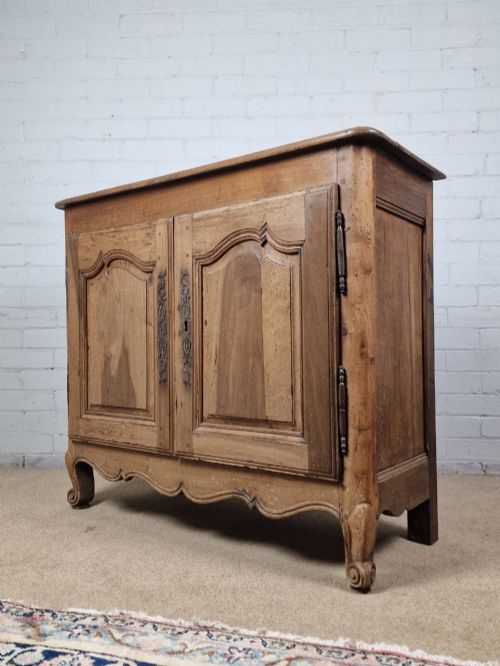
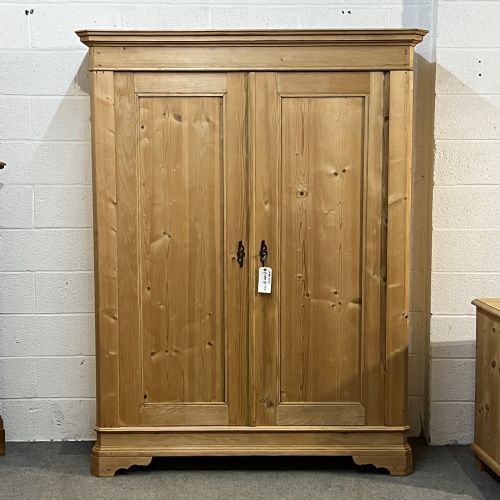
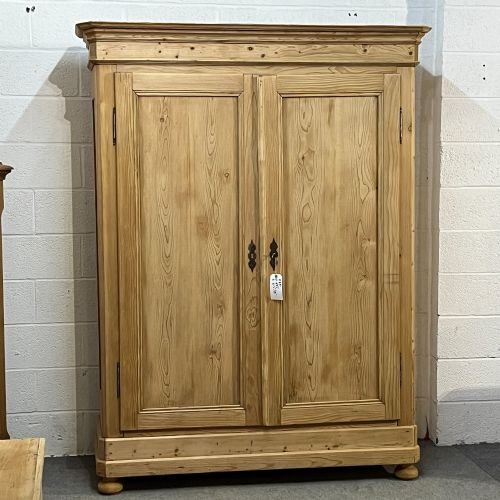
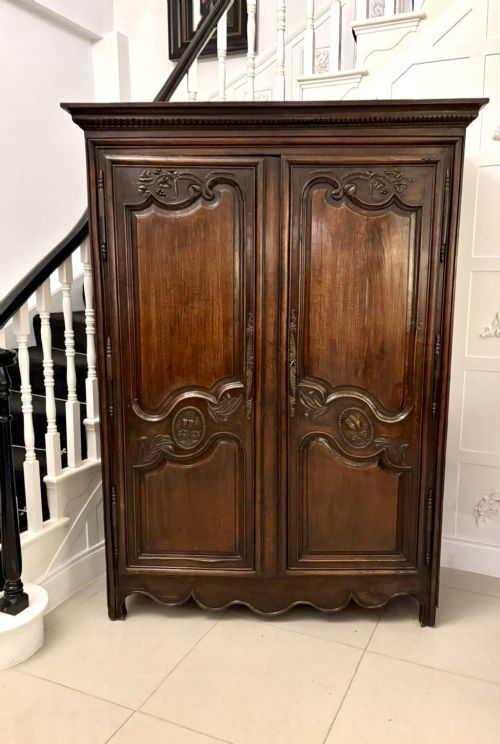
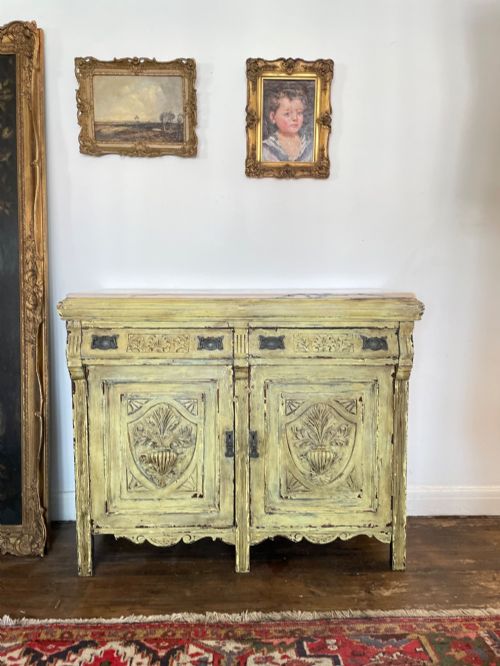
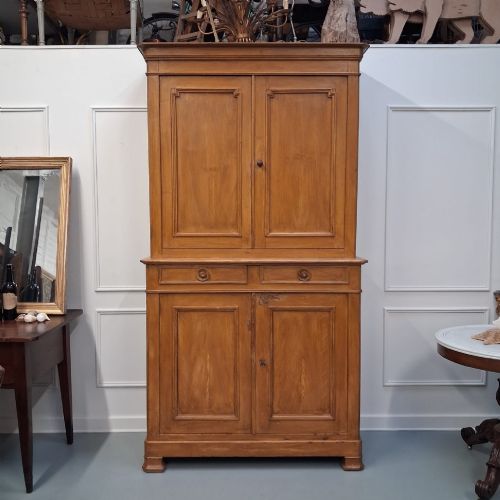
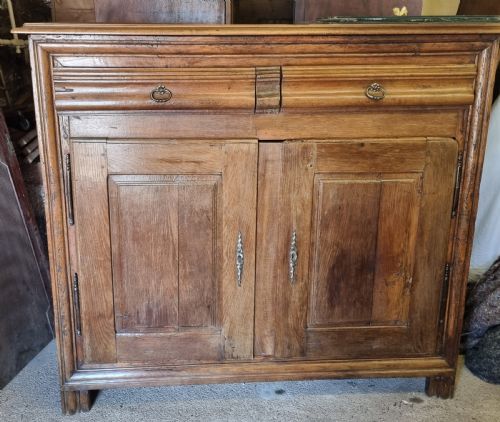
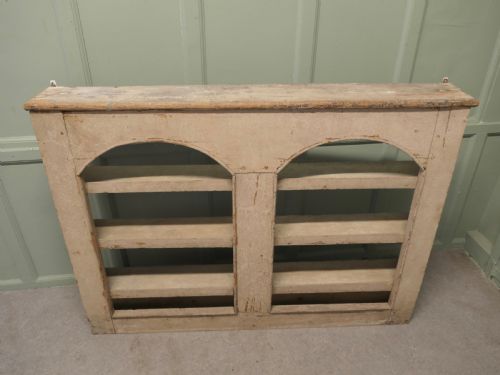
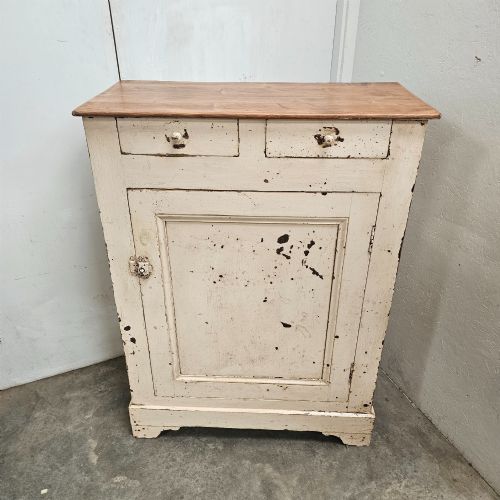
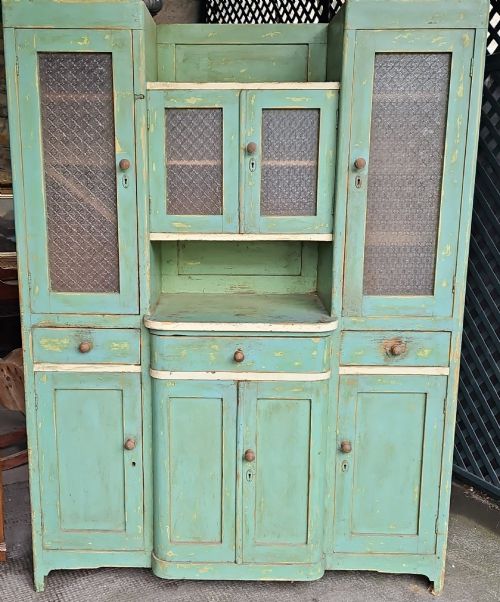
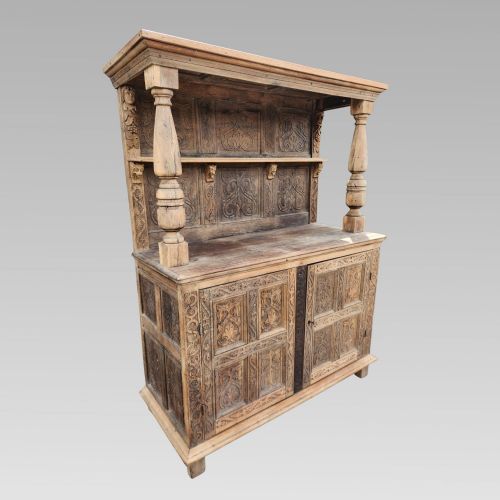

Rustic French Cupboard
A rustic french cupboard brings tangible history and honest utility into a home, shaped by regional hands centuries ago.
Rustic French Cupboard
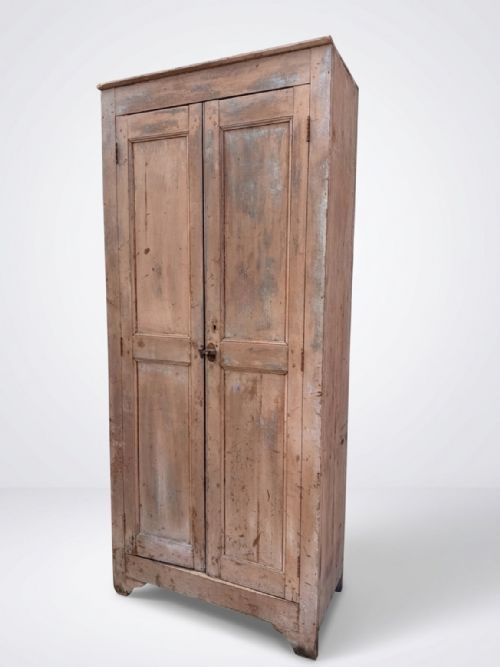
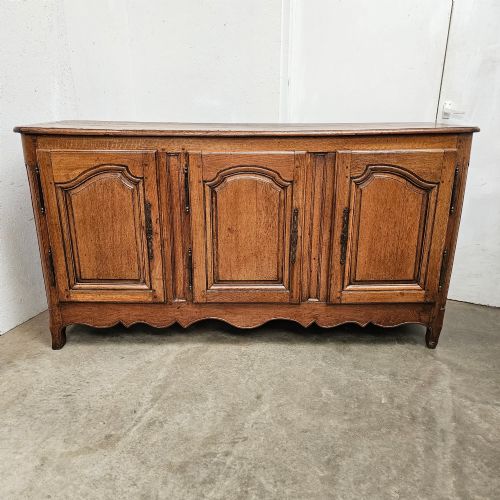
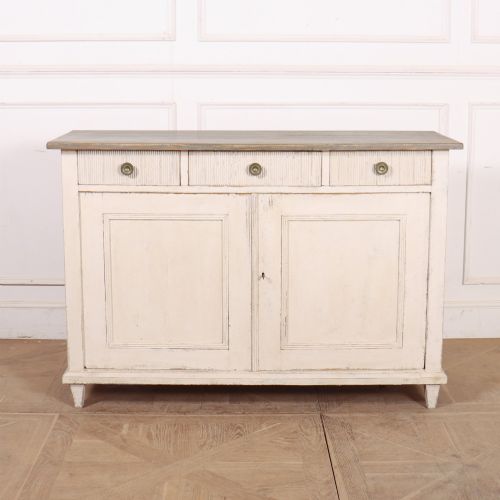
A rustic french cupboard encompasses a diverse range of storage forms built for provincial homes, from tall wardrobes and food safes to low sideboards and corner units. These pieces originate from various eras, stretching back to the seventeenth century through the Victorian period and into the early twentieth century.
The version most commonly encountered on this page is constructed from solid oak or pine, often displaying regional styles such as French provincial or rustic country. They serve everyday household functions just as they did originally in kitchens, hallways, and living spaces.
Buyers encounter specialised regional forms like the panetiere or bread safe, alongside practical housekeepers cupboards and grand armoires. Each item reflects the domestic requirements of its specific period and province of origin.
How they were made
Construction relies heavily on timbers available locally, predominantly oak and pine, alongside walnut, fruitwood, cherry, and chestnut. Cabinet makers utilised traditional joinery methods to build durable frames capable of enduring generations of domestic service.
Metal components such as iron, brass, wrought iron, and steel provide structural support and operational hardware like hinges and latches. Many surfaces retain historic painted finishes, bleached treatments, or natural patinas developed through years of use.
Certain cupboards bear the scars of former agricultural life, carrying dried farm paint and cellar dust straight from French manoir floors.
What varies in quality
Quality rests in the integrity of the timber selection and the retention of original structural elements rather than uniform surface perfection. Pieces fashioned from dense heartwood oak or heavy pine exhibit greater structural resilience over centuries.
The refinement of hand-carved details and the preservation of original painted surfaces or hardware distinguish finer provincial examples from utilitarian workshop output. Balance in proportion and authenticity of period fixings elevate individual pieces within their category.
The Rustic French Cupboard Glossary
- Enfilade
- A long sideboard or cabinet featuring a continuous line of multiple doors and drawers across the front. This form originated in grand dining spaces for serving food and storing tableware.
- Panetiere
- A traditional ventilated wall cabinet designed specifically for storing and protecting loaves of bread from household pests. These pieces frequently feature turned wooden spindles and delicate carved details.
- Armoire
- A large freestanding wardrobe used originally for storing garments and household textiles. They typically feature heavy double doors enclosing deep shelf space or hanging areas.
- Confiturier
- A small cupboard traditionally utilised for storing confit meats and preserves in provincial kitchens. They stand lower than full-sized cabinets and often contain a single door above a small drawer.
- Buffet à deux corps
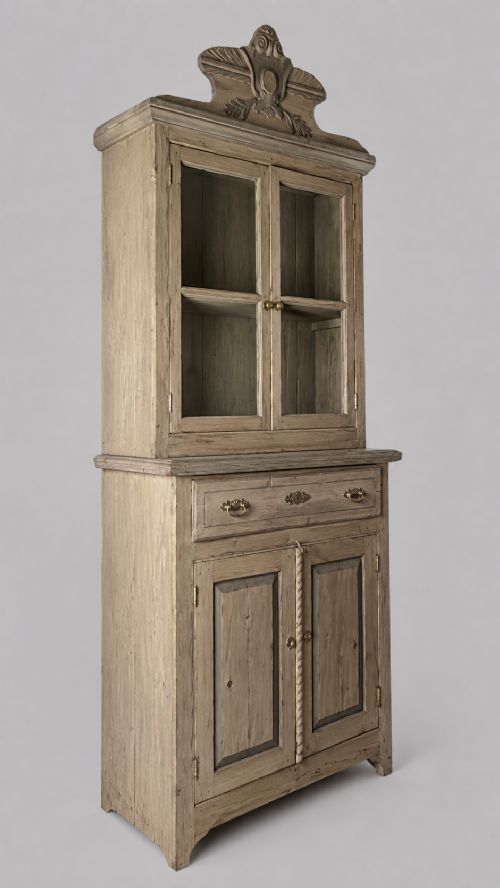
- A large two-piece storage unit comprising a lower sideboard base surmounted by an upper cabinet section. This substantial form provided ample display and storage capacity for domestic wares.
Rustic French Cupboard: Frequently Asked Questions
What rooms suit a rustic french cupboard?
These versatile storage units integrate naturally into kitchens for provisions, hallways for linens, or living areas as focal display cabinets. Their substantial timber construction anchors modern and traditional interior schemes alike.
Selecting the appropriate scale ensures the piece complements surrounding furniture without dominating the floor plan or obstructing movement through the space.
How do I care for antique timber?
Maintaining dry timber requires consistent indoor humidity levels and protection from direct heat sources that cause wood to split. Regular dusting with a dry cloth preserves the natural wax or oil finish without stripping historic patina.
Avoid applying modern silicone polishes, which penetrate the grain and alter the appearance of centuries-old surfaces permanently.
Are painted finishes original?
Many provincial pieces received layers of paintwork over generations as owners redecorated to suit changing domestic tastes. Examining underlying paint layers reveals whether a finish dates to the period of manufacture or represents later maintenance.
Both original and historic layered paint finishes contribute to the visual character and historical narrative of the cabinet.
How do regional styles differ?
Makers utilised whatever local woods grew abundantly in their specific province, creating distinct regional identities through timber choice and carving motifs. Mountain cabinets favored heavier structural framing to withstand colder climates, while coastal pieces utilised lighter woods.
Noticing the specific details in the joinery and hardware often points directly to the geographic workshop origin.