


Rustic Drop Leaf Table
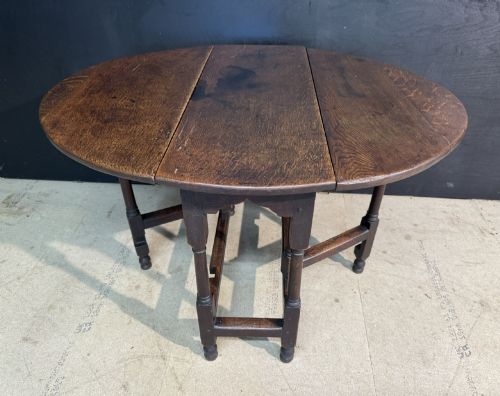
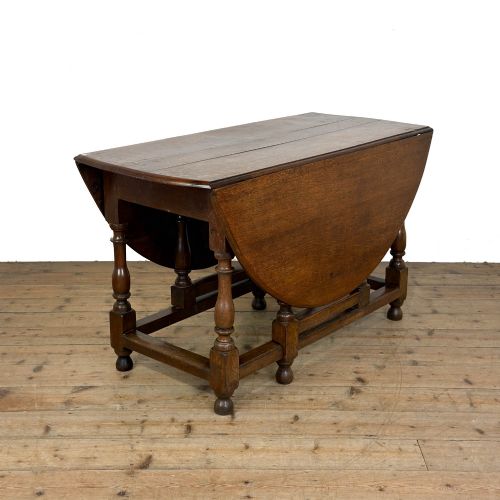
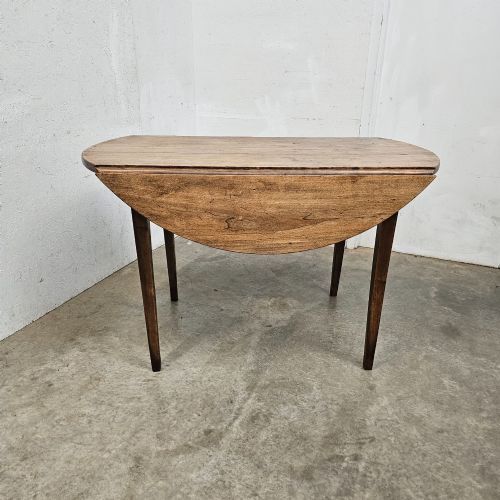
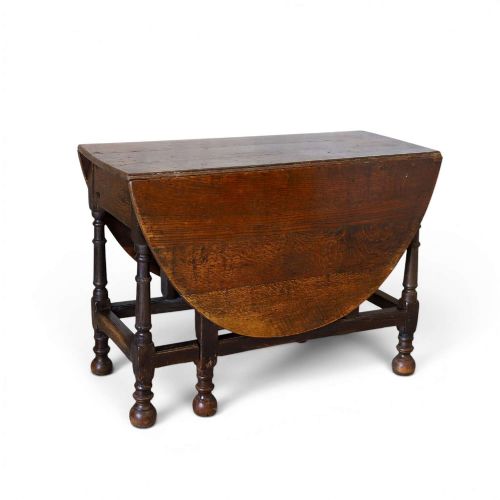
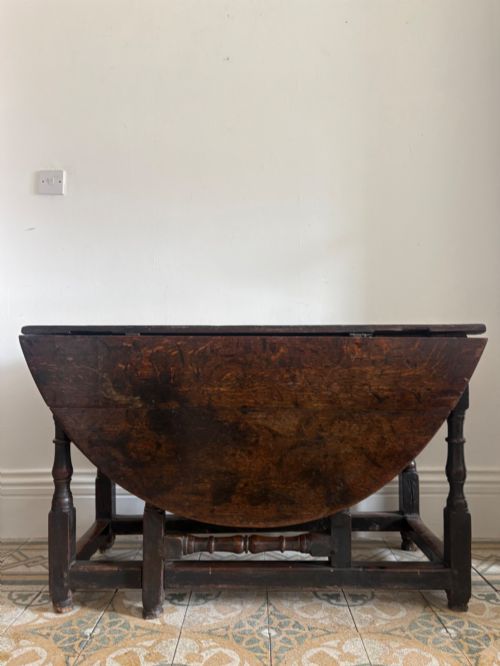
A rustic drop leaf table provides a practical, folding surface rooted in centuries of vernacular woodworking.
Rustic Drop Leaf Table
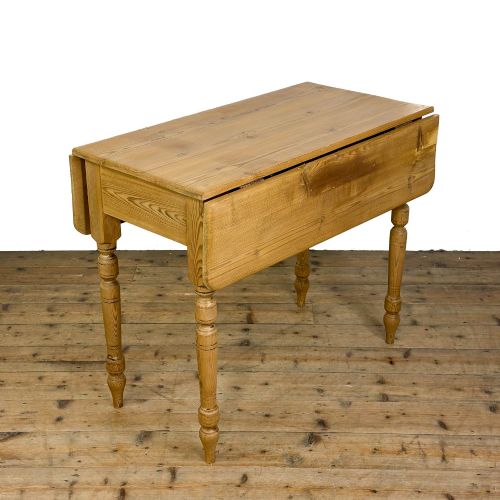
A rustic drop leaf table brings practical, space-saving utility to domestic interiors through hinged flaps that lift and drop as needed. When searching for a rustic drop leaf table, buyers encounter forms ranging from compact side tables to large dining surfaces.
The pieces appearing here span several centuries, with particular strength in examples dating from the seventeenth, eighteenth, and nineteenth centuries. Regional traditions emerge strongly, encompassing English oak gatelegs, French provincial elm pieces, and Swedish painted pine tables.
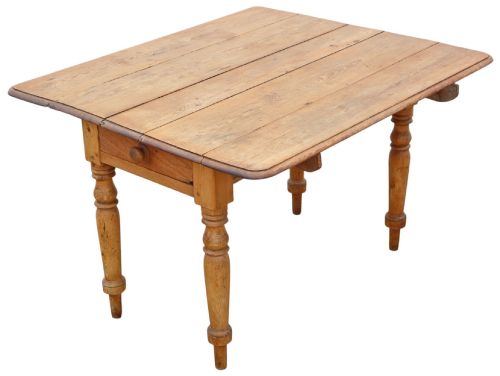
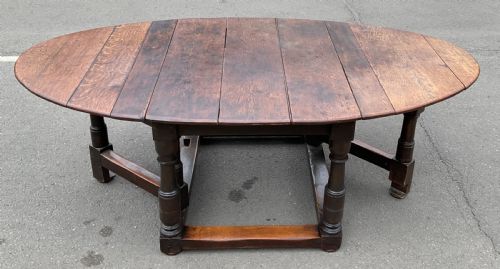
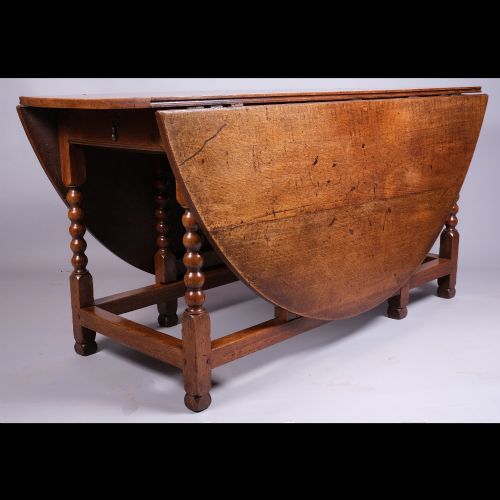
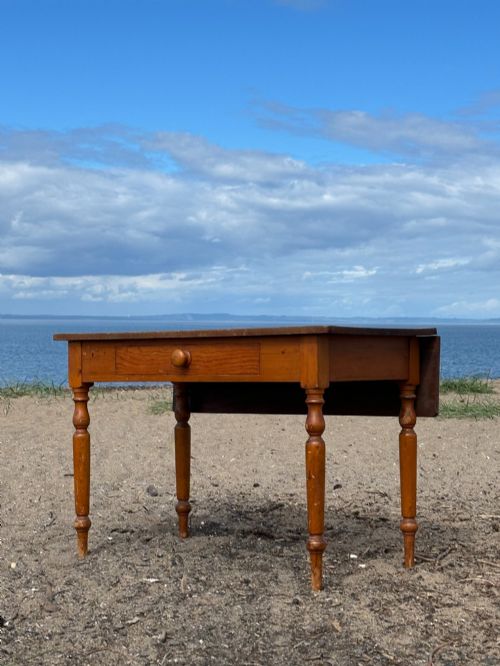
Domestic applications vary according to scale and format. Smaller pine and fruitwood versions serve as kitchen preparation or coffee tables, while substantial oak and walnut gateleg designs function as dining and centre tables.
How They Were Made
Cabinet makers and vernacular joiners relied primarily on solid timbers such as oak, pine, elm, and fruitwood, often selecting thick planks for tops and turning structural supports on a lathe.
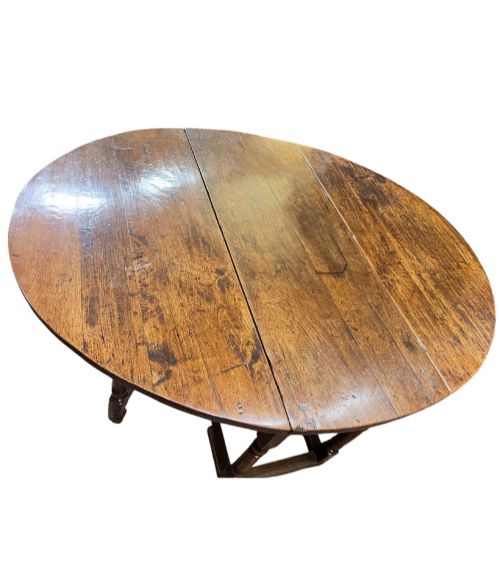
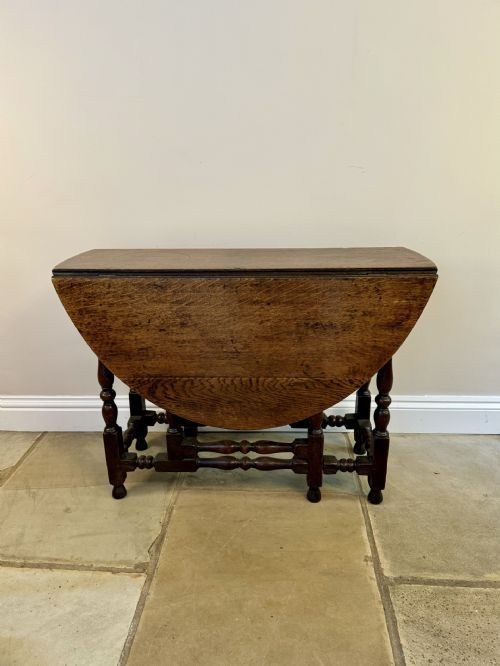
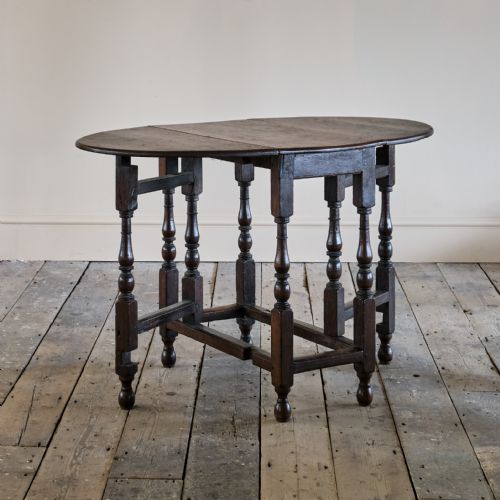
Gateleg mechanics depend on hinged swinging legs that pivot to support the dropped leaves, frequently secured with original iron or brass fittings.
Surface treatments range from waxed and scrubbed natural grain to historical painted finishes in grey, green, or white.
Listings feature timbers including oak, pine, elm, fruitwood, walnut, and mahogany across centuries of domestic furniture production.
What Varies in Quality
The integrity of the timber and the retention of original structural elements define the standing of individual examples. Tables retaining their early hinges, uncompromised plank tops, and untouched surface patination command greater regard from collectors.
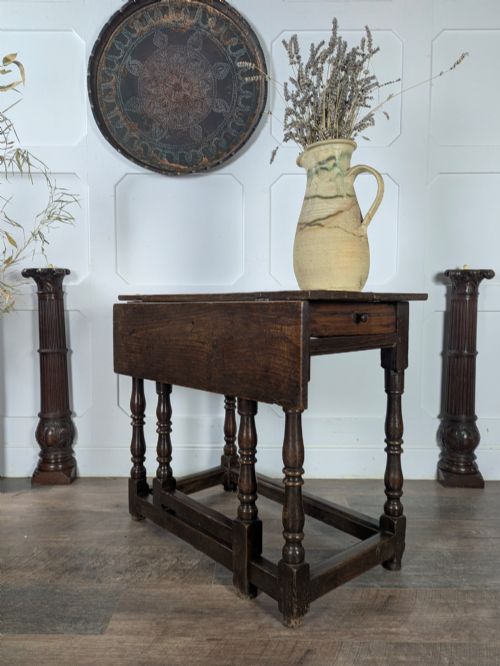
Proportion and scale influence desirability, particularly where turned baluster posts or bobbin legs remain crisp and well-balanced against the overall frame. Altered heights or heavily replaced structural timbers shift a piece away from its original vernacular context.
The Rustic Drop Leaf Table Glossary
- Gateleg table
- A table with hinged flaps and swinging legs that pull out to support them when raised. This construction allows a large surface to fold down compactly.
- Drop-leaf table
- Any table featuring a fixed central section and one or two hinged flaps. It offers flexible sizing for smaller rooms.
- Pembroke table
- A small rectangular table with two drop leaves on opposite sides, usually fitted with a drawer. George III examples often served in parlour settings.
- Slagbord
- A traditional Scandinavian drop-leaf dining table format. These frequently appear in painted pine.
- Baluster
- A moulded column or post used as a table leg. Turned variations provide structural support in seventeenth and eighteenth-century pieces.
Rustic Drop Leaf Table: Frequently Asked Questions
How do I use a drop leaf table in a small space?
Keep the leaves dropped against a wall when floor space is needed, then lift them when hosting guests or preparing meals. This flexibility makes them suitable for compact kitchens and dining rooms.
Their narrow profile when folded allows them to function as side or console tables until their full surface area is required.
What is the difference between a gateleg and a standard drop leaf table?
A standard drop leaf table relies on simple hinged brackets or swing arms attached to the fixed frame. A gateleg table uses pivoting legs that swing out like a gate to physically support the extended leaves.
Gateleg designs generally accommodate heavier timbers and larger dining formats, particularly in seventeenth and eighteenth-century oak.
How do I care for antique pine and oak surfaces?
Maintain timber surfaces by applying natural beeswax periodically and avoiding excessive moisture. Use coasters and mats to protect scrubbed or polished tops from heat and liquid rings.
Harsh chemical cleaners strip historical patination, so mild soap and a damp cloth suffice for routine cleaning of painted or waxed finishes.
How can I tell an eighteenth-century table from a nineteenth-century copy?
Examine the construction marks, timber shrinkage, and hinge types for consistency with period tools. Eighteenth-century pieces frequently display hand-sawn board marks and pegged joinery.
Wear patterns around the pivot points and the depth of the timber's patination also offer reliable indicators of age.