


Georgian Trestle Base Table
A georgian trestle base table provides sturdy character and historic utility, anchoring a room with enduring timber craftsmanship.
Georgian Trestle Base Table
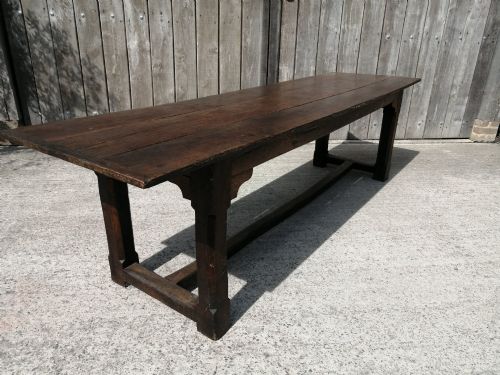
When you search for a georgian trestle base table, you enter a category defined by substantial refectory forms and robust structural supports. The evidence shows these functional dining and working surfaces span periods from the early eighteenth century through the nineteenth century, encompassing George I, George III, and Regency eras.
The physical forms present on this page extend beyond standard dining boards into diverse utilitarian layouts, including early refectory structures and farmhouse kitchen formats. Materials recorded in these listings rely heavily on solid oak, elm, pine, and mahogany, reflecting the practical domestic origins of such designs.
How they were made
Makers constructed these sturdy tables using traditional joinery methods suited to heavy timbers like oak and elm, ensuring long-term structural integrity. Where finer woods appear, such as mahogany and rosewood veneers, cabinetmakers applied decorative surfaces over secondary woods to achieve a polished finish.
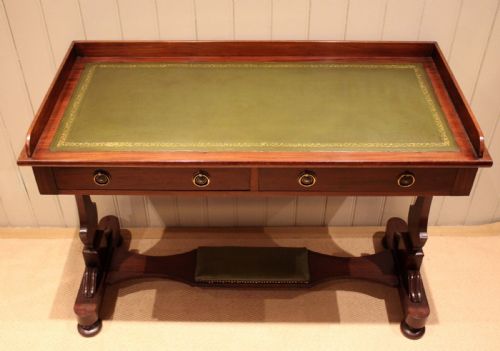
Structural framing often incorporates trestle supports or central columns paired with feet, providing balance for expansive tops. Brass inlays and fine edge details occasionally supplement the primary timber construction on later Regency examples.
Listings feature woods spanning solid oak, elm, pine, and mahogany, alongside decorative rosewood and yew veneers.
What varies in quality
Quality separates pieces through the selection of timber figure, such as highly figured rosewood, pollard oak, or birdseye maple. The choice of primary wood dictates the visual impact of the top surface.
Refinement of execution marks the distinction between utilitarian farmhouse boards and high-style urban furniture. Superior examples display careful attention to proportion, crisp edge mouldings, and intact period brasswork.
Gillows of Lancaster·Marsh & Tatham
The Georgian Trestle Base Table Glossary
- Refectory table
- A long, narrow dining table traditionally used in monastic or large domestic halls. These forms rely on strong side trestles or legs connected by low stretchers.
- Drop leaf table
- A table with hinged flaps on one or both sides that fold down to save space. Supports swing out from the frame to hold the leaves level when raised.
- Quartetto tables
- A set of four graduated nesting tables designed to slide beneath one another. They became particularly popular during the Regency period for tea service or portable writing.
- Stretcher
- A horizontal timber connecting the legs or trestle supports of a table to increase rigidity. It prevents the legs from splaying outward under heavy loads.
Georgian Trestle Base Table: Frequently Asked Questions
What is a trestle base table?
A trestle base table uses vertical supports connected by a horizontal beam or stretcher to hold up the top.
This design removes corner legs, allowing diners or workers greater legroom along the length of the furniture.
How do I date an antique table?
Dating relies on examining the timber species, construction methods, and stylistic details visible in the legs and top. Early pieces often feature solid oak or elm, while later Regency versions utilise rosewood and mahogany.
Tool marks and assembly techniques also indicate whether a piece originates from the eighteenth or nineteenth century.
Can I use these tables daily?
These historic tables are built from solid hardwoods intended for heavy domestic use and dining. Their robust construction suits everyday placement in kitchens, dining rooms, or libraries.
Routine care involves using coasters and avoiding excessive moisture on polished or unsealed timber surfaces.
What is a refectory table?
A refectory table is a long, rectangular surface originally designed for communal dining in large halls. Their simple, sturdy trestle construction prioritises stability over ornate carving.
Examples on this page include early oak and elm formats dating back to the eighteenth century.
How do I care for antique wood?
Maintain antique timber by keeping furniture away from direct heat sources and sudden humidity shifts. Regular dusting with a soft cloth preserves the natural finish without chemical buildup.
Occasional waxing protects the grain of woods like mahogany, oak, and rosewood.