

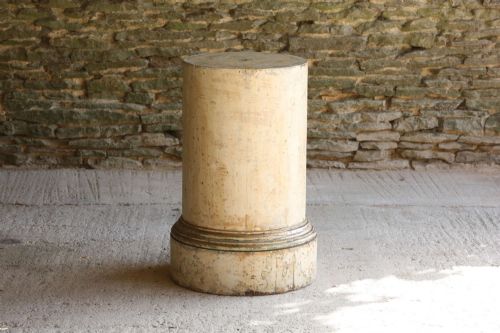
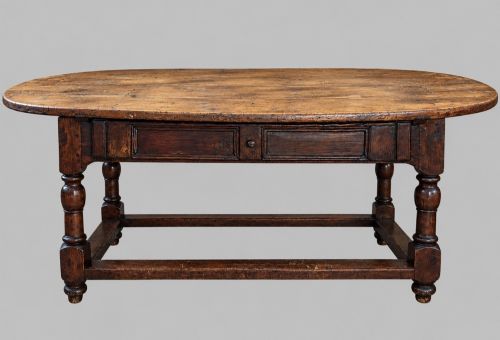
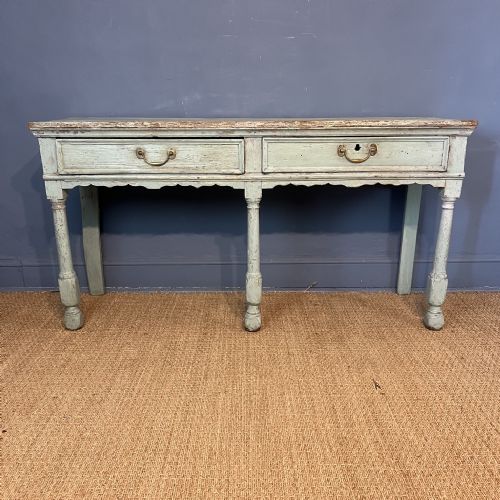
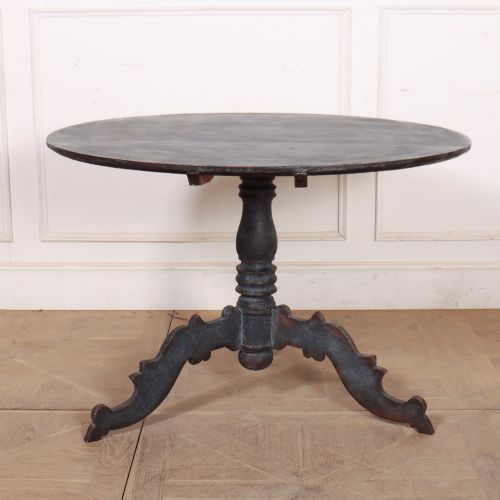
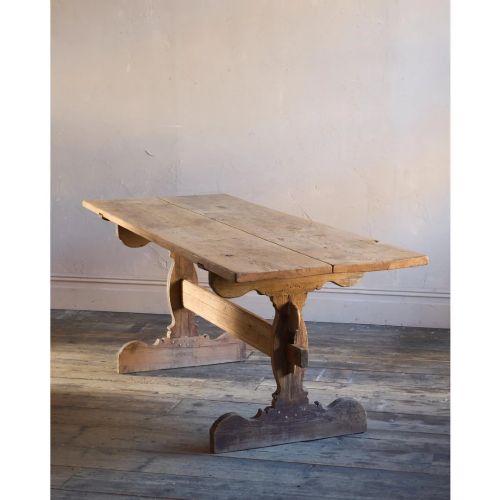


18th Century Pine Table
An 18th century pine table offers honest utility and historic character, bringing warmth and enduring substance to any interior.
18th Century Pine Table
When you search for an 18th century pine table, you encounter domestic furniture designed for practical work and daily living rather than formal display. The pieces recorded here span side tables, dining tables, cricket tables, and dresser bases originating from English, Welsh, Scottish, Spanish, and Scandinavian traditions.
The version you are most likely to meet on this page is the utilitarian kitchen, farmhouse, or side table, often retaining traces of its original painted surface. These items reflect the periods spanning from Queen Anne and George II through to the Georgian era, encompassing regional vernacular forms.
Construction varies from simple peg-jointed frames to tripod formats and drop-leaf mechanisms. Secondary woods such as oak and ash occasionally appear alongside the primary softwood, demonstrating the resourcefulness of period joiners.
Materials and construction
Makers utilised native softwoods, predominantly pine, chosen for accessibility and workability in regional workshops. Boards were hand-sawn and joined with timber pegs, simple nails, and occasionally iron hardware to build sturdy frames for heavy domestic tasks.
Surfaces were frequently finished with lead-based or oil paints, sometimes layered over decades of use. Where paint is absent, bare softwood has weathered to a soft patina through scrubbing and continuous daily service.
18th Century Pine Table Retail Price Guide 2026
Typical asking prices for 18th century pine table among the pieces listed under this phrase on Sellingantiques today, from the lower quarter to the upper quarter. They describe what is for sale here now, not the wider market.
One stubborn little table survived centuries of dairy spills only to find itself framed by marble.
Distinctions in quality
Quality rests upon the integrity of the original construction and the survival of early or original painted finishes. Tables that retain their native proportions and unreduced timber hold greater archaeological and aesthetic merit.
The nuance lies in regional character and the honesty of wear, where patination achieved through centuries of legitimate use distinguishes a superior vernacular survival from a heavily restored piece.
The 18th Century Pine Table Glossary
- Cricket table
- A small, lightweight three-legged table, often in pine, traditionally used in English homes. The tripod base ensured stability on uneven floors.
- Lowboy
- A small side table with drawers, typically raised on tall legs. These served as dressing or writing tables in period interiors.
- Dresser base
- A heavy low sideboard with drawers and sometimes open lower shelving. They provided essential storage and workspace in farmhouse kitchens.
- Softwood
- Timber derived from conifers, principally pine in these examples. It formed the accessible basis for regional vernacular furniture.
- Tripod table
- A round or occasional table supported by a central pillar above three splayed feet. They offered versatile placement in smaller parlour spaces.
18th Century Pine Table: Frequently Asked Questions
How do I care for an old pine table?
Keep the timber away from direct heat sources and sudden temperature fluctuations to prevent splitting. Feed bare pine surfaces occasionally with a neutral beeswax to maintain the historic patina.
Avoid harsh modern chemical cleaners on painted surfaces. A damp cloth is usually sufficient for routine cleaning.
Are these tables suitable for daily dining?
Many of these pieces were built for active kitchen, tavern, or dairy work, making them remarkably resilient for modern use. Their sturdy frames handle everyday meals easily.
Protect vulnerable antique finishes with placemats and coasters to prevent moisture rings and heat damage.
How can I tell a genuine period table?
Examine the timber for hand-sawn tool marks, peg construction, and natural wear patterns accumulated over generations. Period pieces display consistency in construction methods appropriate to the eighteenth century.
Look for honest patination and timber shrinkage that modern reproductions cannot genuinely replicate.
What is the difference between regional styles?
English and Welsh examples often lean toward sturdy side tables, cricket tables, and tavern formats using pine and oak. Scandinavian and Swedish pieces frequently showcase decorative painted surfaces and lighter framing.
Regional vernacular traditions dictated the choice of local woods and specific joinery details unique to each maker's workshop.