

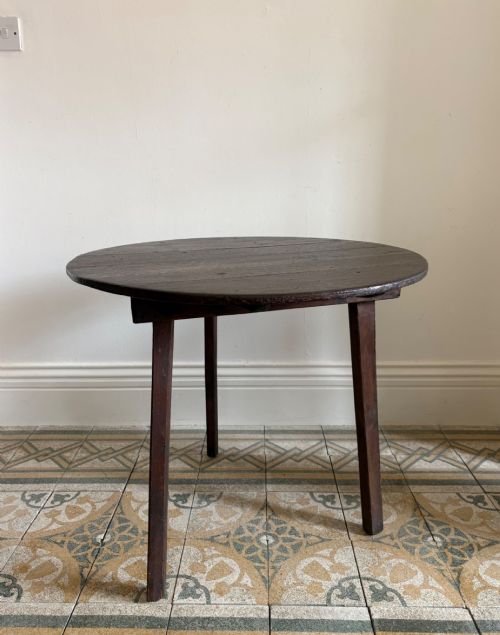


Pine Tripod Table
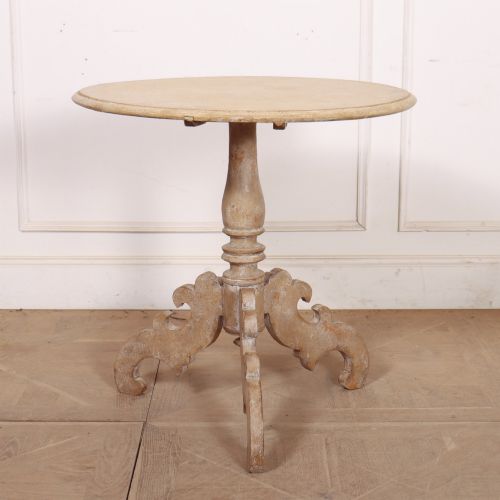
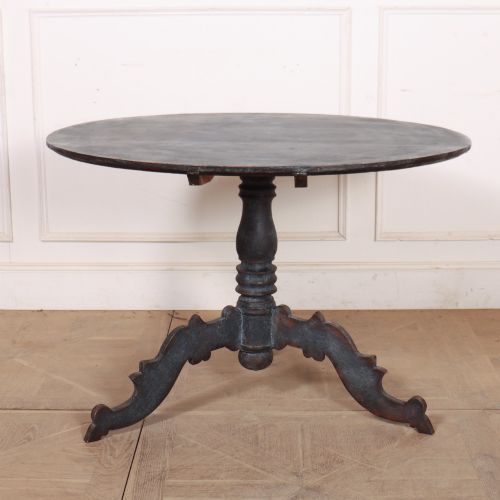
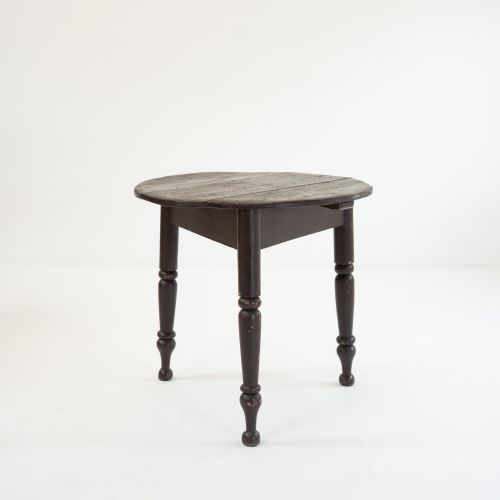
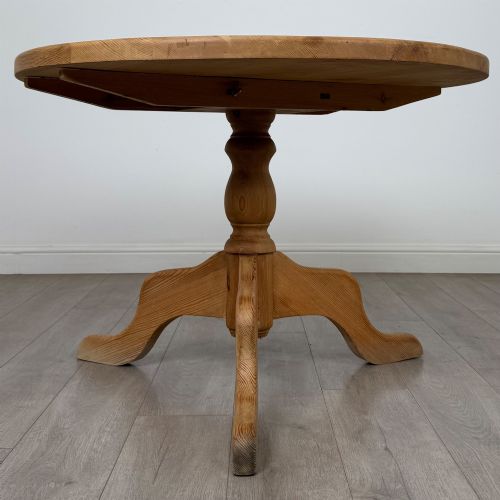
These pine tripod tables are honest utility pieces built on three legs, offering a sturdy surface for a corner or beside a chair.
Pine Tripod Table
A pine tripod table brings a practical, lightweight surface into a room, resting reliably upon three legs instead of four. You will most frequently encounter nineteenth-century examples and Victorian variants alongside country pieces.
The selection ranges from small wine tables and side tables up to larger occasional and breakfast tables. Many examples show regional British and Scandinavian vernacular characteristics.
Makers often built these items for straightforward everyday use in farmhouses and country homes. Their simple construction makes them versatile for modern interiors.
How they were made
Makers constructed these tables primarily from solid pine, occasionally combining oak top planks with pine bases or ash supports. Surfaces were frequently left bare or finished with paint.
Turned components such as bobbin legs or central pedestals required a lathe, while tilt-top mechanisms allowed the top to fold away when not in use.
Listings feature nineteenth-century and Victorian pieces alongside eighteenth-century examples, utilising pine, oak, ash, and paint.
What varies in quality
The integrity of the three-legged base determines how steadily the table stands on an uneven floor. Quality rests on the tightness of the joints beneath the top.
Original painted surfaces retain more character and historical value than later stripped or repainted finishes. Subtle turning work on the legs also elevates a piece above plain utility.
The Pine Tripod Table Glossary
- Cricket table
- A small wooden table standing on three splayed legs, traditionally associated with vernacular English and Welsh country furniture. This design prevented wobbling on uneven flagstone floors.
- Tilt-top table
- A table with a mechanism allowing the top to hinge vertically for storage against a wall. This space-saving design became popular in the eighteenth and nineteenth centuries.
- Vernacular furniture
- Everyday objects made by local tradesmen using regional materials and traditional designs. These pieces prioritised function over high-style fashion.
- Bobbin turned
- Legs or stretchers shaped on a lathe to resemble a series of wooden reels or bobbins. This decorative turning technique appears on nineteenth-century seating and tables.
Pine Tripod Table: Frequently Asked Questions
What is a pine tripod table used for?
These tables function well as bedside stands, lamp tables, or small surfaces next to a chair. Their compact footprint suits narrow spaces and corners.
Historically, smaller versions served as wine tables or supper tables in country homes.
How do I date a pine tripod table?
Dating relies on construction marks, timber characteristics, and style markers such as bobbin turning or tilt-top mechanisms. Nineteenth-century examples often display simpler turned pedestals.
Comparing leg joints and fasteners helps distinguish older vernacular pieces from later reproductions.
Are painted pine tables original?
Many Scandinavian and British country pieces retain early or original painted finishes. Paint protected the softwood and added colour to farmhouse interiors.
Surfaces showing genuine wear and age carry more collector interest than modern repaintings.