



Rustic Pine Occasional Table
A rustic pine occasional table brings honest utility and straightforward timber character to a room, offering a surface that suits daily use.
Rustic Pine Occasional Table
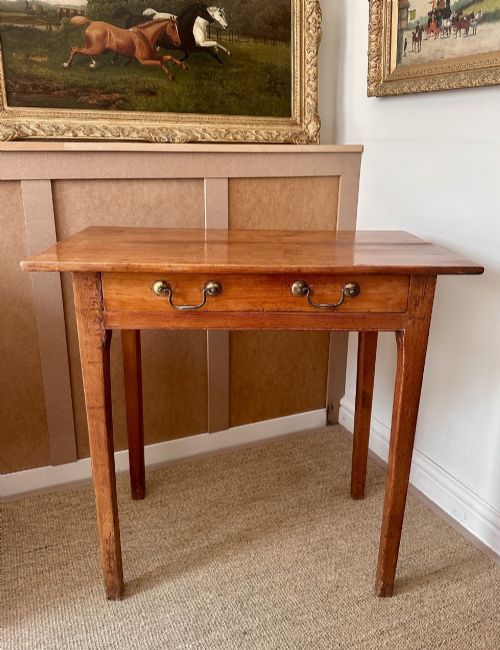
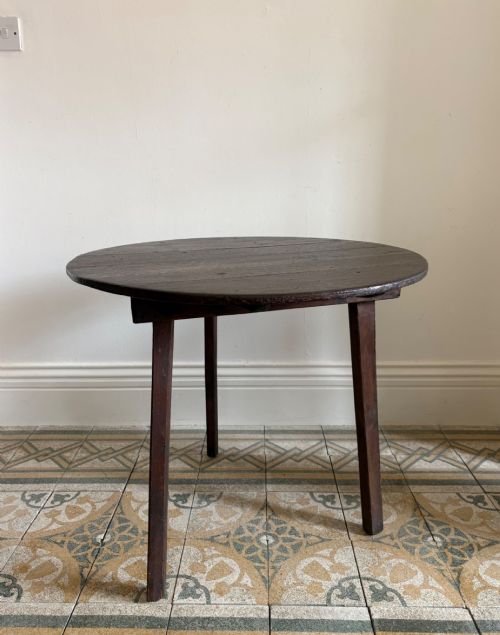
When searching for a rustic pine occasional table, you encounter practical furniture designed for functional everyday surfaces rather than formal display. The selection here spans side tables, sofa tables, lamp tables, and console tables alongside distinctive three-legged cricket tables.
Originating predominantly from the eighteenth and nineteenth centuries, these pieces draw on English, Welsh, Scandinavian, and Italian country traditions. You meet vernacular forms ranging from simple trestle constructions to pedestal and drop-leaf formats, often shaped by regional workshop practices.
How they were made
Construction relies heavily on solid pine timbers, occasionally paired with oak plank tops, brass fittings, or supplementary metal elements. Makers built these items using straightforward joinery suited to domestic and agricultural environments.
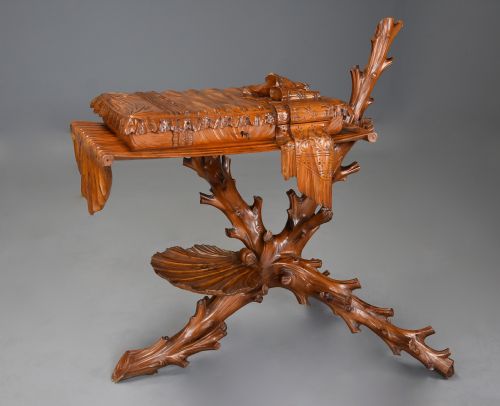
Surfaces frequently show historical paint treatments, including scraped paint layers and grey or green colour finishes, while other examples display bleached wood surfaces or fine carved detail as seen in Italian grotto work.
Rustic Pine Occasional Table Retail Price Guide 2026
Typical asking prices for rustic pine occasional table among the pieces listed under this phrase on Sellingantiques today, from the lower quarter to the upper quarter. They describe what is for sale here now, not the wider market.
Some nineteenth-century tables come disguised with cheerful painted grey or green coats, ready to brighten up a gloomy corner.
What varies in quality
Quality rests in the integrity of the timber construction and the proportion of the legs to the top, whether on a turned-leg cricket table or a trestle base. Pieces retain varying degrees of original surface treatment, from unadorned scrubbed pine to layered historical paint.
The sophistication of the making ranges from primitive workshop carpentry to more refined regional styles like Rococo Revival side tables or finely carved grotto work. This variation reflects the diverse domestic and continental environments these tables inhabited.
The Rustic Pine Occasional Table Glossary
- Cricket table
- A small three-legged table traditionally used in English and Welsh vernacular interiors. The tripod design ensures stability on uneven flagstone floors.
- Drop-leaf table
- A table featuring hinged flaps that fold down to save space when not in use. This mechanism allows the surface area to expand quickly for immediate utility.
- Grotto work
- An ornate decorative style involving carved organic or shell motifs. It appears on specialised continental furniture rather than standard domestic pieces.
- Scraped pine
- Timber that has had later layers of paint removed to reveal earlier or original pigment underneath. This process exposes the varied texture of the underlying wood.
- Trestle table
- A table supported by horizontal beams resting on upright frame legs. This simple arrangement provides sturdy support for heavy plank tops.
Rustic Pine Occasional Table: Frequently Asked Questions
What is a cricket table?
A cricket table is a traditional small table supported by three legs. This specific three-legged format provides natural stability on uneven farmhouse floors.
Such tables frequently appear in pine or oak within English and Welsh country contexts. Their compact footprint makes them versatile surfaces for daily use beside chairs or in hallways.
How do I care for painted pine?
Painted pine surfaces require gentle cleaning with a dry or slightly damp cloth to preserve historical paint layers. Avoid harsh chemical cleaners that can strip or damage aged pigment.
Keeping these tables away from direct heat sources and strong sunlight protects both the timber substrate and the integrity of the original or scraped paint finish.
Where were these tables made?
These tables originate from various European country workshops, notably across England, Wales, Sweden, and Italy. Each region developed distinct structural habits and finishing preferences.
Local timber availability and domestic requirements shaped the forms, resulting in diverse outputs ranging from Scandinavian painted occasional pieces to Italian carved grotto tables.
How can I tell the age of a pine table?
Age is indicated by construction methods, tool marks left on the timber, and the natural patina accumulated over centuries of use. Hand-cut joints and authentic wear patterns offer clear clues to a piece's period.
Comparing the style and material characteristics with documented examples from the eighteenth and nineteenth centuries helps confirm the likely era of manufacture.