
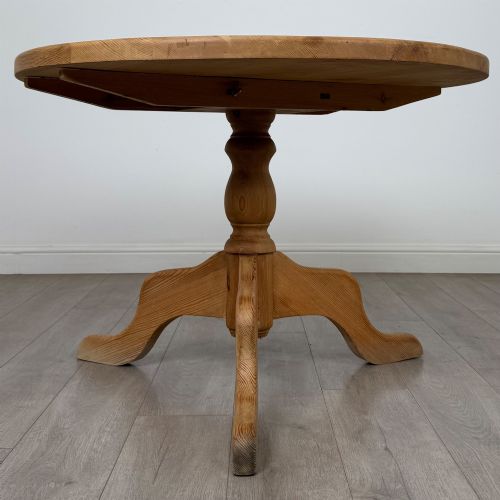





Victorian Pine Pedestal Table
A victorian pine pedestal table offers practical surface area and timeless character, combining sturdy timber with period craftsmanship.
Victorian Pine Pedestal Table
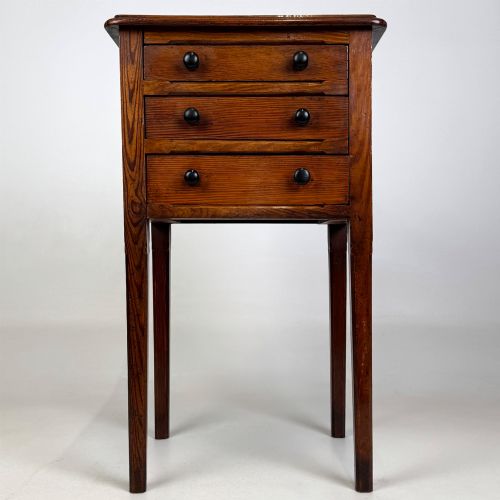
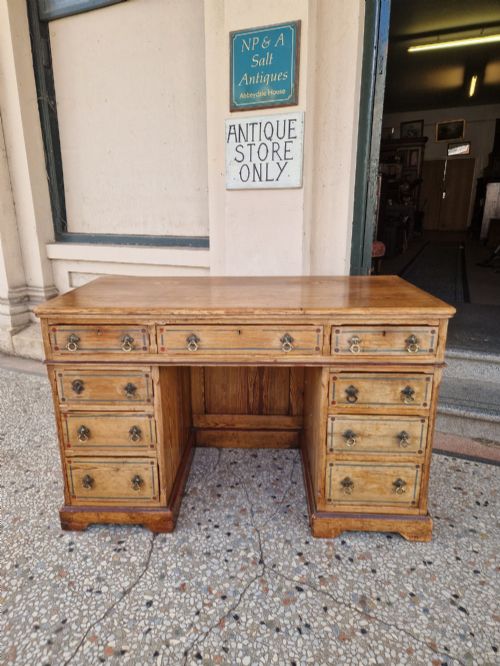
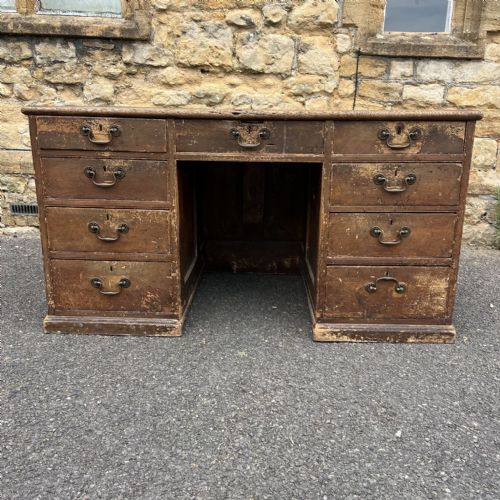
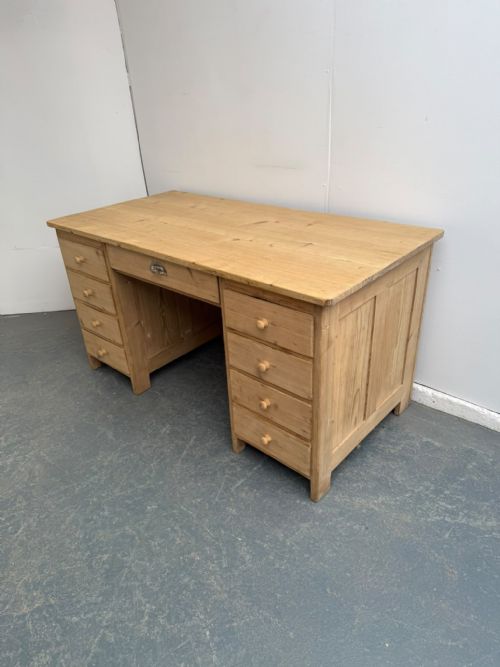
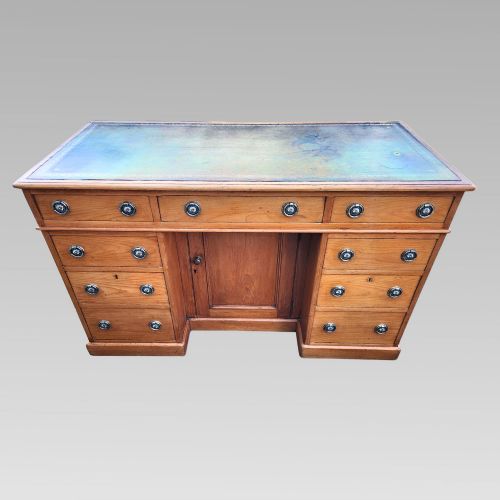
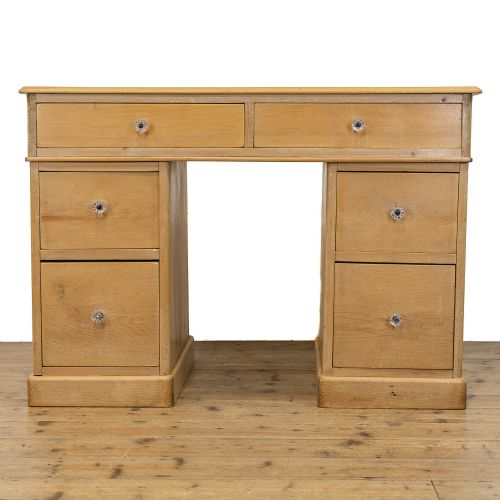
A victorian pine pedestal table brings functional nineteenth-century design into modern spaces through sturdy construction and useful proportions. Buyers seeking a victorian pine pedestal table will encounter various configurations including office desks, partners writing desks, and dressing tables.
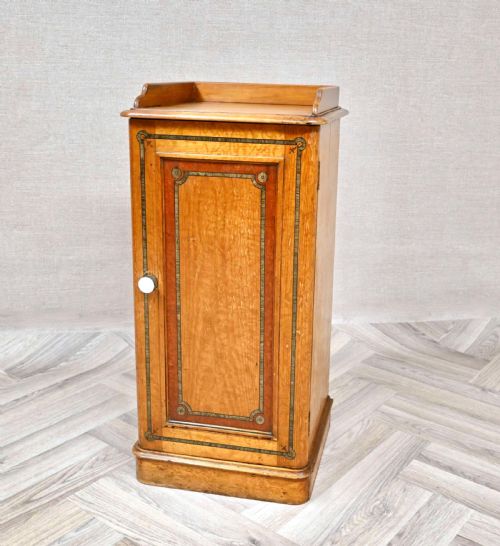
The evidence shows these pieces span the Victorian era, nineteenth century, and specific dates like 1880 and 1900. Alongside standard dining tables and occasional tables, the listings include bedside cabinets, side cabinets, and desks.
Makers and craftsmen utilised robust woods and practical designs suitable for everyday use in both domestic and working environments. The forms range from simple tilt-top breakfast tables to large multi-drawer office desks equipped with pedestals.
Materials and construction
Makers constructed these pieces primarily using pine and pitch pine, often combining them with oak for added structural strength. Secondary materials such as brass, glass, and ceramic appear alongside painted finishes and grained surfaces.
Joinery techniques relied on solid timber panels and sturdy pedestals to support daily clerical or domestic tasks. Surface treatments varied from original stencilled decoration and polished wax to plain wood ready for painting.
Some nineteenth-century desks feature hidden drawers where clerks once hid their morning biscuits.
Evaluating standard and finish
Quality depends upon the selection of timber, with dense pitch pine and well-figured oak commanding greater attention than standard softwood. The presence of original hardware, such as brass fittings or ceramic elements, elevates the integrity of the piece.
Construction details like multi-drawer arrangements, panelled sides, and original stencilled decoration distinguish superior examples from simpler utilitarian items. The preservation of surface finishes, whether grained paint or waxed timber, indicates how well the piece has survived.
The Victorian Pine Pedestal Table Glossary
- Pitch pine
- A resinous and durable variety of pine frequently utilised in nineteenth-century furniture for its strength and distinct grain pattern. It resists wear better than softer yellow pine variants.
- Pedestal desk
- A large freestanding desk supported by two pedestals containing drawers or cupboards beneath the worksurface. This form became popular for office and library use during the Victorian period.
- Tilt-top table
- A table featuring a mechanism that allows the top to pivot into a vertical position when not in use. This clever design saved valuable floor space in smaller nineteenth-century rooms.
- Grained finish
- A decorative painting technique applied to imitate the appearance of more expensive hardwoods like oak or mahogany. Painters used specialised tools to drag or comb the wet paint surface.
- Kneehole
- The recessed central space beneath a desk or dressing table designed to accommodate the user's legs. It typically sits between two banks of drawers or pedestals.
Victorian Pine Pedestal Table: Frequently Asked Questions
What is a pedestal desk?
A pedestal desk is a large freestanding writing table supported by two vertical columns of drawers or cupboards. These columns hold up the main writing surface and provide substantial storage.
They were commonly used in Victorian offices, libraries, and studies for paperwork and administration.
How do I care for pine?
Pine furniture requires regular dusting with a soft dry cloth and occasional application of appropriate wax polish to nourish the wood. Avoid placing solid timber pieces in direct sunlight or near heat sources to prevent warping.
Using coasters and placemats protects the surface from moisture rings and heat marks during daily use.
Are these tables original?
The pieces originate from the nineteenth century, encompassing the Victorian era and specific decades up to 1900. They reflect the manufacturing methods and materials of that period.
Individual items may show signs of past use, repairs, or surface updates recorded in their descriptions.
Can I paint antique pine?
Many historical pieces were originally painted, grained, or waxed, and contemporary buyers often choose to finish them according to their interior preferences. The listings show examples that are ready to wax or paint.
Selecting breathable paints ensures the historic timber remains stable beneath the new finish.