

Rustic Country Wooden Armchair
A rustic country wooden armchair brings vernacular warmth to an interior, shaped by rural tradition from ash, elm, and yew.
Rustic Country Wooden Armchair
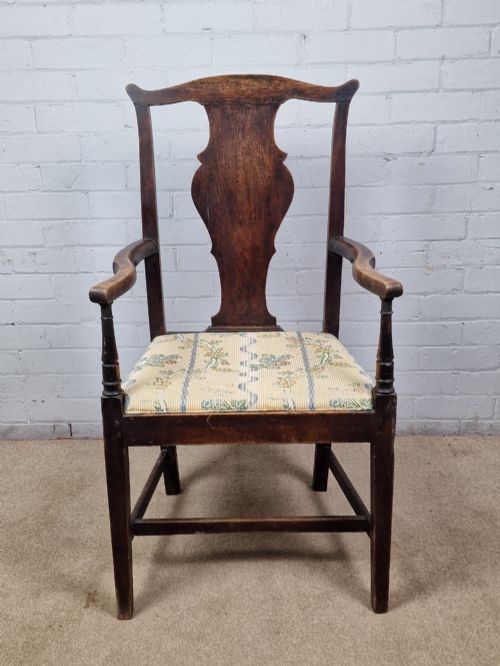
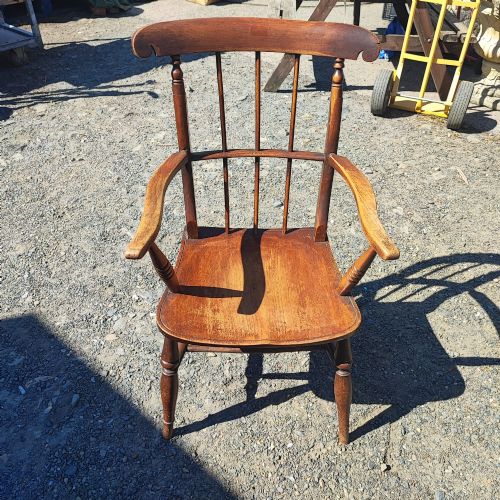
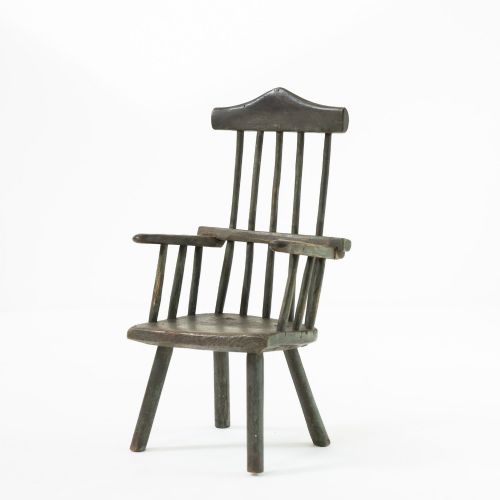
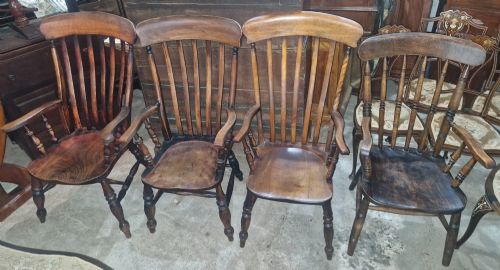
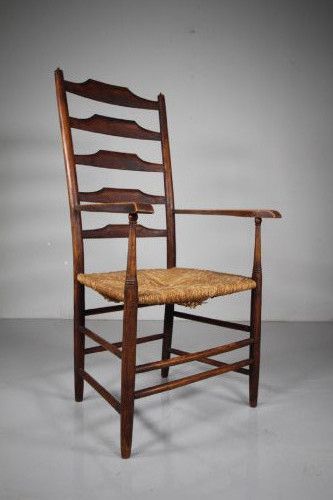
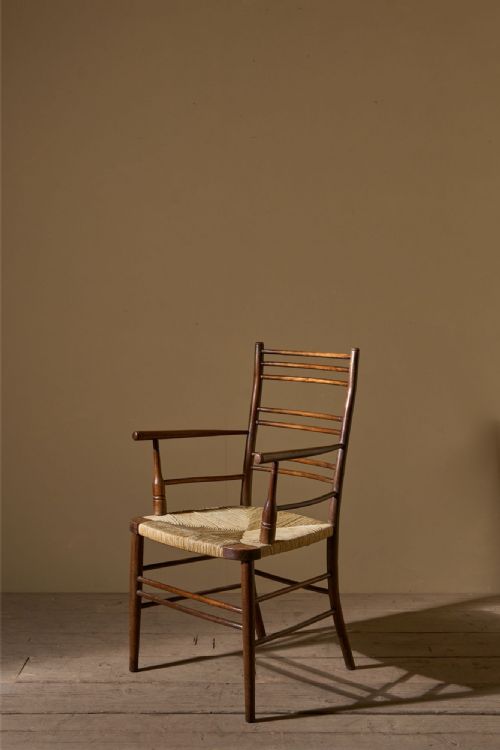
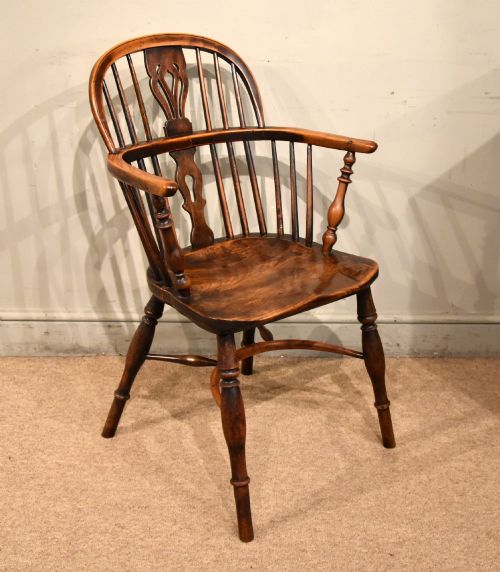
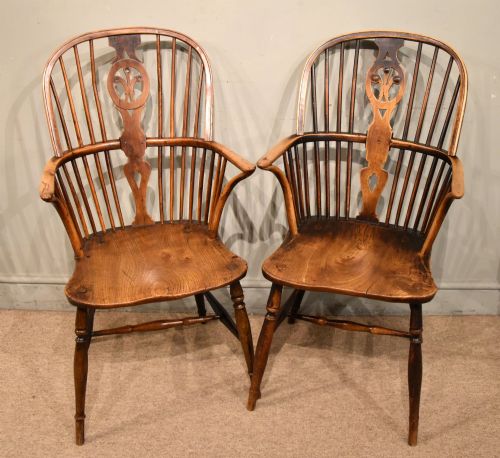
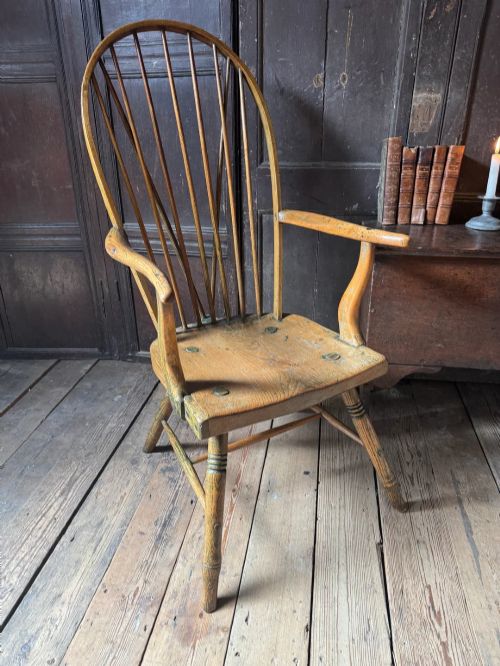
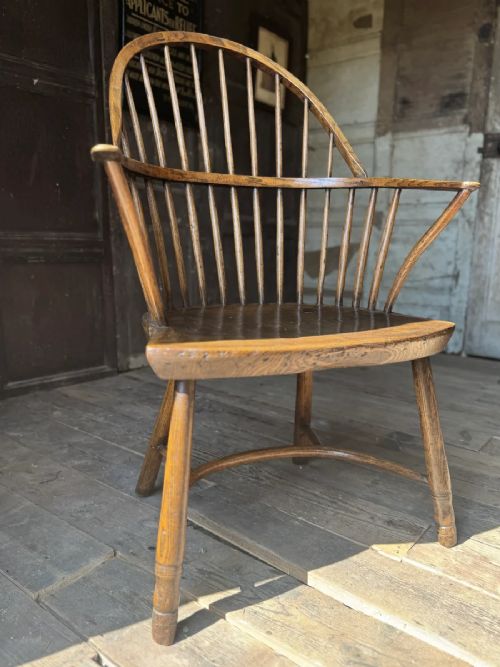
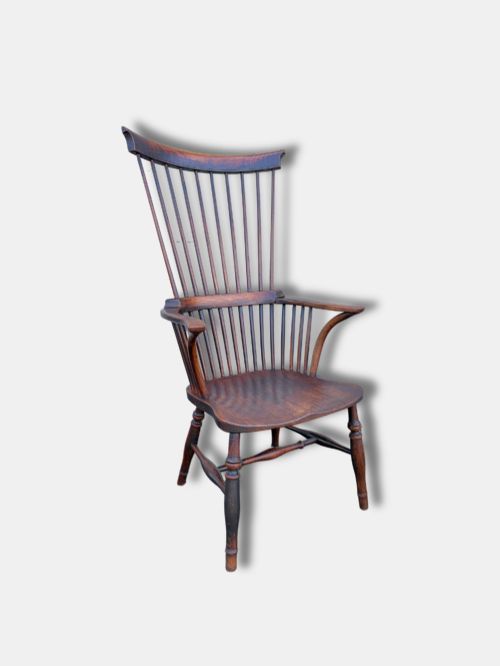
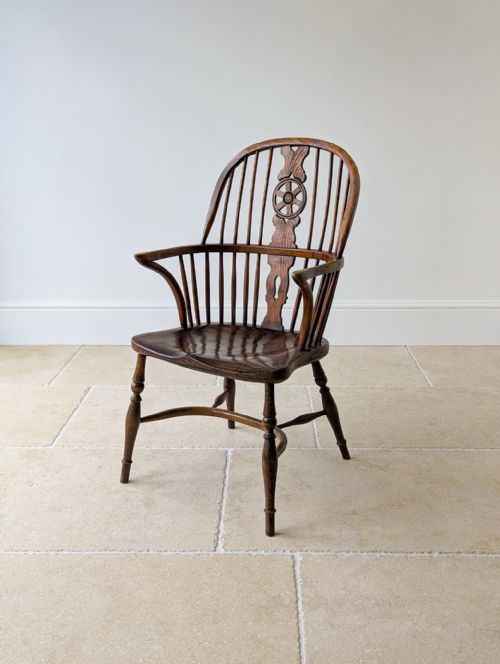
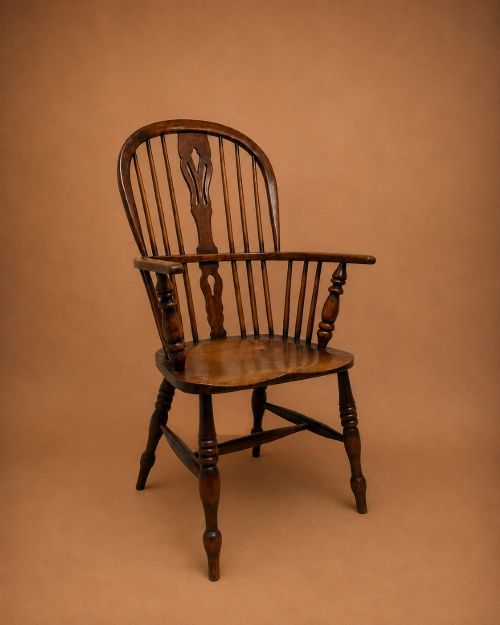
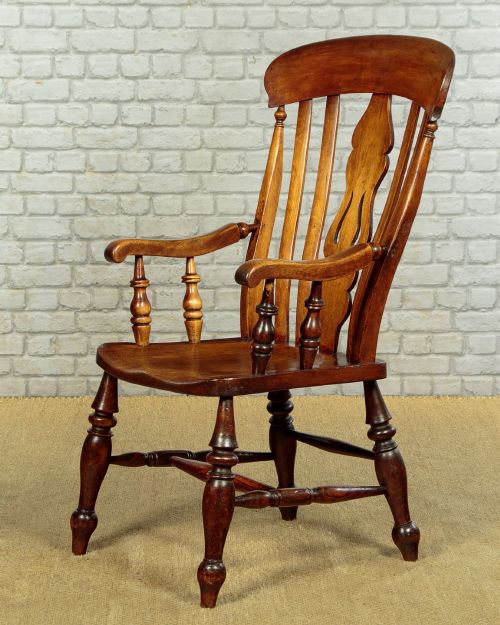
A rustic country wooden armchair represents the practical seating of farmhouses and cottages, produced across the eighteenth and nineteenth centuries in regional British workshops. These chairs take several distinct forms, from high-backed Windsor designs with comb or hoop backs to low-back kitchen chairs and spindle-backed rocking versions.
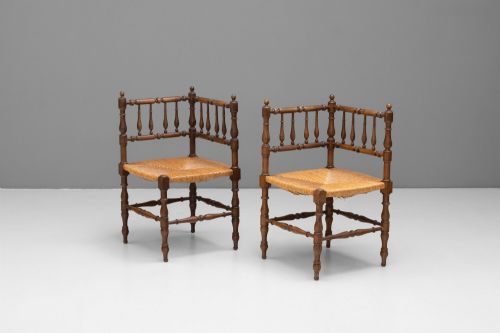
Beyond standard dining and kitchen seating, the selection includes child-sized armchairs, corner chairs, and specialised forms like lambing chairs. These domestic objects display straightforward construction intended for daily utility rather than formal parlour display.
How they were made
Makers utilised solid native timbers, frequently combining woods within a single chair to serve different structural purposes. Ash typically forms the strong turned legs and spindles, while elm provides the sturdy, sculpted seat plank.
Many examples incorporate yew wood for its rich grain and natural resilience, particularly in high-back and Windsor variants. Rush seating appears in specific regional vernacular armchairs, woven firmly over timber frames.
Traditional bodging and Windsor techniques allowed rural craftsmen to turn green wood on pole lathes and shape components to fit socketed plank seats without complex joinery.
Makers occasionally utilised wheelback motifs to decorate the splats, adding a touch of rustic industrial charm to farmhouse seating.
What varies in quality
The distinction between ordinary and superior pieces rests on the handling of timber and the proportion of the frame. Chairs fashioned from highly figured yew wood or carefully matched ash and elm show greater visual harmony and structural integrity.
Execution of regional variations dictates character, such as the tension in a bentwood hoop back or the symmetry of turned spindles. Pieces carrying documented regional origins or named maker attribution display a higher degree of individual craftsmanship.
Philip Clissett·Gabbitass Worksop maker
The Rustic Country Wooden Armchair Glossary
- Windsor chair
- A wooden chair built with a solid plank seat into which the legs and back spindles are separately inserted. This construction method defines much of the vernacular seating tradition.
- Comb back
- A Windsor chair variation where the top rail resembles the spine of a comb, supported by vertical spindles rising from a low back rail.
- Crinoline stretcher
- A curved hoop stretcher connecting the legs of a Windsor chair to provide extra rigidity. It is typical of eighteenth-century and early nineteenth-century regional design.
- Vernacular
- Objects made by local craftsmen for everyday use, following traditional regional patterns rather than high-style academic designs. This term applies widely to country furniture.
- Lambing chair
- An enclosed wooden armchair designed with solid high sides to block draughts near hearths. These traditional farmhouse pieces often incorporate storage compartments beneath the seat.
Rustic Country Wooden Armchair: Frequently Asked Questions
What is a Windsor armchair?
A Windsor armchair is a wooden seat built around a thick plank base, with turned legs and back spindles inserted directly into bored holes.
This construction method produces a strong, resilient chair designed for everyday domestic use in kitchens and farmhouses.
How do I identify a regional style?
Regional styles reveal themselves through specific framing details, timber combinations, and back shapes characteristic of particular counties or districts.
Local workshops often adhered to traditional patterns, such as the high hoop backs common in West Country production or the spindle arrangements found in Yorkshire chairs.
Where were these chairs used?
These chairs served primarily in rural homes, farmhouses, and cottages as practical seating for kitchens, parlours, and hearthsides.
Sturdy construction allowed them to withstand heavy daily wear across generations of domestic life.
How do I care for antique wood?
Maintain antique timber by keeping chairs away from direct heat sources and sudden humidity changes that cause wood to split.
Applying a traditional beeswax polish preserves the surface sheen and nourishes the grain without harming the original finish.