


Rustic Country Carver
A rustic country carver brings tactile warmth and vernacular character to an interior through honest regional woodworking traditions.
Rustic Country Carver
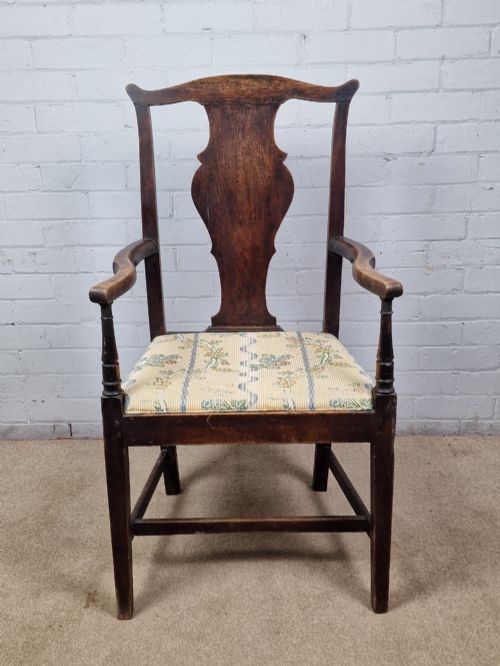
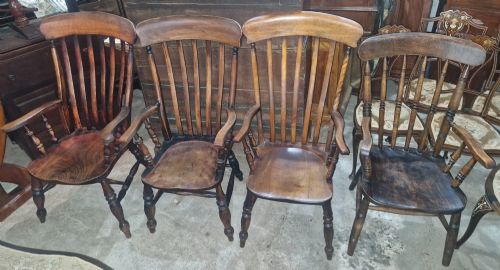
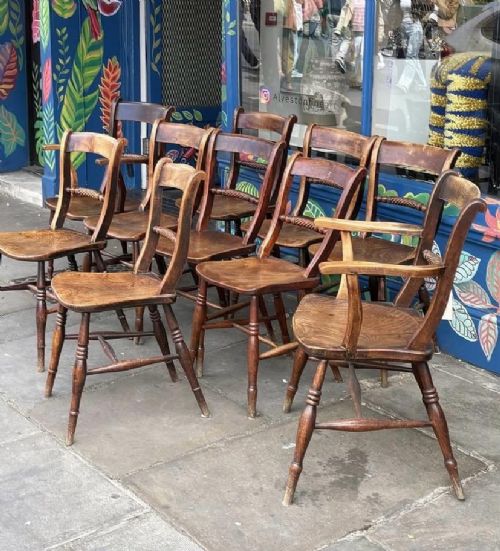
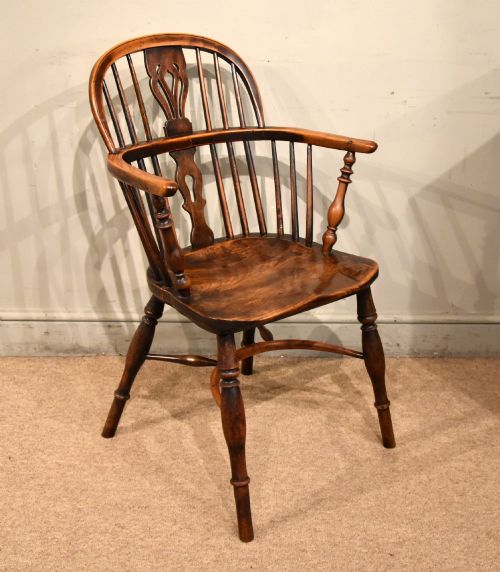
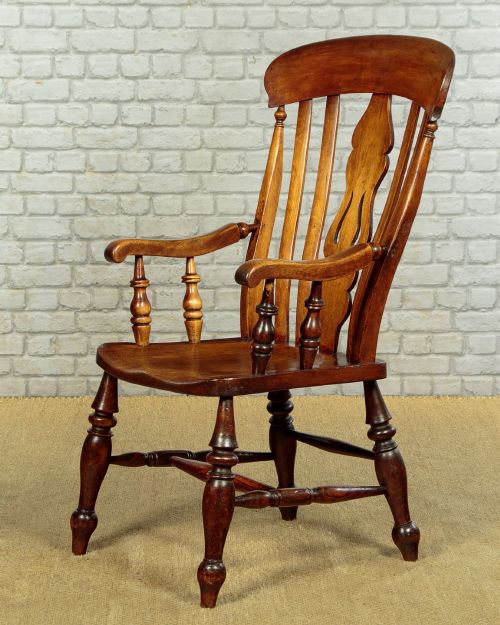
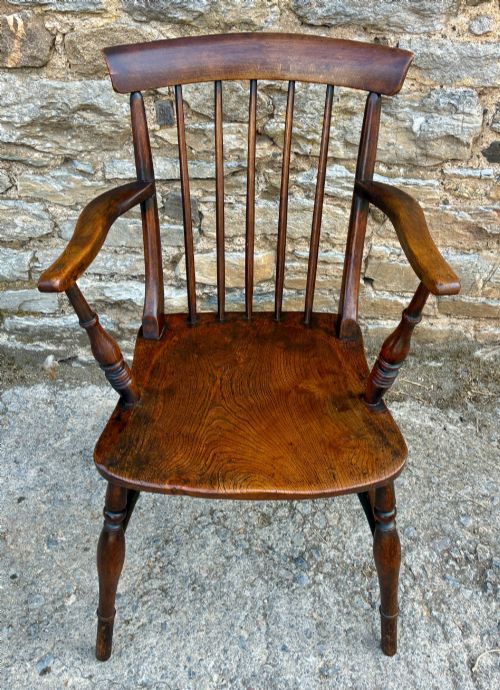
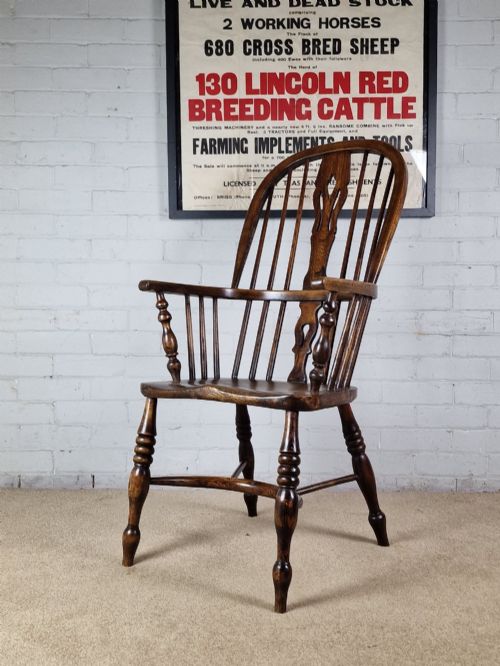
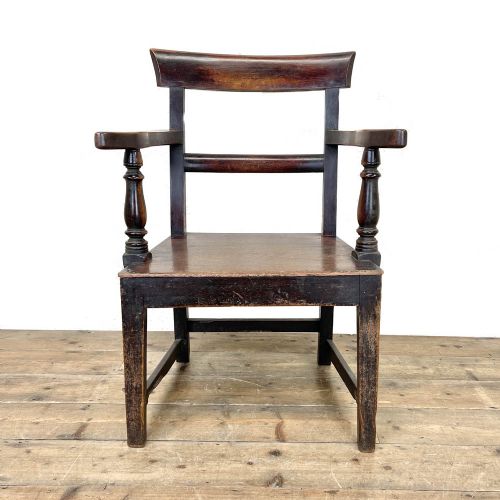
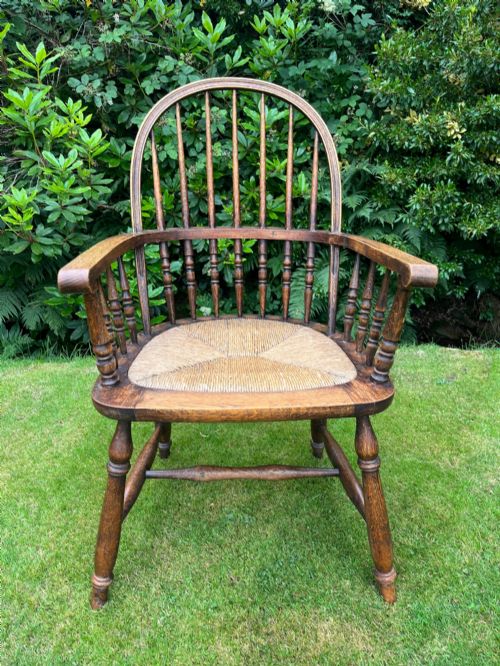
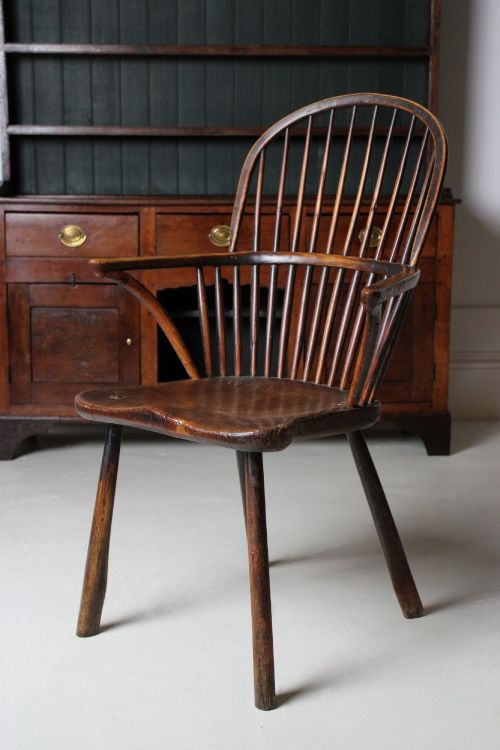
A rustic country carver is a sturdy armchair shaped by regional makers using local timber to serve farmhouse kitchens, cottages, and country houses. These seating pieces appear frequently as Windsor variants, ladderbacks, and spindlebacks dating from the eighteenth century through the Victorian era.
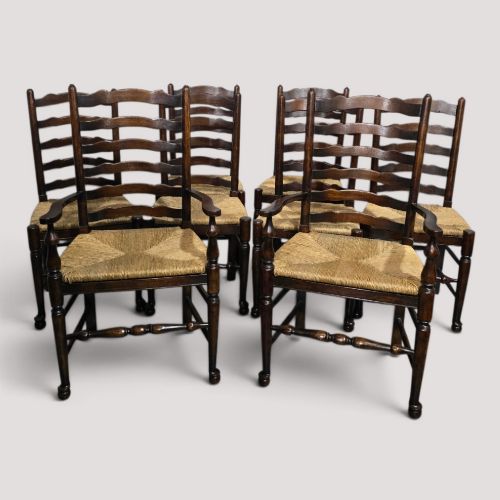
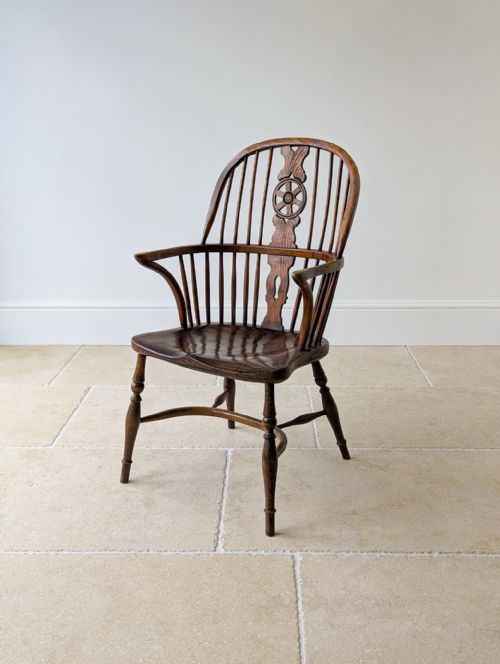
Makers in rural workshops constructed these armchairs for daily utility rather than formal drawing rooms, relying on vernacular designs that varied by county. Examples span low-back and high-back Windsor forms, wheelbacks, and rush-seated ladderbacks reflecting Georgian and Victorian domestic life.
Woods and Construction
Local timber selection defined these armchairs, combining dense native woods like elm for solid seats with flexible ash, beech, or oak for steam-bent frames and spindles. Yew wood and fruitwood also appear in regional pieces, offering distinct grain patterns and resilience.
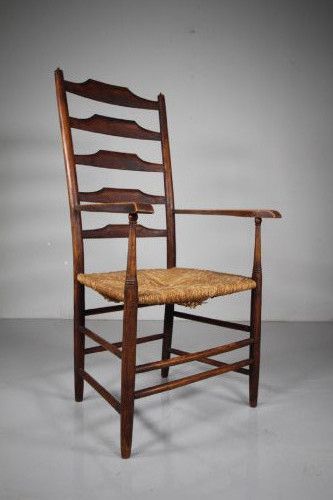
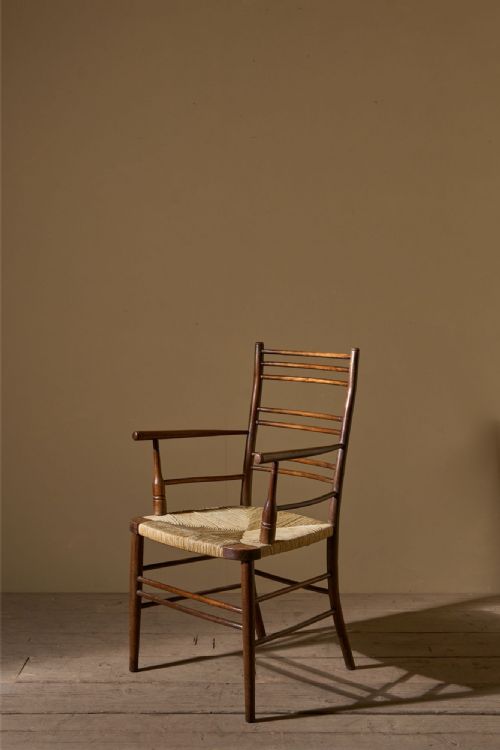
Traditional joinery methods secured the components without complex metal fasteners, utilising wedged tenons, turned stretchers, and pegged joints. Rush seating provided a woven, supportive base in ladderback and vernacular armchairs.
Many nineteenth-century country carvers bear the distinct indentations of previous owners who sat comfortably by the hearth for generations.
Craftsmanship and Proportion
Quality rests in the harmony of the timber selection and the retention of crisp turning on the legs and spindles. Superior examples display carefully sculpted elm seats shaped from a single thick slab alongside balanced bow arms.
The integrity of the frame and the depth of the surface patina distinguish finer regional pieces. Altered undercarriages or replaced components diminish the unified character expected from traditional vernacular seating.
Philip Clissett
The Rustic Country Carver Glossary
- Windsor
- A chair constructed with a solid wooden seat into which the legs, back spindles, and bow are separately bored and wedged. This form dominated English country seating throughout the eighteenth and nineteenth centuries.
- Ladderback
- A chair featuring horizontal wooden slats, or rungs, between the vertical back posts. These frames frequently incorporate woven rush seats.
- Vernacular
- Objects designed and built by local tradesmen following regional traditions rather than academic architectural patterns. Such pieces prioritise practical utility and local materials.
- Rush
- Dried marsh grass twisted into cords and hand-woven to form durable seating surfaces. This technique appears widely on ladderback and country armchairs.
- Spindleback
- A chair back filled with numerous thin, turned wooden uprights supporting the top rail. These elements provide lightweight strength to country seating.
Rustic Country Carver: Frequently Asked Questions
What is a country carver?
A country carver is a sturdy wooden armchair with armrests, traditionally built by regional makers for farmhouse and cottage use. These chairs combine utilitarian strength with vernacular design.
They appear in forms such as Windsors and ladderbacks, utilising native timbers like elm, ash, and oak.
How do I date an antique armchair?
Dating relies on observing construction techniques, tool marks, timber shrinkage, and regional style shifts from the Georgian period onward. Turned details and joinery methods offer key chronological clues.
Comparing the wear patterns and wood species to documented examples helps narrow the period of manufacture.
Which woods were used?
Makers selected native British hardwoods suited to specific parts of the chair, combining tough elm for solid carved seats with flexible ash or beech for spindles and bent bows. Yew and fruitwood also appear in regional variations.
This multi-wood construction allowed each part of the armchair to perform its structural role effectively.
How do I live with a rush seat?
Woven rush seats require stable indoor humidity and gentle care to preserve the natural fibres over decades of daily use. Placing a sheepskin or pad on the seat can reduce direct wear.
Avoiding excessive moisture keeps the twisted marsh grass strong and prevents the natural material from becoming brittle.