



Vintage Rush Seat Armchair
A vintage rush seat armchair brings tactile texture and honest vernacular craftsmanship to any room through natural woven seating and solid timber frames.
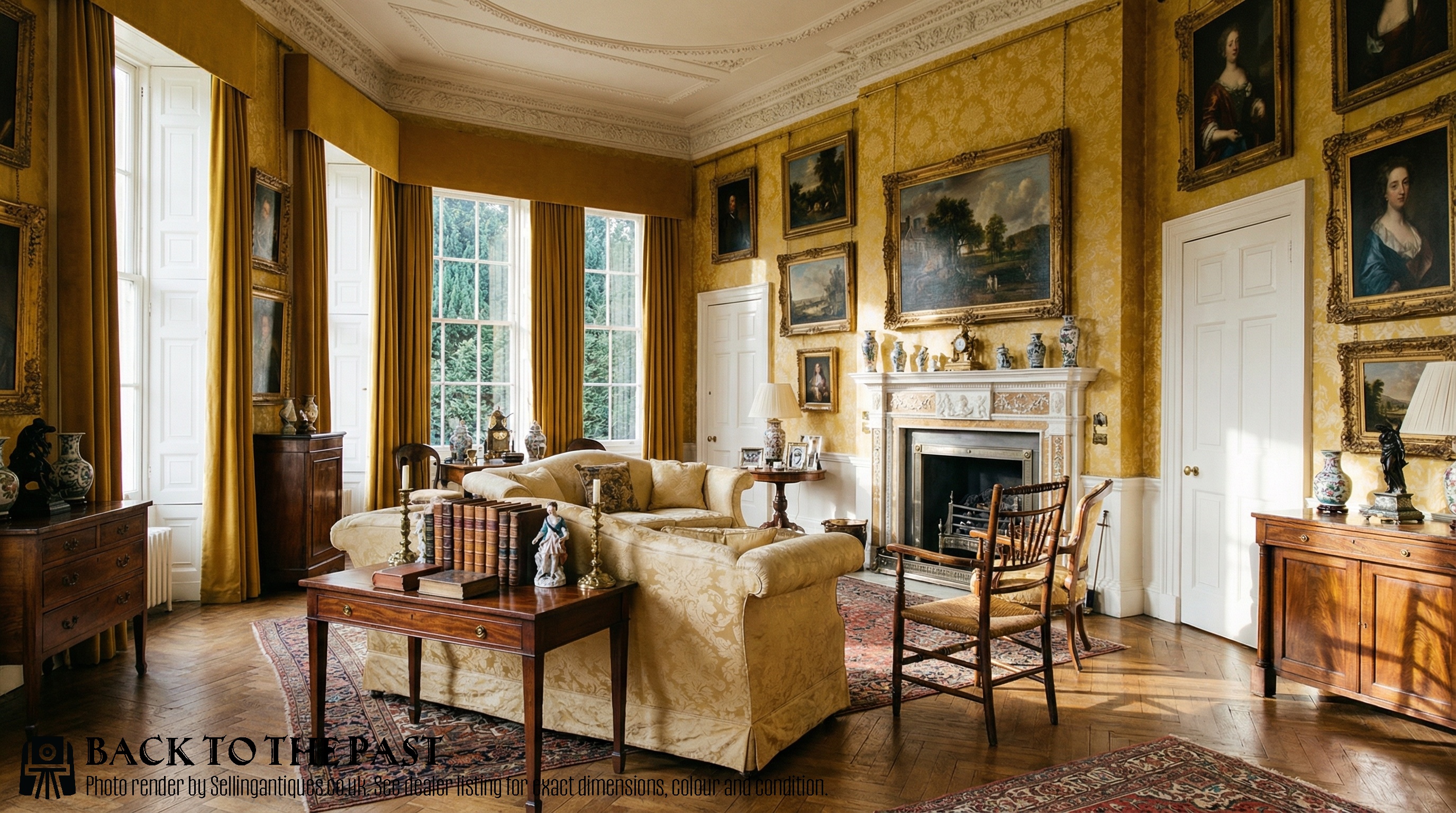
Vintage Rush Seat Armchair
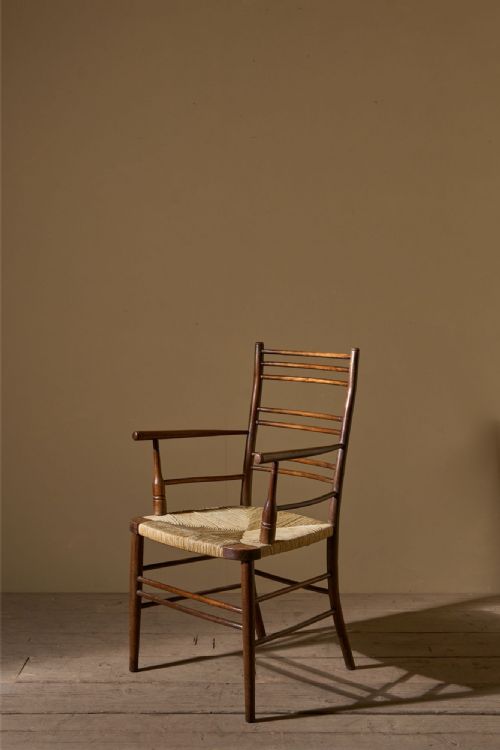
A vintage rush seat armchair embodies the practical design of traditional country and arts and crafts seating. These pieces span periods from the eighteenth century through the twentieth century, reflecting enduring utilitarian forms.
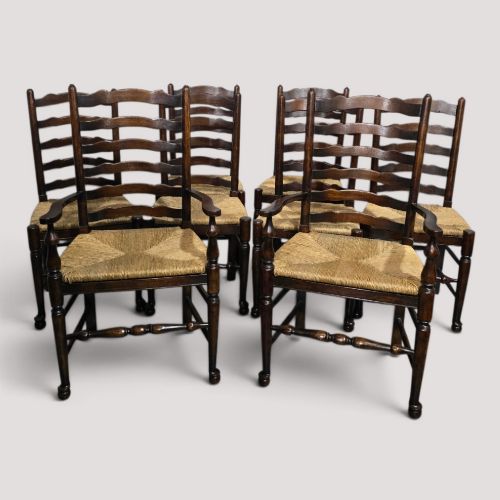
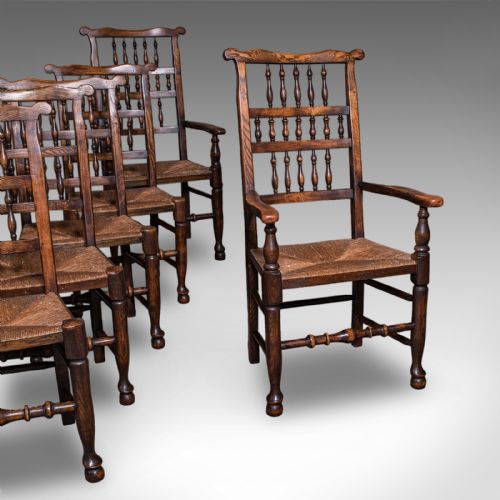
Most examples you encounter on this page feature ladder backs, spindle backs, or low lounge profiles rooted in English country, Victorian, and Arts and Crafts traditions. Makers utilised local hardwoods to build sturdy frames designed for everyday domestic use.
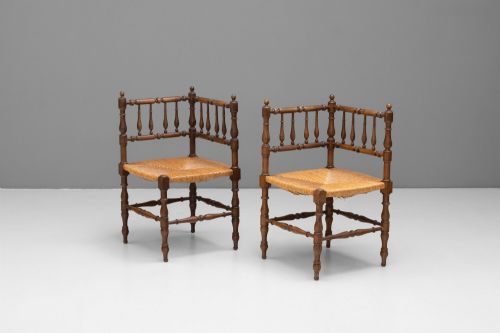
Beyond standard armchairs, related seating forms include rocking chairs, corner chairs, high chairs, and dining carvers. Each variation displays regional carpentry traits influenced by vernacular maker networks across Britain and continental Europe.
Materials and Construction Methods
Frames rely on solid timbers such as oak, beech, elm, ash, and mahogany, chosen for structural strength and local availability. Carpenters shaped these woods using traditional turning and joinery techniques to create durable ladder backs and spindle supports.
Seats are tightly woven from natural rush, utilising dried marsh grasses twisted into sturdy cords around wooden seat rails. This labour-intensive weaving method creates a resilient, flexible surface that adapts comfortably to the sitter over decades of use.
A tiny child's rocking chair sits quietly ready for the smallest household member.
Quality Variations in Construction and Finish
The integrity of the rush weave separates everyday utility pieces from finer studio or branded workshops. Tightly packed, even cordage indicates skilled handiwork that withstands pressure without sagging, whereas loose or replacement synthetic cordage lowers authenticity.
Timber selection and frame joinery also dictate value. Heavy solid hardwoods with original surface patinas, such as untouched paint or waxed polish, demonstrate superior preservation compared to heavily sanded or structurally compromised frames.
Liberty Morris And Co·William Morris·Dicon Nance·St Ives Studio
The Vintage Rush Seat Armchair Glossary
- Rush
- Dried marsh plant material twisted into durable cords for weaving chair seats. It provides a springy, natural surface characteristic of country vernacular furniture.
- Ladder back
- A chair back featuring multiple horizontal wooden rails stacked between two vertical uprights. This traditional construction offers robust lumbar support.
- Carver
- An armchair designed to match a set of dining chairs, typically positioned at the head of a table. These pieces often feature sturdy arm rests integrated into the frame.
- Spindle back
- A style of chair back constructed from numerous thin, turned wooden rods. It distributes weight evenly while maintaining an airy visual profile.
- Vernacular
- Everyday furniture designed by local craftsmen for practical utility rather than grand stylistic movements. These pieces rely on regional materials and time-tested building methods.
Vintage Rush Seat Armchair: Frequently Asked Questions
What periods do these armchairs come from?
These chairs span from the eighteenth century through the early twentieth century, encompassing Georgian, Victorian, Edwardian, and Arts and Crafts eras.
Craftsmanship naturally evolved across these periods, shifting from strictly utilitarian rural carpentry to deliberate artistic revivals led by nineteenth-century design movements.
How should I care for a rush seat?
Keep rush seats away from excessive moisture and direct heat sources to prevent the natural fibres from becoming brittle.
Gentle dusting and occasional dry brushing will maintain the strength and appearance of the woven organic material over time.
Are these chairs suitable for daily use?
Solid hardwood frames and resilient woven rush make these armchairs well-suited for everyday seating in living spaces or studies.
Checking the structural stability of the joints ensures the chair safely supports regular daily lounging and dining activities.