
Rustic Coffer Box
A rustic coffer box brings enduring storage and rugged character into a room, fashioned from sturdy timbers to hold blankets, linens, and domestic goods.
Rustic Coffer Box
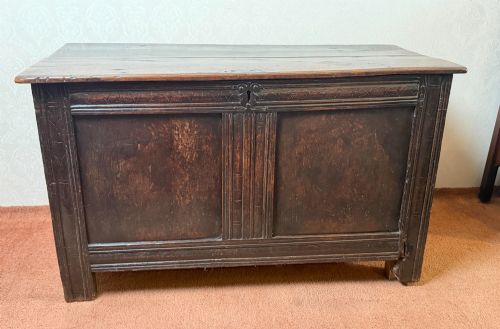
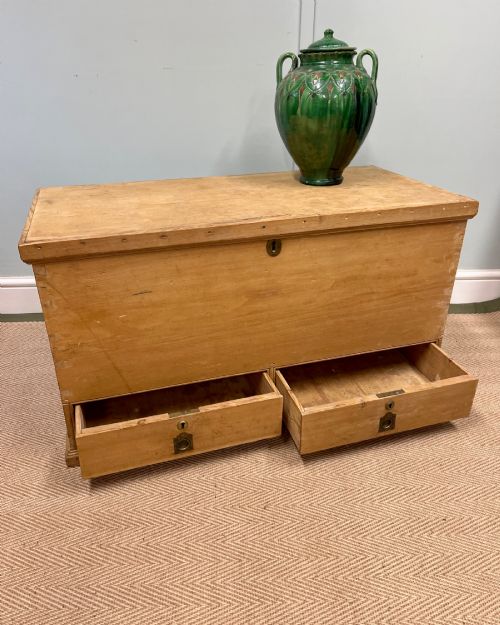
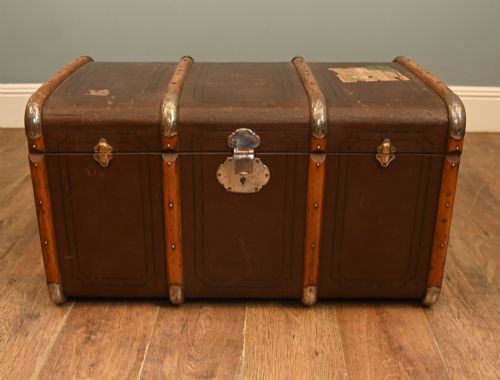
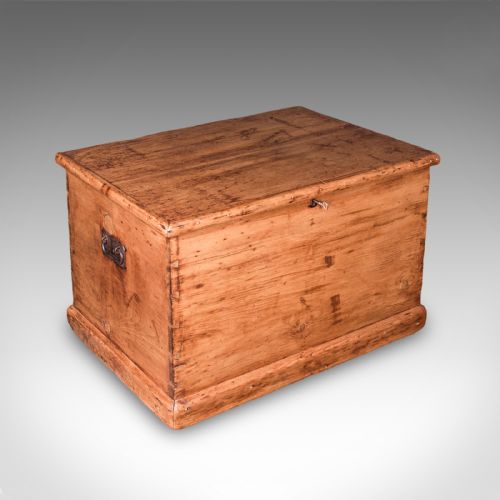
A rustic coffer box serves as a utilitarian chest for domestic storage, appearing in forms such as blanket boxes, travel trunks, and document boxes. These pieces belong to traditions spanning the seventeenth, eighteenth, and nineteenth centuries, alongside later nineteenth and twentieth-century interpretations.
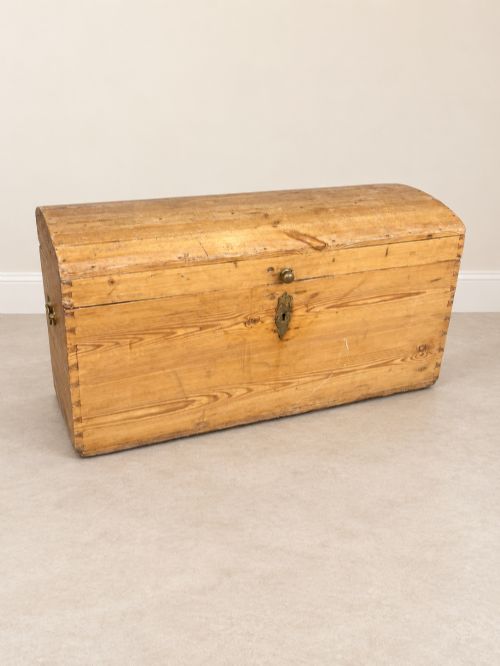
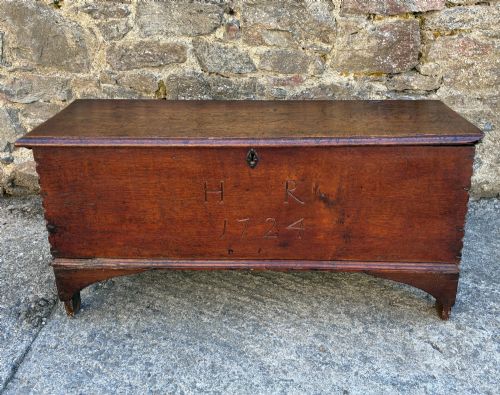
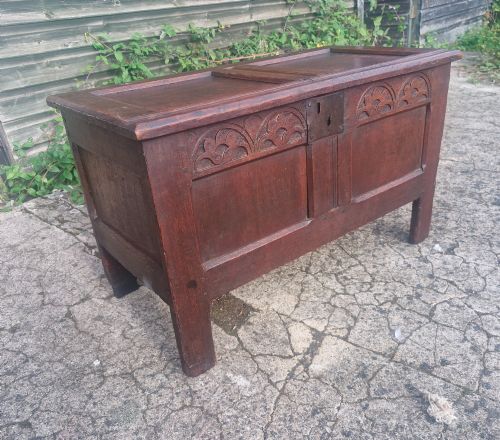
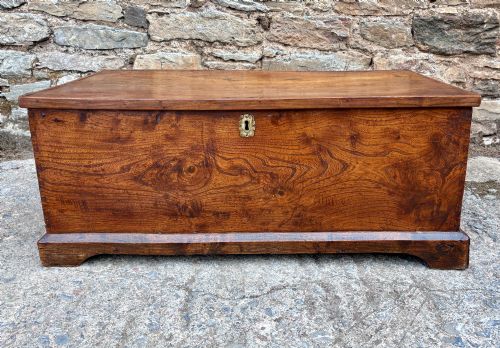
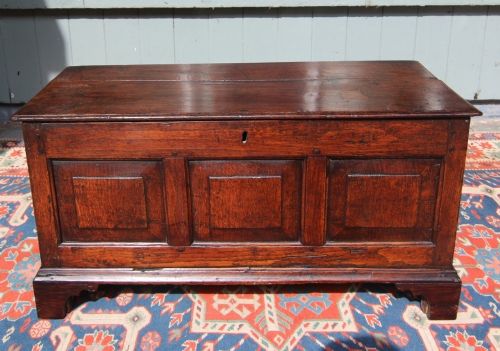
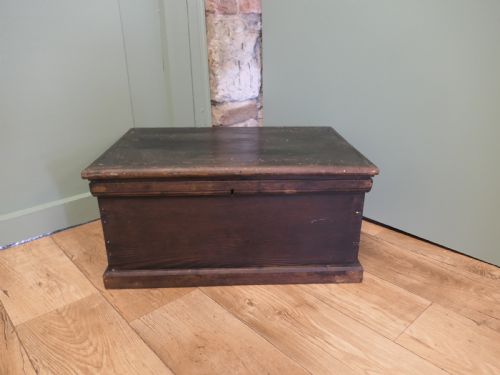
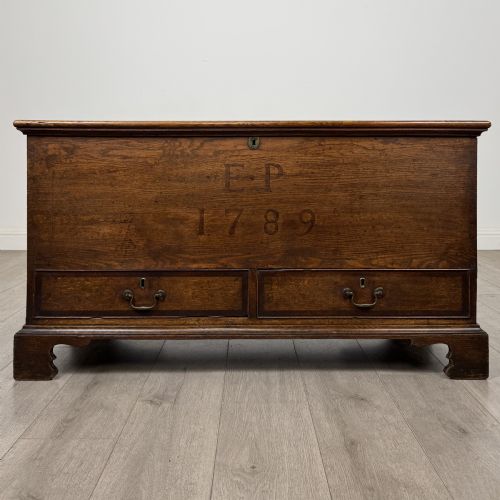
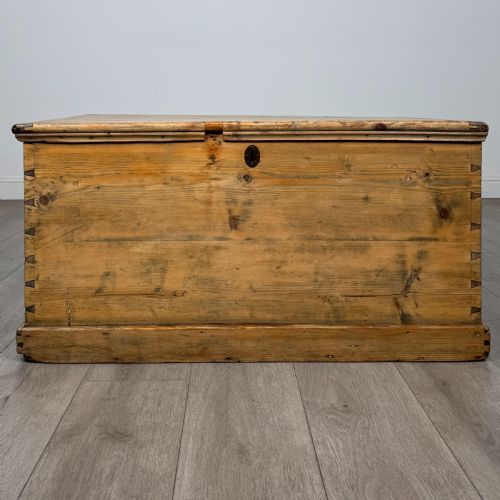
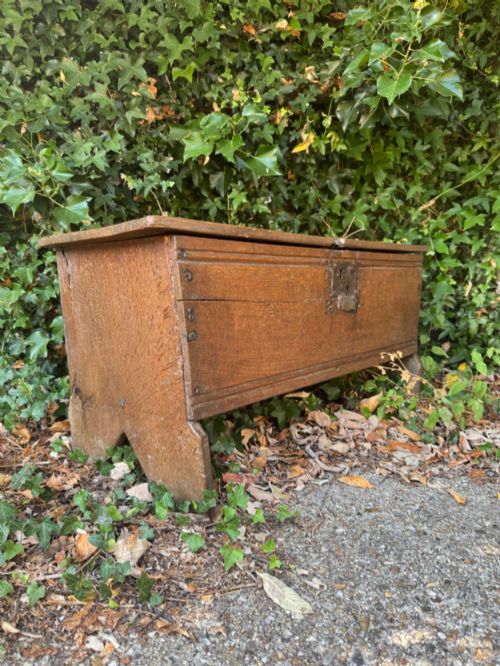
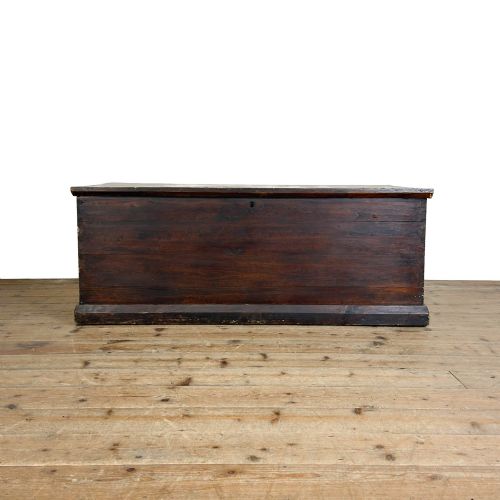
The version most frequently met on this page is the oak coffer or pine blanket box, often dating from the seventeenth, eighteenth, or nineteenth centuries. These items reflect provincial and farmhouse origins, ranging from small elm document chests to large panelled oak coffers.
Makers fashioned these storage pieces to withstand heavy daily use, employing robust construction methods suitable for domestic households, farms, and travel. Their forms include six-plank constructions, panelled chests, and fitted trunks equipped with internal drawers or iron strapwork.
How they were made
Craftsmen built these chests primarily using native timbers such as oak, elm, and pine, occasionally turning to teak and pitch pine for larger trunks. Panels were frequently joined using traditional framing techniques, while simpler examples relied on the six-plank method.
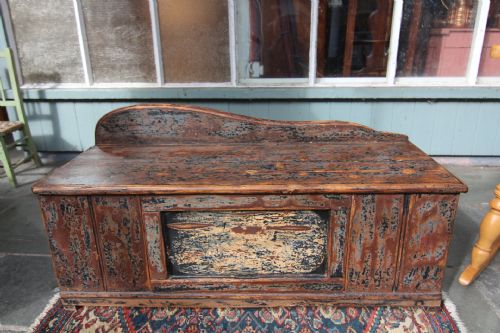
Iron and brass hardware, including hand-forged strapwork, hinges, and lock plates, reinforced the structure and secured the contents. Surfaces were left natural, waxed, or occasionally painted, highlighting the grain and texture of the wood.
Some seventeenth-century oak coffers retain secret internal compartments originally intended for hiding coins or family documents.
What varies in quality
The grade of a rustic coffer box rests on the selection of timber, the integrity of the original joints, and the sophistication of any carved or panelled details. Early carved oak examples demonstrate greater joinery skill than later utility pine trunks.
Proportion and scale dictate the desirability of a piece, with small proportions and fine proportions commanding distinct attention. The survival of original iron strapwork, internal tills, and period hinges elevates the standing of an individual chest.
The Rustic Coffer Box Glossary
- Coffer
- A heavy wooden chest traditionally used for holding valuables, documents, or garments. These storage items date back centuries and often feature hinged lids.
- Six-plank coffer
- A primitive chest constructed from six separate boards joined directly at the edges. This straightforward method represents an early form of box-making.
- Bible box
- A small, portable desk or storage box designed to hold sacred texts and writing materials. They frequently rest on tables or stands.
- Dowry chest
- A large storage container prepared for a bride's household goods, often substantial in size. Examples range from European trunks to Indian damchiya cabinets.
- Strapwork
- Ornamental metal bands or hinges fixed across the exterior of a chest for reinforcement. Hand-forged iron versions are common on provincial pieces.
Rustic Coffer Box: Frequently Asked Questions
What were rustic coffer boxes used for?
These chests served primarily for storing household textiles, blankets, clothing, and valuable documents. In domestic settings, they doubled as seating benches or tables when space was limited.
Larger variations also functioned as travel trunks or dowry chests for transporting personal possessions during relocations.
How do I date an old coffer?
Dating relies on observing construction methods, timber species, and tool marks visible on the wood. Seventeenth and eighteenth-century pieces often feature hand-split oak, pegged joints, and carved panels.
Later nineteenth-century examples tend to utilise machine-sawn pine, simpler box joints, and applied iron hardware rather than integrated forged hinges.
Where should I place a coffer at home?
A coffer fits naturally at the foot of a bed for storing spare bedding and blankets. They also serve effectively as hallway storage benches or coffee tables in living spaces.
Keep wooden chests away from direct heat sources and dramatic humidity shifts to protect the timber and historic finishes.
What is the difference between a coffer and a trunk?
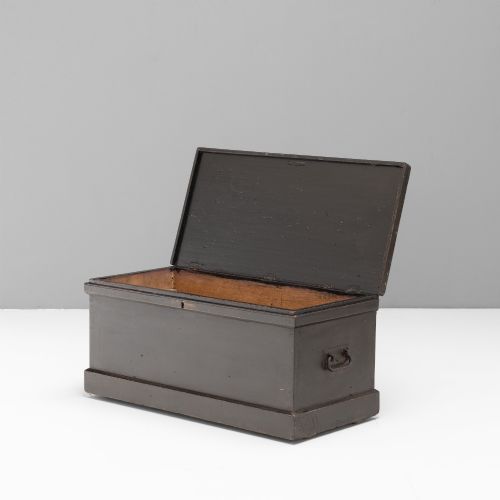
A coffer traditionally denotes a heavily constructed wooden box with a flat lid, often panelled and associated with earlier periods. Trunks typically suggest travel utility, featuring reinforced edges, handles, and materials suited for movement.
Both terms overlap frequently in antique listings, describing similar rectangular storage forms.