


Rust Wool Rug
A rust wool rug brings warmth and deep, earthy colour to a room through traditional woven craftsmanship.
Rust Wool Rug
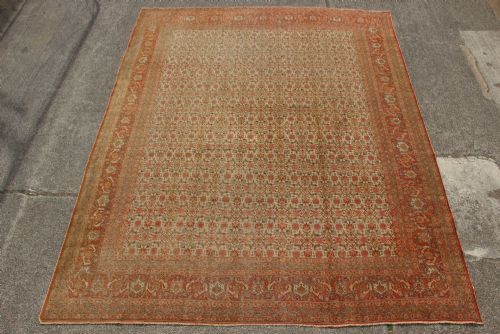
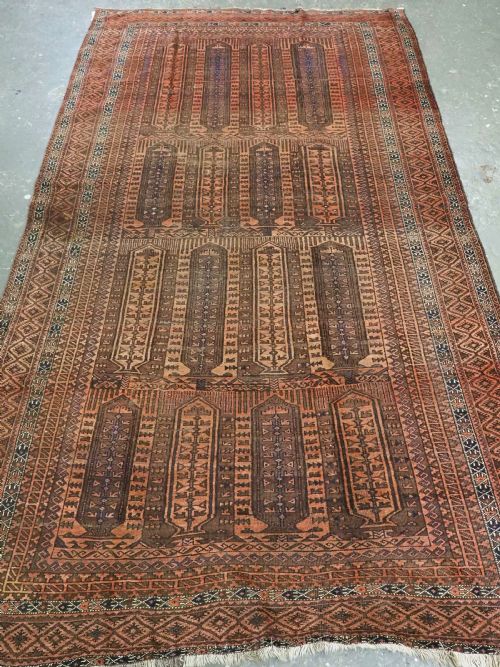
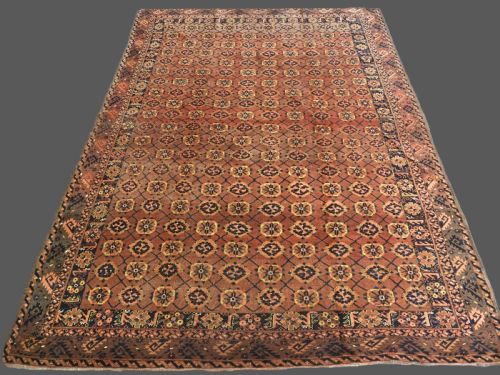
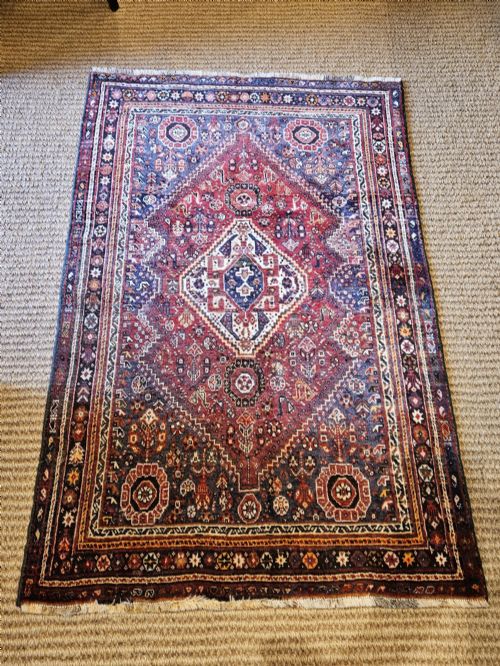
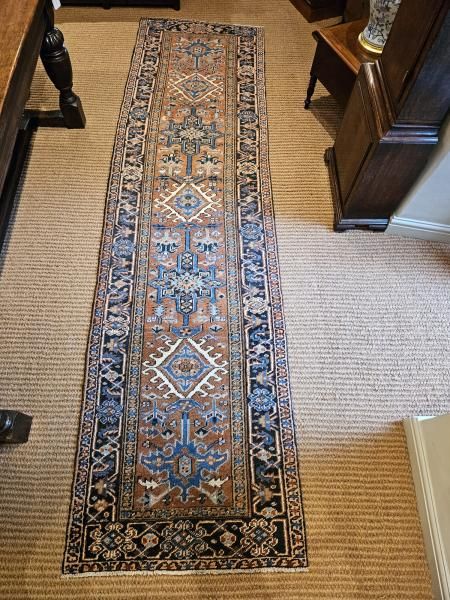
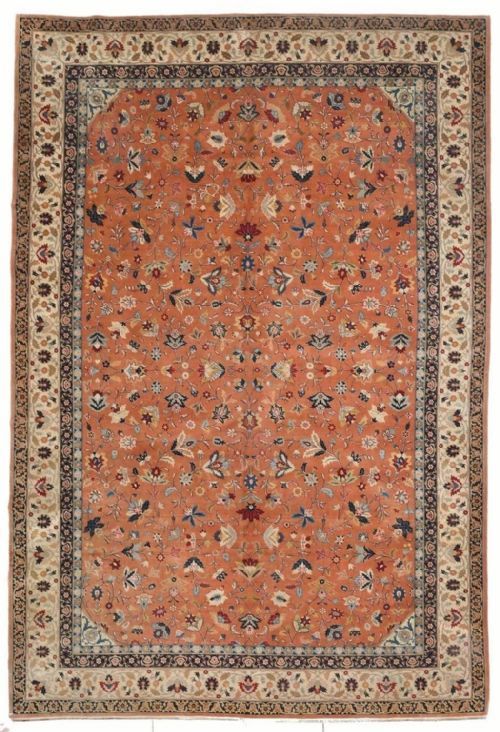
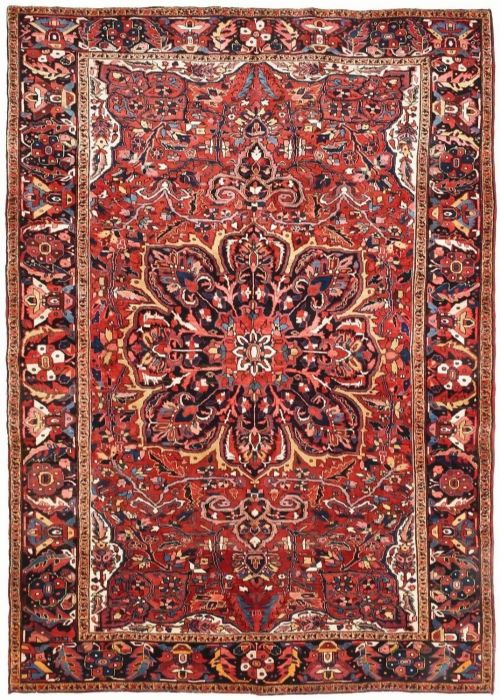
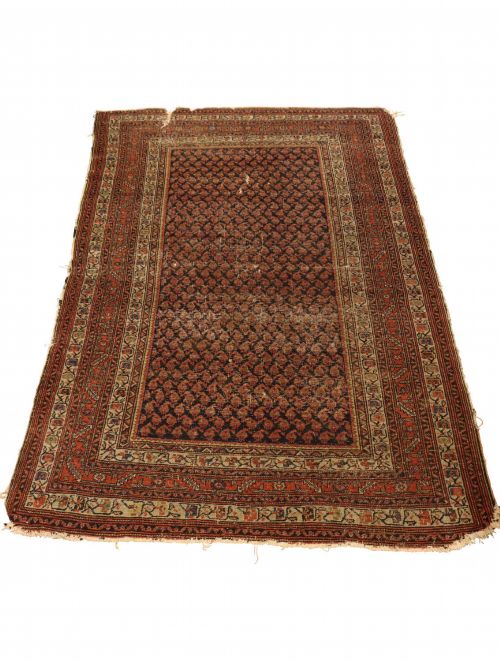
A rust wool rug encompasses hand-knotted and woven floor coverings originating from Persian, Turkmen and Anatolian traditions, dating primarily from the late nineteenth and early twentieth centuries. These textiles include large carpets, runner rugs, prayer rugs and small tribal pieces designed for domestic utility and floor warmth.
The pieces appearing on this page span styles such as Heriz, Tabriz, Baluch, Afshar and Ersari, reflecting diverse village and workshop weaving traditions. Buyers encounter everything from compact Gabbeh rugs to large country house carpets featuring rust backgrounds and rich madder-dyed tones.
How they were made
These textiles utilise wool as the primary pile and foundation material, frequently combined with cotton warps and wefts, and occasionally goat hair in tribal pieces. Artisans knot the wool by hand onto vertical looms, employing traditional symmetrical or asymmetrical knotting techniques.
Weavers dye the wool using natural dyes, which yield deep rust, madder red and terracotta hues that soften gradually over decades of exposure and use. The structures range from coarse tribal weaves to exceptionally fine workshop densities.
Several nomadic weavers tucked tiny protective amulets directly into the wool pile to ward off bad luck.
What varies in quality
The quality of a rust wool rug depends on the density of the knotting, the precision of the tribal or workshop design, and the purity of the natural dyes utilised. Finer weaves allow for sharper geometric or curvilinear motifs, while robust wool pile ensures durability under foot.
The integrity of the foundation, the handling of the wool, and the richness achieved through natural dye variations separate simpler village utility pieces from master-weaver workshop productions.
The Rust Wool Rug Glossary
- Natural Dyes
- Colourants derived from plants, roots, and insects rather than synthetic chemicals. These materials produce complex, nuanced rust and red tones that mellow gracefully over time.
- Boteh
- A stylised almond or paisley-like motif representing a floral spray or cypress tree. This ancient symbol appears frequently across Persian and tribal weavings.
- Warp
- The vertical foundation threads stretched tightly on the loom before knotting begins. Cotton and wool are the standard materials found in these rugs.
- Weft
- The horizontal threads passed across the warp after each row of knots to secure the pile. They bind the structure together from edge to edge.
- Kilim
- A flat-woven carpet or rug produced without a raised pile. These textiles rely on interlocking weft threads to form crisp geometric patterns.
Rust Wool Rug: Frequently Asked Questions
How do I clean a rust wool rug?
Regular gentle vacuuming without a rotating power brush removes embedded dust from the wool pile safely.
Professional specialist washing is essential for deep cleaning to protect natural dyes and wool fibres.
Where should I place a runner rug?
Runner rugs suit high-traffic corridors, staircases, and narrow entrance halls where warmth and floor protection matter.
Their elongated format guides movement through a home while displaying traditional village motifs clearly.
Are tribal rugs durable for daily use?
Nomadic and village weavers constructed these textiles with robust local wool to withstand demanding nomadic domestic conditions.
Placing a quality underlay beneath the rug prevents slipping and reduces friction against hard flooring.
How do I identify a Heriz carpet?
Heriz carpets feature bold geometric medallions and robust corner spandrels woven by village artisans in northwest Persia.
Their substantial cotton foundations and durable wool create a heavy, hard-wearing floor covering designed for heavy use.