



Balouch Rug Runner
A balouch rug runner brings rich tribal patterns and deep wool pile to a hallway, offering authentic nomadic artistry for the home.
Balouch Rug Runner
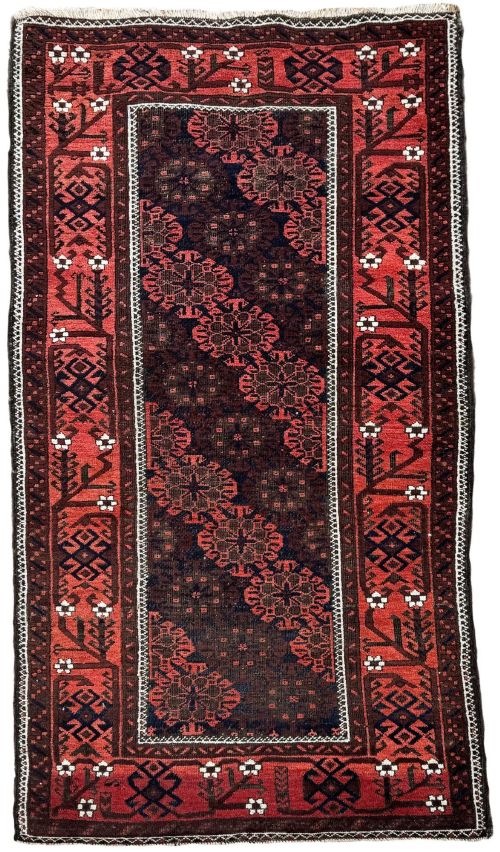
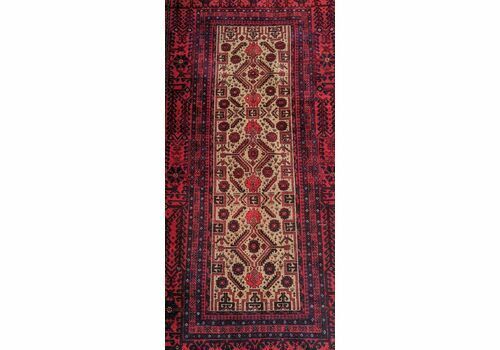
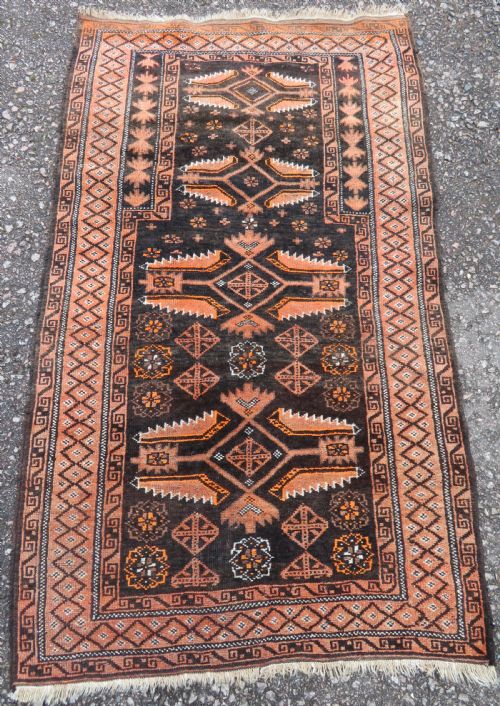
When searching for a balouch rug runner, you encounter woven pieces created by tribal and nomadic makers originating from regions spanning Afghanistan and Persia. The examples on this page primarily take the form of hallway runners and rugs displaying traditional tribal designs.
Most pieces date from the nineteenth century through to the early decades of the twentieth century. You are most likely to meet wool examples featuring distinctive motifs such as large guls, the Herati pattern, or Mina Khani variants.
These floor coverings served practical purposes in nomadic tents and houses before finding their way into modern interiors. Each specimen reflects the distinct regional aesthetics and weaving traditions of its makers.
Materials and construction
The construction of these floor coverings relies primarily on wool, utilised for both the plush pile and the foundational structure. Cotton occasionally appears in the weave, providing stability and structural support to the textile.
Weavers knotted the wool by hand onto a supportive foundation, creating durable surfaces designed to withstand generations of daily use. Natural dyes imparted the deep colours seen across the tribal and nomadic pieces.
Balouch Rug Runner Retail Price Guide 2026
Typical asking prices for balouch rug runner among the pieces listed under this phrase on Sellingantiques today, from the lower quarter to the upper quarter. They describe what is for sale here now, not the wider market.
Listings feature pieces spanning the nineteenth century up to the 1930s, constructed from wool and cotton in tribal and nomadic styles.
Distinctions in quality
Quality in these woven pieces rests upon the fineness of the knotting and the density of the wool pile. Tighter weaves and crisper execution of traditional motifs such as the large gul or Herati design distinguish superior examples from simpler ones.
The depth and richness of the natural colour palette further separate the best works from standard pieces. Well-balanced proportions in hallway runners also indicate thoughtful craftsmanship by the original weaver.
The Balouch Rug Runner Glossary
- Runner
- A long, narrow carpet format specifically designed for hallways and corridors. This shape accommodates narrow spaces while displaying continuous tribal patterns.
- Gul
- A medallion motif repeated across tribal carpets and rugs. This octagonal design often serves as the primary focal point in the composition.
- Herati
- A recurring floral and geometric pattern featuring a central rosette enclosed by leaves. This classic design appears frequently in Persian tribal weaving.
- Pile
- The upright loops or cut strands of wool that form the usable surface of the textile. Density of pile contributes directly to durability and comfort underfoot.
- Tribal
- Describing textiles made by nomadic or village groups rather than urban workshops. These designs draw upon handed-down local motifs rather than formal court cartoons.
Balouch Rug Runner: Frequently Asked Questions
Where did balouch rug runners come from?
These textiles originate from the nomadic and village weavers of regions including Afghanistan and Persia. Makers produced them for practical household use within their communities.
Over time, collectors and dealers sourced these pieces from their regions of origin for international markets.
How do I care for an old wool runner?
Regular gentle vacuuming without a rotating brush roll helps keep wool pile free of dust and grit. Professional cleaning suited for antique textiles preserves the fibres and dyes.
Pacing the runner over a quality underlay prevents slipping and reduces friction between the floor and the wool.
What designs appear on these runners?
Common motifs include large guls, Mina Khani variants, and the traditional Herati pattern. These geometric and floral designs are typical of tribal and nomadic weaving traditions.
Each design element connects the piece to specific regional aesthetics passed down through generations of makers.
How are different periods identified?
Dating relies on stylistic clues, materials, and structural characteristics recorded in the physical piece. Nineteenth-century examples often display specific dye palettes and knotting structures.
Comparing known markers from periods like the 1880s, 1900, or 1920 helps establish the age of each runner.