
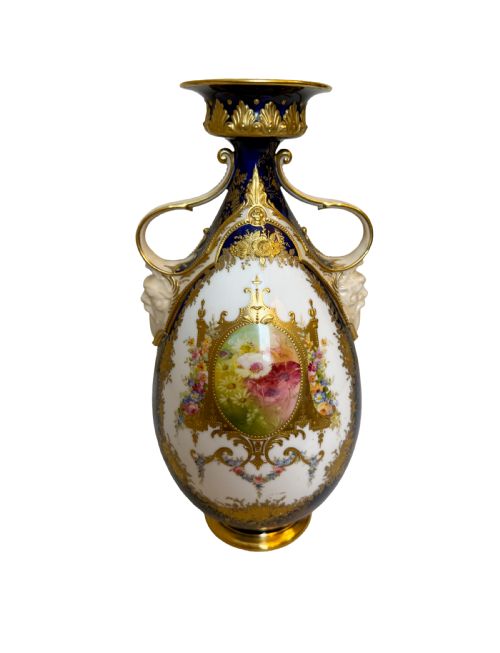


Royal Doulton Vases
Royal doulton vases bring tactile ceramic artistry and distinctive period design into any room through rich glazes and hand-painted motifs.
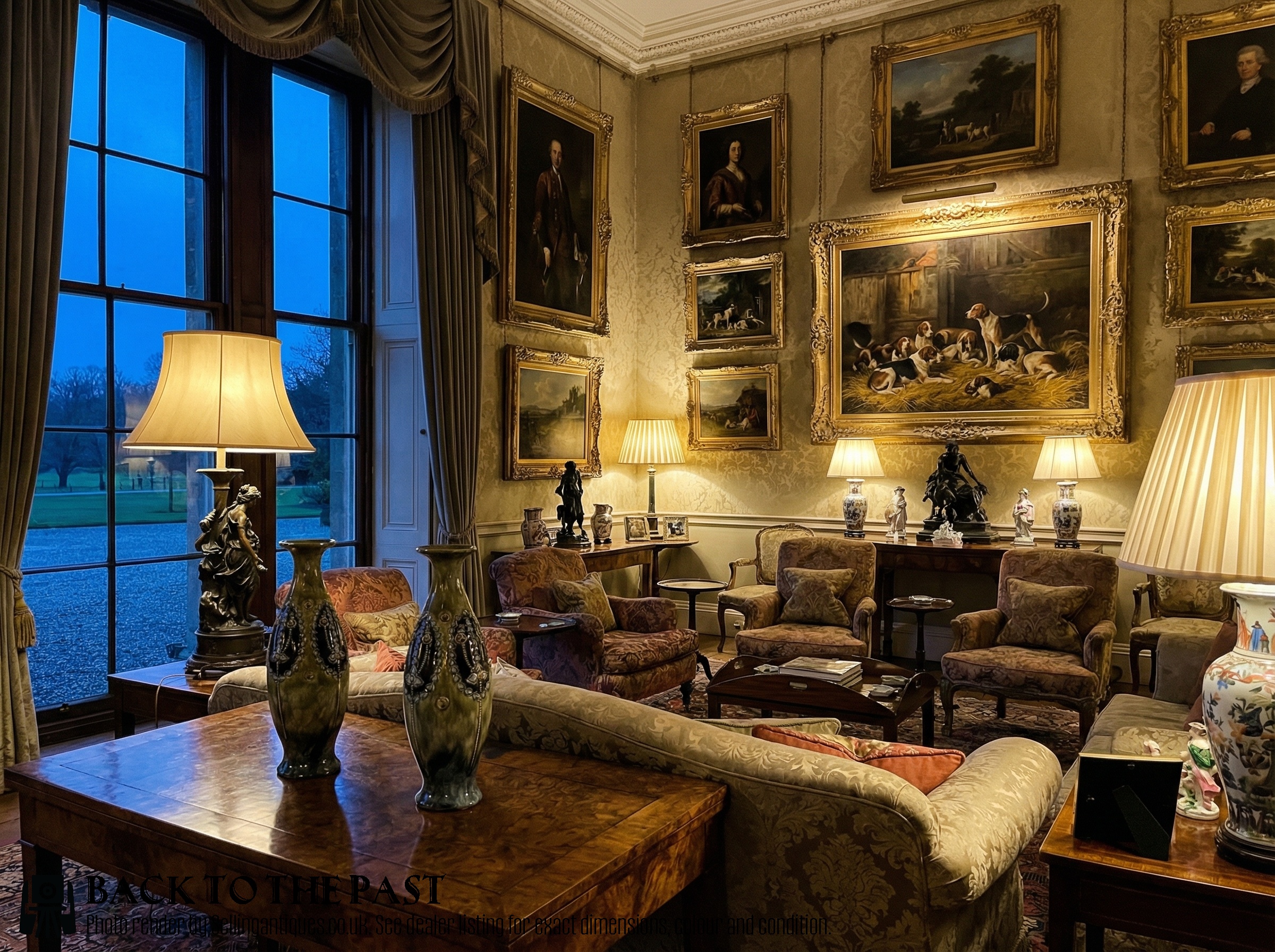
What the pieces are
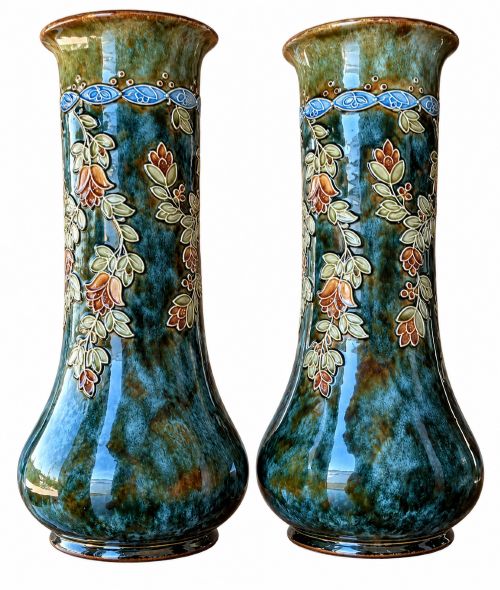
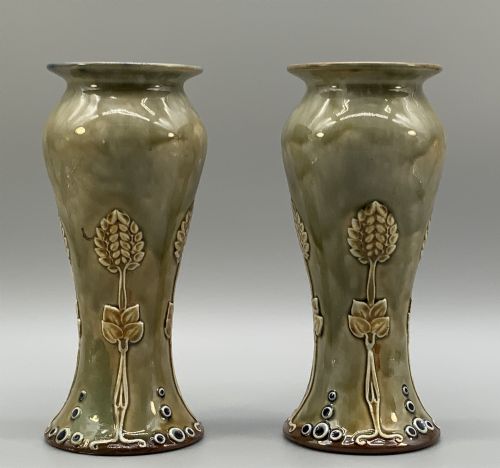
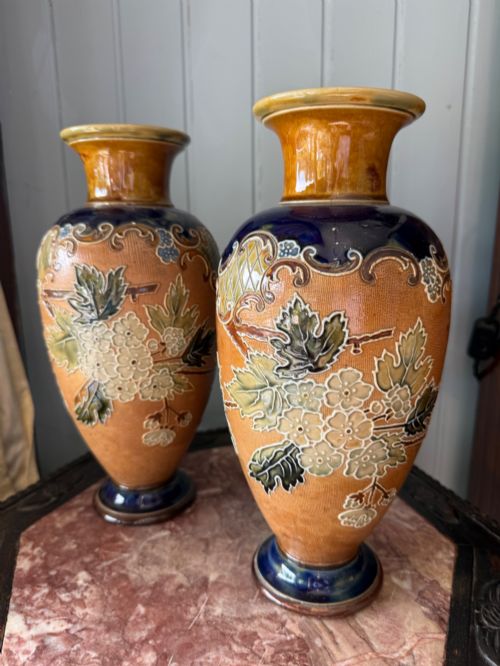
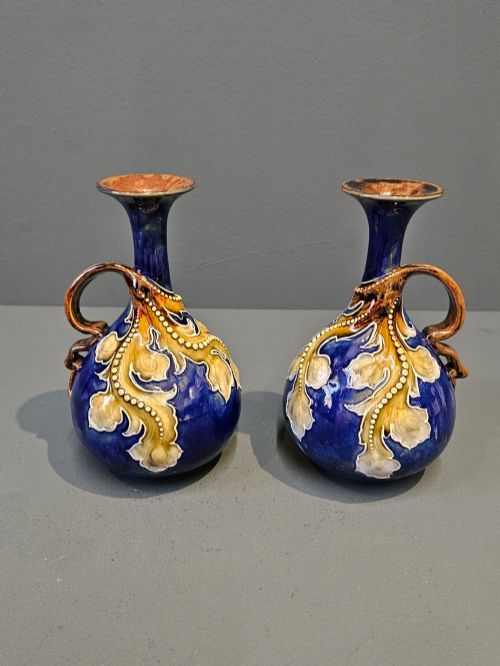
Royal doulton vases comprise decorative ceramic and stoneware vessels spanning the late nineteenth century through the early twentieth century. These pieces emerge in styles including Victorian, Arts and Crafts, and Art Nouveau, reflecting evolving British ceramic manufacture.
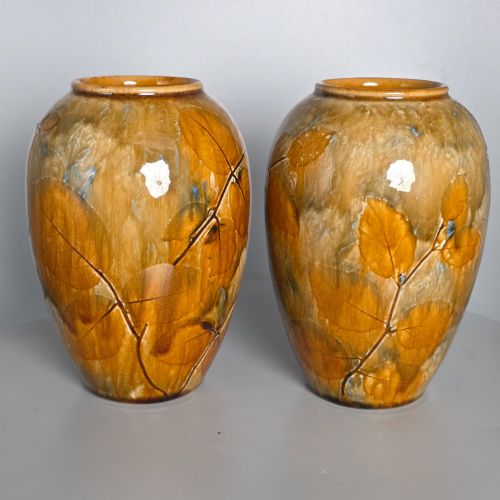
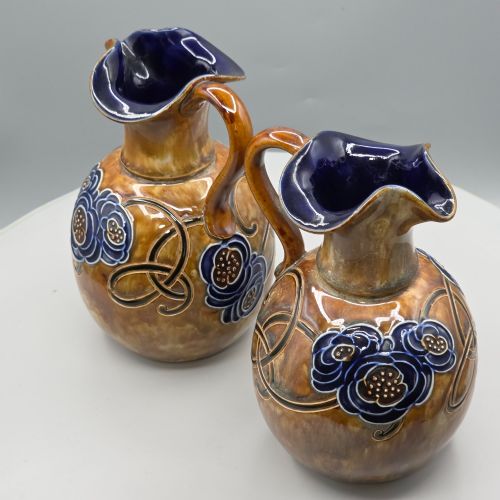
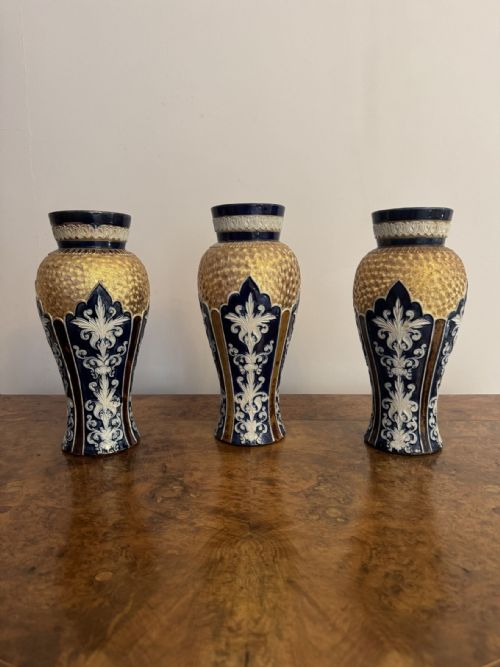
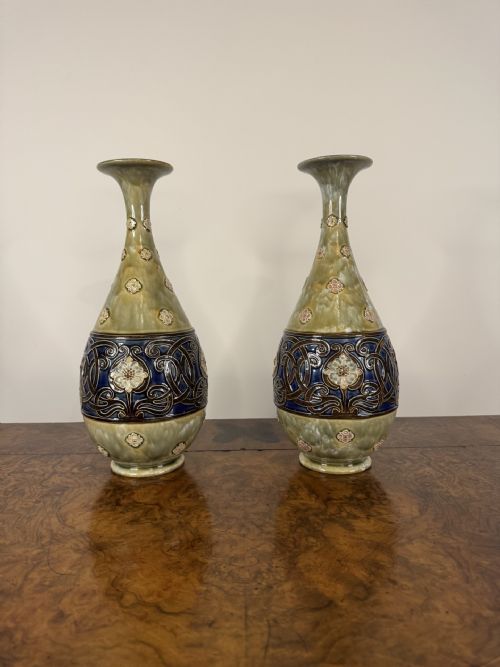
The selection centres on pairs, ranging from large baluster and gourd shapes to cylindrical bottle neck forms. Makers working at the Lambeth studios applied specialised glazes and painted floral or geometric patterns onto the clay bodies.
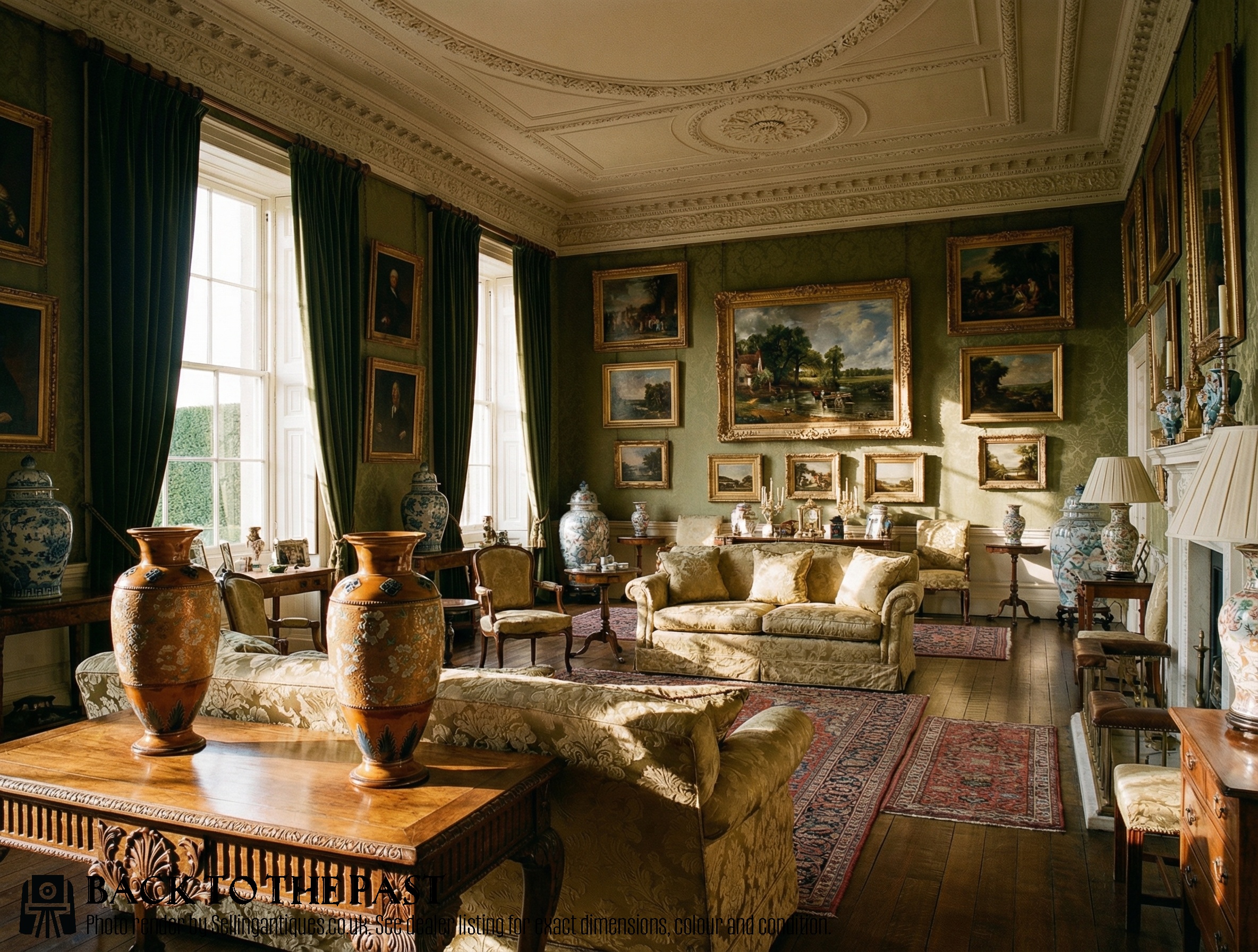
How they were made
Potters shaped durable stoneware and earthenware bodies into distinct forms such as baluster and gourd silhouettes. Artisans applied salt glazes and decorative surface treatments including Slater stoneware lace patterns and applied gilding.
Makers utilised manual techniques for painting and incising motifs onto the clay before firing. Lead and salt glazing methods produced varied surface textures, from high-gloss finishes to mottled matt effects.
Retail Price Guide 2026
Typical UK retail prices for royal doulton vases, calculated from the Sellingantiques database of over a million retail prices indexed since 2003. This retail price guide relies exclusively on Sellingantiques data; no external sources or auction records are used, so the figures do not describe the wider market.
Listings feature stonewares, earthenware, and glazed ceramics spanning Victorian, Arts and Crafts, and Art Nouveau styles.
What varies in quality
Quality separates through the precision of the hand-painted decoration and the complexity of the studio mark. Pieces bearing the signatures of notable artists or specific monogram ciphers demonstrate higher artistic ambition.
The execution of the glaze and the crispness of the incised Art Nouveau or floral detailing distinguish standard production items from master-level studio work. Condition of the surface glaze and integrity of any gilt detailing also influence the standing of the piece.
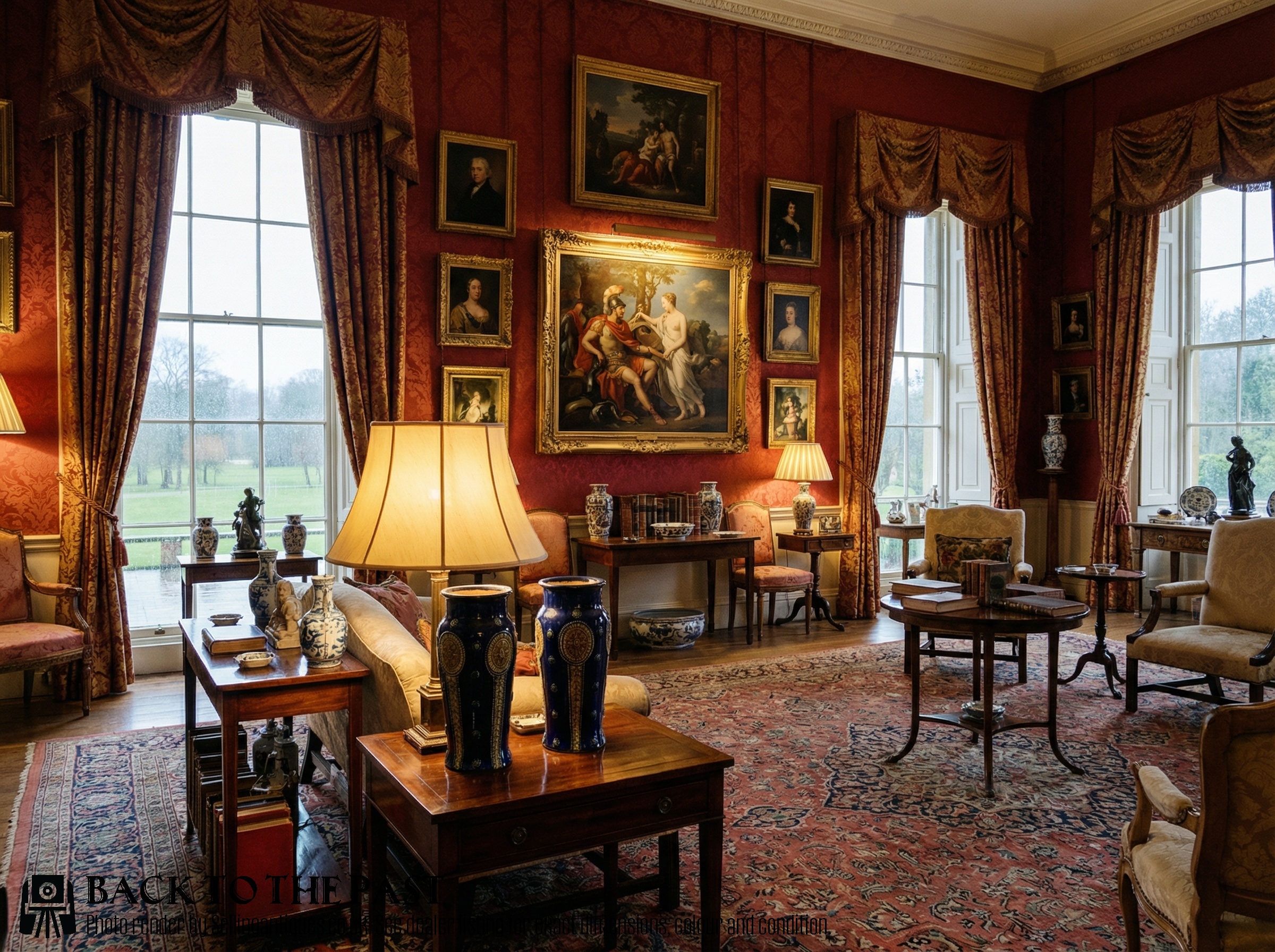
Ethel Beard·Frank Butler·Lily Partington·Christine Abbot·Annie Partridge·Emily Welch·Emily J Gilman
The Royal Doulton Vases Glossary
- Stoneware
- A robust, vitrified ceramic fired at high temperatures to produce an impermeable body. This material forms the durable foundation for many Lambeth studio pieces.
- Slater stoneware
- A proprietary ceramic texturing technique involving the press-moulding of lace or fabric into the wet clay surface. The resulting indentations were often highlighted with colour and gilding.
- Baluster
- A vertical architectural form characterised by a rounded lower body tapering to a narrow neck. This shape provides stability and visual balance to large decorative vessels.
- Lambeth
- The London district where the Doulton factory produced its renowned art pottery. Studio artists here developed innovative glazes and hand-modelled ornamentation.
Frequently Asked Questions
How do I date my royal doulton vases?
Examination of the base stamps and impressed factory marks provides the primary chronological indicator for these ceramics. Comparing the style of the monogram against known studio periods narrows the production window.
Design motifs also assist with dating, as distinct Art Nouveau styles emerged around the turn of the twentieth century whilst geometric Art Deco influences appeared by the nineteen-twenties.
Were royal doulton vases made in pairs?
Many decorative vessels from this maker were produced and sold as matching pairs for mantelpieces and console tables. These paired items shared identical forms and complementary hand-painted decoration.
Individual pieces also exist where studio artists created singular display objects or where partners in a set became separated over time.
What is slater's patent pottery?
Slater's patent refers to a decorative technique developed at the Lambeth factory utilising real lace pressed into damp clay. This created a textured surface that held contrasting colour glazes effectively.
The resulting patterned background was frequently combined with hand-painted floral stems or gilded accents by studio artists.
How should I display large ceramic vases?
Large baluster and gourd vessels require stable placement on sturdy furniture away from high-traffic household areas. Their substantial stoneware weight demands secure foundational support.
Positioning them to catch natural light highlights the subtle shifts in coloured glazes and the intricate details of the incised surface patterns.