


Royal Doulton Porcelain
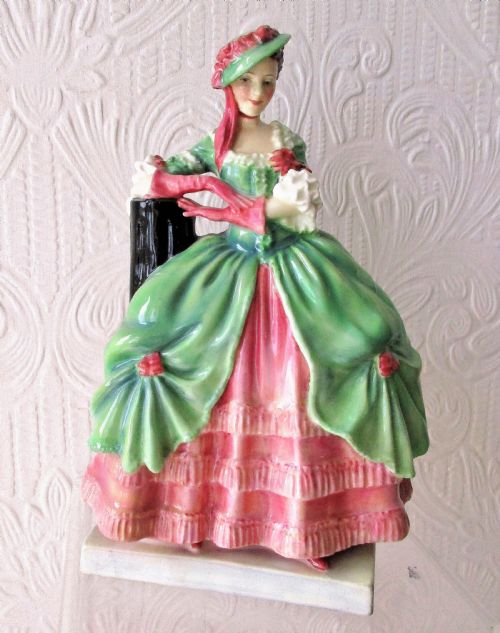
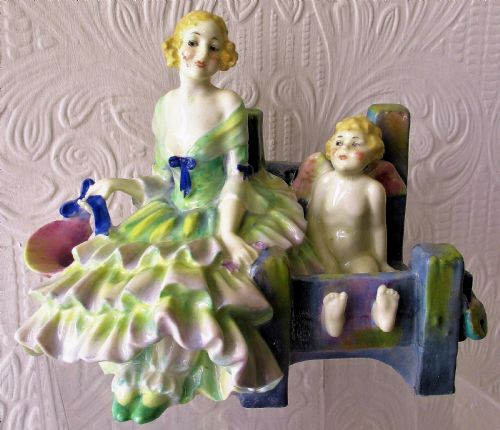
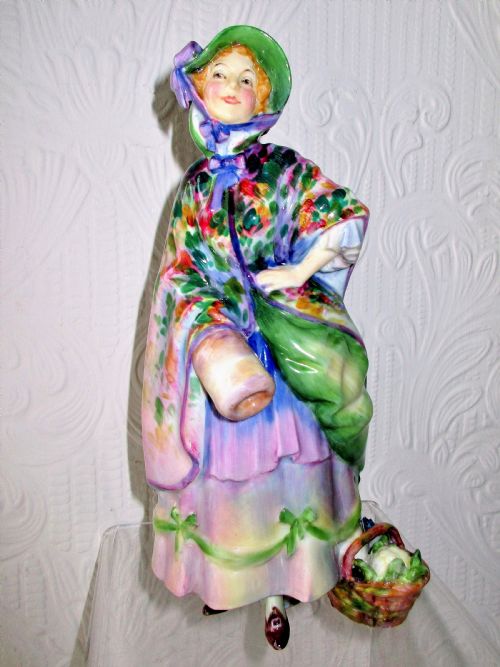
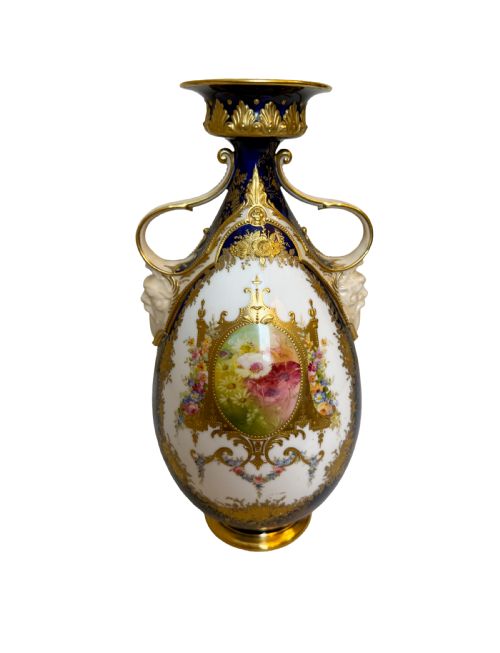
When you explore royal doulton porcelain, you encounter a diverse range of figurines, vases, and cabinet dishes spanning from Victorian origins to the mid-twentieth century.
Royal Doulton Porcelain
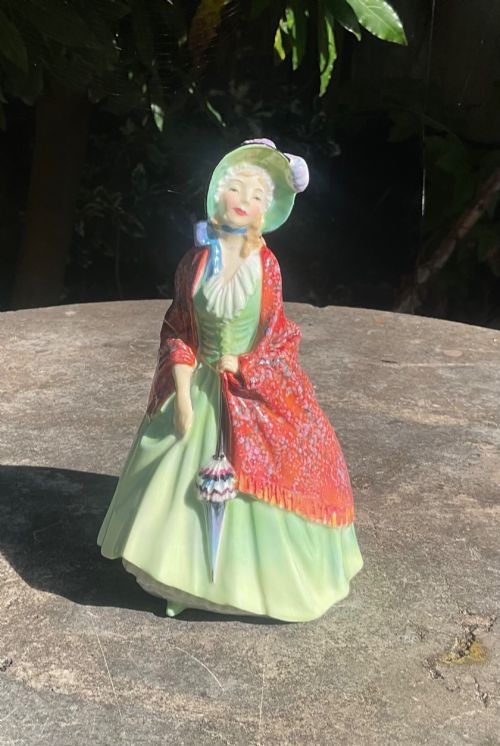
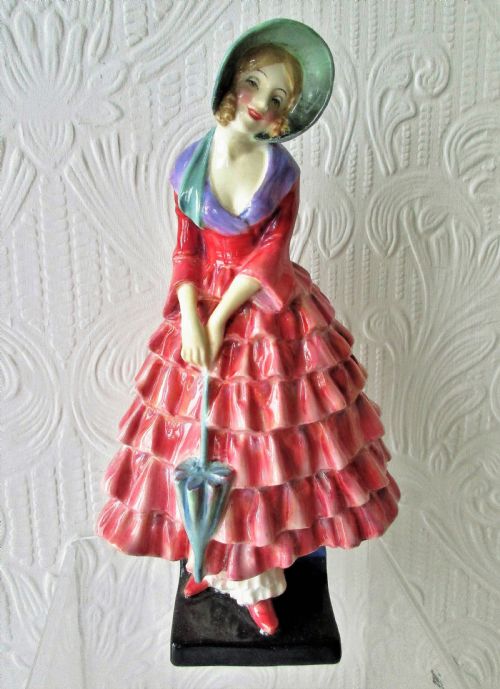
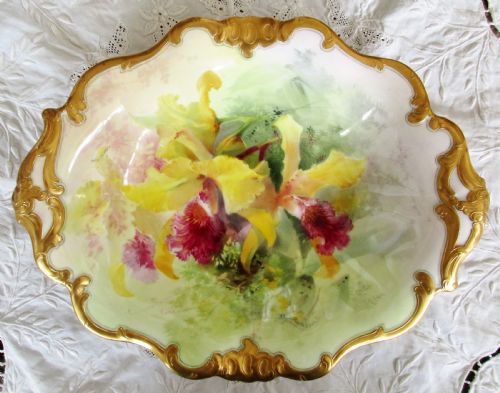
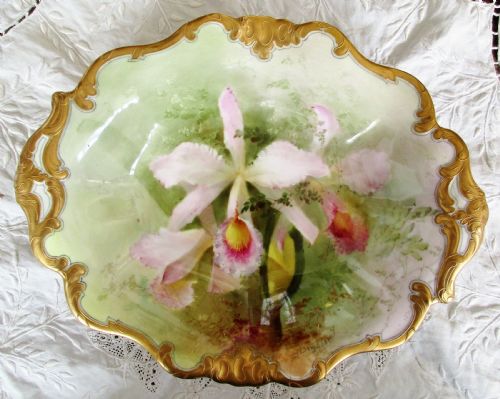
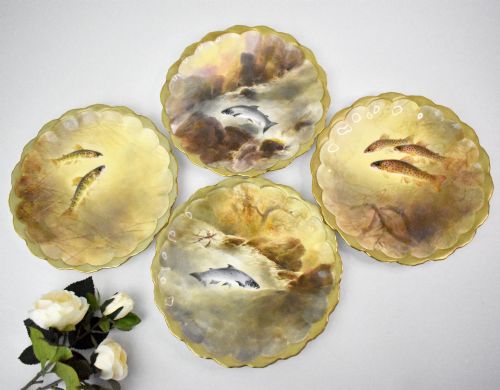
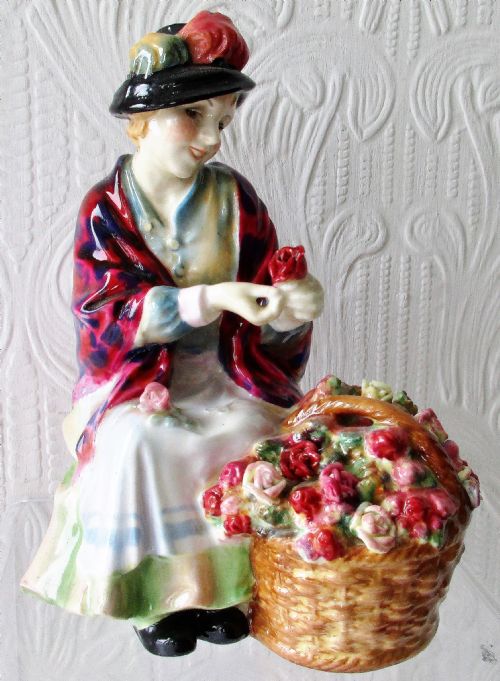
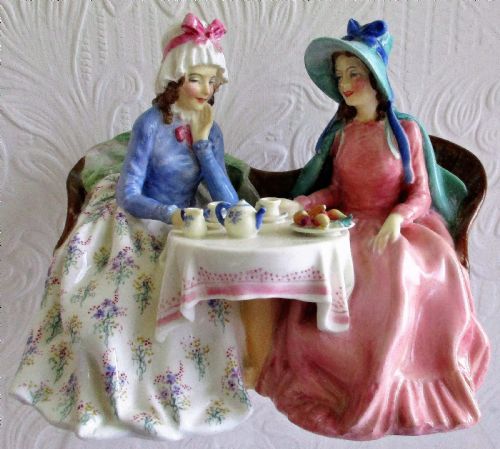
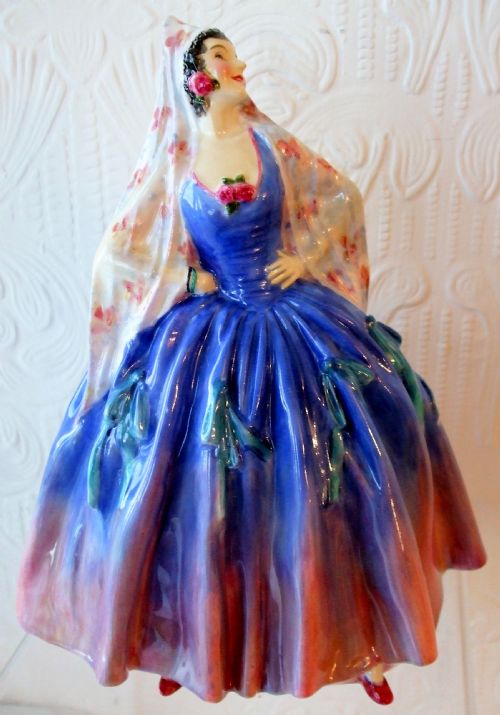
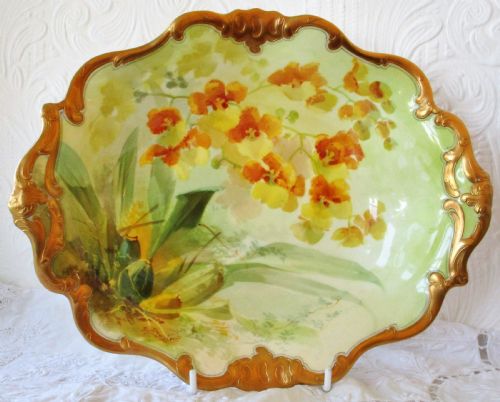
Royal Doulton porcelain encompasses a broad spectrum of decorative and utilitarian forms, with figurines and hand-painted cabinet plates appearing frequently across the selection.
The objects span multiple eras, including Victorian pieces, Edwardian examples, and items produced through the 1920s, 1930s, and 1940s.
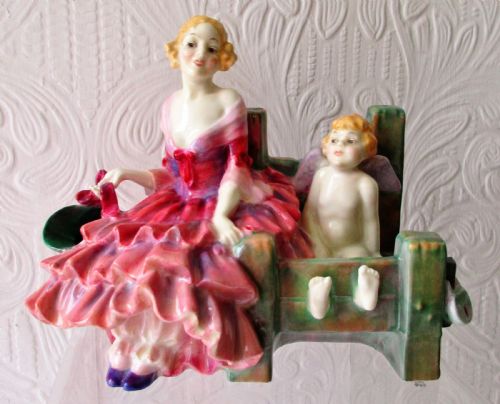
Forms range from characterful human figures and seated animal studies to elaborate floral cabinet dishes and large baluster vases.
Assessing Quality and Execution
The standard of painted detail distinguishes individual pieces, particularly where named artists applied botanical or figural scenes by hand.
The crispness of moulding in complex figural groups and relief decoration dictates the relative success of the finished object.
Royal Doulton Porcelain Retail Price Guide 2026
Typical asking prices for royal doulton porcelain among the pieces listed under this phrase on Sellingantiques today, from the lower quarter to the upper quarter. They describe what is for sale here now, not the wider market.
Materials recorded across the inventory include bone china, glazed porcelain, stoneware, and applied gold leaf.
David Dewsberry·Joseph Birbeck Senior·John H Plant·Harry Piper·Leslie Harradine
The Royal Doulton Porcelain Glossary
- Figurine
- A small sculptural representation of a human or animal form. These pieces often carry specific HN numbers to track their design iteration and production period.
- Cabinet Dish
- A decorative plate or shallow vessel intended for display rather than dining. These items frequently showcase detailed hand-painted botanical or landscape studies.
- Bone China
- A type of soft-paste porcelain containing bone ash, known for its high strength and milky translucency. This material forms the base for many twentieth-century items.
- Glaze
- A glassy coating fused to ceramic ware by firing, providing a protective and decorative surface. It can be clear, coloured, or textured depending on the intended finish.
- Gilt
- A thin layer of gold applied to the surface of porcelain or ceramic items. This technique adds metallic highlights to rims, handles, and painted motifs.
Royal Doulton Porcelain: Frequently Asked Questions
What are Royal Doulton figurines?
These are glazed ceramic and porcelain sculptures depicting people, literary characters, and animals. They were produced extensively through the early and mid-twentieth century.
Many examples bear specific design numbers, such as the HN series, which help identify the modelling period and production year.
How do I identify cabinet plates?
Cabinet plates and dishes are identified by their decorative focus, often featuring hand-painted botanical studies or landscapes. They were created for display in cabinets rather than practical use.
Signatures from artists such as David Dewsberry or Harry Piper frequently appear on the front or reverse of these pieces.
What periods do these pieces cover?
The available selection spans from the nineteenth century, including Victorian and Edwardian items, through to pieces made in the 1930s and 1940s.
Stylistic shifts reflect this timeline, moving from ornate revival styles towards Art Nouveau and Art Deco designs.
How should I display porcelain vases?
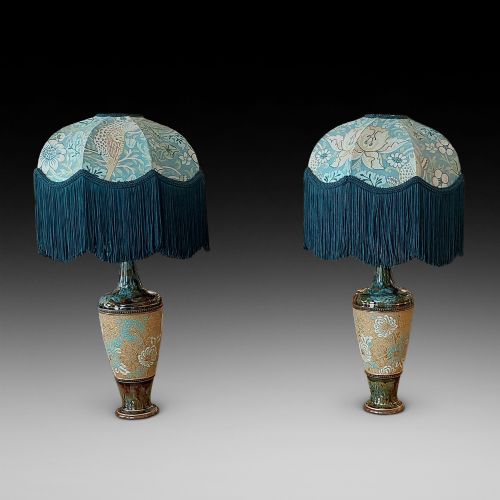
Large baluster vases and smaller cabinet vessels work well on stable surfaces away from direct sunlight and heavy foot traffic. Their glazed and gilt surfaces reflect ambient light.
Grouping pairs or matching sets together can create a balanced focal point within a room.