



Green Floral Porcelain Bowl
A green floral porcelain bowl brings botanical colour and delicate craft to a table, offering both decorative presence and historic charm.
Green Floral Porcelain Bowl
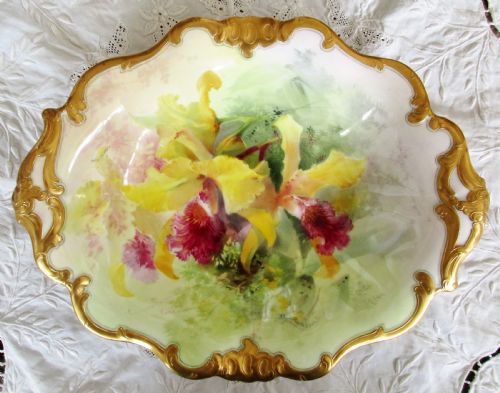
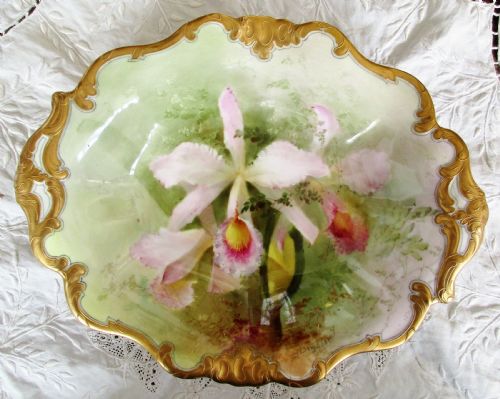
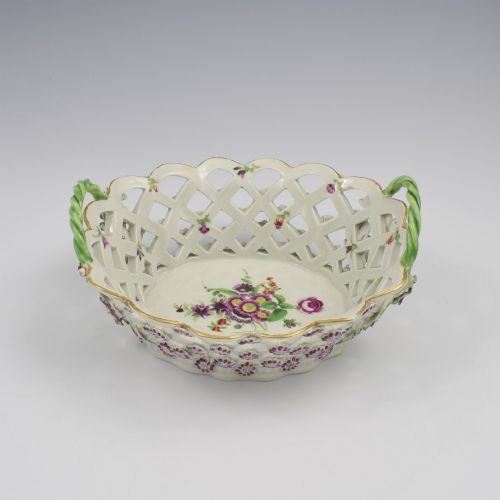
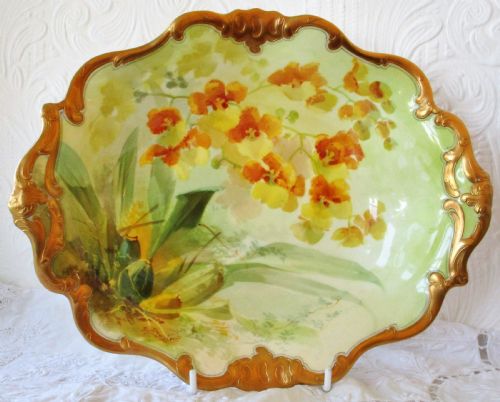
When searching for a green floral porcelain bowl, buyers encounter a variety of forms ranging from cabinet dishes and decorative baskets to chamber pots and wash sets. These objects span multiple periods, including the eighteenth century, the Victorian era, the Edwardian period, and earlier Song dynasty pieces.
The materials used across these items include porcelain, soft-paste porcelain, ceramic, and earthenware, often enhanced with enamel, glaze, gilt, and gold leaf. Styles represented on this page stretch from Georgian and Rococo Revival to Art Nouveau and Song Dynasty designs.
Materials and construction methods
These pieces are constructed from ceramic, earthenware, porcelain, and soft-paste porcelain, shaped into bowls, dishes, plates, and wash sets. Potters and painters applied intricate glazes and enamels to create the characteristic floral motifs.
Many items incorporate gilt and gold leaf highlights to accentuate the surface patterns, whilst others rely on the natural finish of the glaze over porcelain bodies.
Green Floral Porcelain Bowl Retail Price Guide 2026
Typical asking prices for green floral porcelain bowl among the pieces listed under this phrase on Sellingantiques today, from the lower quarter to the upper quarter. They describe what is for sale here now, not the wider market.
Listings feature items from the eighteenth century, the Victorian era, the Edwardian period, and the Song Dynasty.
Assessing quality in ceramic pieces
The refinement of the porcelain body and the precision of the enamel painting determine the distinction between standard production items and finer cabinet pieces. Earlier examples demonstrate specific throwing techniques and glaze formulations characteristic of their period of origin.
The application of gilt and gold leaf, alongside the preservation of delicate foliate rims and painted floral details, indicates the level of craftsmanship invested in the object.
Dr Wall Worcester·Royal Doulton
The Green Floral Porcelain Bowl Glossary
- Porcelain
- A white vitrified ceramic material of high translucency and strength. It is fired at high temperatures to achieve a dense and non-porous body.
- Soft-Paste Porcelain
- A ceramic material composed of white clay and frit, fired at lower temperatures than hard-paste porcelain. It was widely used by eighteenth-century English factories.
- Enamel
- A vitreous composition fused to the surface of porcelain through firing for decoration. It provides durable colour and glossy detail.
- Gilt
- A thin layer of gold applied to the surface of ceramic or porcelain objects. It is often used to highlight rims and decorative motifs.
- Celadon
- A term for ceramics denoting a pale green glaze resembling jade. It originated in China and is associated with early Asian wares.
Green Floral Porcelain Bowl: Frequently Asked Questions
How do I clean a porcelain bowl safely?
Wash the piece gently by hand using lukewarm water and a mild detergent. Avoid abrasive sponges or harsh chemicals that might damage the surface enamel.
Dry the item thoroughly with a soft cloth to protect any gilt or gold leaf details from moisture damage over time.
Can I use these antique bowls daily?
Many of these items, such as cabinet dishes and decorative baskets, are best reserved for display rather than heavy daily use. Their delicate porcelain bodies and historic glazes require careful handling to preserve their condition.
Functional forms like wash sets and chamber pots were originally made for utility, but surviving antique examples are generally treated as decorative collector pieces today.
How do I identify the period of a bowl?
Examine the base for maker marks, manufacturing stamps, or stylistic indicators associated with periods like the eighteenth century or the Edwardian era. The composition of the ceramic body, whether soft-paste porcelain or earthenware, also helps narrow down the date.
Comparing the painting style and glaze characteristics with documented examples from specific factories provides further confirmation of age.
What is the difference between porcelain and earthenware?
Porcelain is fired at high temperatures, resulting in a vitrified, non-porous, and often translucent material. Earthenware is made from coarse clay fired at lower temperatures, producing an opaque and porous body that requires a complete glaze for waterproofing.
In these listings, porcelain pieces often appear as fine cabinet dishes, whilst earthenware and ceramic appear in utilitarian forms like chamber pots and wash sets.