





Antique Ceramic Server Dish
An antique ceramic server dish is a table vessel for presentation, offering functional charm from Georgian, Victorian, and Edwardian dining rooms.
Antique Ceramic Server Dish
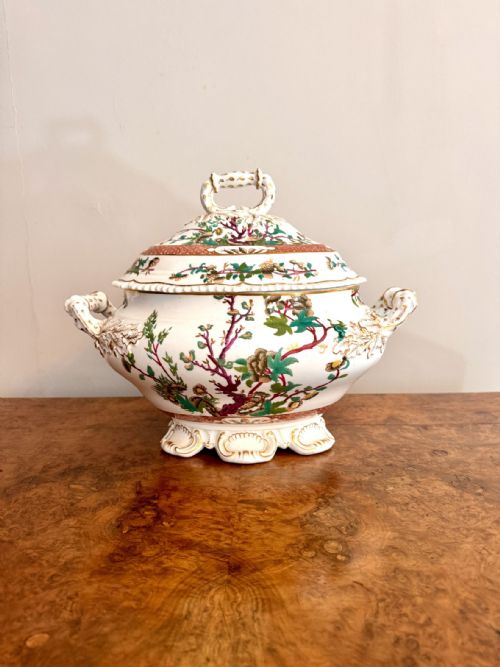
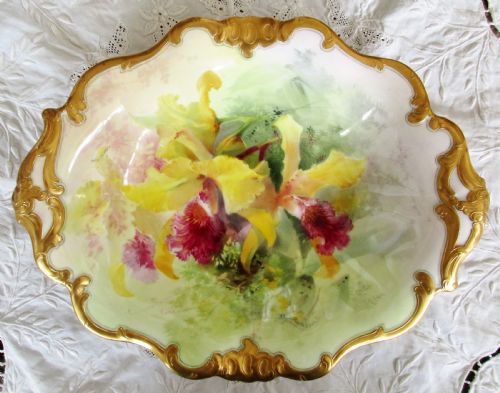
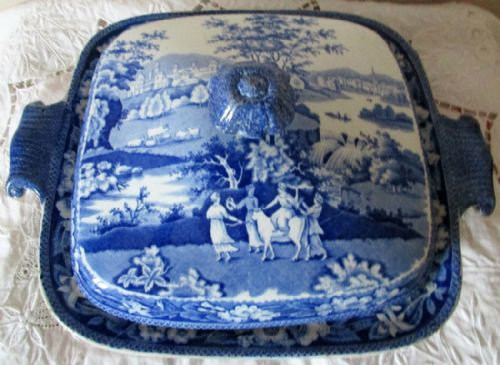
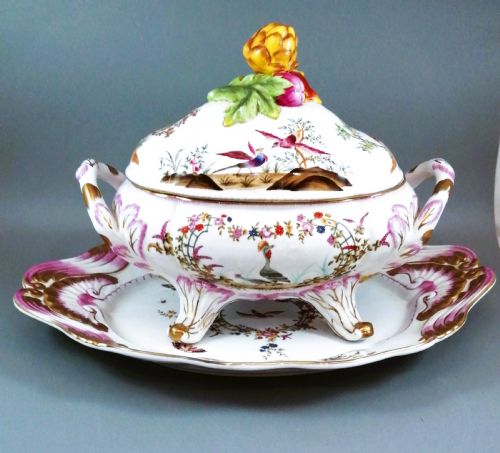
An antique ceramic server dish encompasses various table vessels designed for presenting food, ranging from vegetable tureens and cabinet dishes to specific forms like sardine boxes and pickle leaves. The examples span several eras, with 19th-century and Victorian pieces appearing frequently alongside Georgian and Edwardian items.
The objects originate from English, French, Russian, and Chinese makers, reflecting domestic utility and formal dining customs. Forms include covered tureens, open platters, salad bowls, and specialised dessert sets.
How they were made
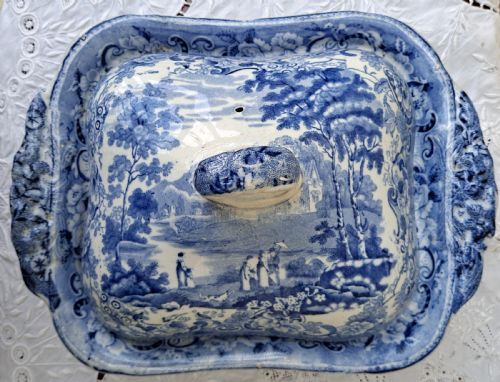
Potters shaped these wares from earthenware, porcelain, ironstone, and stoneware, frequently applying lead or tin glazes to seal the ceramic body. Many items incorporate transfer-printed blue and white decoration or hand-painted botanical and pictorial motifs.
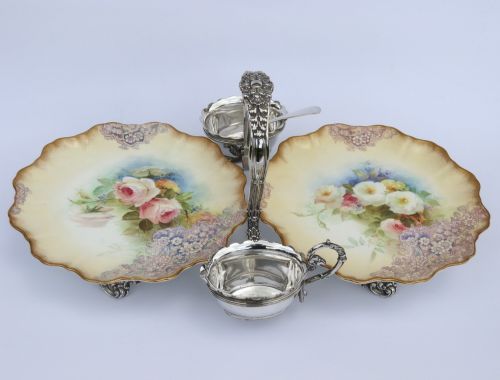
Makers often combined ceramic bodies with silver plate or enamel mountings, particularly in chafing heat dishes and dessert sets. Moulded details such as naturalistic basketweave, animal forms, and relief patterns demonstrate diverse kiln techniques.
Antique Ceramic Server Dish Retail Price Guide 2026
Typical asking prices for ceramic server dish among the pieces listed under this phrase on Sellingantiques today, from the lower quarter to the upper quarter. They describe what is for sale here now, not the wider market.
Among the platters and tureens sit whimsical sardine boxes, fox trays, and bird-form butter dishes ready to surprise dinner guests.
What varies in quality
Quality rests upon the crispness of the moulding and the precision of the hand-painting or transfer printing. Pieces decorated by named artists or produced by distinguished potteries display superior detailing in polychrome enamels and underglaze blues.
The preservation of original covers, stands, and matching silver-plated elements elevates a piece. Subtle variations in glaze coverage and the complexity of shaped forms, such as bird or leaf models, distinguish standard utility wares from ambitious cabinet pieces.
George Jones·James Wallace and Co·David Dewsberry·John and Richard Riley·Walker and Hall·Doulton Lambeth·Kuznetsov·Mason Ironstone·Thomas Forester and Sons·Don Pottery·Copeland and Garrett·Sevres
The Antique Ceramic Server Dish Glossary
- Tureen
- A deep covered bowl designed for serving soups, sauces, or vegetables at the table. These vessels often include matching ceramic stands or ladles.
- Ironstone
- A dense, durable type of earthenware patented in the 19th century to imitate porcelain. It provides a robust body for heavily decorated serving platters and tureens.
- Majolica
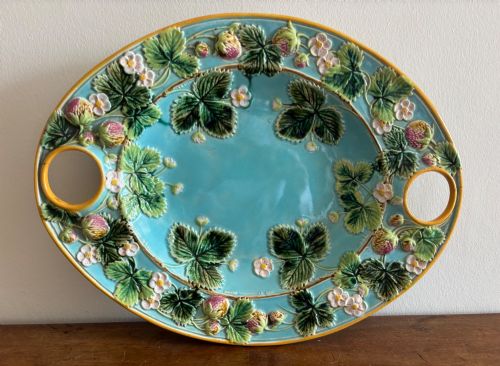
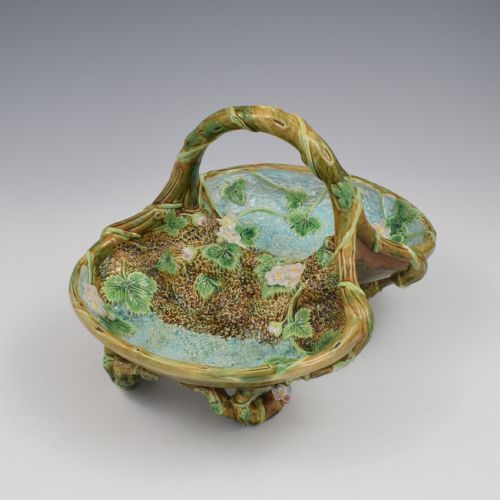
- A colourful lead-glazed earthenware characterised by vibrant relief ornamentation. Victorian versions frequently mimic natural forms like leaves, fish, and fruit.
- Transfer printing
- A decoration technique where an engraved metal plate transfers a design onto paper, which is then stamped onto the ceramic surface before glazing. This method allowed consistent blue and white patterns on mass-produced tableware.
- Sweetmeat presentier
- A specialised shallow dish or stand used for serving small confectionery, nuts, or dried fruits. These pieces often date to the 18th century and feature tin glazes.
Antique Ceramic Server Dish: Frequently Asked Questions
What were antique server dishes used for?
These dishes held food at the dining table, accommodating items from vegetables and soups to specialised courses like cheese, fruit, and fish.
Covered vessels kept dishes warm during long meals, while open platters and cabinet dishes presented food for communal dining or display.
How do I care for an antique ceramic dish?
Wash these pieces gently by hand using mild soap and warm water, avoiding harsh scrubbing or dishwashers that can damage old glazes and enamels.
Keep silver-plated mounts polished with appropriate non-abrasive cleaners, and store pieces safely away from sudden temperature changes.
How can I tell the period of a server dish?
Examine the ceramic body, glaze type, and backstamps, comparing them against known production eras like Georgian earthenware or Victorian majolica.
Style indicators, such as Rococo Revival curves or Arts and Crafts simplicity, also offer reliable clues to the decade of manufacture.
Are all ceramic server dishes marked by the maker?
Many pieces carry printed, impressed, or painted factory marks, but numerous older or unmarked items rely on style, paste composition, and glaze characteristics for identification.
Unmarked pieces frequently require comparison with documented shapes and patterns from specific potteries to determine their origin.