





Gold Gilded Porcelain Bowl
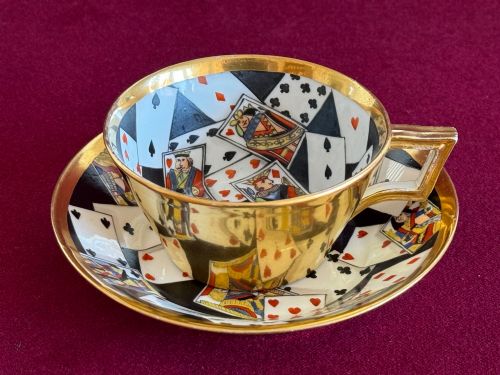
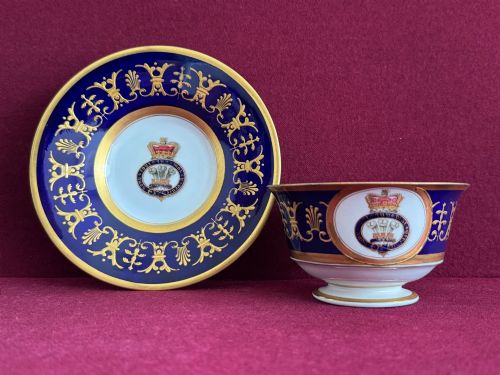
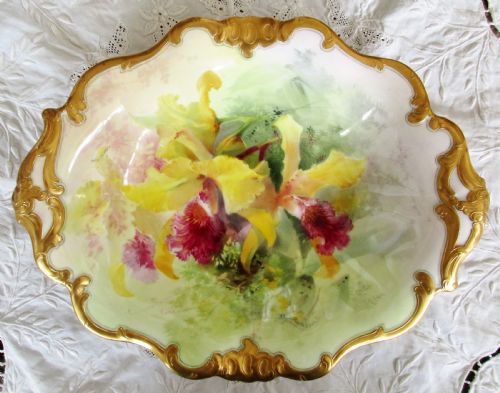
A gold gilded porcelain bowl brings rich metallic shine and hand-painted artistry to a table or cabinet, spanning British potteries and Japanese Satsuma wares.
Gold Gilded Porcelain Bowl
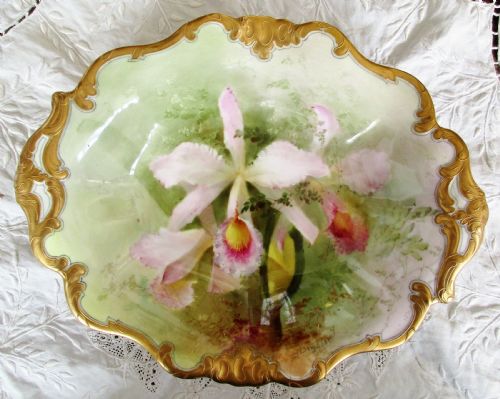
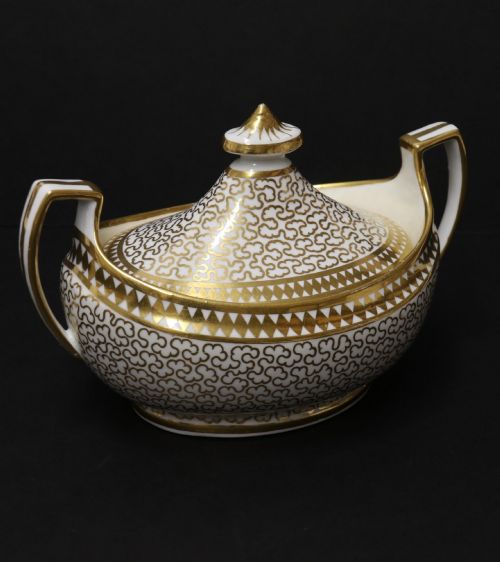
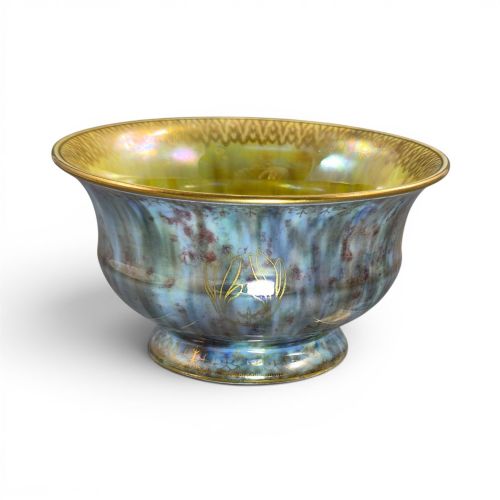
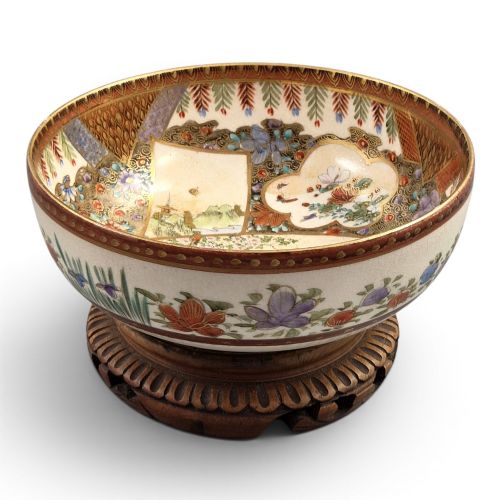
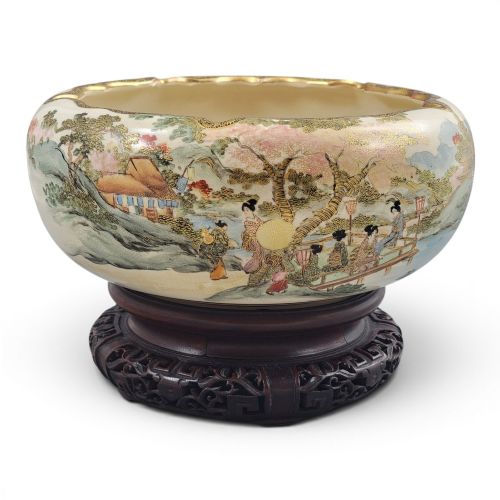
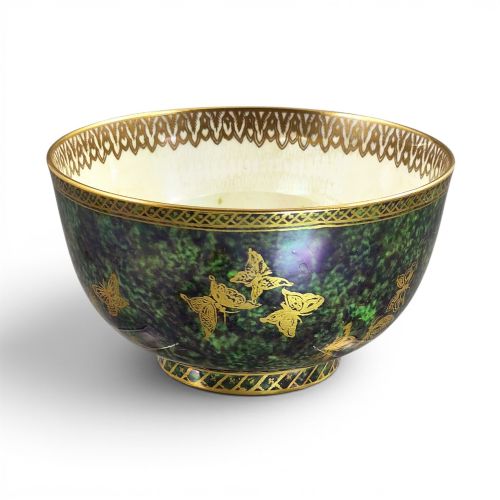
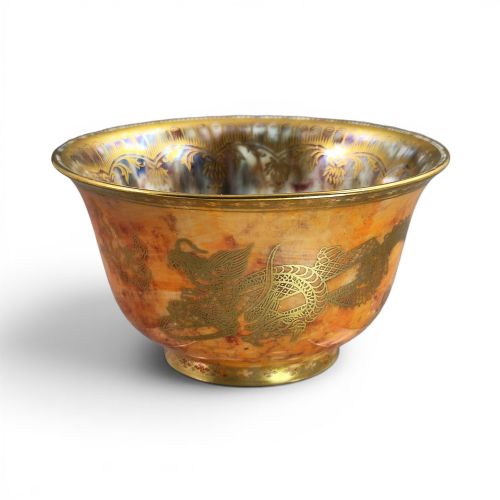
A gold gilded porcelain bowl represents a rich tradition of ceramic artistry designed for display, dining, and decorative service across multiple centuries. When searching for a gold gilded porcelain bowl, buyers encounter everything from Georgian bone china sugar basins and Victorian centrepieces to Edwardian lustre wares and Meiji period Japanese Satsuma ceramics.
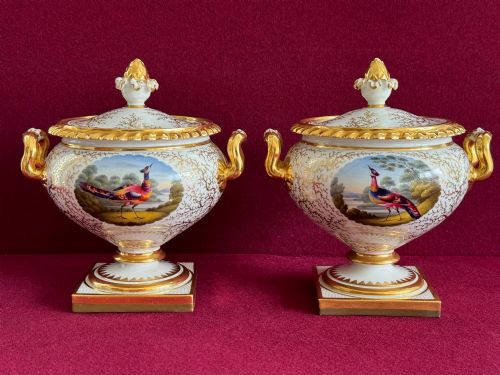
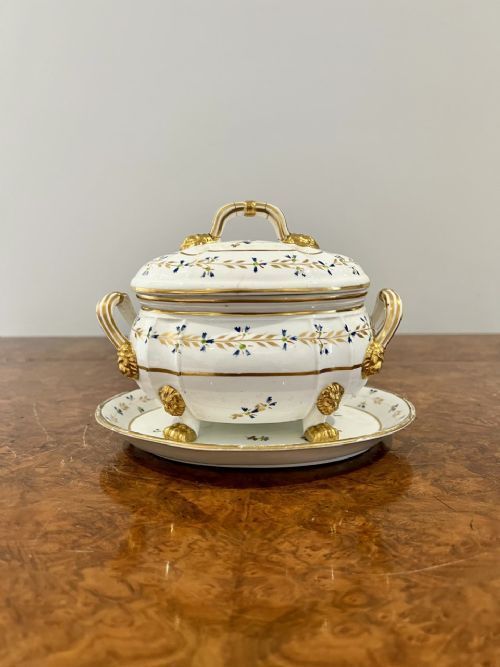
The forms vary widely between deep punch bowls, delicate cabinet dishes, lidded tureens, and broad decorative vessels resting upon mounts of gilt bronze. British factories such as Royal Worcester, Wedgwood, and Derby sit alongside French Sèvres and Japanese studios, each bringing distinct regional styles and painting traditions to the form.
Materials and production methods
These vessels rely on hard-paste or soft-paste porcelain, bone china, and earthenware bodies shaped on wheels or pressed into moulds before initial kiln firing. Once shaped, pieces receive hand-painted botanical, figurative, or abstract designs utilising enamel colours and mineral glazes.
Gold leaf, liquid gilt, and heavy gilding are applied by hand to rims, handles, and internal motifs before a final low-temperature firing fuses the precious metal permanently to the glazed ceramic surface.
Gold Gilded Porcelain Bowl Retail Price Guide 2026
Typical asking prices for gold gilded porcelain bowl among the pieces listed under this phrase on Sellingantiques today, from the lower quarter to the upper quarter. They describe what is for sale here now, not the wider market.
Some bowls are so densely packed with painted flowers they earned the delightful nineteenth-century nickname thousand-flower patterns.
Assessing craftsmanship and execution
Quality rests upon the precision of the hand-painting and the depth and purity of the applied gold leaf rather than the mere presence of decoration. Superior examples display crisp, finely detailed brushwork by named artists, smooth glaze surfaces free from kiln flaws, and thick, burnished gilding that retains its brilliance.
Design complexity and the ambition of the form also separate standard production wares from exceptional studio and factory centerpieces. Elaborate moulded details, intricate enamel work like champlevé or millefleur, and signed studio pieces indicate higher artistic intent and superior execution.
Chamberlains Worcester·Royal Doulton·Daisy Makeig Jones·Spode·Kozan·Meissen·Crown Derby·Shizan·Sevres·Doulton Burslem·Coalport·Albert Shuck·Hododa Yokohama·Kinkozan·J Smith·Ahrenfeldt and Asalvary·Shozan·Barr Flight and Barr
The Gold Gilded Porcelain Bowl Glossary
- Sucrier
- A small lidded sugar bowl designed for tea service use. These often feature matching covers and delicate gilt handles.
- Satsuma
- A type of earthenware from Japan characterised by an ivory crackle-glaze and dense polychrome enamel and gold decoration. It became immensely popular during the Meiji period.
- Lustre
- A ceramic glaze containing metallic salts that produce an iridescent, shimmering surface effect when fired in a reduction kiln.
- Cabinet Dish
- A decorative plate or shallow bowl intended purely for visual display in a cabinet rather than functional dining use.
- Mon
- A Japanese emblem or crest used to decorate traditional wares, often denoting ruling clans or family lineages.
Gold Gilded Porcelain Bowl: Frequently Asked Questions
Can I use these bowls for serving food?
Most antique decorative bowls and cabinet pieces are intended for display or dry presentation rather than heavy daily dining use.
Older glazes and surface gilding can be sensitive to acidic foods, cutlery marks, and modern dishwasher cycles, so reserve them for dry items or ornamental placement.
How can I tell the period of a piece?
Look closely at the makers' marks, backstamps, and painted numbers on the underside of the base, which often correlate to specific factory production years and reigning monarchs.
Style indicators also help; heavy rococo scrollwork points toward the Victorian era, while geometric lustre designs frequently indicate Edwardian or 1920s manufacture.
What is the difference between porcelain and bone china?
True porcelain uses a dense mix of kaolin clay and petuntse fired at extremely high temperatures to create a vitrified, translucent body that resists scratching.
Bone china incorporates animal bone ash into the ceramic paste, producing a slightly warmer tone, remarkable chip resistance, and a brilliant white ground ideal for rich gilding.