

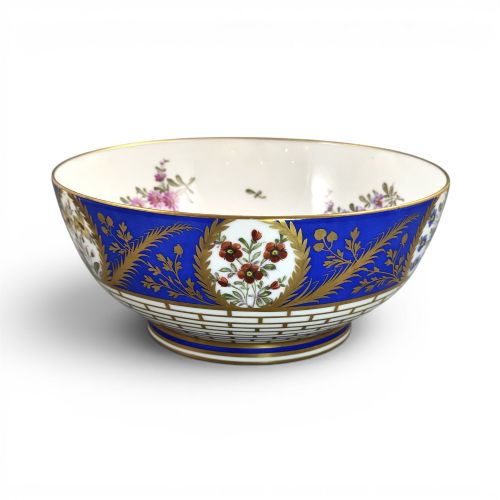
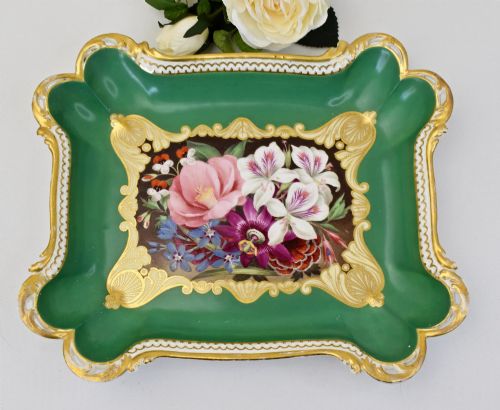
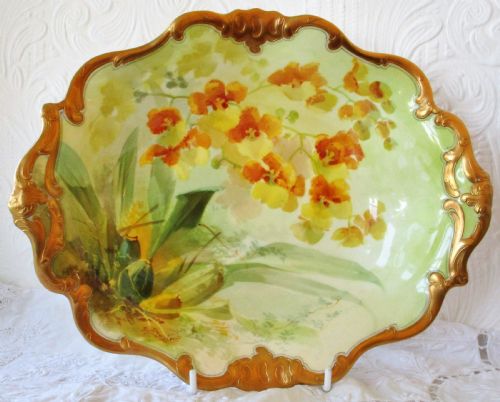


Victorian Decorative Porcelain Dish
A victorian decorative porcelain dish brings hand-painted scenes, rich gilding and cabinet-worthy colour to a room.
Victorian Decorative Porcelain Dish
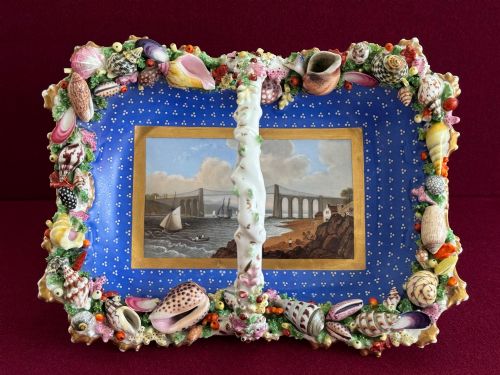
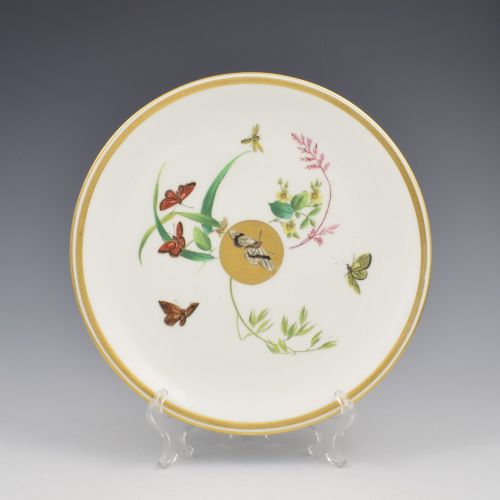
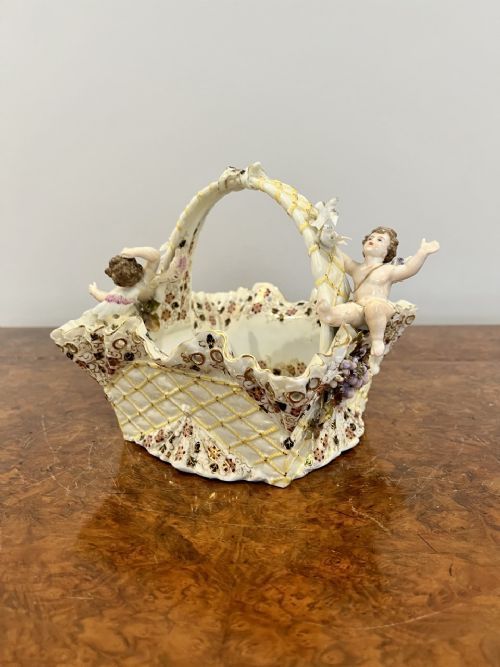
A victorian decorative porcelain dish covers an array of cabinet plates, shallow bowls, trays and pierced baskets made to be displayed rather than used for daily dining. These pieces arrive from English factories like Minton, Royal Crown Derby and Coalport, alongside continental porcelain works from Paris, Berlin and Sevres.
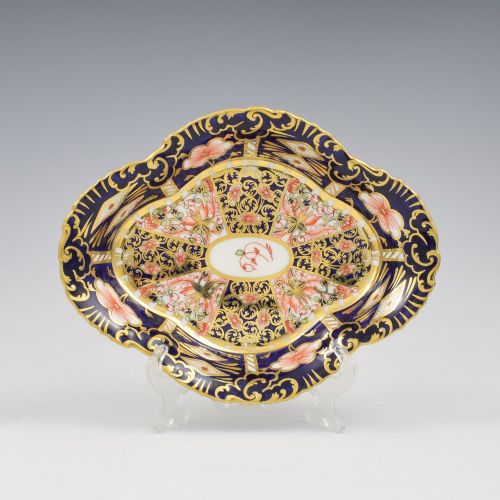
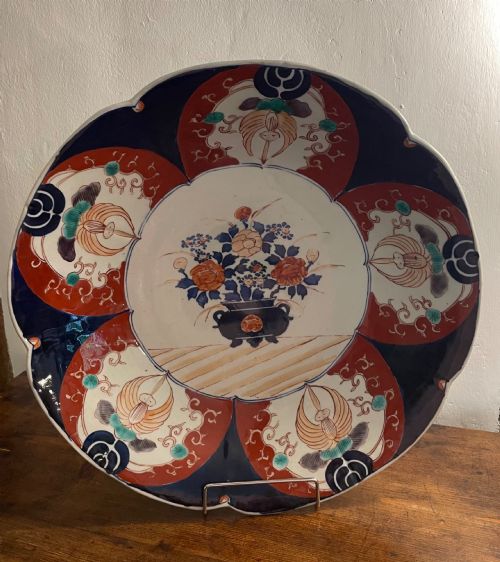
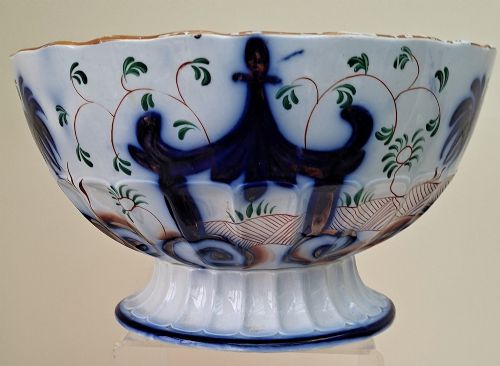
Makers shaped these items into scalloped plates, basketweave trays and footed bowls, often applying Japanese Imari palettes or hand-painted floral and pastoral subjects. The selection spans the nineteenth century, taking in both domestic Victorian output and stylistic nods to Rococo Revival and Art Nouveau forms.
How They Were Made
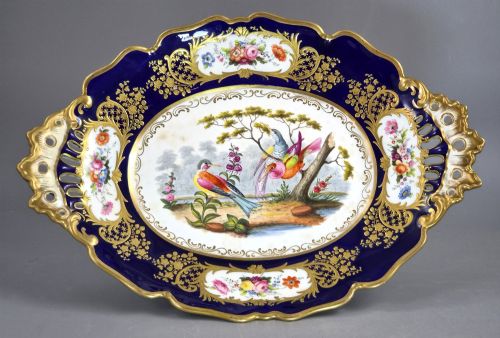
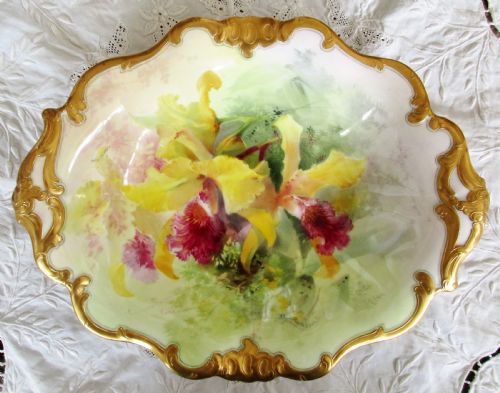
Potters shaped fine bone china and ceramic bodies before applying ground colours, cobalt blue or delicate white glaze. Artisans then hand-painted subjects ranging from botanical orchid studies to romantic courtly scenes.
Workshops completed these objects with gold leaf, heavy gilding and enamel work, sometimes pairing the ceramic with gilt bronze mounts or pierced openwork borders.
Victorian Decorative Porcelain Dish Retail Price Guide 2026
Typical asking prices for victorian decorative porcelain dish among the pieces listed under this phrase on Sellingantiques today, from the lower quarter to the upper quarter. They describe what is for sale here now, not the wider market.
The listings show nineteenth-century wares utilising bone china, porcelain and ceramic bodies finished with hand-painted enamels.
What Varies in Quality
Quality rests in the precision of the hand-painting, where finely rendered brushwork on portraits and botanical studies separates standard production from superior cabinet pieces. The crispness of moulded basketweave details and pierced openwork also dictates the standing of a vessel.
The application of gold leaf and enamel determines visual depth, with denser burnished gilding indicating higher skill. Marked pieces carrying known factory ciphers or artist signatures command attention for documented provenance.
Coalport·Minton·Royal Doulton·Doe and Rogers·James Rouse Jnr·Pucher Deroche·Samson Paris·KPM Berlin·Aynsley·Helena Wolfsohn·Royal Crown Derby·Royal Worcester·Royal Vienna·Doulton Burslem
The Victorian Decorative Porcelain Dish Glossary
- Cabinet plate
- A decorative dish made for display in a glass-fronted cabinet rather than for serving food. These pieces typically carry elaborate hand-painted scenes or rich gilding.
- Imari
- A decorative style inspired by Japanese export wares, featuring a distinct palette of iron red, cobalt blue and gold. Victorian makers adopted this aesthetic extensively for plates and chargers.
- Bone china
- A type of soft-paste porcelain strengthened with bone ash, allowing makers to form thinner walls and translucent bodies. English potteries utilised this material for fine tableware.
- Gilt
- A thin layer of gold applied to the surface of the porcelain or metal mount to provide metallic highlights. Burnished gilding reflects light more sharply than matte varieties.
- Comport
- A raised decorative dish or bowl standing on a foot or pedestal, designed to sit centrally on a table. Nineteenth-century examples often incorporate figural supports or pierced rims.
Victorian Decorative Porcelain Dish: Frequently Asked Questions
How were cabinet plates displayed?
These dishes were set on specialised wire stands or mounted directly inside glass-fronted display furniture to protect their painted surfaces and heavy gilding from dust and handling.
Dining rooms and drawing rooms utilised these surfaces as focal points, grouping plates by factory or decorative theme to showcase household taste.
Are these dishes safe for food?
Most nineteenth-century cabinet pieces were intended purely for visual ornament rather than culinary use, meaning their enamels and gold leaf are vulnerable to acidic foods and abrasive cleaning.
Wash these items gently by hand in lukewarm water without soaking, as nineteenth-century glazes can craze over time when exposed to moisture.
How do I identify the maker?
Turn the dish over to inspect the base for impressed marks, painted factory ciphers or retailer stamps that indicate the origin and approximate decade of production.
Many nineteenth-century potteries changed their stamped ciphers with each reign or decade, providing a reliable guide to dating once cross-referenced with factory archives.
What caused the craze for Japanese styles?
International trade exhibitions exposed European potteries to Japanese export ceramics, sparking an intense fascination with Imari palettes and asymmetric motifs during the later nineteenth century.
English and continental factories rapidly adapted these oriental colour schemes onto traditional ceramic shapes to satisfy fashionable demand.