



Royal Doulton Ceramic Figures
Royal Doulton ceramic figures bring characterful nineteen-thirties and nineteen-forties subjects into a room, offering finely modelled porcelain charm for the collector.
Royal Doulton Ceramic Figures
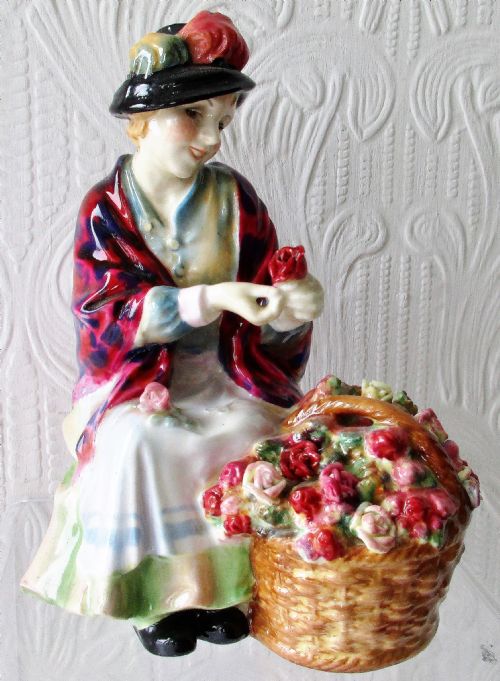
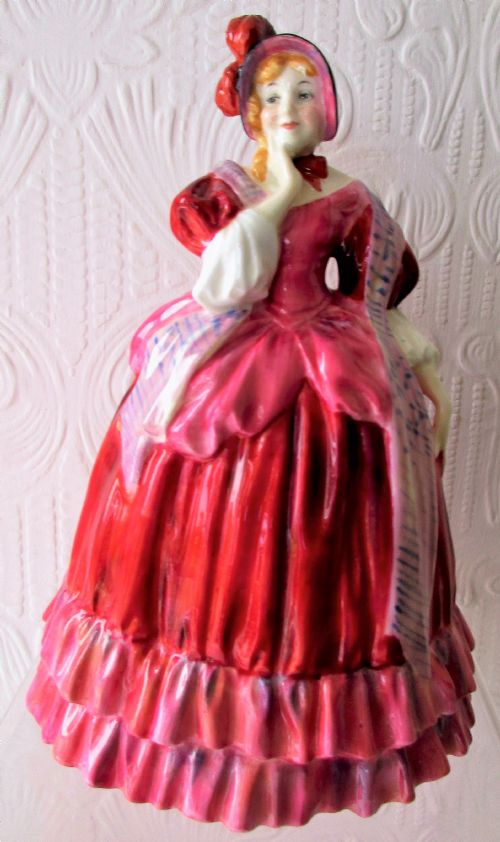
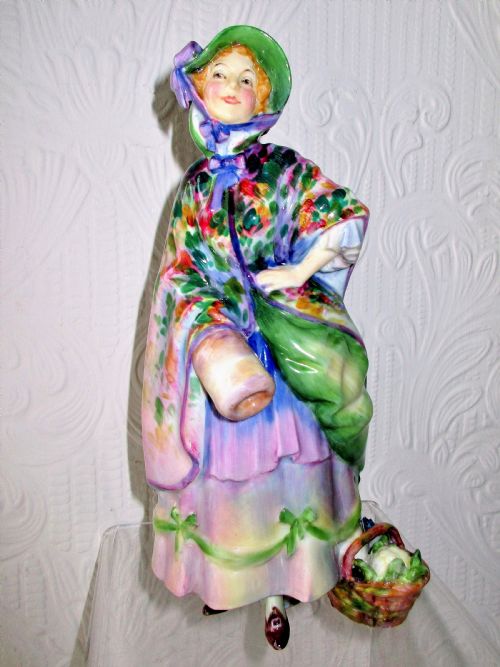
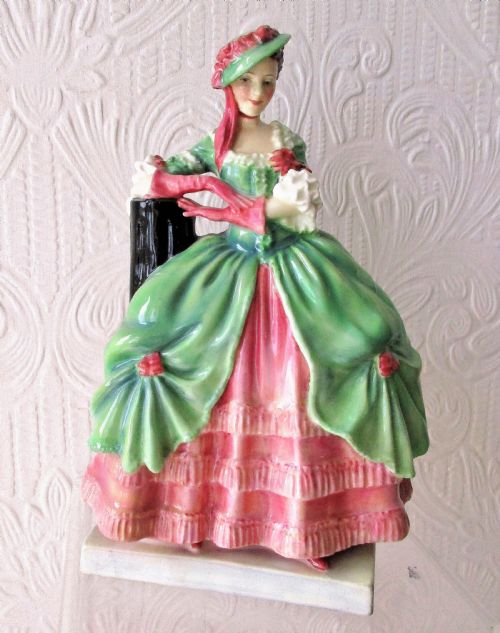
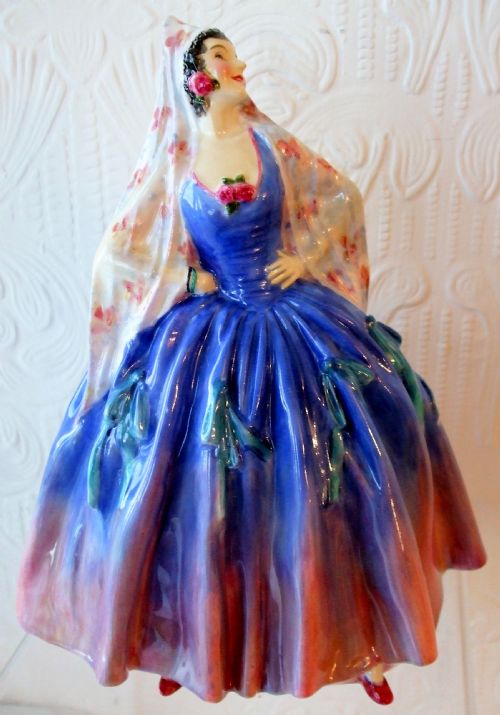
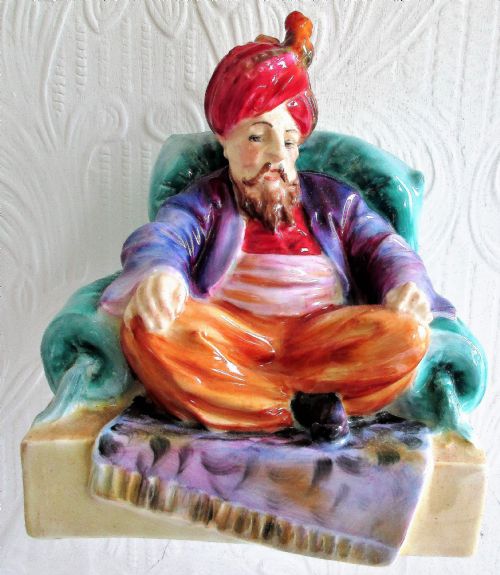
When you search for royal doulton ceramic figures, you encounter named porcelain figurines and decorative objects depicting historical or literary characters. These pieces span the nineteen-thirties and nineteen-forties, capturing distinct personalities through expressive modelling.
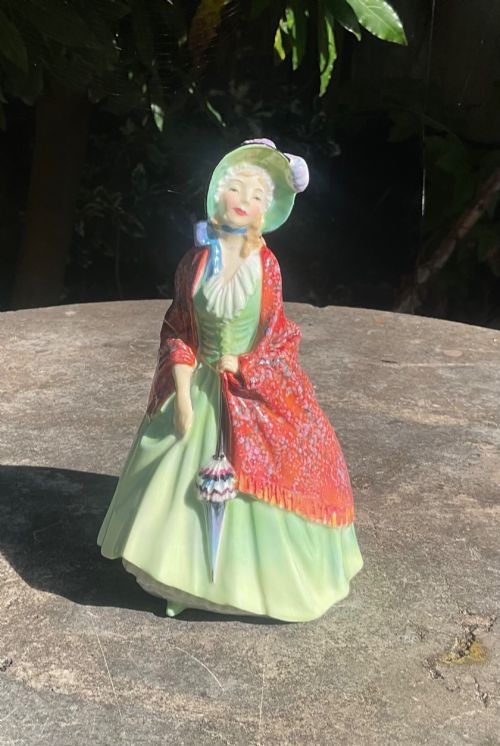
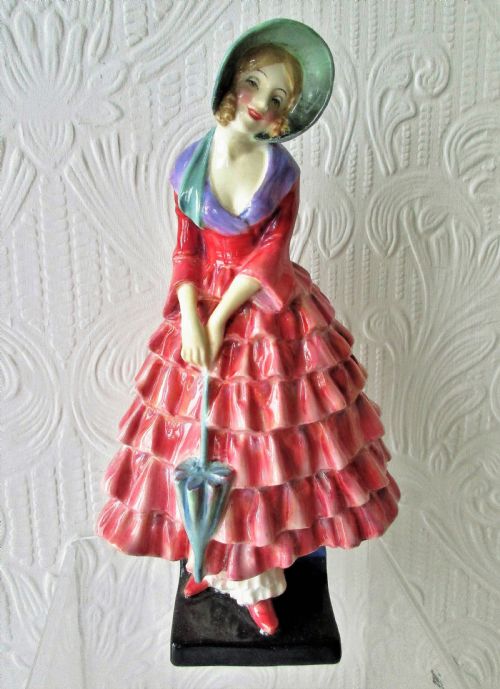
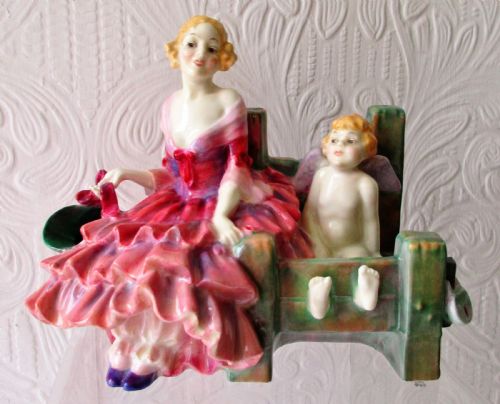
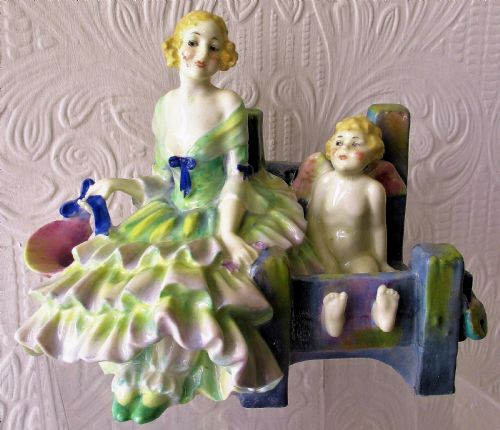
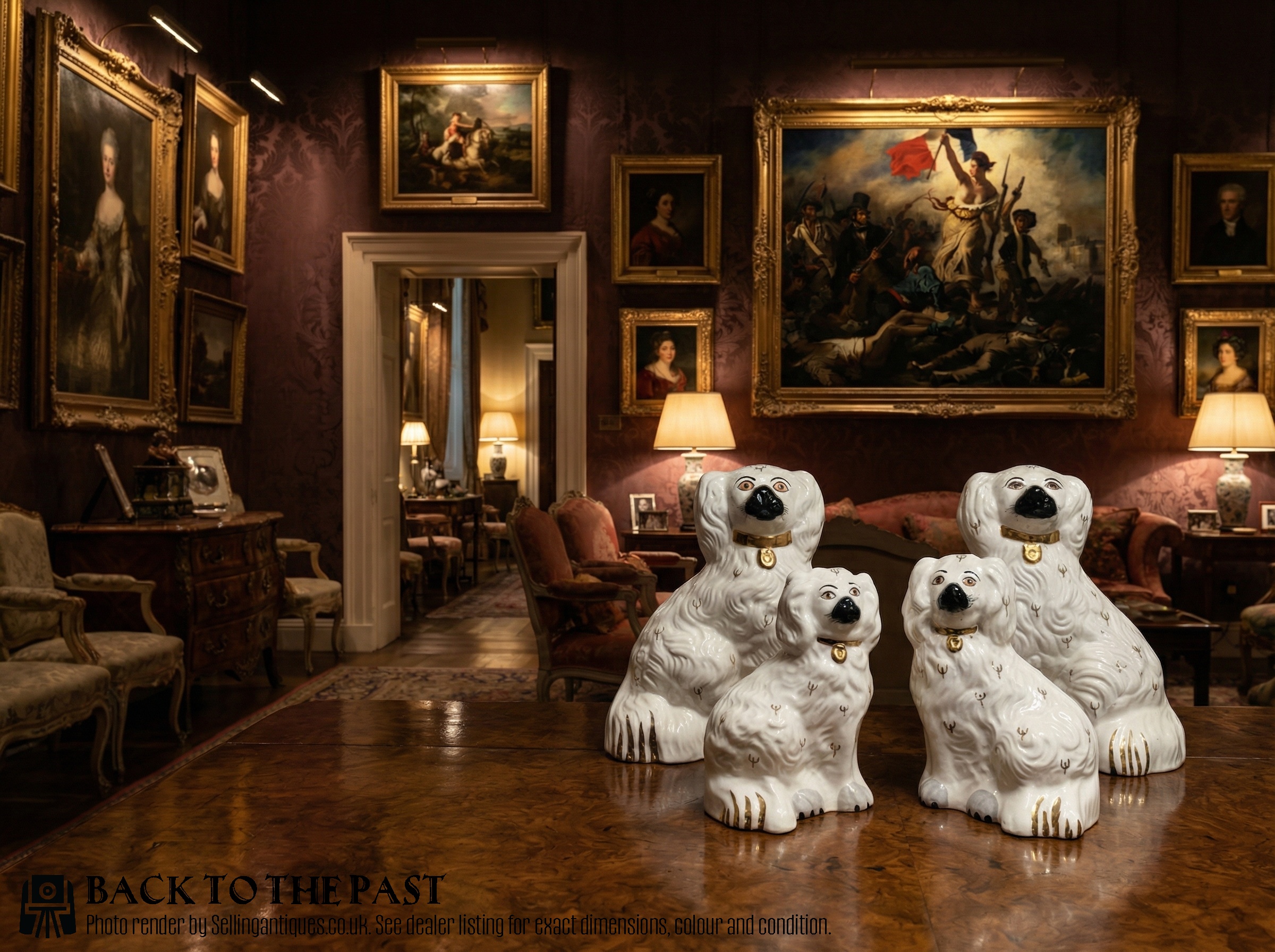
You are most likely to meet named character figurines such as Chloe, Priscilla, and The Paisley Shawl, alongside seated spaniels and decorative objects. The forms reflect Art Deco tastes alongside Victorian and Regency Revival styling.
What varies in quality
Early versions, such as first-year issues, command attention through their specific production marks and careful attention to colour application. The subtlety of the ceramic glaze and the precision of the hand-finishing determine the overall visual impact.
Listings feature bone china and porcelain forms decorated with enamel, glaze, and gilt across nineteen-thirties and nineteen-forties production.
Royal Doulton
The Royal Doulton Ceramic Figures Glossary
- Bone china
- A type of porcelain containing bone ash, known for its high strength, chip resistance, and translucent white body.
- Ceramic glaze
- An impervious layer or coating of a vitreous substance which has been fused to a ceramic body by firing.
- Gilt
- A thin layer of gold applied to the surface of the porcelain to highlight decorative elements.
- Figurine
- A small statuette that represents a human or animal figure, commonly used for interior decoration.
Royal Doulton Ceramic Figures: Frequently Asked Questions
What periods do these figures come from?
The pieces available date primarily from the nineteen-thirties and nineteen-forties, capturing the design aesthetics of those decades.
Art Deco influences sit alongside Victorian and Regency Revival styling across the selection of figures and decorative objects.
How were these ceramic figures used?
These pieces were designed as decorative objects to be displayed on mantelpieces, sideboards, and cabinets within domestic interiors.
They served as conversational ornaments celebrating literary characters, historical figures, and traditional subjects.
How do I identify different figurine types?
Identification relies on examining the specific names assigned to each piece, such as Chloe, Priscilla, or The Paisley Shawl.
Stylistic cues like Art Deco shaping or Regency Revival dress also help distinguish the character types and their production eras.