



Gilded Ceramic Dogs
These gilded ceramic dogs bring character and warmth to a room, combining moulded earthenware and porcelain with bright painted detail.
Gilded Ceramic Dogs
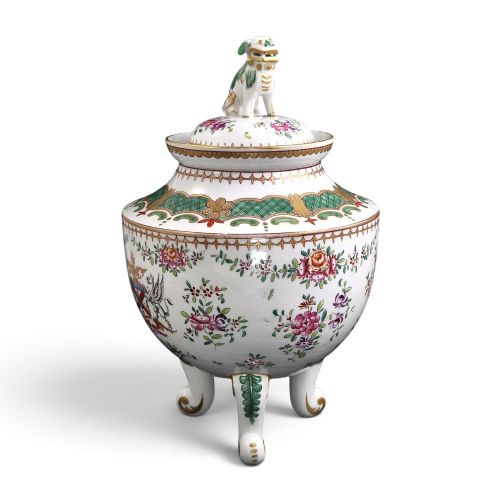
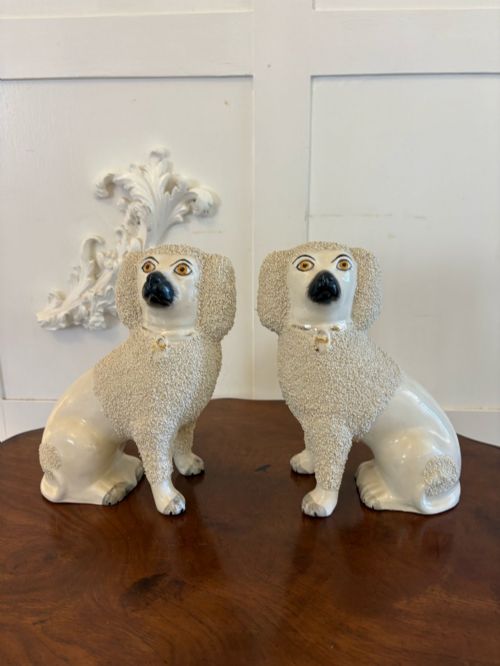
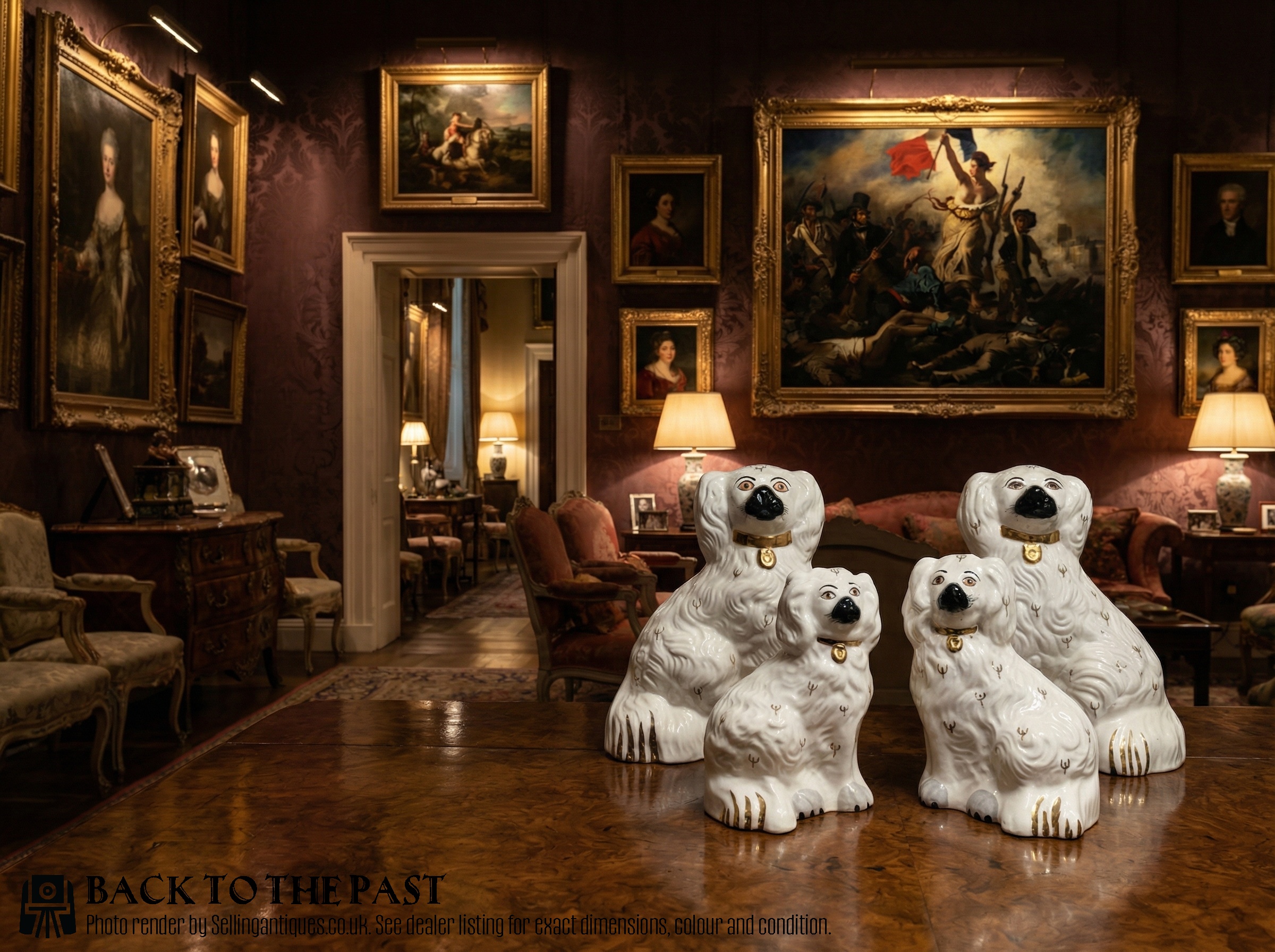
Gilded ceramic dogs encompass British Staffordshire spaniels and poodles alongside continental porcelain figures and Japanese decorative works. You will most often find pairs of Victorian Staffordshire spaniels finished with gilt highlights.
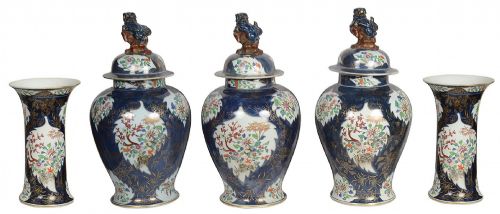
The selection ranges from nineteenth century earthenware spaniels on blue cushions to porcelain figures and vases incorporating canine and lion motifs. Makers such as Samson Paris, Meissen, Minton and Royal Doulton appear across the periods.
Porcelain, earthenware and gilding
Potters shaped these figures from earthenware and hard paste porcelain before applying colourful enamel paints and metallic leaf. Gold leaf, gilt and gilding accent collars, chains and bases.
Many examples feature hand painted details over a white glaze, while others utilise transfer printing and moulded encrusting to build texture.
Listings feature items from the eighteenth, nineteenth and twentieth centuries, using earthenware, porcelain and gold leaf.
Model definition and hand painting
The precision of the hand painted enamel and the intact preservation of the gold leaf dictate the visual success of each figure.
The Gilded Ceramic Dogs Glossary
- Staffordshire
- Earthenware figures produced in the Staffordshire potteries, particularly nineteenth century spaniels and poodles. These mantel ornaments were moulded in pairs.
- Gilt
- A thin layer of gold applied to the ceramic surface to highlight collars, lockets and bases. It adds a reflective finish to the glaze.
- Enamel
- Opaque glass used for painting colours onto pottery before firing. It provides the bright coats and facial markings on the figures.
- Hard-Paste Porcelain
- A durable ceramic paste fired at high temperatures, used by factories like Meissen and Minton. It yields a bright white body.
Gilded Ceramic Dogs: Frequently Asked Questions
Where should I display these figures?
These figures look best arranged in pairs on a mantelpiece, bookshelf or side table where their gilt highlights catch the light.
Keep them away from direct sunlight to protect the enamel colours and gold leaf over time.
How do I clean ceramic figures?
Dust them gently with a soft, dry brush to remove particles without disturbing the surface.
Avoid using water or chemical cleaners, particularly on areas with delicate gilding or hand painted enamel.
What periods do these dogs cover?
The selection spans from the eighteenth century through the nineteenth century and into the mid twentieth century.
Victorian Staffordshire pieces form a large part of the selection alongside continental porcelain.
Are these figures sold as pairs?
Many of the Staffordshire spaniels and poodles are offered as matching pairs designed to sit at opposite ends of a mantel.
Single figures and larger porcelain groups also appear across the listings.