



Royal Crown Porcelain
When collectors seek royal crown porcelain, they discover intricate Imari patterns, cabinet plates, and hand-painted decorative vessels rooted in British ceramic heritage.
Royal Crown Porcelain
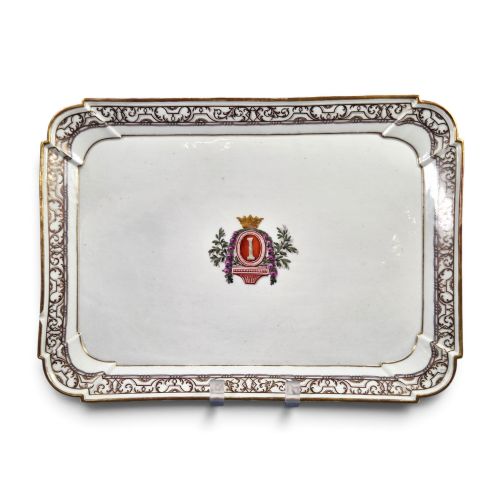
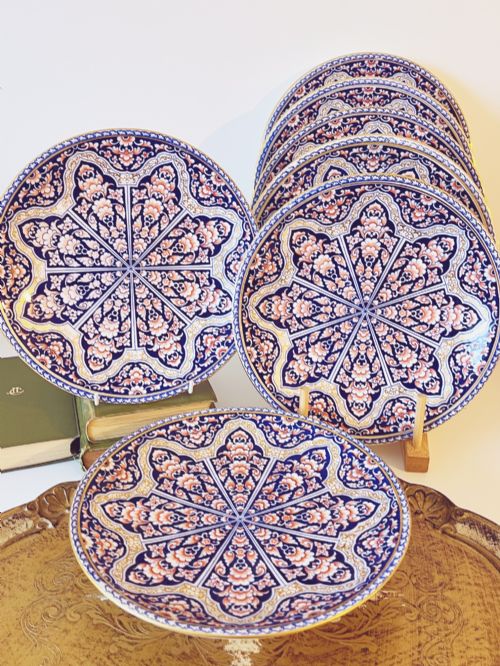
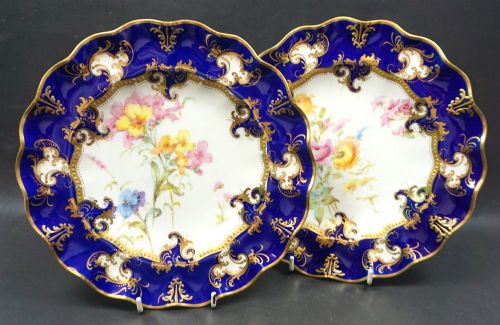
Royal crown porcelain encompasses a diverse range of decorative and functional ceramic wares produced primarily by Derby and associated British factories. Buyers encounter everything from miniature vases and coffee cups to extensive dessert services and cabinet plates.
The selections span distinct historical eras, with heavy representation from the Victorian, Edwardian, and early twentieth-century periods. Common forms include miniature wares, urns, ewers, and specialised serving dishes marked by traditional patterns.
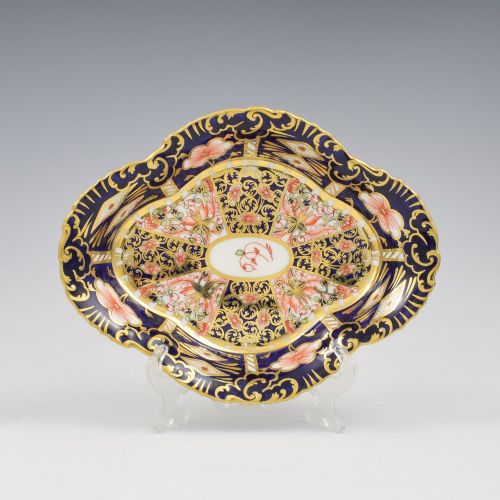
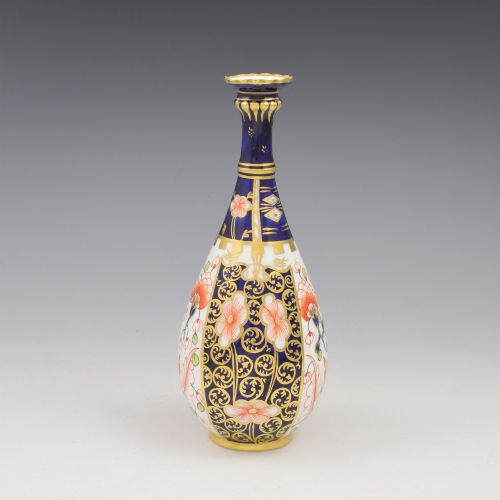
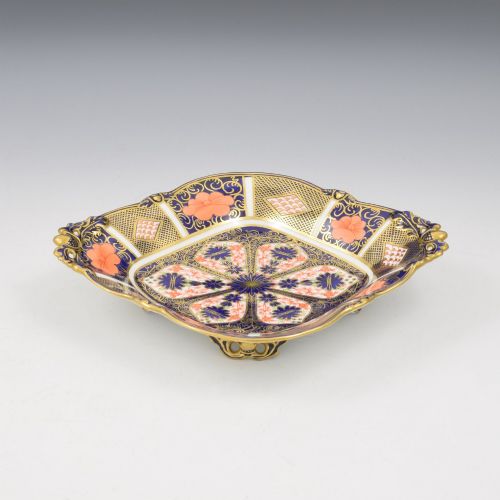
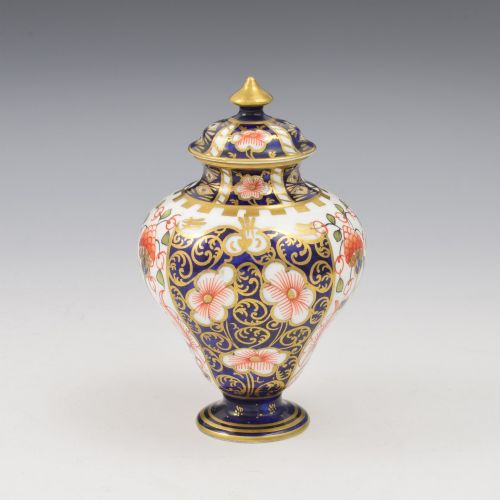
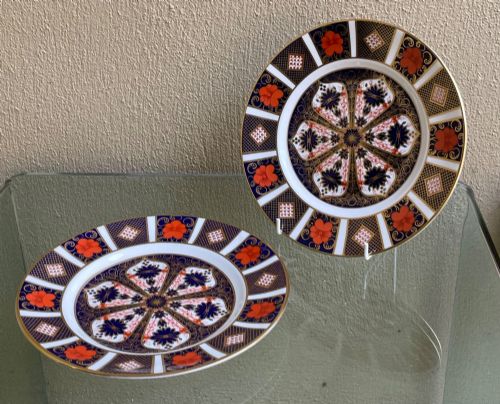
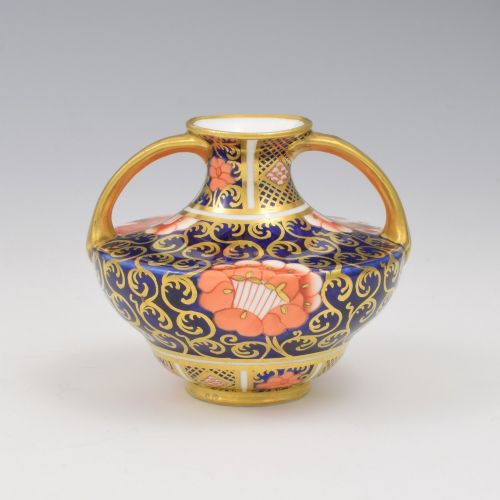
Imari styles heavily dominate the offerings, showcasing rich cobalt blues and iron red designs accented by extensive gold leaf. These pieces reflect both utility in historical dining and ornamental display in period interiors.
Materials and manufacturing methods
The physical objects rely on fine ceramic bodies, specifically bone china and traditional porcelain, shaped into vessels, plates, and figurines. Manufacturers utilised meticulous moulding and throwing techniques to achieve balanced forms like ovoid jars and lobed dishes.
Surface decoration combines underglaze cobalt blue painting with vibrant overglaze enamel colours. Artisans then applied intricate gilding, gold leaf, and raised gold work to accentuate panels and motifs.
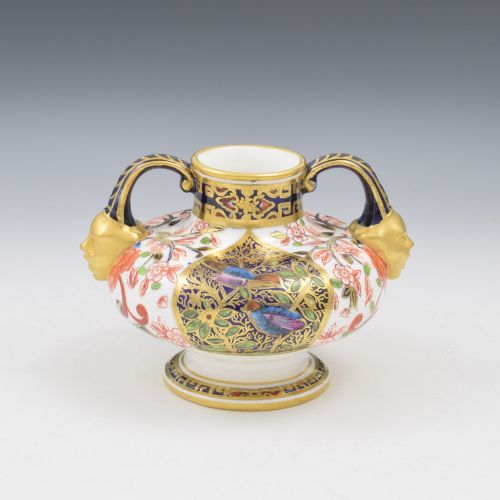
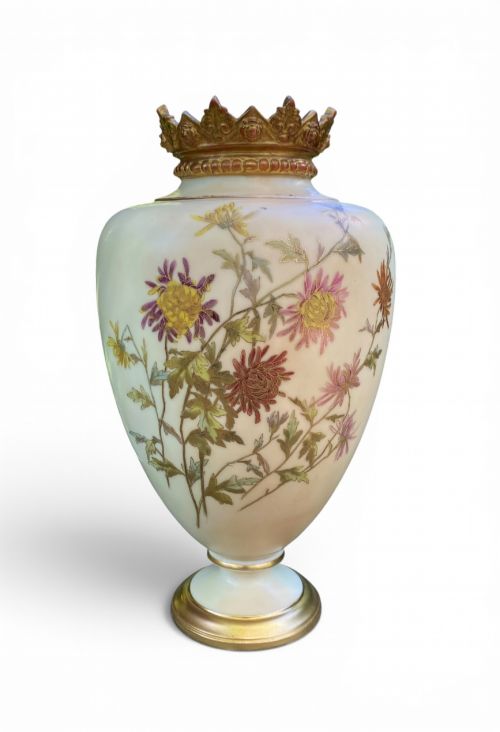
Many items feature hand-painted artistic scenes and signed botanical or landscape details executed by factory painters. Kiln firing fixed these layers, resulting in durable yet highly decorative finished wares.
Keep an eye out for the tiny porcelain flat iron complete with its own ceramic stand.
What determines quality in these pieces
Quality rests significantly on the complexity of the hand-painted execution and the precision of the gilding. Pieces featuring signed artist work or dense, multi-coloured Imari patterns demonstrate superior craftsmanship compared to simpler factory output.
The integrity of the porcelain body and the preservation of the gold leaf and enamel over time dictate overall desirability. Miniature items and specialised forms like ewers or cabaret sets often show elevated levels of delicate moulding.
Historical provenance and specific pattern identification numbers also differentiate standard production wares from rarer, exhibition-grade or commissioned items.
Royal Crown Derby·Royal Worcester·Royal Albert·Ludwigsburg Porcelain
The Royal Crown Porcelain Glossary
- Imari
- A decorative style featuring deep cobalt blue, iron red, and extensive gilding, heavily emulated in British porcelain production. This aesthetic defines many prominent tableware patterns.
- Bone china
- A type of soft-paste porcelain containing animal bone ash, resulting in a strong, milky-white ceramic body. It allows for thinner, more delicate tableware vessels.
- Gilding
- The application of gold leaf or gold paint to the surface of ceramics for decorative enrichment. Artisans often burnished this gold to achieve a brilliant shine.
- Portrer mug
- A large drinking vessel designed for heavy dark beers, occasionally produced in fine porcelain with painted scenes. These cylindrical mugs reflect Georgian and Victorian tavern culture.
- Comport
- A raised dish or bowl used for serving fruit or sweets as part of a formal dessert service. They sit centrally on a footed base above the table surface.
Royal Crown Porcelain: Frequently Asked Questions
What is Imari pattern porcelain?
Imari pattern porcelain refers to ceramics decorated in a distinctive palette of cobalt blue, iron red, and gold. This style originated in Japan before being adopted by European makers.
British factories adapted the aesthetic to create complex geometric and floral motifs that adorned tea sets, plates, and decorative vases.
How do I identify a miniature vase?
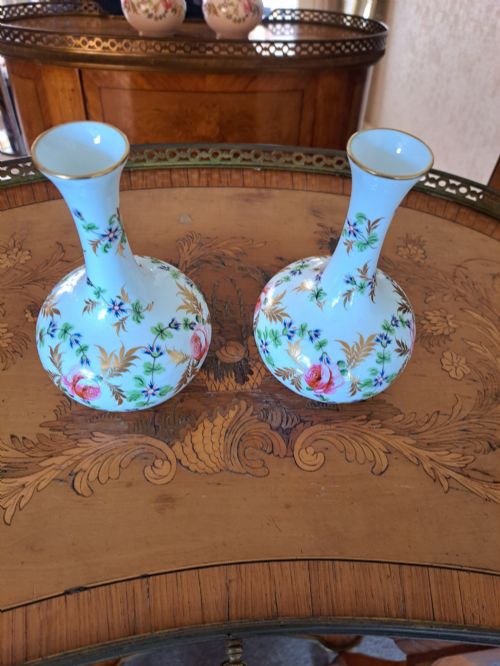
Miniature vases are scaled-down versions of standard decorative urns and pot pourri jars, typically measuring just a few inches tall. They were manufactured as cabinet display items rather than functional flower holders.
Many bear the same intricate hand-painted patterns and gold gilding found on larger service pieces.
What was a dessert service used for?
A dessert service was a matched set of ceramic plates and comports used for serving the final course of a formal Victorian or Edwardian meal. The dishes held fruits, nuts, and sweet confections.
These large sets allowed wealthy households to display uniform artistic patterns across the dining table.
How do I spot hand-painted details?
Hand-painted ceramics show subtle brushstroke textures and slight variations under magnification, unlike flat printed transfers. Artists often signed their work on the underside or within the painted scene itself.
Factory painters specialised in specific subjects like landscapes, portraits, or intricate floral panels.