


Royal Ceramic Collectible
When you search for royal ceramic collectible, you find porcelain figures, painted vases, and cabinet plates spanning the nineteenth century through the mid twentieth century.
Royal Ceramic Collectible
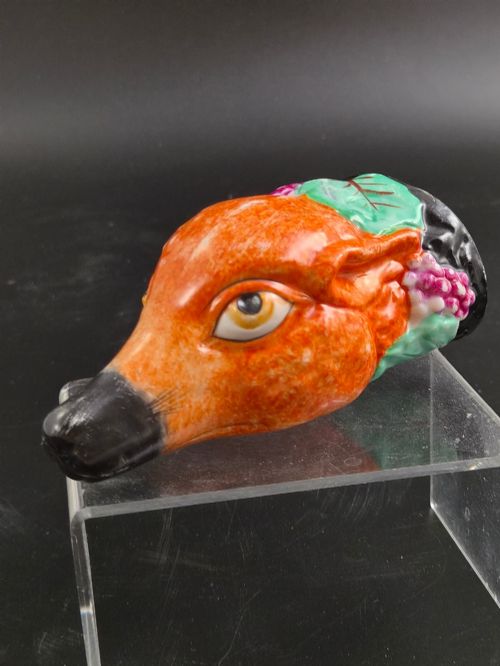
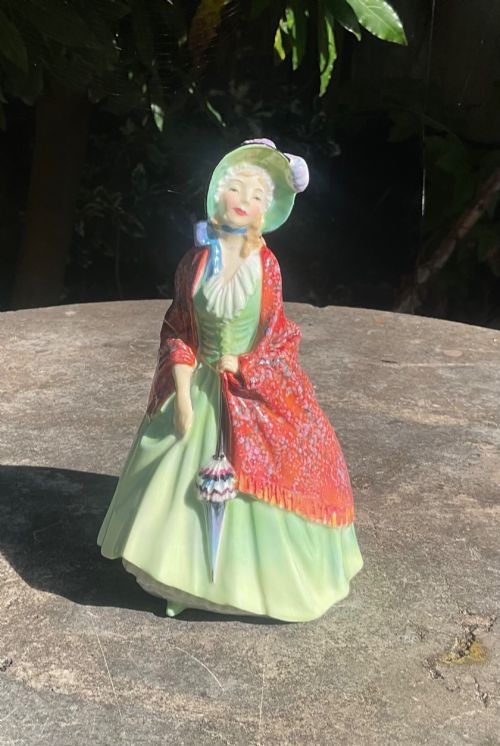
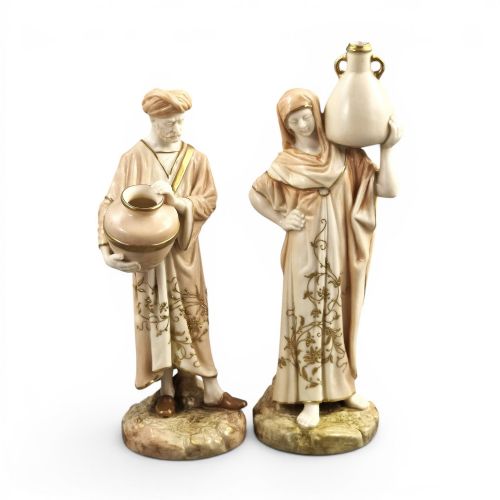
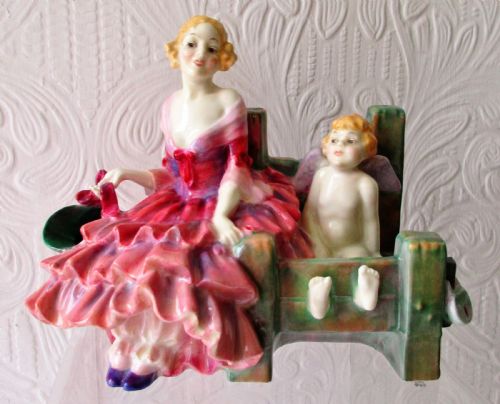
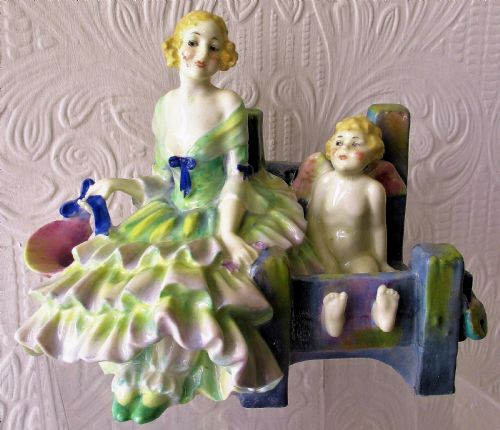
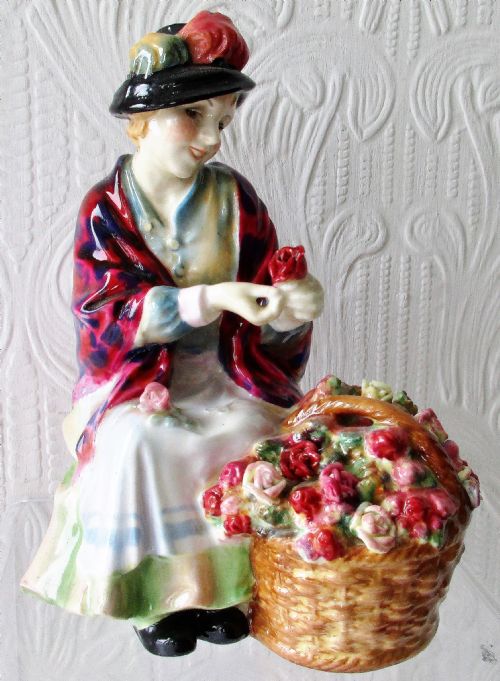
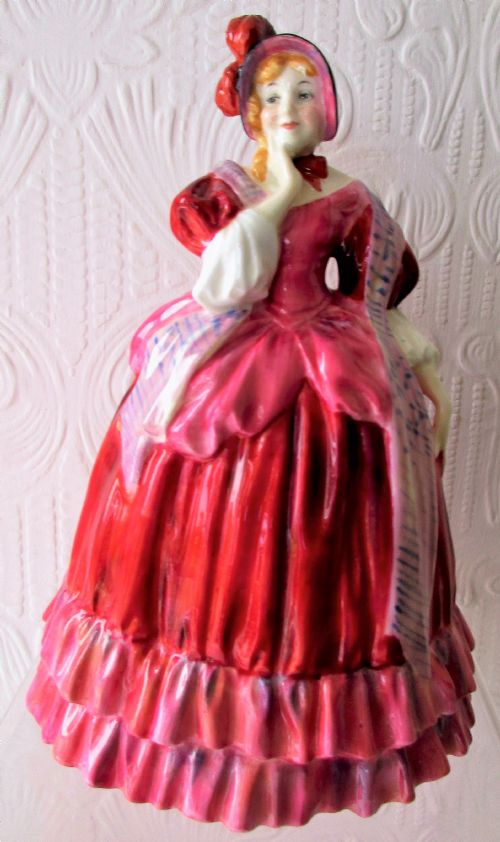
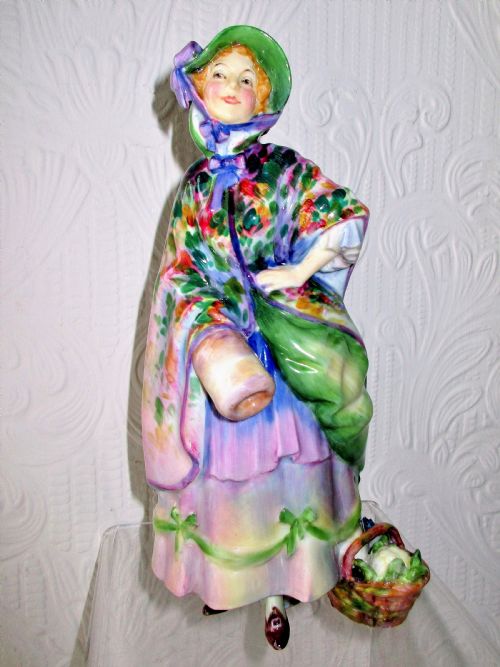
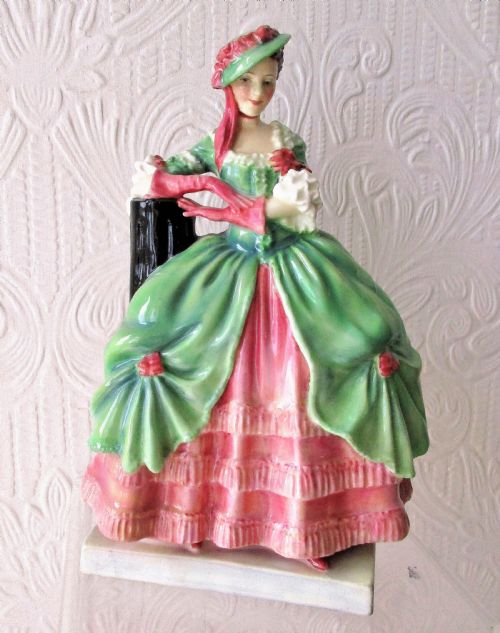
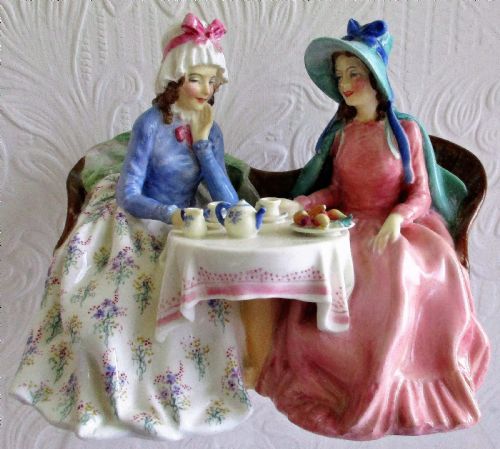
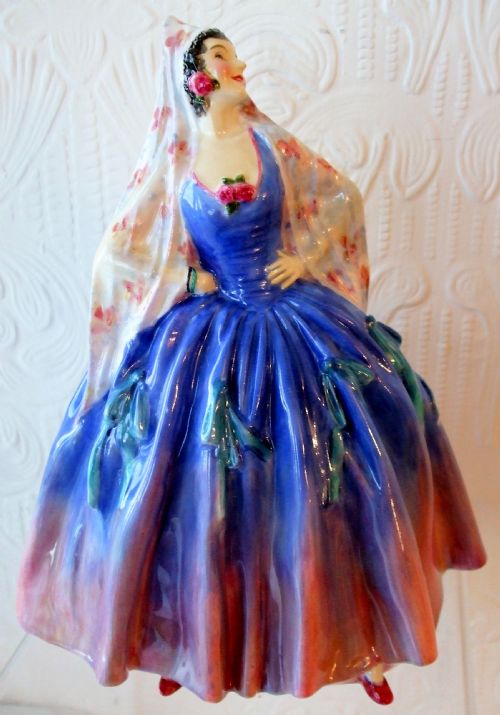
A royal ceramic collectible encompasses a diverse range of decorative objects carrying prestigious manufactory names, most frequently taking the form of English porcelain figurines, painted vases, and commemorative plates. The items appearing on this page span several periods, reaching from the nineteenth century through the Edwardian era and into the decades of the nineteen thirties, forties, and fifties. Buyers encounter detailed character figurines, delicate candle snuffers, and functional vessels bearing hand-painted scenes.
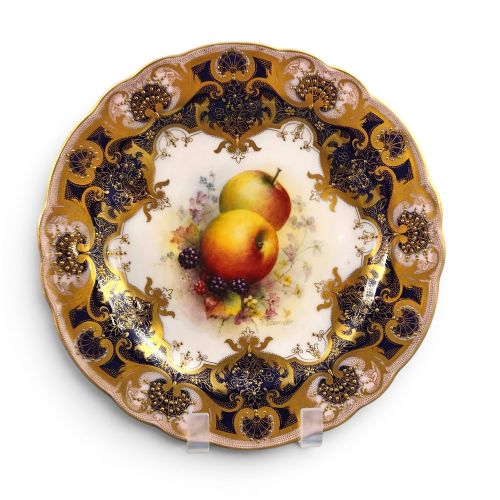
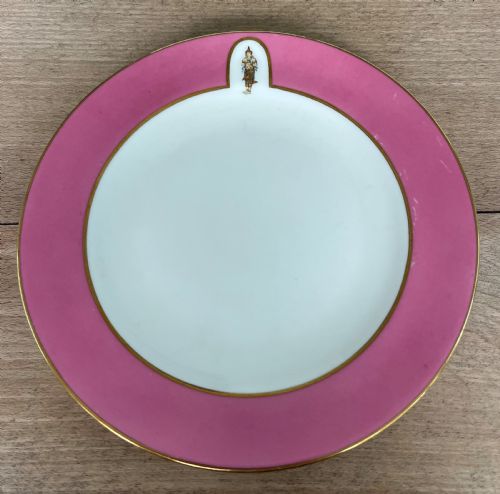
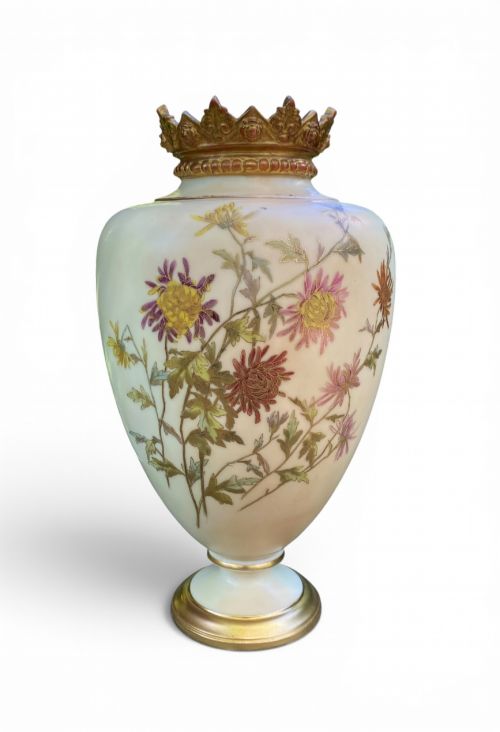
Figurines constitute a major portion of the available selection, particularly models depicting historical or literary figures dressed in period attire. Alongside these sculptural works, cabinet plates and ginger jars painted with fruit or landscape motifs represent the output of premier porcelain houses. Vases range from small cabinet pieces to matched pairs decorated with highland cattle or floral designs.
The objects originate primarily from renowned English potteries alongside select continental works, reflecting traditional craftsmanship and distinct stylistic movements. Pieces from the Victorian and Art Deco periods sit alongside Edwardian designs and mid century productions, offering collectors a broad historical spectrum of ceramic art.
How they were made
Makers utilised fine porcelain and bone china as the primary base materials, shaping them into complex sculptural forms and smooth vessel bodies. Ceramic glaze provided a durable protective coating, often finished with delicate gloss or blush ivory treatments that defined the surface texture.
Decoration relied heavily on intricate hand painting and gilding, with artists applying gold leaf and enamel accents to highlight specific architectural and natural details. Specialised techniques such as brown glazing appeared on utilitarian items like whisky flasks, while skilled painters executed detailed portraits and wildlife scenes directly onto the ceramic body before a final firing.
Among the elegant ladies and painted fruit rests a solitary golfer on a brown glazed flask, ready to tee off in miniature.
What varies in quality
The standard of a royal ceramic collectible depends heavily on the skill of the artist responsible for the hand-painted decoration. Pieces featuring named artists executing detailed botanical, animal, or figurative scenes stand apart from standard factory output through their artistic precision and depth of colour.
Sculptural definition and the complexity of the mould also dictate the hierarchy of pieces. Well-modelled facial expressions on character figures and crisp application of gold leaf gilding indicate superior production values from the originating pottery.
Royal Doulton·Royal Staffordshire·Royal Worcester·Derby Porcelain·Cauldon Ltd·Royal Copenhagen·Royal Dux·Pilkingtons Royal Lancastrian
The Royal Ceramic Collectible Glossary
- Bone china
- A type of soft-paste porcelain containing bone ash, known for its high strength, chip resistance, and translucent body. It allows for thinner vessel walls while maintaining structural integrity.
- Cabinet plate
- A decorative ceramic plate designed for display in a cabinet or on a wall rather than for table service. These items typically feature elaborate painted scenes by notable artists.
- Candle snuffer
- A small ceramic extinguisher mounted on a short handle, often modelled as a historical figure or animal. Victorian and Edwardian makers produced these as decorative small items.
- Gilding
- The application of gold leaf or gold powder to the surface of ceramics to create metallic highlights. This technique enhances borders, handles, and painted motifs.
Royal Ceramic Collectible: Frequently Asked Questions
What defines a royal ceramic collectible?
These items are decorative ceramic objects produced by factories holding royal warrants or bearing names associated with royal patronage. They include painted cabinet plates, porcelain figures, and decorative vases.
Collectors seek them for their connection to historic manufacturing traditions and the high level of artistic skill involved in their creation.
How do I identify the period of a figurine?
The period is generally determined by the backstamp applied to the base of the ceramic body, alongside the specific style of the modelling and dress. Archivists use these marks to trace production years.
Stylistic shifts from Victorian ornate designs to cleaner Art Deco lines also help narrow down the date of manufacture.
Were candle snuffers used daily?
Candle snuffers served the practical purpose of extinguishing candles safely before the widespread adoption of electric lighting. Wealthy households displayed them as small decorative accessories.
Over time, they transitioned from functional household items into collected cabinet ornaments.
How should I care for painted porcelain?
Painted porcelain requires gentle dusting with a soft, dry cloth to prevent accumulation on delicate surfaces. Harsh cleaning agents can damage the enamel and gold leaf gilding.
Displaying pieces away from direct sunlight protects the painted pigments from fading over the years.