


Royal Staffordshire Ceramic
Royal staffordshire ceramic pieces bring Victorian history to life through characterful figures and commemorative portrait groups.
Royal Staffordshire Ceramic
When buyers search for royal staffordshire ceramic items, they encounter nineteenth-century earthenware and porcelain figures depicting monarchs, royal children, and political leaders. These objects capture public fascination with the royal family and significant international figures through sculptural portrait groups and decorative flatbacks.
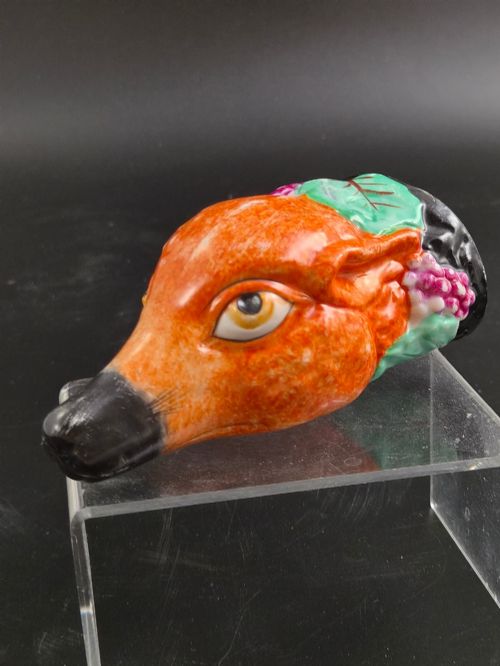
The pieces on this page span from the early nineteenth century into the Victorian era, including flatback ornaments, portrait figures, stirrup cups, and miniature tea sets. Royal portrait groups celebrating alliances or marriages feature prominently alongside animal figures and decorative figurines.
Most examples originate from the nineteenth century, showcasing subjects such as Queen Victoria, Prince Albert, and Napoleon III. Collectors find both single figures and matched pairs designed to sit proudly on mantelpieces.
How they were made
Potters shaped these earthenware and porcelain objects using traditional moulding techniques before applying lead glazes to achieve a smooth finish. Earthenware formed the sturdy base for the majority of the portrait groups and flatback ornaments.
Nineteenth-century potters expected flatback figures to look respectable from the front while saving effort on the parts nobody could see.
What varies in quality
Quality rests in the crispness of the modelling and the precision of the hand-painted enamel work. Finer examples display clean facial expressions and detailed uniform or dress decoration.
The richness of the glaze and the preservation of the gilt highlights distinguish superior pieces. Well-defined mouldings separate the more accomplished sculptural groups from simpler utilitarian productions.
The Royal Staffordshire Ceramic Glossary
- Flatback
- A figure designed with an unadorned or flat reverse side intended to stand flush against a wall or mantelpiece. These form a major category of nineteenth-century portrait ceramics.
- Earthenware
- A porous pottery body fired at lower temperatures and glazed to ensure it holds form. It serves as the primary material for the majority of these figures.
- Lead glaze
- A glossy coating containing lead oxide applied to pottery to give a smooth, shiny finish. This technique protects the underlying ceramic and enhances painted details.
- Stirrup cup
- A ceramic vessel shaped like an animal head, handed to riders before a hunt. These drinking cups date to the earlier nineteenth-century period.
- Enamel paint
- Vitreous pigments fused to the ceramic surface during a secondary firing. This method provides the bright colours seen on royal portrait figures.
Royal Staffordshire Ceramic: Frequently Asked Questions
What are royal staffordshire ceramic figures?
These are nineteenth-century earthenware and porcelain objects depicting monarchs, royal children, and historical figures. They include flatback ornaments, portrait groups, and animal figures.
Potters created them to satisfy Victorian public interest in royalty and national events. They were displayed prominently in homes as decorative mantelpiece ornaments.
How were these ceramic pieces displayed?
Victorian households placed flatback figures on mantelpieces, consoles, and shelves where only the front and sides were visible. Pairs of figures or animal groups were often arranged symmetrically.
Because the backs were left plain, they sat neatly against parlour walls. They served as conversation pieces reflecting political loyalties and royal events.
How can I tell the Victorian period pieces?
Victorian pieces often depict specific monarchs like Queen Victoria, Prince Albert, or contemporary political figures from the mid-nineteenth century. The presence of flatback construction and hand-painted enamel details points directly to this era.
Stylistic cues include Regency influences in earlier items and distinct Victorian portrait groupings. The use of earthenware and lead glaze aligns with manufacturing methods of the nineteenth century.
What subjects appear on these figures?
Makers frequently portrayed Queen Victoria, Prince Albert, the Prince of Wales, and other members of the royal family. International figures such as Napoleon III and Empress Eugenie also appear.
Commemorative groups often marked political alliances, royal weddings, or family portraits. Animal figures, including lions, unicorns, and goats, complete the range of subjects.