


Royal Academy Artist
A royal academy artist work brings academic pedigree and documented exhibition history into a collection through oils, watercolours and drawings.
Royal Academy Artist
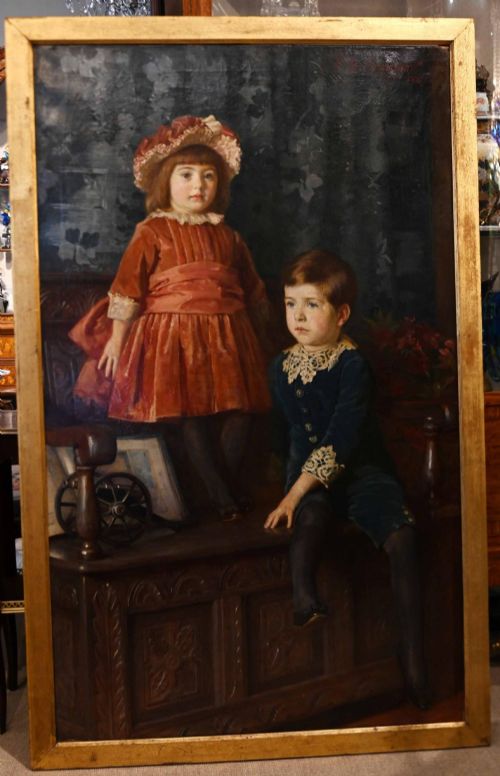
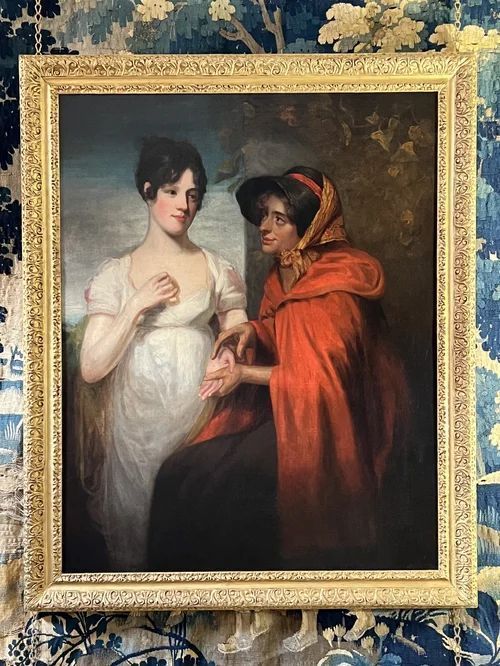
A royal academy artist work comprises paintings and drawings created by figures associated with the prestigious institution, spanning centuries of British art. These pieces range from large studio oil paintings to intimate miniature portraits and watercolours.
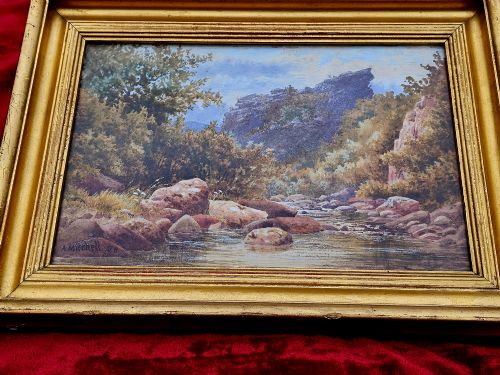
The most common formats encountered on this page include nineteenth century oils on canvas and landscape watercolours bearing attribution to elected academicians or exhibitors. Portraiture and coastal scenes also frequently appear, reflecting the academic training of their makers.
Works originate across multiple periods, with nineteenth century and mid twentieth century examples appearing regularly alongside earlier eighteenth century pieces. Each item captures the prevailing academic style of its respective decade, from Victorian realism to post war realism.
Materials and Techniques
Makers applied oil paint to stretched canvas or wooden boards, utilising the medium to build depth and texture within studio interiors and landscapes. Watercolours on paper and pastel on paper also appear, demonstrating fluid brushwork and rapid preliminary sketching techniques.
Frames frequently incorporate wood and gilt wood to complement the paintings, while supporting substrates range from traditional woven canvas to rigid board. Miniature portraits utilise delicate surfaces housed behind protective glass.
Media represented across the collection include oil paint, canvas, watercolour, pastel, wood, glass and paper.
Assessing Academic Quality
Quality rests upon the strength of the composition and the confidence of the brushwork, distinguishing hurried sketches from fully realised exhibition pieces. Mastery of light, proportion and subject matter defines the upper tier of these works.
The significance of the subject and the clarity of provenance, such as documented exhibition records or original framing, further separate standard pieces from exceptional works by established academicians.
John Opie R.A.·George Vicat Cole·John A. Houston·Benjamin Williams Leader·Susie Lassam RMS·Ronald Ossory Dunlop·Joseph Farquharson·Sir Herbert Hughes Stanton·Joseph Farington·Sir George Reid·Thomas Creswick·Dame Laura Knight·Reginald Grange Brundrit·Aubrey Sykes·William Owen·Peter Greenham·Edward Bird·Alfred Cooper·Henry Sykes·Guy Lipscombe·Hubert Coop·Mabel Withers·Alexander Young·Henry Charles Fox·Lennard Lewis
The Royal Academy Artist Glossary
- Canvas
- A heavy woven fabric stretched across a wooden frame to serve as a support for oil paintings. It provides a durable and textured surface for pigment application.
- Gilt wood
- Wood carved and coated with gold leaf or a gold coloured metallic finish, commonly utilised for period picture frames. It adds decorative warmth to the presentation of a painting.
- Watercolour
- A paint consisting of pigment suspended in a water soluble binder, applied to paper. It allows for translucent washes and delicate tonal gradations.
- Miniature portrait
- A small scale painting depicting a person, executed with meticulous detail. These works were often housed in protective cases behind glass.
- Pastel
- A medium consisting of powdered pigment bound into stick form, used for drawing on paper. It offers rich, direct colour application and velvety textures.
Royal Academy Artist: Frequently Asked Questions
What is a royal academy artist?
A royal academy artist refers to a painter, sculptor or draughtsman elected as a member or associate of the Royal Academy of Arts in London, or an artist who exhibited within its halls.
These creators underwent formal academic training and contributed significantly to the development of British art across various periods.
How should I display a royal academy artist painting?
Display these works on interior walls away from direct sunlight and fluctuating humidity to protect the canvas, paper and pigments from degradation.
Ensure the piece hangs at eye level in a stable environment, allowing the composition and period frame to be appreciated properly.
How do I date a royal academy artist work?
Dating relies on signature styles, biographical dates of the maker recorded in the title, and the physical characteristics of the canvas, paper or frame.
Exhibition labels and written documentation on the reverse also provide precise chronological markers for when the piece was completed.
Are watercolours as important as oil paintings here?
Watercolours represent a distinct tradition of preparatory study and finished exhibition pieces created by academic artists alongside their large scale oils.
While executed in a different medium, high quality watercolours carry the same draughtsmanship and compositional skill as their oil counterparts.