



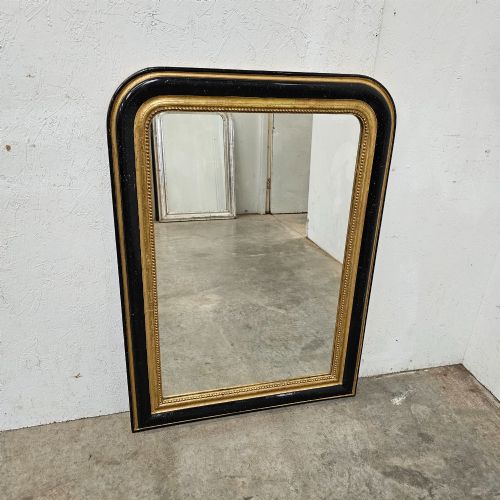


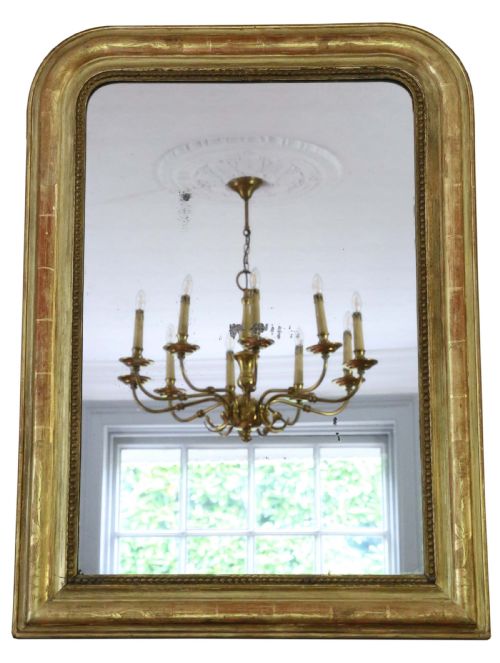

Rounded Corner Gilded Mirror
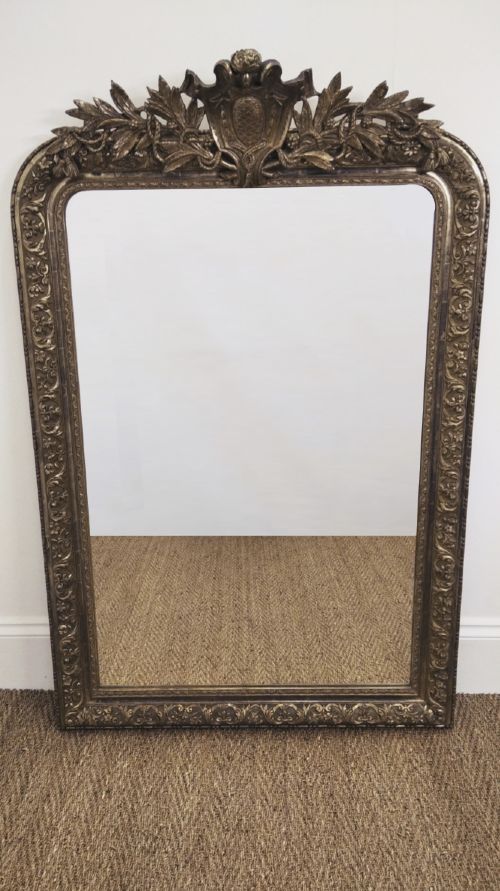
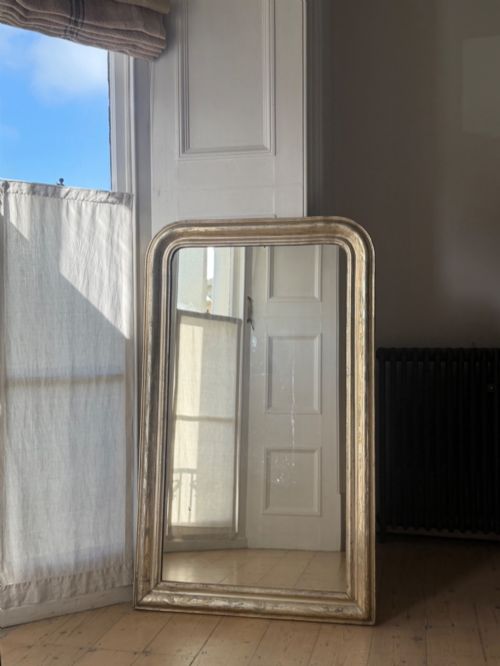
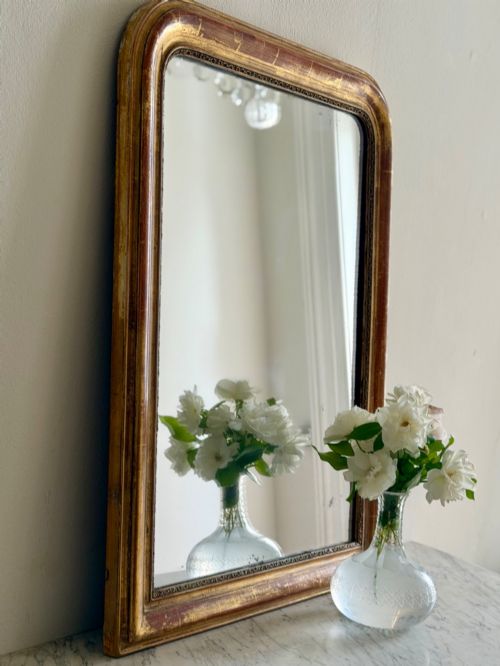
These rounded corner gilded mirror pieces bring French nineteenth-century elegance into a room with their curved shoulders and reflective glass.
Rounded Corner Gilded Mirror
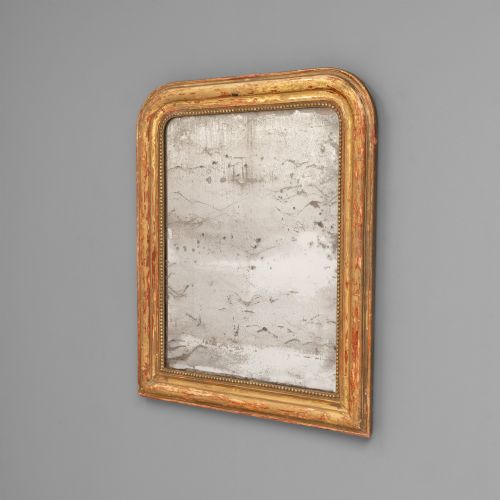
When you search for a rounded corner gilded mirror, you are looking at wall-hanging and overmantel looking glasses, most frequently encountered in the Louis Philippe style from nineteenth-century France. These pieces are defined by their characteristic arched top corners, which soften the silhouette of the frame compared to a standard rectangle.
The selection here draws heavily from nineteenth-century examples, alongside Victorian pieces and a mid-twentieth-century inclusion, spanning large wall mirrors and grand overmantels. French chateau origins predominate, bringing substantial scale and decorative presence suited to living spaces and mantelpieces alike.
You will see variations in the application of gold and silver leaf over wood and gesso grounds, reflecting different workshop traditions. The forms remain consistently grand in proportion, designed originally to bounce light around high-ceilinged reception rooms.
How they were made
The makers of these mirrors built wooden carcases, often applying layered gesso to build up the decorative mouldings and softened corner profiles before gilding. Gold leaf or silver leaf was then laid carefully over the prepared surface by hand.
Early mirrors utilised mercury glass plates, which produce a characteristic mottled and deep reflection quite distinct from modern float glass. Frames combined carved wood and applied gesso to achieve the characteristic Louis Philippe architectural profiles.
Rounded Corner Gilded Mirror Retail Price Guide 2026
Typical asking prices for rounded corner gilded mirror among the pieces listed under this phrase on Sellingantiques today, from the lower quarter to the upper quarter. They describe what is for sale here now, not the wider market.
The listings here span the nineteenth century, Victorian era, and the nineteen-forties, using materials including gesso, gold leaf, and silver leaf.
What varies in quality
The distinction between standard examples and the finest pieces lies in the crispness of the gesso work and the depth of the gilding. Superior mirrors display hand-carved or meticulously moulded details that retain their definition beneath layers of gold leaf.
Condition of the original glass plate and the integrity of the wooden frame structure also separate the tiers. Original mercury glass with gentle foxing holds greater appeal than a modern mirror plate replacement.
The Rounded Corner Gilded Mirror Glossary
- Louis Philippe
- A nineteenth-century French style characterised by clean architectural lines and simple rounded upper corners on mirrors. It emerged during the reign of King Louis Philippe and balances neoclassical restraint with domestic warmth.
- Gesso
- A plaster-like mixture applied to wood frames to create a smooth surface for gilding. It allows for crisp relief ornamentation.
- Giltwood
- Timber that has been decorated with gold leaf or metal leaf. It provides the bright reflective finish typical of these decorative frames.
- Overmantel mirror
- A large wall mirror designed specifically to hang above a fireplace mantel. These pieces usually feature elongated horizontal or vertical proportions to fill the chimney breast.
- Mercury glass
- An early type of silvered glass produced by pouring a mercury and tin amalgam between two sheets of glass or coating the back. It creates a dark, uneven reflection with characteristic age spots.
Rounded Corner Gilded Mirror: Frequently Asked Questions
Where should I hang one?
These large mirrors suit principal reception rooms, grand hallways, or positioned directly above a fireplace mantel where they can anchor the room.
Their substantial scale and reflective glass work best on a blank wall with adequate ceiling height to balance their proportions.
How do I clean the frame?
Dust the gilded surface gently with a soft, dry brush to prevent any damage to the delicate gold leaf layers.
Avoid using water, chemical sprays, or abrasive cloths, which can strip the historic gilding from the gesso.
Are the glass plates original?
Many nineteenth-century examples retain their original mercury glass, which shows characteristic dark spots and soft foxing across the surface.
Some pieces have received replacement glass plates over their long lifespan to provide a clearer reflection.
How do I identify a French piece?
French mirrors from this period typically display the characteristic Louis Philippe arched top corners and heavy construction in pine or hardwood.
Construction methods on the reverse, such as old tongue-and-groove joints and patinated backboards, point to nineteenth-century continental workshop practices.