

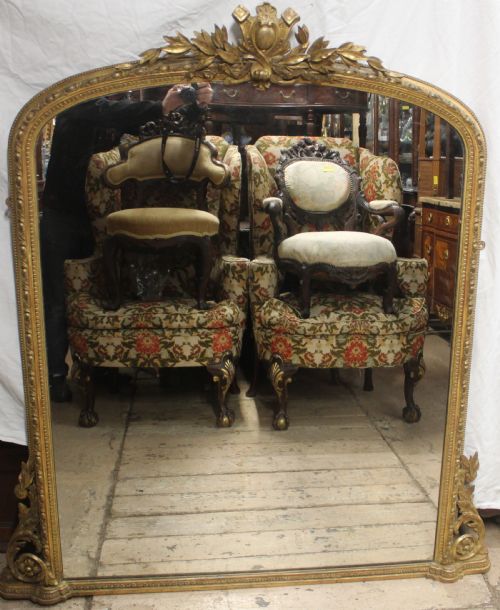
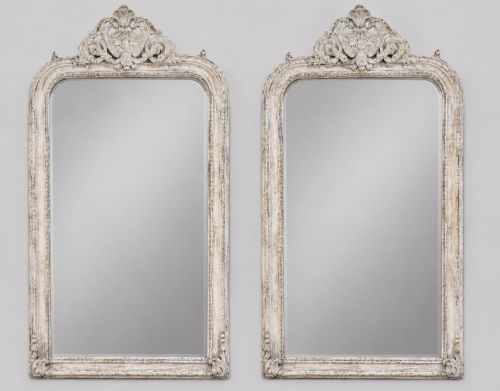
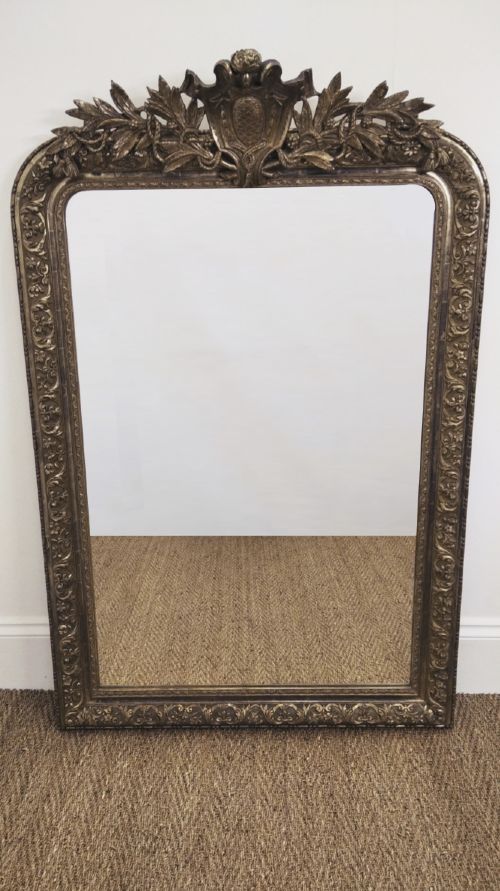
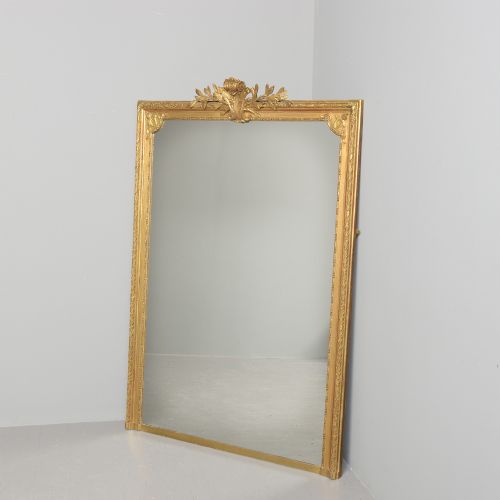
Large French Crest Mirror
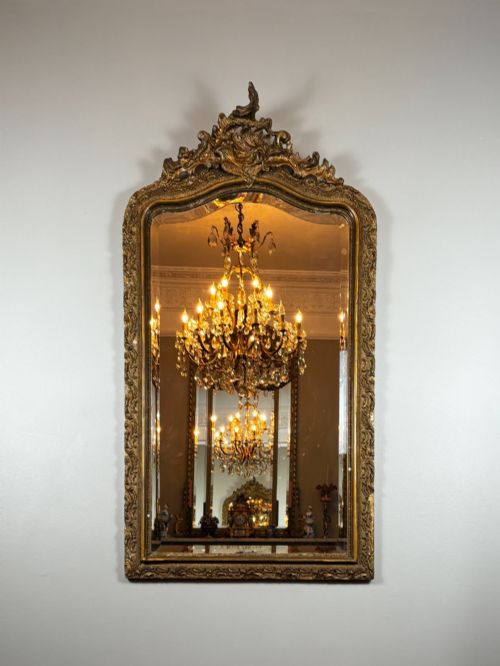
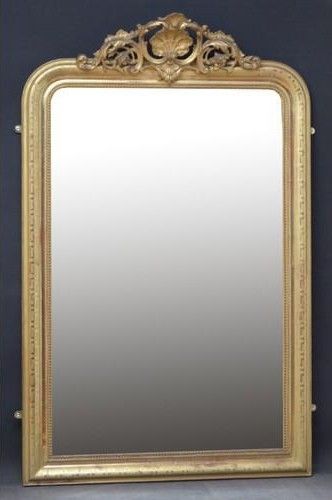
A large French crest mirror brings architectural presence and reflected light to a room, drawing the eye with ornate woodwork and traditional motifs.
Large French Crest Mirror
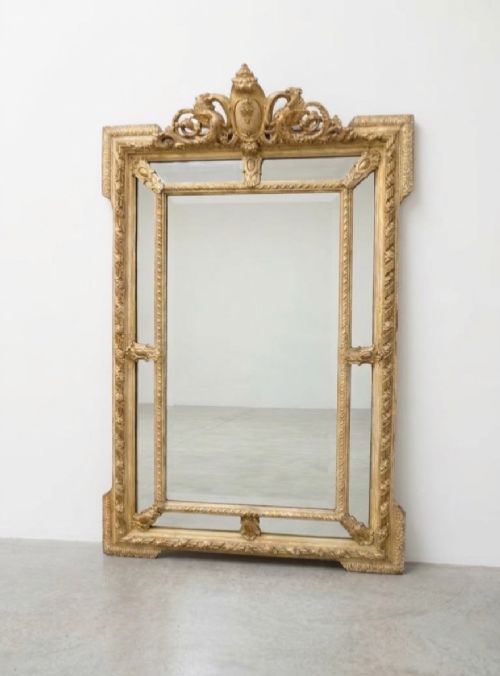
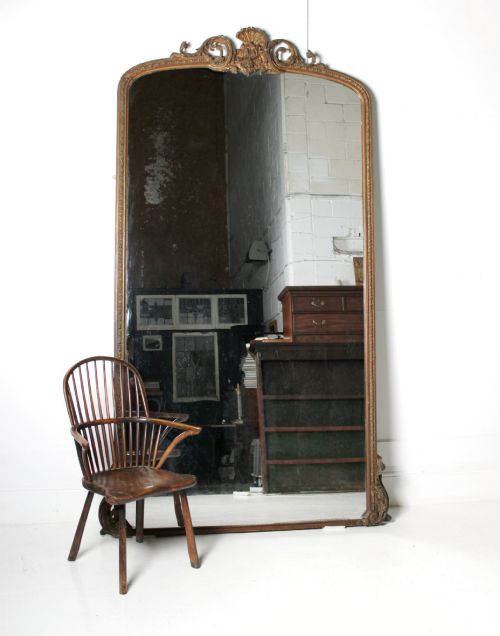
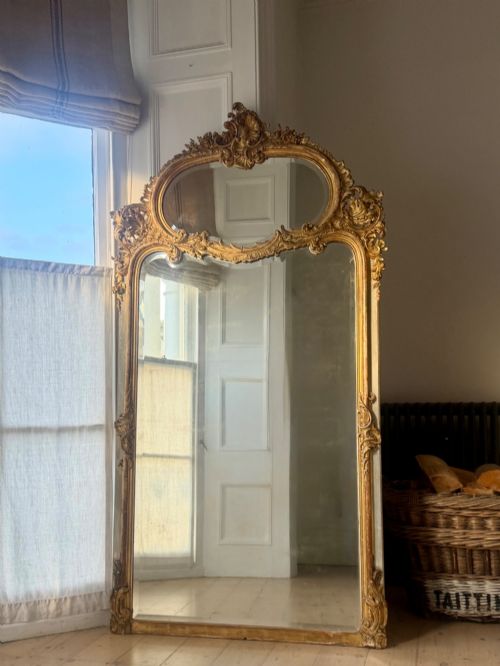
A large French crest mirror serves as a dominant decorative focus in a interior, frequently taking the form of an overmantel or wall mirror. These pieces combine substantial scale with intricate cresting, embodying the decorative ambitions of the nineteenth century.
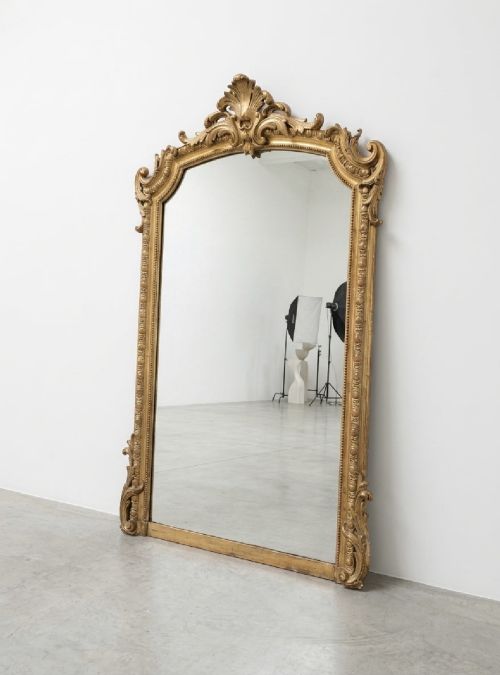
Buyers browsing this selection encounter numerous examples originating from the nineteenth century, alongside Victorian interpretations and specific French regional designs. The Louis-Philippe and Rococo Revival styles appear frequently, showing characteristic curved crests and decorative gilding.
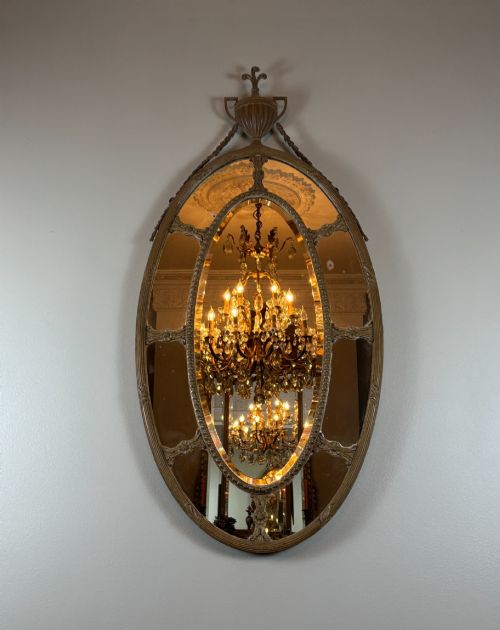
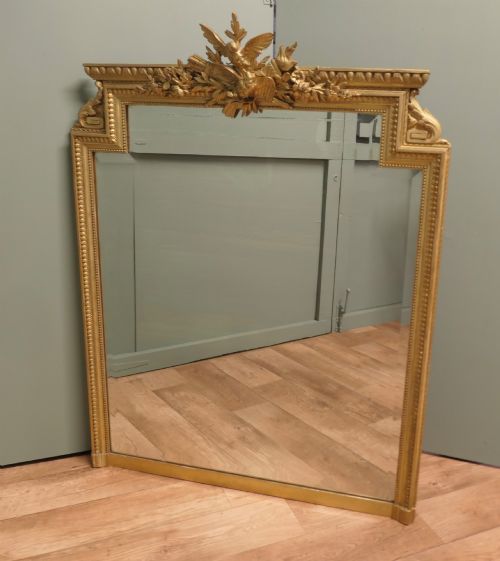
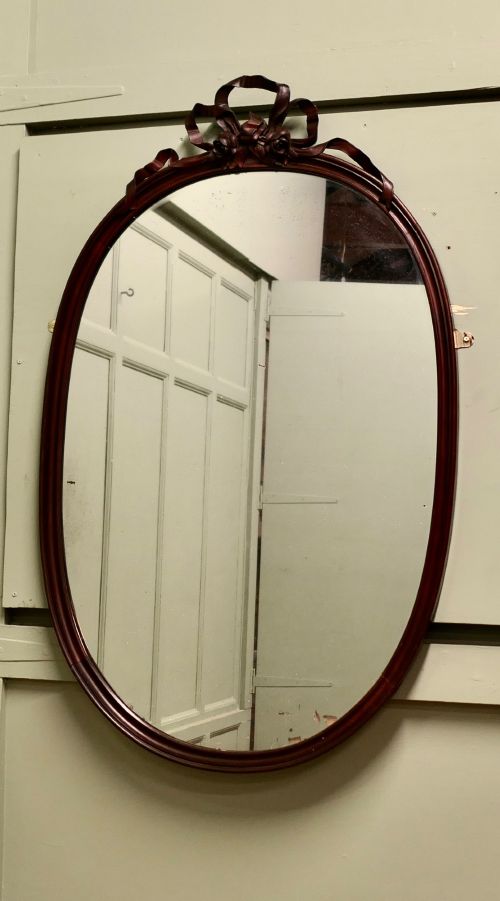
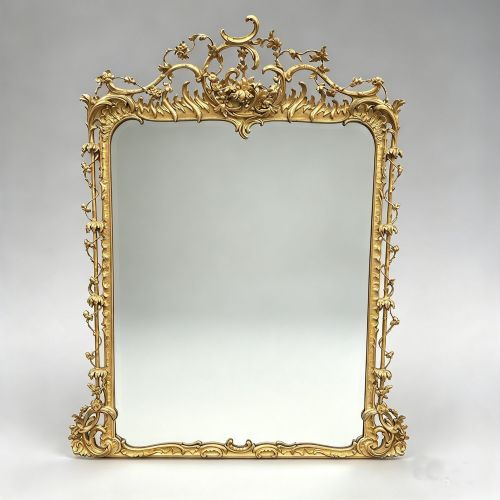
Forms range from tall rectangular overmantels to oval margin mirrors and pier mirrors. Many pieces feature carved wooden frames adorned with floral motifs, urns, or birds, reflecting the craftsmanship of French provincial and château workshops.
Materials and Construction Techniques
Makers built the foundational frames of these mirrors using timber such as oak, chestnut, and mahogany, often applying layers of gesso to create smooth surfaces for decoration. Wood carving formed the basis for structural elements and relief work.
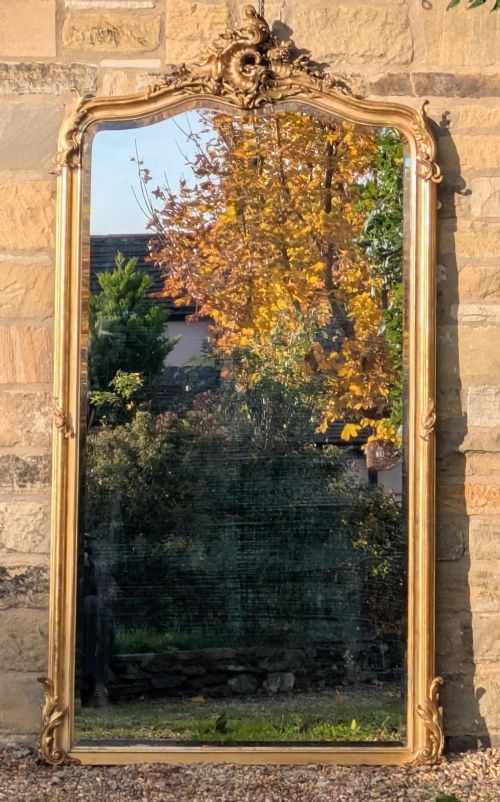
Giltwood and gold leaf finishes dominate the surviving pieces, applied over gesso to catch the light. Alternatively, painted wood finishes in scrubbed or original painted surfaces appear, alongside mercury glass and bevelled mirror glass inserts.
Large French Crest Mirror Retail Price Guide 2026
Typical asking prices for large french crest mirror among the pieces listed under this phrase on Sellingantiques today, from the lower quarter to the upper quarter. They describe what is for sale here now, not the wider market.
Several mirrors feature hand-carved wooden birds perched permanently atop the crest, watching over the room below.
Distinctions in Quality
The sophistication of the carved crest and the depth of the gesso detailing separate standard pieces from finer examples. Hand-carved foliage, pierced cresting, and finely balanced proportions indicate superior workshop production.
The integrity of the original finish also defines the grade of a piece, with intact water gilding or original painted surfaces holding greater decorative value than later overpainting. Furthermore, the clarity and original condition of the mirror glass contribute significantly to the overall merit of the object.
Arsène Rochette of Versailles
The Large French Crest Mirror Glossary
- Giltwood
- Timber that has been coated with gold leaf or gold paint. This technique creates a bright, reflective surface popular in nineteenth-century salons.
- Gesso
- A plaster mixture applied to wood frames to prepare a smooth surface for gilding or painting. It allows for crisp, moulded relief decoration.
- Overmantel mirror
- A large mirror designed specifically to hang above a fireplace mantel. These pieces reflect the hearth and distribute light across the room.
- Mercury glass
- An early type of silvered glass created by pouring a mercury amalgam between two glass plates. It produces a mottled, dark reflection characteristic of antique mirrors.
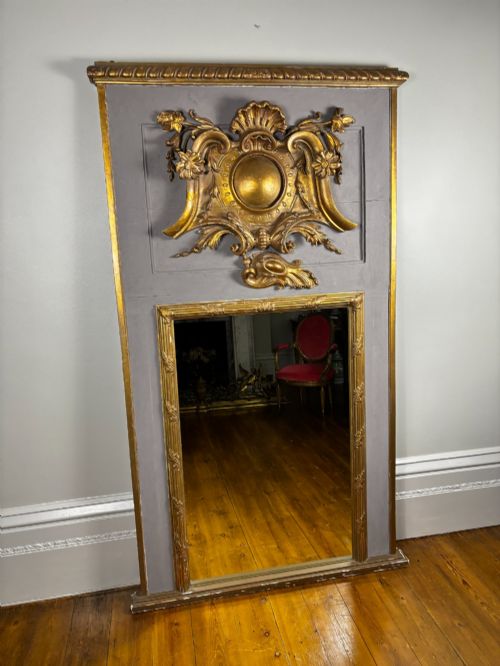
- Trumeau mirror
- A decorative wall mirror incorporating a painted panel or artwork above the glass plate. These items originated in eighteenth-century French interior design.
Large French Crest Mirror: Frequently Asked Questions
Where should I hang a large French crest mirror?
These mirrors function best above a fireplace mantel or as a principal focal point on a main living room wall. Their height demands a position where they can anchor the surrounding furniture without obstruction.
Ensure the wall structure can support the substantial weight of carved wood and gesso frames. Professional fixings are recommended for safety.
How do I distinguish Louis-Philippe mirrors from Rococo Revival pieces?
Louis-Philippe mirrors typically feature simpler, slightly rounded upper corners and cleaner rectangular frames with understated crests. They project a more restrained aesthetic suitable for daily domestic use.
In contrast, Rococo Revival pieces display exuberant asymmetry, deep scrollwork, and prominent floral cresting. Their frames are heavily carved and visually dramatic.
Are the mirror plates original?
Many nineteenth-century pieces retain their original glass, which may exhibit minor foxing or dark spots from age. This oxidation is a normal characteristic of antique mercury or early silvered glass.
Some mirrors have received replacement glass during their history to improve clarity. Inspect the edge of the glass and the backing boards to determine its age.
How do I clean and maintain a gilded frame?
Dust gilded and gesso frames gently with a soft, dry brush to prevent damage to the delicate surface. Avoid liquid cleaners and modern chemical sprays, which can strip the gold leaf or soften the gesso.
Keep the mirror away from direct sources of heat and moisture to protect the wooden structure and prevent the gilt layer from flaking.