



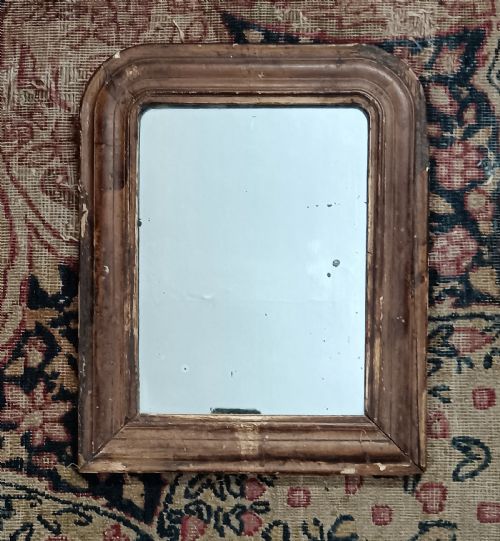


Round Wooden Mirror
A round wooden mirror brings warmth and depth to a room, offering a functional focal point shaped by centuries of cabinetmaking.
Round Wooden Mirror
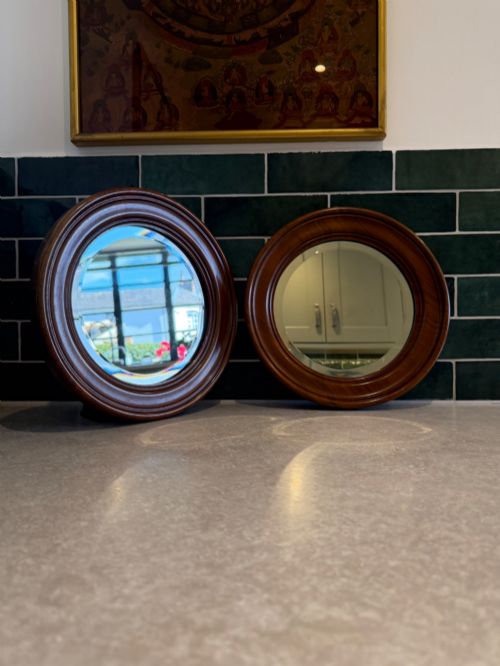
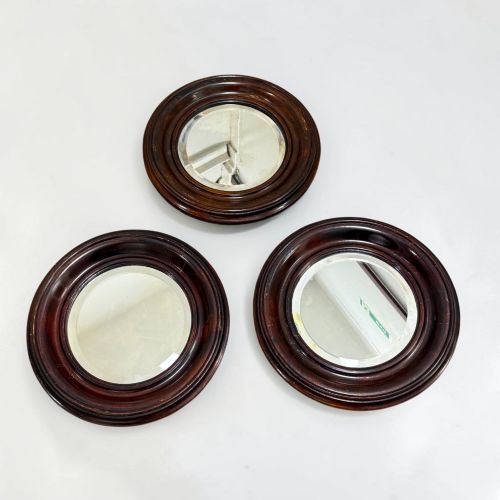
A round wooden mirror is a circular looking glass set within a timber frame, appearing across periods from the eighteenth century to the early twentieth century. Buyers seeking this phrase encounter wall-mounted convex plates, Georgian hand-held vanity pieces, and large circular mahogany or timber frames.
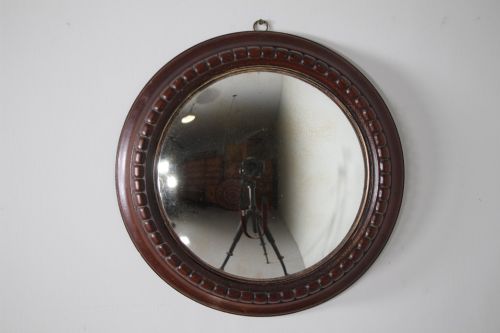
The selection includes Victorian convex witch's mirrors, architectural salvage, and French Louis Philippe designs alongside Edwardian and fairground examples. Forms range from simple timber surrounds to carved wood and burr walnut overmantel mirrors.
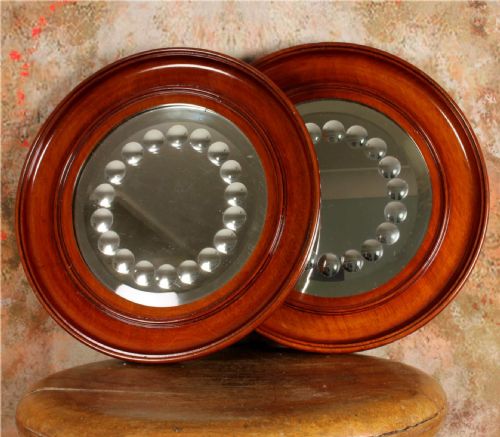
The origin spans British, French, and Chinese-influenced pieces, often utilising mahogany, satinbirch, and solid wood frames fitted with glass or bevelled mirror plates.
How they were made
Frames are constructed from solid timber, mahogany, and satinbirch, shaped into circular and arched forms using traditional joinery and wood-turning techniques. Carved wood details and paint finishes frequently complement the natural grain of the wood.
Mirrors utilise glass, mirror plate, and bevelled glass, sometimes featuring foxed surfaces that show age. Brass fixtures and hanging hardware frequently secure the glass within the wooden surrounds.
Round Wooden Mirror Retail Price Guide 2026
Typical asking prices for round wooden mirror among the pieces listed under this phrase on Sellingantiques today, from the lower quarter to the upper quarter. They describe what is for sale here now, not the wider market.
Fairground carousel panels occasionally moonlight as mirrors, bringing the distinct charm of a nineteenth-century ride straight into the hallway.
What varies in quality
Quality rests in the construction of the wooden frame and the character of the glass, distinguishing simple utility pieces from finer decorative works. Solid timber surrounds with well-preserved carved details or rich burr walnut grain elevate a piece.
The condition of the mirror plate itself matters, as original bevelled glass or naturally foxed surfaces retain historical integrity. Heavier frames with secure backing and solid brass fittings indicate superior cabinetmaking.
The Round Wooden Mirror Glossary
- Convex mirror
- A curved circular looking glass that reflects a wide, distorted field of vision. These pieces are often referred to as sorcerer's or witch's mirrors.
- Foxed glass
- Mirror plate displaying spots, discolouration, or ageing caused by the degradation of the silver backing over time. This provides a soft, atmospheric reflection.
- Bevelled glass
- Mirror plate with edges cut and polished at an angle to create a framed border effect. This technique adds depth and catches the light.
- Overmantel mirror
- A large decorative looking glass designed to hang above a fireplace mantel. These often feature architectural arched tops or elaborate wooden frames.
Round Wooden Mirror: Frequently Asked Questions
How do I hang a heavy wooden mirror safely?
Heavy wooden frames require sturdy fixings screwed directly into wall studs or masonry using appropriate wall anchors. The weight of the timber and glass demands reliable hanging wire or robust bracket mounts secured to the back of the frame.
Ensuring the wall structure can support the load prevents shifting or falling over time. Professional installation is often advisable for large circular mahogany or overmantel pieces.
How do I clean an antique mirror plate?
Antique mirror plates, particularly those with foxed glass or original silvering, require gentle cleaning with a soft microfibre cloth. Avoid harsh chemical sprays or abrasive cleaners that can seep behind the wooden frame and damage the backing.
Lightly dampening the cloth with distilled water is usually sufficient to remove dust without harming the fragile historic surface.
How can I tell the period of a wooden mirror?
Dating a wooden mirror involves examining the timber species, construction joints, and the manufacturing method of the glass plate. Georgian and Victorian pieces often show hand-turned mahogany frames, while Edwardian and later examples utilise different woods and machine-cut bevels.
Original backboards, screws, and handwritten labels on the reverse also offer clues to the approximate decade of manufacture.