

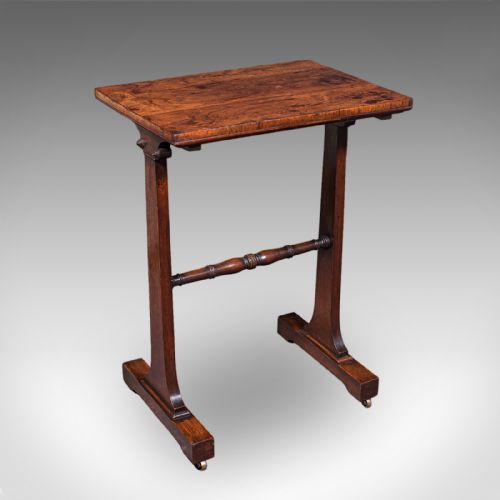
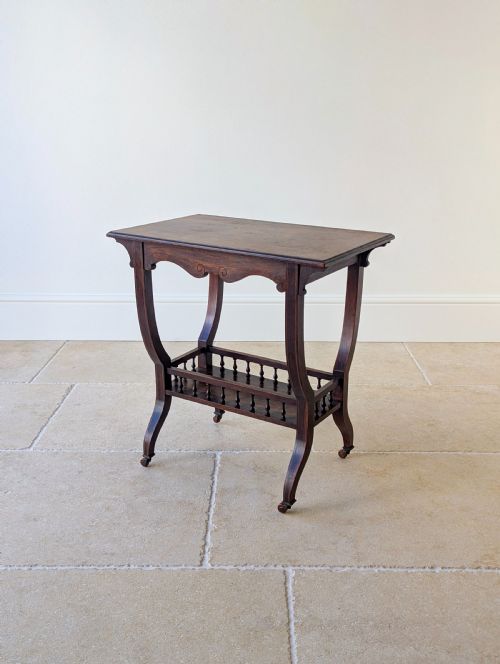

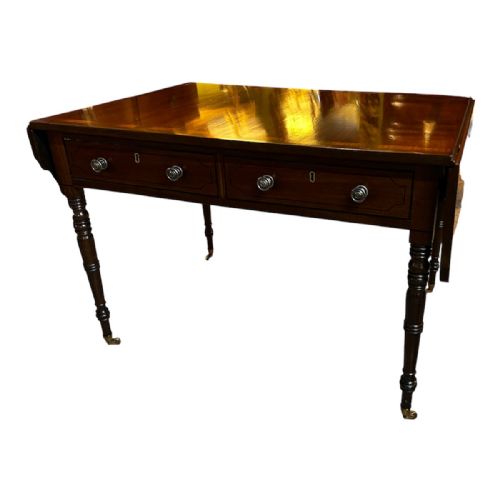


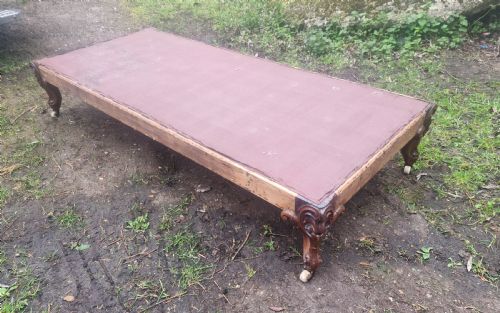
Rosewood Table with Castors
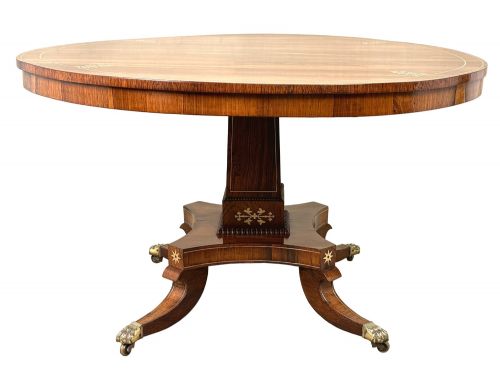
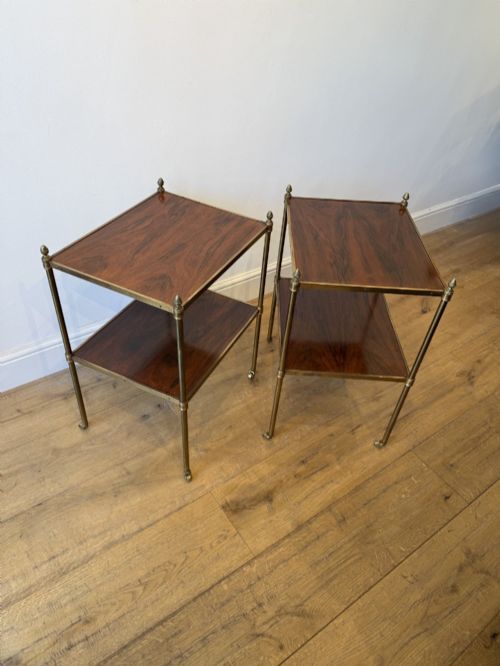
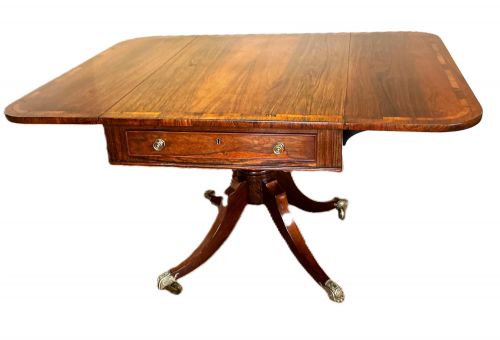
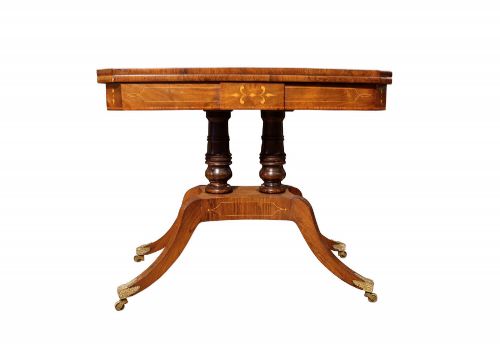
These rosewood table with castors selections bring mobile refinement to any room, offering the rich grain of rosewood paired with the practicality of wheeled supports.
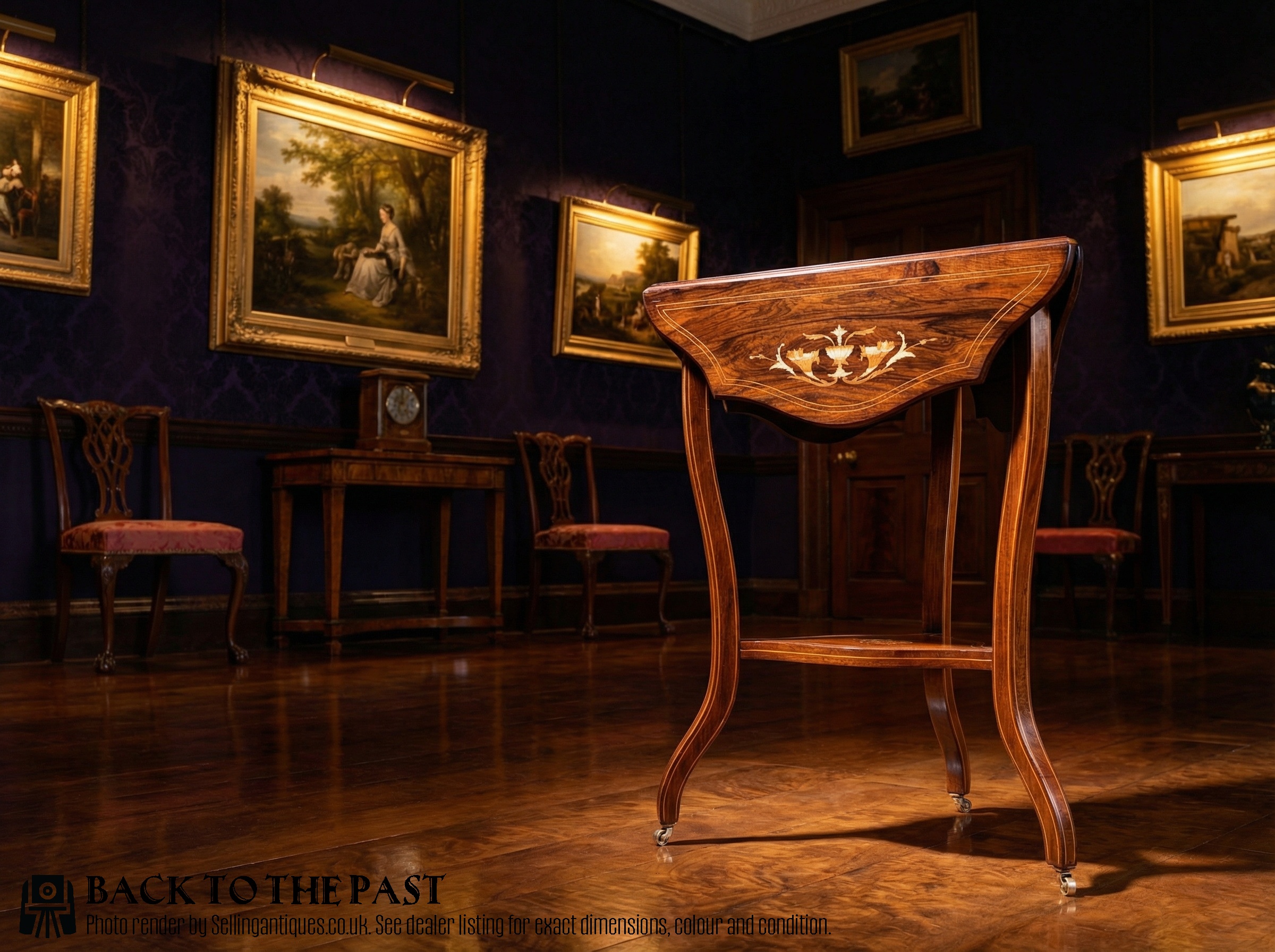
Rosewood Table with Castors
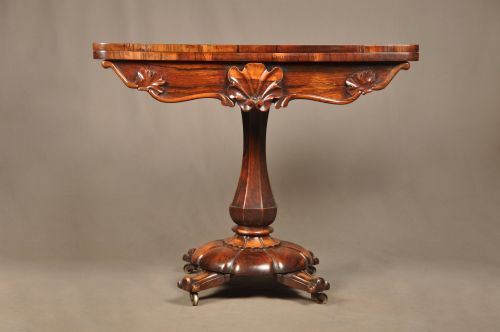
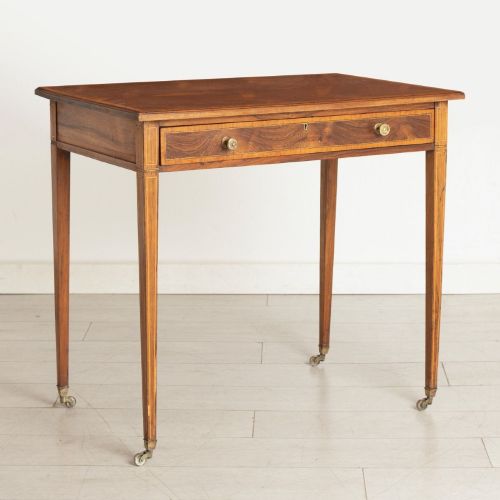
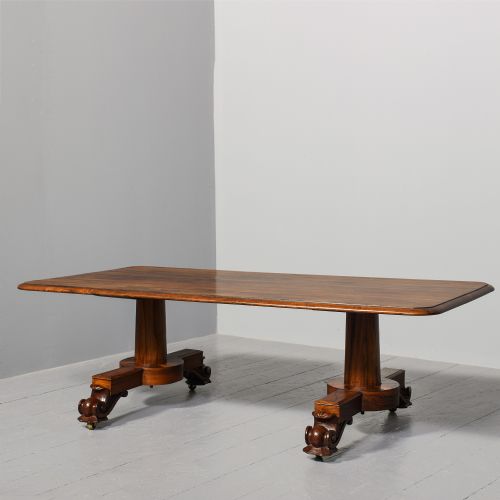
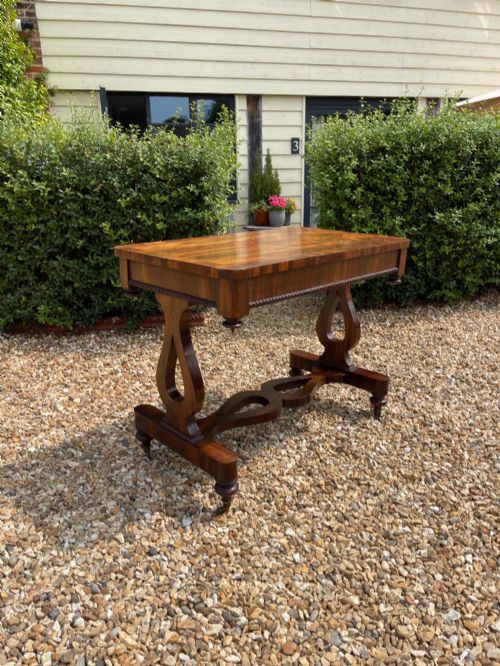
When you search for a rosewood table with castors, you encounter a variety of practical and formal furniture types designed for movement across the floor. The selection includes occasional tables, side tables, sofa tables, work tables, card tables, games tables, writing desks, and centre tables.
The pieces span several periods including Georgian, Regency, Victorian, and Edwardian eras. Buyers are most likely to meet Regency examples alongside later nineteenth-century and Edwardian pieces on this page.
Movable furniture served diverse social functions in period interiors, from card playing and needlework to writing and serving. The integration of castors allowed these heavy timber pieces to shift position easily according to the day's activities.
Materials and Construction
Makers utilised dense rosewood timber as the primary surface material, frequently enhancing the appearance with satinwood, boxwood, and general wood inlay. Supporting elements often incorporated brass for castors, sabots, and gilt detailing.
Secondary structural timbers such as mahogany appear alongside the rosewood veneer and solid components. Certain designs feature functional additions like leather writing inserts and silk linings for work tables.
Some work tables secretly stored threads and needles while the brass castors quietly rolled the sewing gossip across the drawing room.
Assessing Craftsmanship
Quality in these tables rests upon the precision of the timber selection and the integration of decorative inlay such as boxwood and satinwood. Finer pieces demonstrate careful attention to the grain alignment across folding tops and drop leaves.
The hardware quality distinguishes standard production from superior workshops, particularly the weight and chasing of the brass castors and sabots. Structural integrity in moving parts, such as the pivot mechanisms on card tables and drop leaves, marks the higher tier of workmanship.
The Rosewood Table with Castors Glossary
- Castor
- A small wheel mounted on a swivel attached to the legs of furniture to facilitate easy movement. They are frequently cast in brass on period tables.
- Card Table
- A specialised folding table designed for evening games, featuring a hinged top that opens to reveal a baize-lined playing surface.
- Sofa Table
- A rectangular table traditionally placed in front of or beside a sofa, often fitted with drop leaves and small drawers.
- Work Table
- A small table equipped with compartments, drawers, or bags for sewing and needlework materials.
- Sabot
- A metal sleeve or shoe fitted over the foot of a furniture leg to protect the timber and provide decorative contrast.
Rosewood Table with Castors: Frequently Asked Questions
Where were these tables used?
These tables found placement in reception rooms, morning rooms, and drawing rooms for varied domestic activities.
Their mobile nature meant owners could reposition them for writing, gaming, or serving tea as required by social occasions.
How do I care for rosewood?
Keep timber surfaces away from direct sunlight and consistent moisture to preserve the deep natural grain.
Dust gently with a dry cloth and apply appropriate wax sparingly when the wood appears dry.
Can I use a card table daily?
Hinged folding tops require careful handling when opening and closing to protect the pivot joints.
Support the leaf properly when extended rather than placing heavy loads on unsupported edges.
How do I identify a Regency piece?
Regency items often display classical proportions, gilt brass mounts, and specific inlay patterns characteristic of the early nineteenth century.
Compare the leg turnings and castor designs with documented examples from the same period.