




Rosewood Pedestal Cabinet
These rosewood pedestal cabinet examples are solid timber storage pieces bringing deep reddish-brown grain and compact classical proportions into a room.
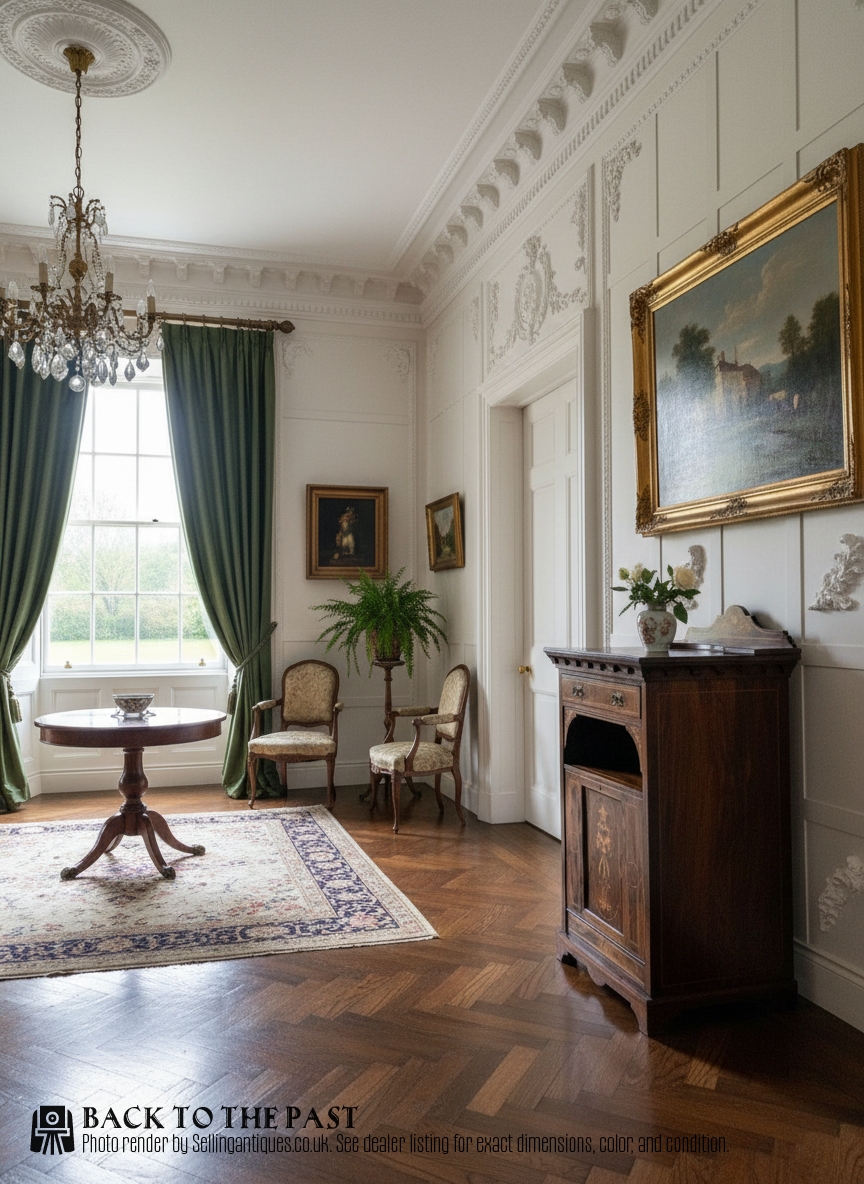
Rosewood Pedestal Cabinet
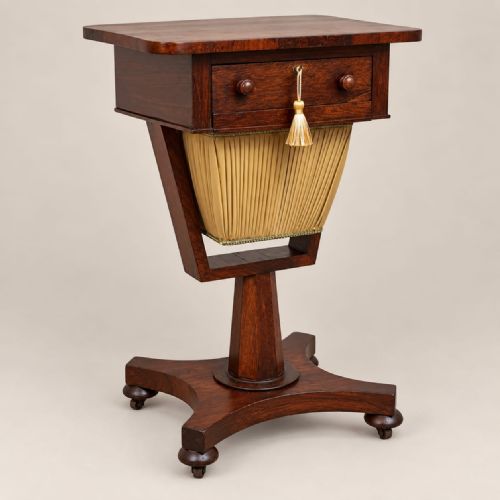
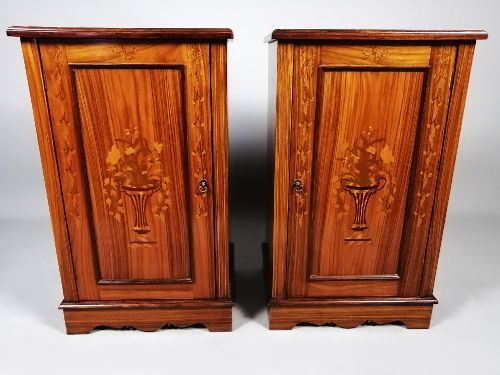
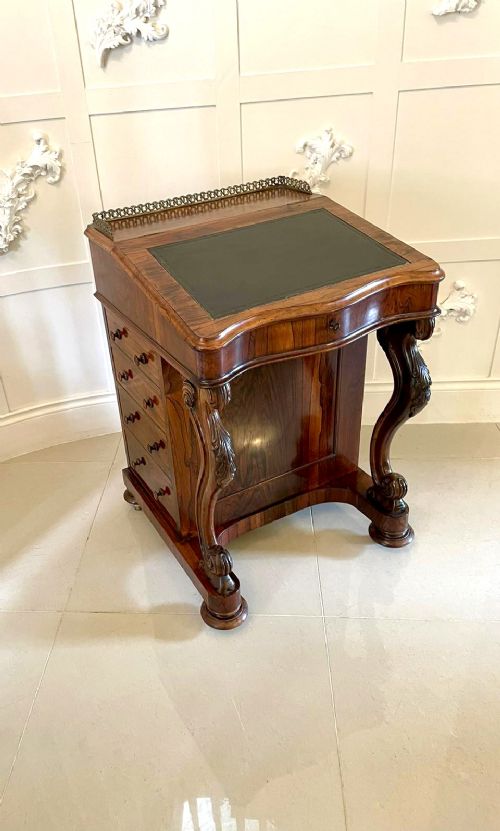
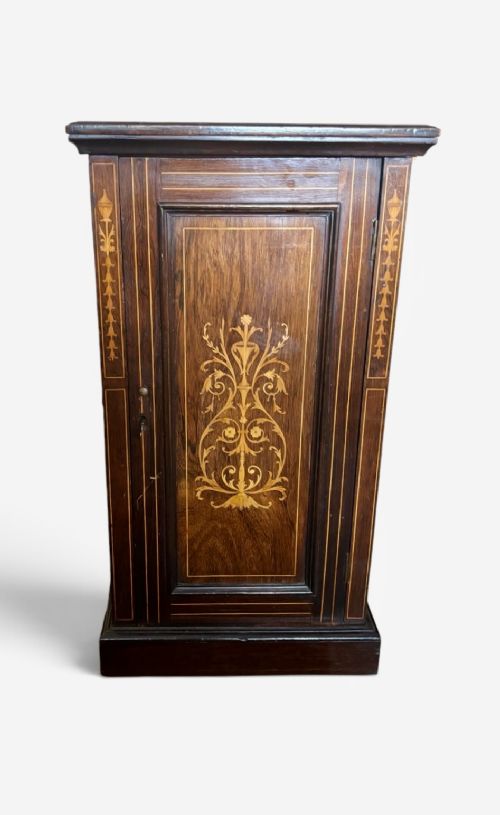
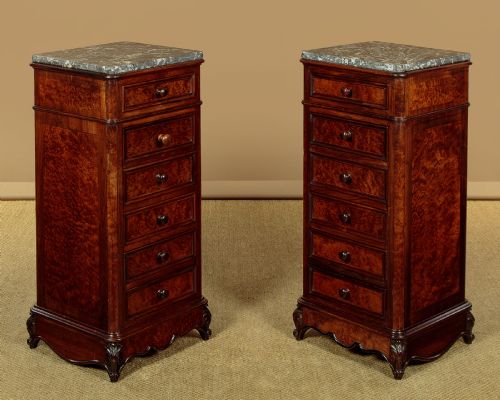
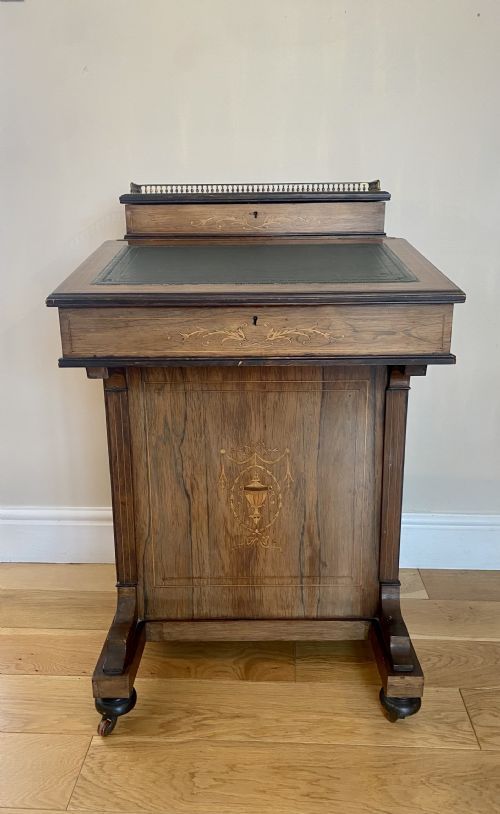
A rosewood pedestal cabinet stands as a compact, single-pedestal storage item designed for bedside or side use, frequently encountered in Victorian and nineteenth-century forms. The selection encompasses paired bedside cupboards, freestanding Davenport desks with sloping lids, and narrow inlaid cabinets.
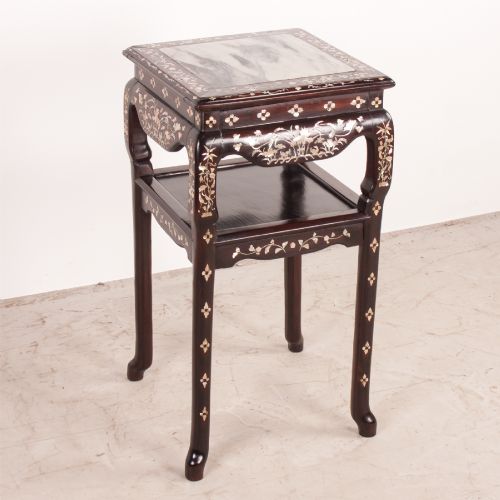
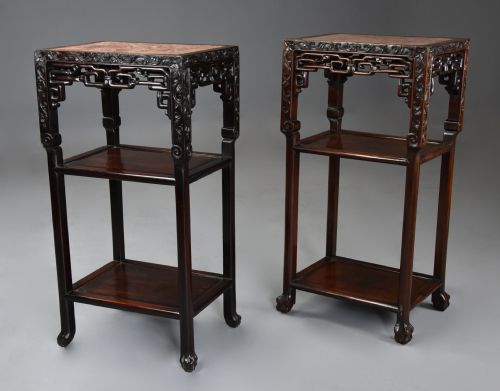
Buyers also meet Chinese export pieces in this category, including hardwood pot stands and marble-topped tables alongside traditional British side cabinets. The core function remains enclosed storage or display atop a sturdy columnar or pedestal base.
Most items on this page date from the nineteenth century, spanning Regency, William IV, and Victorian periods, with occasional Edwardian variations. Pairs feature prominently among the bedside configurations.
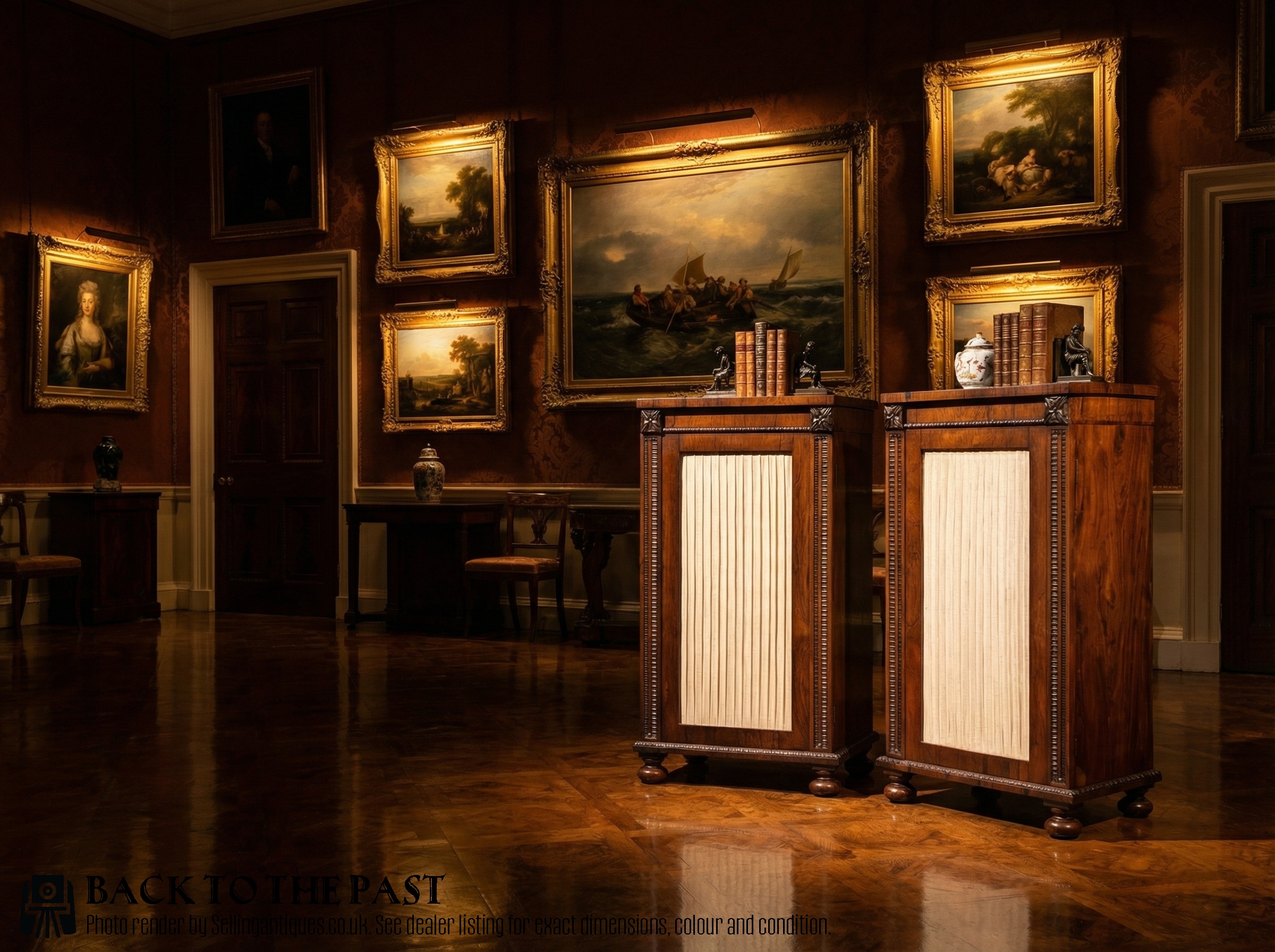
Materials and construction methods
Cabinet makers built these pieces using dense tropical hardwoods, applying figured rosewood veneers over sound carcases or constructing them from solid timber. Surfaces frequently showcase contrasting stringing and marquetry motifs utilising boxwood, satinwood, and mother of pearl.
Secondary materials enhance the functional design, with white marble inset tops providing durable display surfaces and brass hardware securing doors and drawers. Leather inserts appear on the writing slopes of desk variants.
Listings feature nineteenth-century pieces alongside Edwardian examples, utilising materials such as marble, brass, and mother of pearl inlay.
Assessing craftsmanship and execution
The distinction between standard items and superior examples lies in the crispness of the boxwood and satinwood inlay and the symmetrical choice of rosewood grain. Finer pieces demonstrate meticulous cabinet work where doors close flush and structural joins remain tight.
The depth of the hand-polished finish and the retention of original brass fittings and marble tops heavily influence the character of each piece. Matched pairs showing consistent timber selection and ageing command particular attention.
The Rosewood Pedestal Cabinet Glossary
- Rosewood
- A heavy, durable timber prized for its dark, richly figured reddish-brown grain. It takes a high polish and forms the primary exterior material for these cabinets.
- Davenport
- A small desk featuring a sloped writing surface above a pedestal of drawers. This form combines compact storage with a dedicated writing space.
- Marquetry
- Decorative veneer work forming pictures or geometric patterns using various coloured woods. Craftsmen embed these delicate patterns into the main cabinet surfaces.
- Pedestal
- A supporting column or base beneath a cabinet or table. It elevates the main storage body while maintaining a compact footprint on the floor.
- Stringing
- Thin inlay lines of contrasting wood used to outline panels and drawers. This linear detail defines the edges of cabinet doors and tops.
Rosewood Pedestal Cabinet: Frequently Asked Questions
What rooms suit a rosewood pedestal cabinet?
These compact cabinets fit easily beside a bed or function as small side tables in a hallway or drawing room. Their enclosed storage keeps small items concealed while the top surface holds a lamp or decorative object.
Because many examples were built as pairs, they balance a bed wall or flank a fireplace with symmetrical dark timber tones.
How do I care for rosewood surfaces?
Dust the timber regularly with a soft, dry cloth to prevent particulate accumulation on the polished veneer. Avoid placing pieces in direct sunlight or near heat sources to protect the wood and inlay from drying out.
Occasional application of appropriate wax feed helps nourish the nineteenth-century polish without building up residue.
Are these cabinets sturdy enough for daily use?
Nineteenth-century construction utilised dense hardwoods designed to withstand regular domestic service. The solid pedestals and robust joints provide stable support for everyday items placed on or inside them.
Care should be taken with marble-topped variants to lift rather than drag them when repositioning within a room.
How do I identify a Regency period piece?
Regency items often display cleaner classical lines, architectural proportions, and restrained brass mounts inspired by ancient Greek and Roman designs. The rosewood used in this era frequently shows strong grain patterns without heavy decorative inlay.
Later Victorian versions tend to incorporate more elaborate marquetry work and contrasting satinwood stringing.