


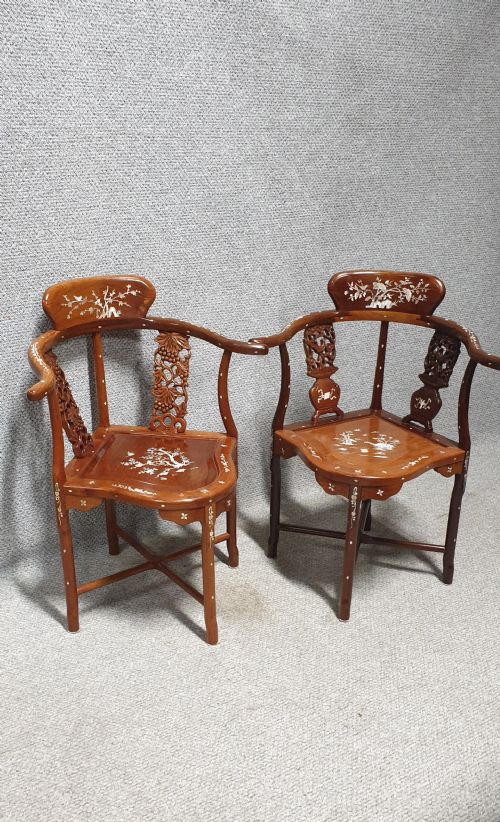
Rosewood Occasional Chair
A rosewood occasional chair brings compact elegance to a room, offering a portable seat crafted in rich timber that catches the eye.
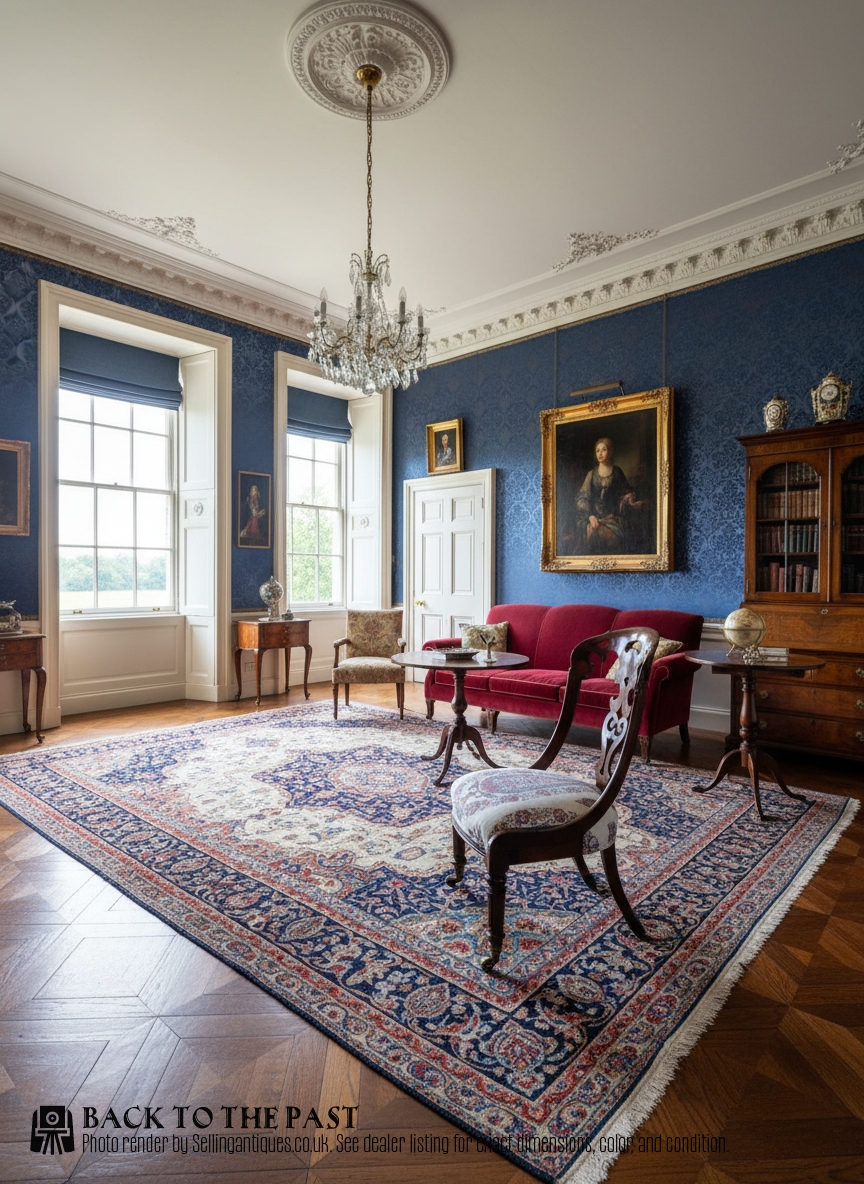
Rosewood Occasional Chair
A rosewood occasional chair is a light, movable seat designed to be brought out as needed, appearing frequently in Victorian and Edwardian iterations on this page. These pieces span side chairs, armchairs, salon chairs, and occasional chairs, reflecting diverse domestic uses from the nineteenth century onward.
The selection ranges from Regency simulated rosewood examples down to Edwardian inlaid pieces and twentieth-century oriental corner chairs. Buyers encounter various forms including balloon-back, cloud-back, tub-back, and stickback designs across the inventory.
Origins stretch across the nineteenth and early twentieth centuries, capturing periods such as Regency, William IV, Victorian, and Edwardian. The core of what a buyer finds involves side chairs and matched pairs suited for parlours, bedrooms, and drawing rooms.
How they were made
Cabinetmakers utilised solid and veneered rosewood, frequently pairing the dense, figured timber with secondary woods like mahogany. Workshops employed techniques such as inlay, marquetry, and turning to articulate frames, often incorporating brass details.
Seating surfaces relied on textile upholstery, needlepoint, velvet, fabric, and cane webbing stretched across the wooden frameworks. Carved wooden elements define the Victorian Rococo Revival and Gothic styles seen in the records.
Rosewood Occasional Chair Retail Price Guide 2026
Typical asking prices for rosewood occasional chair among the pieces listed under this phrase on Sellingantiques today, from the lower quarter to the upper quarter. They describe what is for sale here now, not the wider market.
Some Victorian chairs arrived with cloud-back designs, offering a soft outline for sitters gazing out of nineteenth-century windows.
What varies in quality
The caliber of a rosewood occasional chair rests upon the crispness of its carved ornament and the precision of any marquetry or string inlay. Superior examples display tighter grain figures in the timber and more ambitious structural forms, such as balloon-backs or cloud-backs.
Construction integrity distinguishes workshop output, particularly in the joinery of slender legs and back rails that endure centuries of movement. The choice of upholstery materials, from plain textiles to intricate needlepoint, also marks the distinction between standard production and top-tier salon seating.
Gillows
The Rosewood Occasional Chair Glossary
- Rosewood
- A dense, heavily figured timber prized for its dark grain and polished finish. It forms the primary structural and decorative material for these seats.
- Occasional chair
- A light, movable seat intended for periodic use in various rooms rather than permanent placement at a dining table. These pieces function as flexible additions to domestic seating.
- Marquetry
- The art of applying pieces of veneer to a structure to form decorative patterns. Craftsmen use contrasting woods and materials to enrich chair backs and splats.
- Simulated rosewood
- Painted or grained wood mimicking the appearance of true rosewood. Makers utilised this technique during the Regency period to achieve a decorative effect affordably.
- Needlepoint
- Stitched yarn work applied to canvas as upholstery. This textile appears frequently on the seat pads of nineteenth-century chairs.
Rosewood Occasional Chair: Frequently Asked Questions
What is a rosewood occasional chair used for?
These chairs provide flexible seating that can be moved easily between rooms as household needs require. Historically, they served in parlours, bedrooms, and drawing rooms for guests or light tasks.
Today, buyers place them in corners, hallways, or dressing areas where a compact, decorative seat is practical without dominating the floor space.
How do I identify a Regency rosewood chair?
Regency pieces often display classical lines, sabre legs, and simulated or solid rosewood surfaces dating from the early nineteenth century. Details may include brass inlay or simpler stickback forms.
Examining the construction methods and timber finishing helps separate these earlier models from later Victorian and Edwardian interpretations.
Are these chairs comfortable for daily use?
Occasional chairs were built for light, temporary sitting rather than lounging for hours. Their smaller proportions and upright backs reflect period standards of posture and parlor etiquette.
Living with them involves appreciating their decorative presence and careful seating rather than expecting modern ergonomic plushness.
What does inlaid mean on an Edwardian chair?
Inlay involves embedding contrasting strips or shapes of wood and lighter materials into the rosewood surface. Edwardian makers utilised this technique to create delicate floral or geometric patterns.
This decorative approach lightened the visual weight of the dark timber, suiting the refined tastes of the early twentieth century.
How do I care for antique rosewood furniture?
Rosewood requires stable indoor humidity away from direct sunlight and heat sources to prevent the timber from drying or cracking. Regular dusting with a soft cloth maintains the polished surface.
Harsh chemical polishes should be avoided in favour of traditional waxes that preserve the natural character of the nineteenth-century wood.